
Over the past decade, Americans’ vehicle-purchasing habits have changed significantly. Long-distance car buying was once limited by how far a shopper was willing to travel. Most buyers searched only within a reasonable driving distance, considering in-person visits and negotiations essential to the process.
Today, long-distance car buying is rapidly becoming more practical. Digital marketplaces, virtual inspections, transparent pricing, online financing, and nationwide auto transport have removed geographic barriers. Buyers can now purchase vehicles from anywhere in the country, making distance far less of an obstacle.
For vehicle owners, dealerships, and automotive businesses, this shift marks a significant transformation in the U.S. automotive market. Interstate purchases are now common, and reliable car shipping has made nationwide buying practical, affordable, and convenient.
This article examines why distance is less relevant in car buying, the technologies enabling this change, and the growing importance of auto transport in vehicle ownership.
Image source: Pixabay
For many years, buyers looked for cars mostly in their neighborhood for several practical reasons:
Buying from another state often requires:
These challenges made long-distance purchases inconvenient, leading many buyers to settle for locally available vehicles instead of their preferred choice.
The internet has fundamentally changed how Americans search for vehicles. Buyers can now browse thousands of listings nationwide in minutes and routinely compare:
This broader marketplace offers buyers far more choices than local shopping alone.
Instead of asking: “What’s available nearby?”
Consumers increasingly ask: “Where can I find the best vehicle at the best price?”
When buyers prioritize value, selection, and condition, distance becomes a secondary concern.
Modern online automotive platforms offer access to a vast national inventory, allowing buyers to search by:
Instead of waiting months for a local dealership to receive a specific vehicle, shoppers can often find an exact match elsewhere in the country. This is particularly beneficial for:
Searching nationwide significantly increases the chances of finding the ideal vehicle.
Previously, buyers were hesitant to purchase vehicles remotely due to uncertainty. Today, increased transparency addresses these concerns through:
An official NMVTIS vehicle history report may provide information about:
Buyers may also use other commercial reports to review available accident, ownership, and service information. These reports enable buyers to make more informed decisions before purchasing.
Dealerships now provide dozens or even hundreds of detailed images showing:
Buyers can now inspect vehicles far more thoroughly than before.
Many sellers now provide comprehensive video tours demonstrating:
Videos offer buyers greater confidence before completing a purchase.
Financing previously required multiple in-person visits. Now, lenders enable buyers to:
Many buyers now finalize financing before seeing the vehicle in person. Electronic signatures and secure digital documentation have made interstate transactions much easier.
Automotive dealerships now consider the entire country their customer base. Instead of relying only on local foot traffic, they advertise nationally. Key benefits include:
Dealerships can now sell vehicles wherever demand exists rather than waiting for local buyers. As a result, cross country car shipping has become an increasingly important service.
Dealer-only and public auctions have adopted digital technology. Online bidding enables buyers to purchase vehicles from almost any location. Large events such as the Mecum Indy collector car auction demonstrate how vehicles and bidders now come together from across the country. Common auction purchases include:
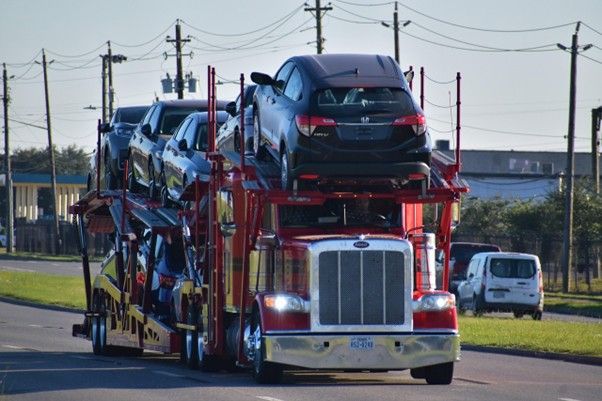
Professional transportation services deliver purchased vehicles safely across state lines.
The widespread availability of professional auto transport has made long-distance car buying practical. Instead of driving long distances, buyers can have vehicles delivered directly to their homes or businesses.
Professional carriers transport vehicles across the continental United States daily, eliminating concerns about:
Instead, buyers simply schedule pickup and delivery.
Modern transport services often provide door-to-door delivery when road conditions and local regulations allow. Customers typically arrange pickup and delivery near:
The effort required to buy cars from another state is greatly decreased by this convenience. Many buyers find that shipping is more convenient than picking up the car in person.
Long-distance car buying also gives shoppers greater pricing freedom. Vehicle prices often vary by area due to:
Examples include:
By searching nationally, buyers increase their chances of finding better deals. Even after transportation costs, purchasing from another state can sometimes result in significant savings.

Some vehicles are difficult to find locally, such as:
Without nationwide shipping, collectors would struggle to acquire these vehicles. Understanding car shipping for collector vehicles enables enthusiasts to purchase rare automobiles from almost anywhere in the country while planning for their protection during transport.
Millions of Americans relocate each year for reasons such as:
Many people purchase vehicles near their new destinations before moving, while others buy replacements after relocating. Interstate transport simplifies moving vehicles between states during these transitions.
Commercial buyers are increasingly sourcing inventory nationwide, including:
Dealers acquire inventory from multiple states to:
Fleet operators often move vehicles between regions to meet seasonal demand.
Businesses purchasing service vehicles often seek the best pricing nationwide. Learning how to ship company cars across the United States helps businesses manage fleet inventory and transportation more efficiently.
The adoption of electric vehicles has increased nationwide shopping. Some EV models are more available in certain states because of:
Buyers often search outside their local markets to find:
Vehicle shipping allows consumers to purchase EVs without geographic limitations.
Several factors have increased confidence in buying vehicles remotely:
These services reduce uncertainty and enable buyers to make informed decisions remotely. Long-distance car buying is now increasingly common.
Driving a newly purchased vehicle across multiple states exposes it to unnecessary risks, including:
These issues can be reduced by using a professional vehicle transportation service. By preventing unnecessary road use, shipping can help maintain the long-term value of luxury, collector, exotic, and low-mileage vehicles.
Modern logistics technology has changed vehicle transportation. Transportation firms now frequently offer:
Interstate transport is now more transparent and predictable because of these advancements. Technology has eliminated a large portion of the uncertainty that formerly discouraged long-distance vehicle sales.
The automotive industry is evolving into a national marketplace. Emerging technologies such as AI-powered recommendations, virtual reality showrooms, enhanced digital financing, and advanced logistics networks will further reduce the impact of physical distance.
Consumers are becoming more comfortable completing every stage of the purchasing process online, from research and financing to documentation and transportation scheduling.
Finding the ideal car will take precedence over finding the closest one as the country’s car market grows more competitive. Professional car shipping will continue to be a crucial part of this evolving ecosystem, connecting businesses, dealerships, buyers, and auctions across state lines.
Long-distance car buying has moved into the mainstream. Digital marketplaces, transparent information, online financing, and reliable interstate transport have transformed the buying experience, enabling consumers to shop confidently beyond their local area. Buyers can now compare thousands of vehicles nationwide to find the best combination of price, condition, features, and availability.
For dealerships, auctions, fleet operators, and individual buyers, professional vehicle transportation connects the nationwide marketplace. As technology streamlines online purchasing and logistics, buying a car from another state will become even more routine. The future of vehicle ownership will be shaped by access, convenience, and informed decision-making, making distance a minor consideration in today’s car-buying process.
The post Why Distance Is Becoming Less Important When Buying a Car appeared first on Gauge Magazine.