
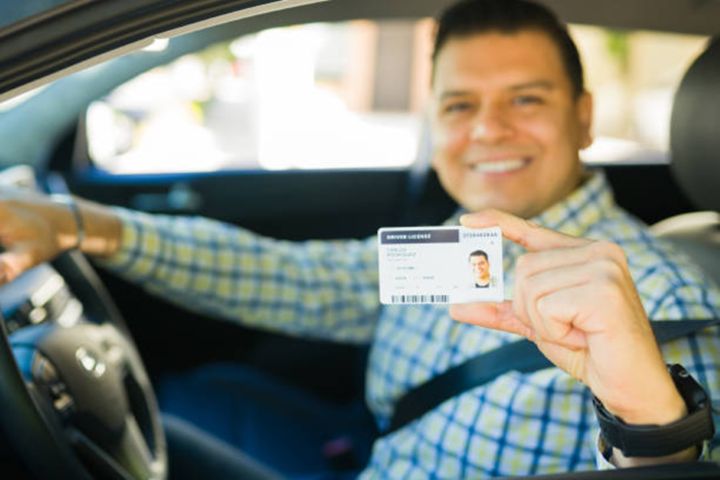
Texas driver’s license classes determine which vehicles a person may legally operate based on vehicle type, weight ratings, passenger capacity, and intended use. Understanding these classifications is important because a standard license may not cover a large motorhome, heavy truck-and-trailer combination, passenger bus, motorcycle, or commercial vehicle.
Learning about the different types of driver’s license available in Texas can help drivers identify which license they need before operating an unfamiliar vehicle. This is especially important when buying a heavy-duty pickup, towing a large trailer, driving a recreational vehicle, or beginning a commercial driving career.
Texas issues non-commercial Class A, B, C, and M licenses. It also issues commercial Class A, B, and C licenses. Although some of the weight thresholds overlap, a non-commercial license and a Commercial Driver License are not interchangeable.
| License class | Generally allows the holder to drive | Important qualification |
|---|---|---|
| Non-commercial Class C | Most ordinary passenger vehicles and combinations that do not meet Class A or B definitions | Does not automatically cover every heavy truck, RV, or trailer combination |
| Non-commercial Class B | Heavy single vehicles, qualifying buses, and certain CDL-exempt vehicles | Commonly relevant to large personal-use motorhomes and other exempt vehicles |
| Non-commercial Class A | Heavy vehicles and qualifying heavy vehicle combinations exempt from CDL requirements | May be required for a large personal-use truck-and-trailer or RV combination |
| Class M | Motorcycles, three-wheel motorcycles, motor-driven cycles, and mopeds | Motorcycle authorization is not automatically included with Class A, B, or C |
| Class A CDL | Qualifying commercial combination vehicles | GCWR of at least 26,001 pounds with a towed vehicle over 10,000 pounds GVWR |
| Class B CDL | Qualifying heavy single commercial vehicles and large passenger vehicles | Generally covers single vehicles of at least 26,001 pounds GVWR |
| Class C CDL | Certain passenger or placarded hazardous-material vehicles that do not meet Class A or B definitions | Applies to vehicles designed for 16–23 occupants or transporting placarded hazardous materials |
The non-commercial Class C license is the standard license used by most Texas drivers. It authorizes a person to operate a single vehicle or combination that does not meet the Class A or Class B definitions.
For ordinary personal use, this generally includes:
A Class C license also authorizes a single vehicle with a GVWR below 26,001 pounds towing a farm trailer with a GVWR that does not exceed 20,000 pounds.
Passenger capacity creates another important distinction. A non-commercial Class C license can cover a vehicle designed for 23 or fewer occupants, including the driver. However, a vehicle designed to transport 16–23 people generally requires a Class C CDL unless a specific exemption applies.
A standard Class C license does not authorize motorcycles. It also does not automatically authorize every pickup-and-trailer combination. A heavy-duty pickup towing a large fifth-wheel, equipment trailer, or car hauler may meet the Class A weight definition even when used personally.
A non-commercial Class B license authorizes the operation of:
This classification is especially important for operators of large personal-use motorhomes. Texas exempts recreational vehicles used personally from CDL requirements, but that exemption does not automatically allow the owner to operate a heavy RV with a standard Class C license.
A personal-use motorhome with a GVWR of at least 26,001 pounds may require a non-commercial Class B license. If that RV tows a vehicle or trailer exceeding the Class B towing limit, a non-commercial Class A license may be needed instead.
A non-commercial Class A license is designed for qualifying heavy vehicles and combinations that are exempt from CDL requirements. According to Texas DPS, it authorizes:
Common situations that may require a non-commercial Class A license include a heavy personal-use pickup and trailer combination, a large fifth-wheel recreational vehicle, or another qualifying CDL-exempt combination.
The words “non-commercial” refer to the license and applicable CDL exemption. They do not mean that weight ratings can be ignored. The driver must still operate within the truck, trailer, tire, axle, hitch, and combination ratings established for that equipment.
A Texas Class A CDL generally authorizes a driver to operate a commercial combination with a Gross Combination Weight Rating of at least 26,001 pounds when the vehicle or vehicles being towed exceed 10,000 pounds GVWR.
Vehicles commonly associated with a Class A CDL include:
A Class A CDL generally permits operation of vehicles in the lower commercial classes, but it does not automatically provide every endorsement. The driver must still hold any required passenger, school-bus, tanker, hazardous-material, or double/triple-trailer endorsement.
A Texas Class B CDL authorizes a person to operate:
Depending on configuration and use, Class B commercial vehicles may include straight trucks, large delivery trucks, dump trucks, cement mixers, heavy box trucks, and buses.
A passenger or school-bus endorsement may also be required. A driver who completes the skills test in a smaller bus or a vehicle without certain equipment may receive restrictions limiting which commercial vehicles the driver may operate.
A Class C CDL applies when a commercial vehicle does not meet the Class A or Class B weight definitions but is:
This means a vehicle does not have to weigh 26,001 pounds to require a CDL. Passenger capacity and hazardous-material transportation can trigger commercial licensing requirements at lower weight ratings.
A Class M license authorizes a person to operate a motorcycle on public roads in Texas. This requirement also applies to three-wheel motorcycles, motor-driven cycles, and mopeds.
Texas requires applicants to complete a state-approved motorcycle operator training course before applying for motorcycle licensing. Depending on the applicant’s age, existing license, training certificate, and motorcycle type, additional knowledge or skills testing may apply.
Applicants younger than 18 must complete an approved course and pass a motorcycle skills test. An applicant who completes a three-wheel-motorcycle course may receive a restriction allowing operation of three-wheel motorcycles only.
A Class A, B, or C license does not automatically authorize motorcycle operation. The driver must obtain Class M authorization.
An endorsement adds permission to operate a particular type of commercial vehicle or transport specific passengers or materials. Texas offers the following common CDL endorsements:
Additional testing is required for endorsements. Entry-Level Driver Training may also apply, and certain applicants must hold a Commercial Learner Permit for at least 14 days before completing the applicable skills test.
Texas recognizes several CDL exemptions. Depending on the circumstances, they may include:
A CDL exemption does not necessarily provide a Class C exemption. Texas DPS states that operators of qualifying CDL-exempt heavy vehicles may still need a non-commercial Class A or Class B license and may need to submit the appropriate exemption application.
Drivers should understand the difference between vehicle weight and vehicle weight ratings:
Texas licensing classifications generally rely on GVWR and GCWR—not simply what the vehicle happens to weigh on a particular trip. A truck or trailer does not move into a lower license class merely because it is empty.
The certification label inside the driver-side door, trailer data plate, manufacturer specifications, and owner’s manual can help identify the ratings. Gauge Magazine’s guide to Chevy Silverado weight and configuration differences also illustrates why two versions of the same truck model can have different specifications.
Operating a vehicle outside the privileges of a driver’s license may result in a citation and other consequences depending on the vehicle and circumstances. A commercial driver may also face employer, insurance, qualification, or out-of-service complications.
The wrong license can become particularly serious following a collision. Investigators and insurers may review the driver’s license class, endorsements, restrictions, medical certification, vehicle ratings, and intended use.
Having the correct license does not make an overloaded combination legal. Drivers must also verify towing capacity, payload, axle ratings, tire capacity, securement requirements, registration, and insurance. Understanding other Texas driving-law requirements can help motorists remain compliant beyond licensing alone.
Texas driver’s license classifications are established under Texas Transportation Code § 521.081 and administered by the Texas Department of Public Safety. Commercial licensing is also governed by Chapter 522 of the Texas Transportation Code and applicable federal regulations.
Before operating an unfamiliar truck, motorhome, bus, motorcycle, or trailer combination, drivers should review the current Texas DPS driver’s license classifications. When vehicle ratings or exemptions are unclear, confirmation should come from DPS rather than a dealer, rental counter, or informal online discussion.
The post What Each Texas Driver’s License Class Allows You to Drive appeared first on Gauge Magazine.