
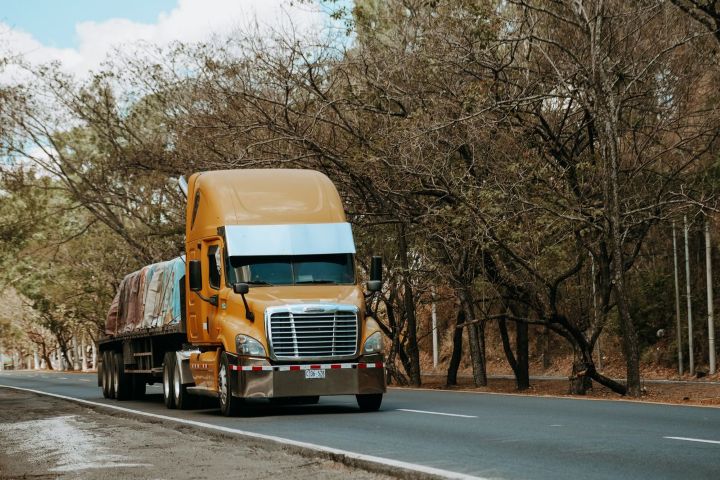
You’re driving down the highway behind a commercial truck when something suddenly comes loose. Maybe it’s a box, a piece of equipment, or something much heavier. Whatever it is, it is now bouncing across the road directly into the path of traffic, and everyone behind the truck has to react.
That is what makes loose cargo so scary. Drivers are not expecting the road ahead to be blocked suddenly by something that was riding safely on a truck seconds earlier. At highway speeds, there may be very little room to slow down, change lanes, or even determine where the object is going next.
Those few chaotic seconds are what make lost load accidents especially dangerous. The truck may keep moving normally while the real danger unfolds behind it, potentially affecting vehicles several car lengths back.
Cargo does not need to look unstable when a truck leaves the loading area for something to go wrong later. Straps can be improperly tightened, tie-downs can fail, and equipment used to secure a load can wear out or break. A load that seemed stable at low speeds may behave very differently on the highway.
The way cargo is arranged matters too. Poorly distributed weight can shift when the truck turns, brakes, or hits a rough stretch of pavement. Overloading can create additional problems by putting more stress on the truck and the equipment that is supposed to keep everything in place. Gauge Magazine’s explanation of how negligent loading leads to truck accidents covers the dangers associated with overloading, uneven weight distribution, and unsecured freight.
Sometimes the problem starts before the driver ever gets behind the wheel. A loading mistake, missed inspection, or improperly secured item can travel for miles unnoticed. It takes only one failure for that cargo to become everybody else’s problem.
Imagine seeing a large object fall from a truck two or three car lengths ahead. There is no warning sign telling you which direction it will bounce. There is no time to choose the safest move calmly. You hit the brakes, steer away, or do some combination of both and hope everyone around you reacts too.
That creates danger beyond simply hitting the cargo. A driver who swerves may enter another lane and strike a vehicle that never saw the object. Someone who brakes hard may avoid the debris but get hit from behind. Other drivers may then react to those crashes, creating an even larger chain-reaction collision.
The original truck does not have to strike anyone. One object landing in moving traffic can force several drivers into split-second decisions, and each reaction can create another opportunity for a collision.
After cargo comes off a truck, an obvious question is who was supposed to make sure it stayed there. The answer is not always simply the person driving. Commercial loads can pass through several hands before the truck reaches the highway, and different people or businesses may have responsibilities along the way.
For commercial motor vehicles operating in interstate commerce, the FMCSA cargo-securement rules require cargo to be immobilized or secured so it does not shift or fall from the vehicle. The motor carrier and driver are generally responsible for ensuring that cargo aboard the vehicle is properly loaded and secured, even though federal rules do not require the driver to load, block, brace, or tie down every shipment personally.
A driver may be responsible for inspecting accessible cargo and securement equipment before and during a trip, subject to exceptions for certain sealed loads or cargo that is impractical to inspect. A trucking company also has responsibilities involving its vehicles, equipment, procedures, and employees.
In other situations, a warehouse, shipper, loading contractor, securement-equipment provider, or another company may have contributed to the failure. Whether that party is legally responsible depends on who controlled the loading process, what duties applied, what failed, and whether that failure caused the accident.
That is why determining responsibility usually requires more than looking at who was driving. Gauge Magazine’s commercial truck accident liability guide explains how evidence may point toward a driver, motor carrier, cargo loader, maintenance provider, or equipment manufacturer. The important questions are what failed and who controlled that part of the process before the cargo came loose.
Once the road is cleared, some of the best clues about what happened can disappear with it. Photos of the cargo, broken straps, damaged equipment, anchor points, and where everything landed can help show how the load came off the truck. Nearby traffic cameras, business surveillance systems, or dashcams may have captured the event itself.
Paperwork can matter just as much. Loading records, bills of lading, weight tickets, inspection information, cargo documents, driver records, and equipment-maintenance records may help establish who handled the load and what happened before the truck started moving. Witnesses can also provide details that are not obvious from vehicle damage alone.
Even the condition of the cargo and securement equipment can reveal something important. A broken strap or anchor point tells a different story from cargo that appears never to have been tied down correctly. Those details can help turn a confusing highway crash into a much clearer sequence of events.
A truck does not have to crash into another vehicle to leave a dangerous situation behind it. Once cargo falls into moving traffic, every driver approaching it suddenly has a problem. Some may brake, others may swerve, and someone farther back may not see the danger until traffic is already piling up.
What looks like a simple case of something falling off a truck can also raise surprisingly complicated questions. How was it loaded? What secured it? Was the equipment inspected? Who handled the cargo before the trip? The answers can point in very different directions.
That is why lost load accidents often require a closer look at what happened before anything landed on the roadway. The collision may happen in seconds, but the mistake that set everything in motion could have happened hours earlier.
The post When the Truck Keeps Going but the Cargo Doesn’t appeared first on Gauge Magazine.