

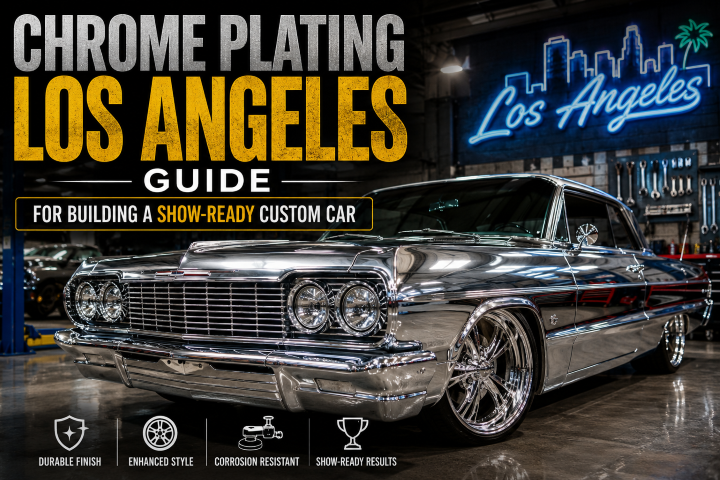
Building a show-ready custom car requires much more than an impressive paint job and a powerful engine. The smallest exterior details can determine whether a vehicle looks professionally finished or simply modified. Chrome plating is one of the most effective ways to give classic, luxury, and custom vehicles a polished appearance that stands out at shows and events.
From bumpers and grilles to trim pieces and custom hardware, professionally plated components can transform the overall character of a vehicle. However, achieving a high-quality finish requires careful preparation, material selection, and ongoing maintenance.
At a car show, presentation is everything. Judges and enthusiasts often examine details that might go unnoticed on an everyday vehicle. Dull trim, damaged bumpers, or mismatched finishes can distract from an otherwise impressive build.
Chrome creates a highly reflective surface that complements polished wheels, detailed engine bays, and premium paintwork. For restoration projects, it can also help return vintage components to an appearance closer to their original condition.
Owners researching Chrome Plating Los Angeles services should therefore consider more than appearance alone. The quality of surface preparation and the plating process can influence the durability, consistency, and final look of each component.
Not every component needs a chrome finish. Too much chrome can overwhelm the vehicle’s design rather than enhance it. The goal should be to identify parts where the reflective finish adds contrast and visual interest.
Common candidates include bumpers, grilles, door handles, mirror housings, emblems, exhaust tips, trim pieces, brackets, and selected engine components. Classic cars may require restoration of original chrome parts, while custom builds may use plating strategically to highlight unique fabrication.
Before sending components for plating, consider how each piece will interact with the vehicle’s paint, wheels, interior details, and other finishes. Also confirm whether the plating shop can properly handle the component’s substrate, since steel, aluminum, brass, zinc die-cast parts, stainless steel, and plastic components may require different preparation and finishing processes.
A beautiful chrome finish begins long before the final plating stage. Scratches, corrosion, dents, and imperfections in the underlying component can affect the finished appearance.
Parts may need to be stripped of previous coatings before being cleaned, repaired, polished, and prepared for plating. This preparation is particularly important when restoring older vehicle components that have accumulated decades of rust or surface damage.
The U.S. Environmental Protection Agency’s technical description of chromium electroplating identifies polishing, grinding, and degreasing as common pretreatment steps for metal parts. This helps explain why the condition and preparation of the underlying surface have such a significant effect on the finished appearance.
If a part requires significant restoration, discuss its condition with the plating specialist beforehand. In some situations, repairing or replacing severely damaged components may be more practical than attempting extensive restoration.
A show-ready custom car should look cohesive from every angle. Chrome should support the vehicle’s design language rather than appear as an unrelated addition.
For example, a classic restoration may benefit from bright chrome bumpers, window trim, and factory-style hardware. A modern custom build might use chrome more selectively alongside painted, brushed, or polished metal surfaces.
It is also worth comparing all finished components before final assembly. Differences in shine or condition become especially noticeable when similar pieces sit next to each other.
One common mistake is leaving plating until the final stages of a custom-car project. Restoration and plating can take time, particularly when components require repairs or extensive preparation.
Identify chrome components during the planning stage and remove them early when possible. This gives the plating process enough time without delaying final vehicle assembly.
Early planning also reduces the risk of damaging freshly painted body panels while repeatedly installing and removing trim pieces.
Freshly finished components should be handled carefully. Scratches, fingerprints, improper tools, and overtightened hardware can damage an otherwise flawless part.
Use clean gloves during installation and protect nearby painted surfaces. New fasteners, clips, seals, or mounting hardware may also be worthwhile when old components are worn or corroded.
Take time during final assembly. A perfectly finished component installed poorly can undermine the attention to detail that separates a show car from an ordinary custom build.
Chrome still requires regular care after installation. Dust, road grime, moisture, and environmental contaminants can gradually reduce its shine.
Wash chrome components using gentle automotive cleaning products that are compatible with the specific plated finish and soft microfiber towels. Avoid aggressive abrasives unless they are specifically approved for that finish. Drying the surfaces after washing can also help minimize water spots.
For vehicles stored between shows, keeping the car clean, dry, and protected from excessive humidity can help preserve both chrome and other detailed surfaces.
Chrome plating can become one of the defining visual elements of a custom vehicle when it is incorporated thoughtfully. The best results come from choosing appropriate components, preparing them properly, maintaining a consistent design, and allowing enough time for professional finishing.
A show-ready build is ultimately judged by the complete package. When paint, wheels, interior details, mechanical components, and chrome finishes work together, even small details contribute to a vehicle that looks carefully planned and professionally executed.
The post Chrome Plating Los Angeles Guide for Building a Show-Ready Custom Car appeared first on Gauge Magazine.