
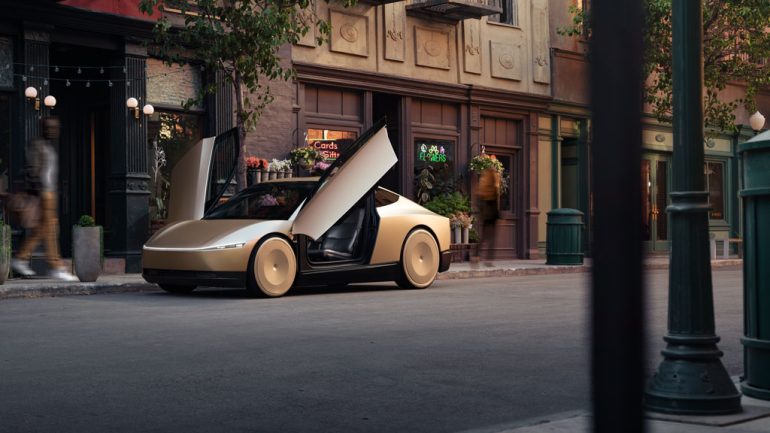
Tesla’s futuristic Cybercab has barely started rolling around Austin, Texas, and it is already attracting attention from federal safety regulators. The purpose-built autonomous vehicle stands out because it does away with some of the most basic equipment drivers have expected for more than a century, including a steering wheel, accelerator pedal, brake pedal, and conventional mirrors. That radical design is part of Tesla’s vision for a driverless transportation future, but it has also prompted the National Highway Traffic Safety Administration, better known as NHTSA, to take a closer look at how the Cybercab complies with existing federal safety rules.
The central issue involves Tesla’s certification that the Cybercab complies with all applicable Federal Motor Vehicle Safety Standards, or FMVSS. That wording matters because many federal vehicle standards were written around the assumption that a human being would be sitting behind the wheel. NHTSA has opened an Audit Query to examine the technical and certification information Tesla relied upon, including whether the automaker determined that certain standards simply do not apply to a vehicle designed without traditional driver controls. The review reportedly covers nearly 1,000 Cybercabs and could help establish how regulators approach a new generation of vehicles built specifically for autonomous operation.
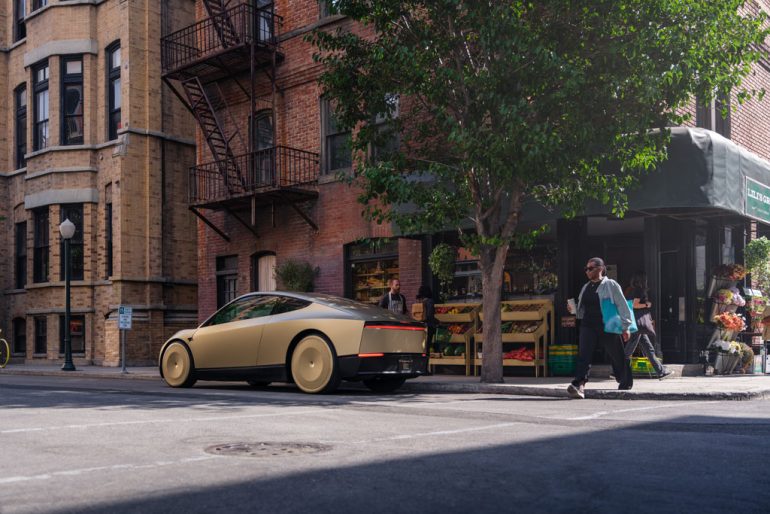
Tesla’s Cybercab represents a particularly interesting regulatory challenge because the federal certification system largely puts the initial responsibility on automakers. Manufacturers certify that their vehicles meet applicable safety standards before selling or deploying them, while NHTSA has the authority to investigate potential compliance problems, conduct testing, request documentation, and ultimately pursue recalls or other enforcement actions. In this case, the agency appears focused less on an allegation of a specific mechanical defect and more on whether Tesla’s interpretation of existing regulations was appropriate when it certified a vehicle that intentionally removes equipment traditionally required for human driving.
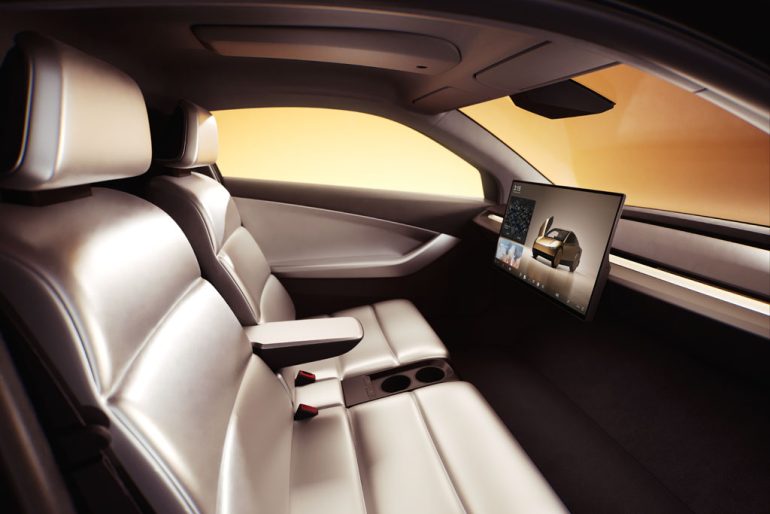
For Tesla, the scrutiny comes at an important moment. The company has positioned autonomous driving and robotaxis as major pieces of its future business, and the Cybercab is arguably the clearest physical representation of that strategy yet. Limited Cybercab rides have begun in Austin, putting the unusual two-seat vehicle into public view while Tesla works toward a much broader autonomous ride-hailing network. Removing the steering wheel and pedals could eventually make sense for a genuinely driverless vehicle, but getting from today’s regulations to that future is not as simple as deleting familiar controls. Automakers still have to demonstrate that vehicles meet federal requirements or successfully establish why certain requirements should not apply.
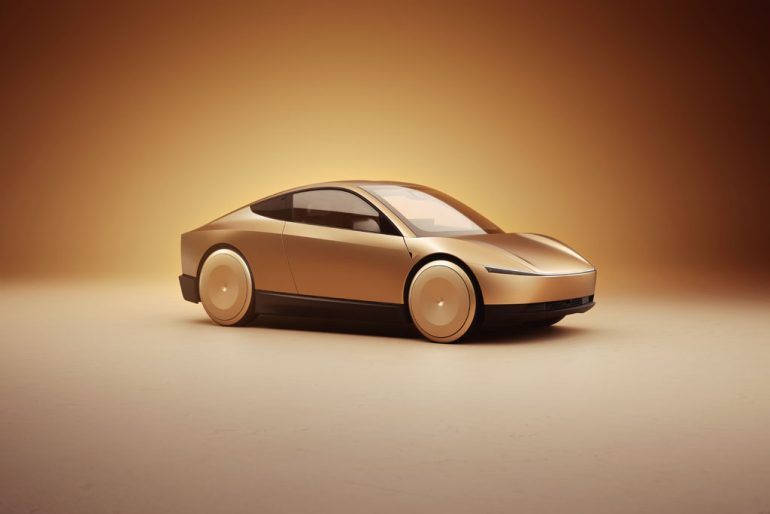
There is no indication at this point that NHTSA has ordered Tesla to remove Cybercabs from the road, and the opening of an investigation does not itself mean the vehicles are unsafe or improperly certified. What it does mean is that Tesla may have to explain in much greater detail how it reached its compliance conclusions. Federal automotive investigations can also move slowly, particularly when complicated technology and regulations are involved. Still, the Cybercab review could prove significant well beyond Tesla. If fully driverless vehicles without steering wheels and pedals are going to become common on American roads, regulators and manufacturers will eventually need a much clearer framework for determining exactly which safety standards still apply and how autonomous machines should be certified in the first place.