

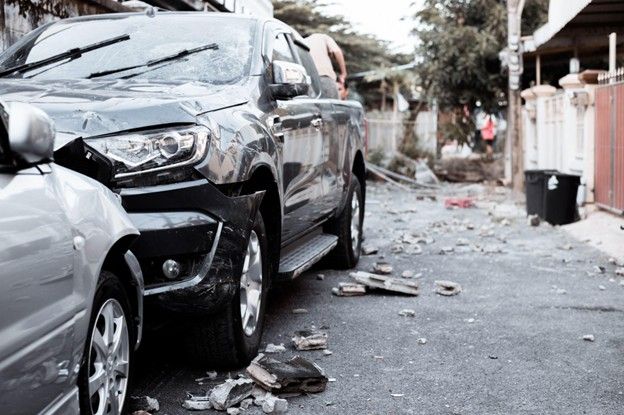
A car accident claim often comes down to one simple question: Can you prove what happened? Insurance companies rarely rely on a driver’s account alone, and memories can fade faster than most people expect after a crash. In Milton, Massachusetts, missing photographs or unrecorded witness information can make it harder to document what happened and what the collision caused.
The type of car accident evidence in Milton gathered during the hours and days after a crash can shape the entire claim. That is why many injured people talk to a car accident lawyer in Milton before making detailed statements or attempting to resolve a disputed claim.
An injured driver generally has the responsibility of proving another party’s fault, the injuries involved, and the resulting losses. Insurance adjusters evaluate whether a claim is covered and how much the insurer believes it owes under the policy and applicable law. Without solid proof, a claim can become a drawn-out dispute over fault, injury severity, medical treatment, or financial losses. This makes evidence the backbone of many car accident cases in Milton.
Massachusetts law adds another layer by requiring drivers to file an official report after certain crashes. Under Massachusetts General Laws Chapter 90, Section 26, a driver involved in a crash causing injury, death, or damage exceeding $1,000 to any one vehicle or other property must submit a written report to the Registrar within five days and send a copy to the police department with jurisdiction over the location of the crash.
This Motor Vehicle Crash Operator Report is different from an investigating officer’s police report. Both can become part of the documentation connected to the collision, but filing the operator report does not necessarily replace other reporting, insurance, or notification requirements.
The minutes immediately after an accident matter because road conditions change and vehicles may be moved or towed within hours. Anyone who can safely do so should begin gathering information after addressing immediate safety concerns, contacting emergency services, and seeking necessary medical help.
Waiting even a day can mean losing details that could have supported the claim. Gauge Magazine’s guide explaining what to do immediately after a car accident provides additional steps for protecting your health and preserving information.
Photographs of the vehicles, their positions when safe to document, the surrounding road, traffic controls, skid marks, debris, and visible injuries can preserve details that words alone may not capture. Take wide photographs showing the entire scene as well as closer images of damage and relevant details.
Witness names and phone numbers matter because an uninvolved person may have observed details that the drivers missed. A police report may document the responding officer’s observations and statements provided at the scene, but the officer may not have witnessed the collision and the report does not automatically determine legal fault.
If a dash camera recorded the crash, preserve the original file and memory card when possible. Avoid relying only on a shortened or compressed social-media copy. Gauge Magazine’s guide to capturing and preserving clear dash cam footage explains why image quality and file management matter.
Strong evidence does more than establish that a crash happened. It can help determine how responsibility is divided between the drivers. Massachusetts follows a modified comparative-negligence rule under Massachusetts General Laws Chapter 231, Section 85.
Under that statute, an injured person’s negligence does not prevent recovery when it is not greater than the total negligence assigned to the parties from whom recovery is sought. In a typical two-driver case, this generally means a person can recover when they are no more than 50% at fault. Any damages awarded are reduced in proportion to that person’s percentage of responsibility.
Evidence that one driver ran a red light while another driver was speeding could affect the allocation of fault, but no single fact guarantees a particular result. Vehicle positions, traffic-signal timing, witness accounts, video, speed evidence, and the relationship between each action and the collision may all matter.
Insurance companies may request statements early, sometimes before an injured driver has gathered all available evidence. A person should understand who is requesting the statement, whether it will be recorded, and what cooperation their own insurance policy requires. Avoid guessing about distances, speeds, injuries, or events that you do not clearly remember. Evidence collected early can help create a more accurate account before important details are lost.
Car accident evidence in Milton does not necessarily sit and wait. Surveillance footage may be overwritten, witnesses can become difficult to locate, and vehicles may be repaired, sold, or destroyed after an insurance inspection.
Massachusetts General Laws Chapter 260, Section 2A generally provides a three-year period for filing tort actions, including many personal-injury lawsuits. Exceptions and different notice requirements can apply in certain cases, however, so the general three-year period should not be treated as a reason to delay.
Medical bills, repair invoices, towing charges, rental expenses, and lost-wage records should be saved from the start because financial losses normally require documentation. Keep original documents whenever possible and store digital copies in more than one secure location.
Anyone who suspects a nearby business, residence, vehicle, or traffic camera captured the crash should act quickly before the recording is erased. The owner of the footage may not be required to provide it directly upon an informal request, so legal assistance may be needed to send a preservation request or pursue the appropriate process.
Keeping a simple record of pain, physical limitations, missed workdays, and medical appointments can also help preserve a timeline. The record should be accurate, dated, and consistent with the information given to medical providers.
A strong car accident claim rarely rests on one photograph or document. It is usually built from photographs, videos, reports, medical records, financial documents, witness information, and other details that together explain what happened and what the collision cost.
The drivers who enter the claims process in the strongest position are often the ones who treat evidence as something to protect from the first day, not as an afterthought handled weeks later. What happens on the road in Milton may be outside anyone’s control, but what gets documented, photographed, and preserved afterward is not.
This article provides general information and is not legal advice. Legal deadlines and requirements can depend on the facts of a particular case.
The post Car Accident Evidence in Milton: What to Gather to Protect Your Legal Rights appeared first on Gauge Magazine.