

What to actually weigh before choosing a Jeep for off-roading, from trim differences to the upgrade path that follows.
A Jeep is one of the easiest vehicles to turn into a capable off-road rig, but “which Jeep” is a more complicated question than it looks. Trim level, drivetrain, and even model year all affect how much work a build actually needs. Once you’ve chosen the right platform, the next step is figuring out where to source compatible upgrades and replacement components. Whether you’re shopping locally or researching the Jeep parts Canada has to offer, confirming fitment for the exact model, year, trim, powertrain, and intended use can prevent expensive mistakes later in the build.
The biggest planning mistake is buying based on looks or brand loyalty rather than actual use. A Jeep that mostly sees weekend trail runs within a few hours of home has very different priorities than one built for extended overlanding trips or dedicated rock crawling. Writing down the two or three things you’ll realistically do most often narrows the trim and drivetrain decision considerably before you even start comparing individual vehicles.
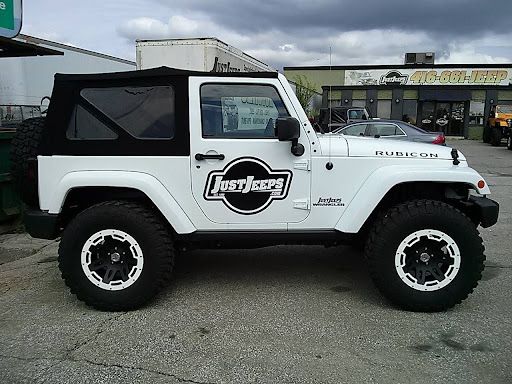
Think about how much time the Jeep will spend on pavement, how many passengers and how much cargo it needs to carry, and whether you expect to encounter mud, sand, snow, rocks, or narrow wooded trails. Those answers matter more than choosing the most aggressive-looking trim on the lot.
Not every Jeep trim is equally suited to serious off-road use, even within the same model generation:
Do not assume that every higher-priced trim includes the same off-road hardware. Check the original window sticker, build sheet, owner’s manual, and specifications for the exact model year and vehicle identification number before buying.
| Factor | New Jeep | Used Jeep |
|---|---|---|
| Upfront cost | Generally higher | Generally lower |
| Warranty coverage | New-vehicle warranty subject to its terms | Remaining factory or dealer coverage varies by age and mileage |
| Prior modification history | Usually a clean starting point | Modifications and installation quality require inspection |
| Depreciation | Usually greatest during the first few years | Some early depreciation has already occurred |
| Availability of trail-ready trims | Depends on the current lineup and inventory | Depends on the vehicles currently listed for sale |
A used Jeep with a documented maintenance history and no hidden off-road damage can be the better value, but it requires more due diligence before buying. Frame condition and prior modifications that may not have been installed correctly deserve particular attention.
The broader pros and cons of buying a used vehicle are also worth reviewing before deciding whether lower upfront cost outweighs warranty coverage and the certainty of starting with an unmodified vehicle.
A common mistake is spending the entire budget on the vehicle purchase and treating upgrades as an afterthought. Some builders reserve 20 to 30 percent of their overall budget for the first round of upgrades, but there is no percentage that works for every build. The right amount depends on the Jeep’s condition, the planned terrain, labor costs, and how much equipment it already has.
At minimum, price the tires, recovery gear, basic protection, maintenance, and any suspension changes you know the vehicle will need before deciding how much you can spend on the Jeep itself. Buying a slightly less expensive vehicle to preserve that upgrade budget is often a better outcome than maxing out the purchase price and having nothing left for the equipment that will make the vehicle more suitable for the trail.
If you’re going the used route, a few checks matter more than a general test drive:
A vehicle-history report is helpful, but it cannot reveal every unreported repair or poorly installed modification. A pre-purchase inspection by a technician familiar with modified Jeeps can uncover problems that a general walkaround may miss.
Once the vehicle is chosen, most owners follow a similar upgrade sequence: tires first, since they can provide a major traction improvement, followed by a modest suspension lift if larger tires are planned, then armor and recovery gear before serious trail use.
Gauge Magazine’s guide to upgrading a Jeep for outdoor travel covers tires, suspension, cargo storage, lighting, recovery equipment, and other areas that may help shape that first round of modifications.
Resisting the urge to buy every upgrade at once and instead sequencing purchases around actual trail experience tends to produce a better-built, better-understood vehicle than a rushed, all-at-once build. Confirm the fitment and effects of each modification before ordering, especially when combining larger tires, suspension components, different wheel offsets, and altered axle gearing.
A typical dealer test drive rarely tells you much about off-road capability because it is usually limited to paved roads. With the seller’s permission, use a legal and low-risk gravel road or uneven surface to get a feel for visibility, low-speed pedal response, steering, and suspension behavior.
Do not take a dealer’s or private seller’s vehicle onto an off-road trail without express permission. For a used Jeep, an independent inspection is still more reliable than deliberately subjecting the vehicle to rough terrain during a test drive. A short paved drive can miss suspension wear or steering play, but a qualified technician can inspect those components safely while the vehicle is on a lift.
Before heading beyond pavement after the purchase, build recovery and communication equipment into the plan. Gauge Magazine’s off-road convoy communication gear checklist explains why radios, satellite devices, backup power, and a shared communication plan belong alongside the tow straps and recovery points.
Within comparable Wrangler generations, two-door models generally have shorter wheelbases, which can help with breakover angle and maneuverability on technical terrain. Four-door models offer more cargo and passenger space for longer trips. Neither is objectively better; the right choice depends on the intended use.
This varies widely, but buyers should obtain real prices for tires, recovery equipment, maintenance, armor, installation, alignment, and any planned suspension work before selecting the vehicle. Reserving part of the total budget is more realistic than assuming every stock Jeep is ready for the intended terrain.
Well-maintained older models can be excellent off-road platforms. Some have fewer electronic systems and may be easier for an experienced owner to diagnose, while newer models can offer additional traction aids, safety systems, comfort, and powertrain options. Condition, maintenance history, parts availability, and build quality matter more than age alone.
The post What to Consider Before Choosing a Jeep for Your Next Off-Road Adventure appeared first on Gauge Magazine.