
An extraordinary chapter in Volkswagen Group history has officially come to a close. Porsche completed the sale of its ownership stakes in Bugatti Rimac and Rimac Group on September 9, ending the German automaker’s direct financial involvement with Bugatti and Rimac. The transaction transfers Porsche’s holdings to an investor consortium led by New York-based HOF Capital, with BlueFive Capital among the major investors. Rimac Group remains the controlling shareholder of Bugatti Rimac with a 55 percent stake, placing the future of one of the world’s most exclusive automotive brands firmly within the Rimac-led organization.
The moment carries considerably more weight when viewed through Bugatti’s modern history. Volkswagen Group acquired the rights to the Bugatti name in 1998 under Ferdinand Piëch, who had no intention of simply creating another luxury brand to sit alongside Bentley and Lamborghini. Piëch wanted Bugatti to represent the absolute limit of what a road car could achieve, an ambition that eventually produced the Veyron. With roughly 1,000 horsepower, four turbochargers, 16 cylinders, and performance that seemed almost unbelievable when it arrived, the Veyron established the formula that would define the reborn Bugatti for decades.
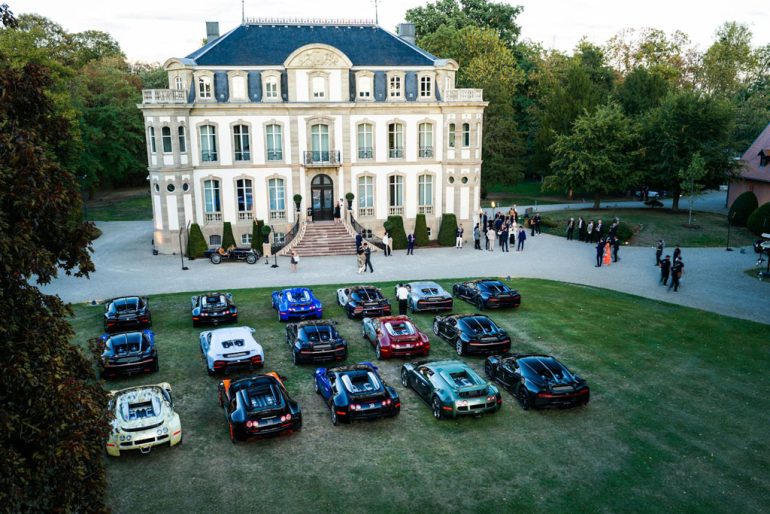
The relationship began changing dramatically in 2021 when Porsche and Rimac established Bugatti Rimac. Rimac Group owned 55 percent of the joint venture while Porsche held 45 percent, and Porsche also maintained a separate stake of roughly 21 percent in Rimac Group. Pairing Bugatti’s combustion-engine expertise, craftsmanship, and history with Rimac’s deep knowledge of batteries, electric motors, and high-performance electrification seemed like an obvious path toward an electric Bugatti. Instead, Mate Rimac surprised much of the automotive world by preserving combustion as a central part of the brand’s next generation.
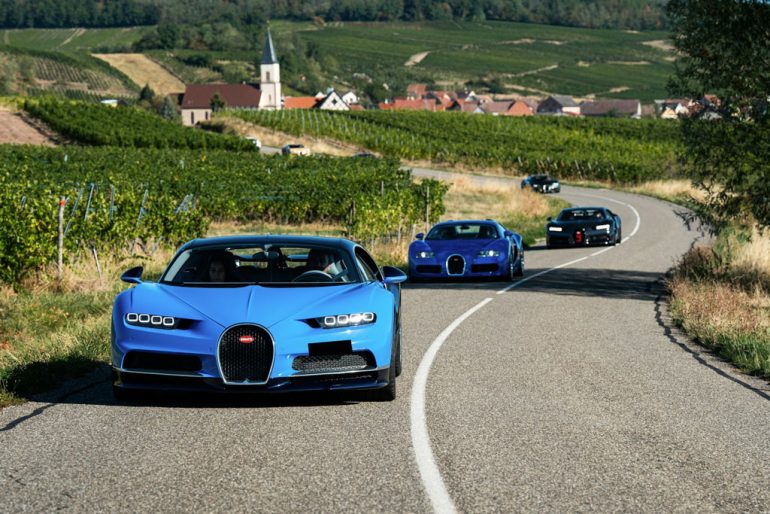
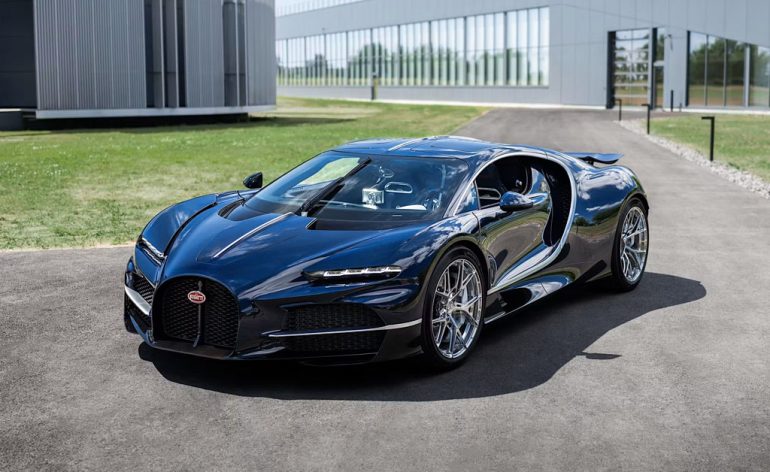
That strategy is embodied by the Bugatti Tourbillon. Rather than following the rest of the industry toward a purely battery-electric flagship, Bugatti developed a naturally aspirated V16 engine supported by a sophisticated hybrid system. The result keeps the theatrical character expected from a Bugatti while using electrification to take performance even further. With Porsche now gone from the ownership structure, Mate Rimac becomes an even more important figure in Bugatti’s direction. He continues as CEO of Bugatti Rimac and has taken on the role of president of Bugatti Automobiles as the company moves into this new ownership era.
For Porsche, selling its stakes is part of a broader effort to concentrate resources on its core sports car and SUV business, while Bugatti appears to have plenty of momentum of its own. The company has an extensive order book stretching well into the decade, and the Tourbillon gives it a spectacular centerpiece for what comes next. Volkswagen’s involvement helped transform Bugatti from a historic name into the modern hypercar benchmark, and Porsche played a critical role in handing that legacy into Rimac’s care. Nearly three decades after Piëch brought Bugatti into the Volkswagen orbit, that connection is finally over, but the wild engineering philosophy he helped establish looks set to live on.