

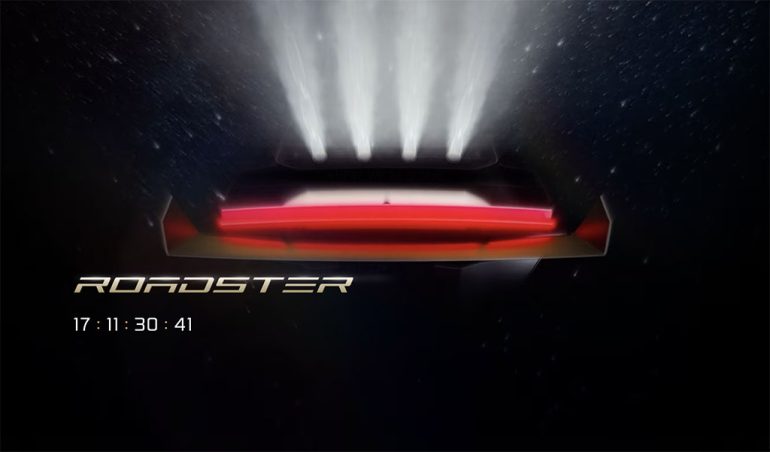
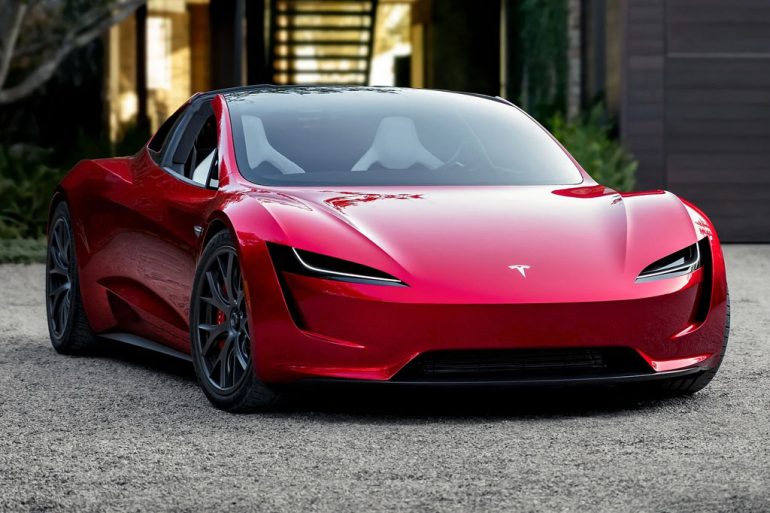
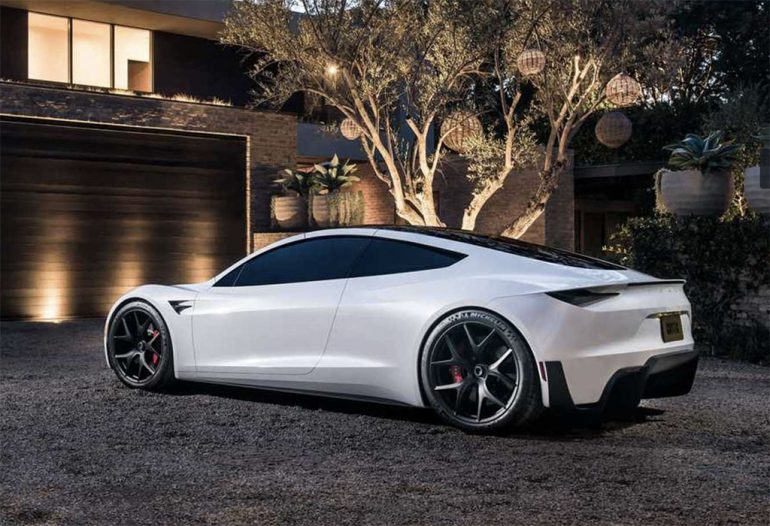
Tesla’s next-generation Roadster may finally be ready to step back into the spotlight. CEO Elon Musk has confirmed that Tesla plans to unveil the long-delayed electric sports car on October 1, 2026, following a teaser from the automaker declaring “Go for launch.” That date carries plenty of weight considering Tesla first showed the second-generation Roadster back in 2017 and originally targeted customer deliveries for 2020. After years of shifting timelines, changing priorities, and increasingly ambitious promises, the October event could finally show us what Tesla has actually built.
What makes this reveal especially interesting is how dramatically the Roadster appears to have evolved. Recent reporting indicates Tesla moved away from an earlier idea of using Model S Plaid hardware and instead developed the Roadster as a more exotic carbon-fiber hypercar. The most extreme version is expected to use cold-gas thrusters created with help from SpaceX engineers. Tesla has reportedly explored using those thrusters to do considerably more than improve acceleration, with development work centered on allowing the car to briefly lift or hover. Whether the October demonstration goes that far remains to be seen, but even a toned-down version would make this one of the strangest and most ambitious performance-car debuts in recent memory.
The reported setting could make the event even more unusual. Tesla has been preparing a Roadster demonstration in Texas near SpaceX’s McGregor test facility, where the company could safely show off technology that would be difficult to demonstrate at a conventional auto show. Earlier plans reportedly included a remotely operated SpaceX-equipped Roadster performing an elaborate stunt involving a specialized ramp before using its thrusters. Those plans may have changed, but they offer a good indication of just how far Tesla has moved from the relatively straightforward electric supercar concept we saw nearly nine years ago.
Screenshot
The Roadster reveal also arrives as Tesla places more attention on vehicles far removed from its familiar Model 3 and Model Y formula. The company recently began offering limited rides in its steering-wheel-free Cybercab in Austin, Texas, while Musk continues positioning autonomous transportation as a major piece of Tesla’s future. The Roadster serves a very different purpose. It is a halo car, an engineering showcase, and potentially Tesla’s answer to the growing number of electric hypercars pushing performance beyond traditional supercar territory. After such a long wait, though, the biggest question on October 1 will not simply be how fast the new Roadster is. It will be whether Tesla can turn its wildest promises into something customers can eventually buy.