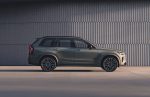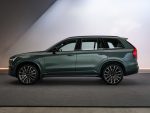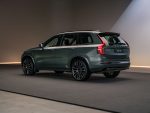


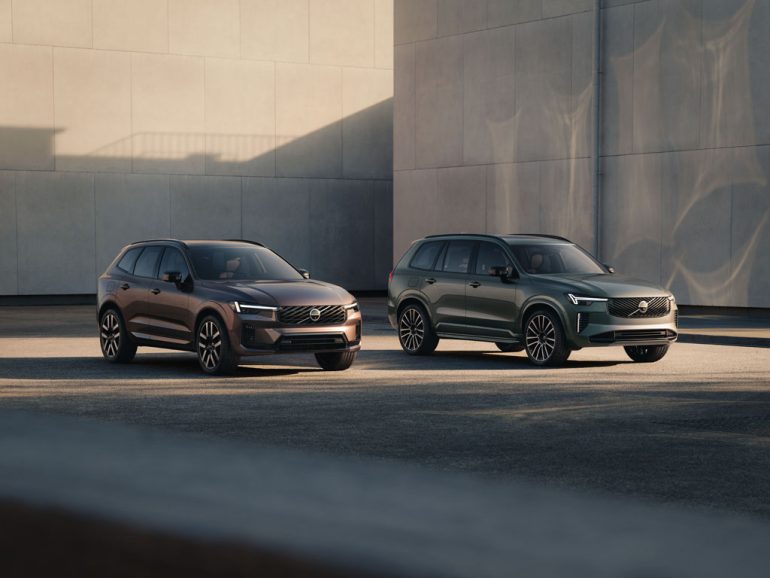
Volvo is making a compelling case for the plug-in hybrid with its updated 2028 XC60 and XC90, two familiar luxury SUVs that are about to become considerably more useful without gasoline. Both models receive a much larger battery for their T8 plug-in hybrid powertrains, pushing estimated electric driving range to an impressive 78 miles in the XC60 and 73 miles in the larger three-row XC90. Those numbers would put the pair among the longest-range plug-in hybrids offered in the United States, giving Volvo something of a head start as automakers look for a middle ground between conventional hybrids and fully electric vehicles.
At the heart of both T8 models is a turbocharged 2.0-liter four-cylinder engine working with a more powerful electric motor and a substantially larger battery pack. Total output remains a stout 455 horsepower and 523 lb-ft of torque, sent through an eight-speed automatic transmission with all-wheel drive. Volvo has increased usable battery capacity to 37.9 kWh, compared with roughly 15 kWh in the outgoing versions. That is a major jump, and it changes the role of these SUVs from plug-in hybrids that can handle a short commute electrically to vehicles that could realistically cover several days of normal driving without firing up the gasoline engine.
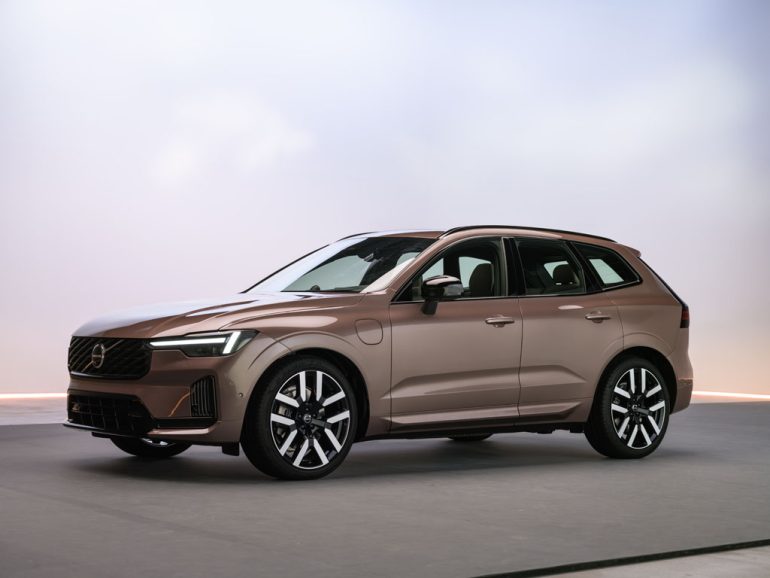
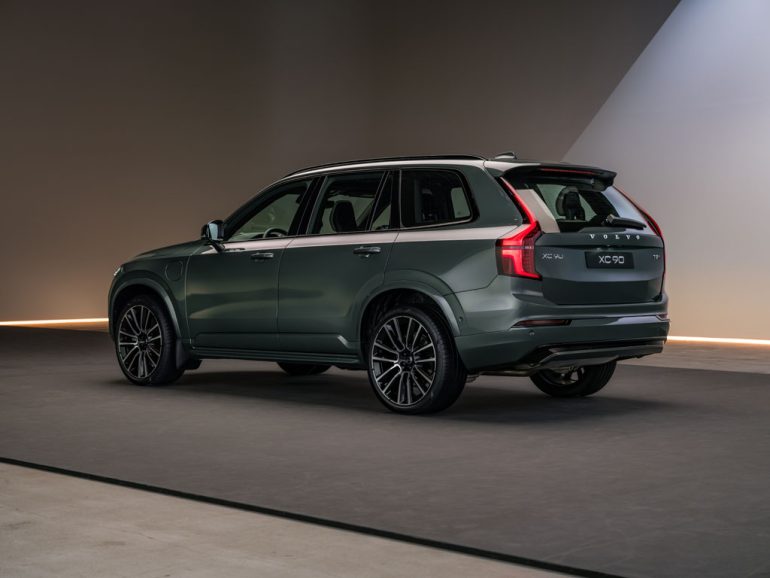
The smaller XC60 T8 is the range leader of the pair, with an estimated 78 miles of electric driving and the sort of performance that should keep anyone from confusing efficiency with sluggishness. Volvo says it can sprint from zero to 60 mph in about 4.5 seconds, impressive territory for a comfortable luxury crossover that weighs nearly 4,900 pounds. The XC90 T8 carries the same 455-horsepower output but has more vehicle to move, resulting in a claimed zero-to-60-mph time of roughly 5.0 seconds and a still-substantial 73 miles of electric range. Both are limited to a top speed of 112 mph. More importantly, these numbers mean many owners could handle routine commuting almost like they own an EV, while retaining the gasoline engine for road trips.
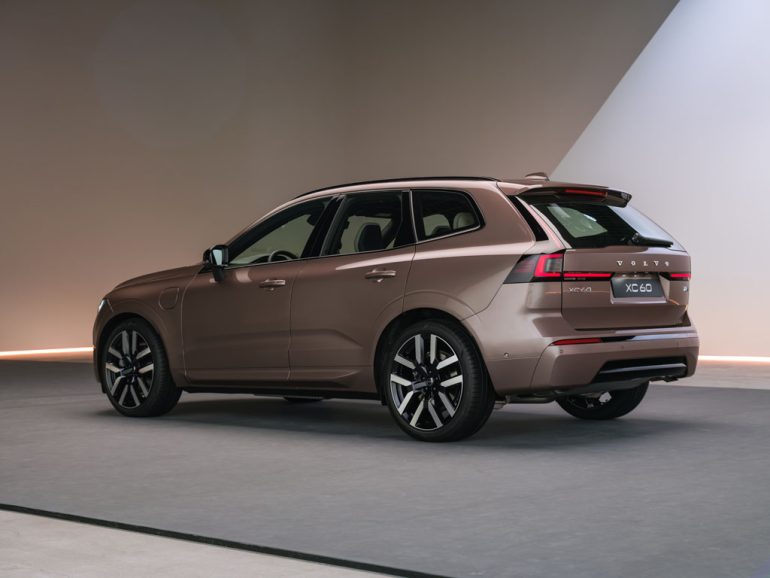
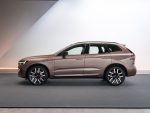
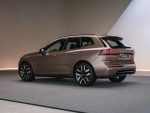
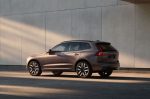
The XC60 also gets the more noticeable visual makeover for 2028. Volvo has revised nearly everything ahead of the A-pillars, including the hood, front fenders, grille, bumper and lighting. The familiar Thor’s Hammer LED daytime running lights have been modernized, and U.S. models gain matrix LED headlight technology designed to provide better illumination while reducing glare for other motorists. Changes around back include updated taillights, a revised liftgate and a cleaner rear bumper treatment. New 20- and 21-inch wheel choices and a Heather Bronze exterior color add some additional variety without disturbing the restrained Scandinavian appearance that has aged remarkably well.
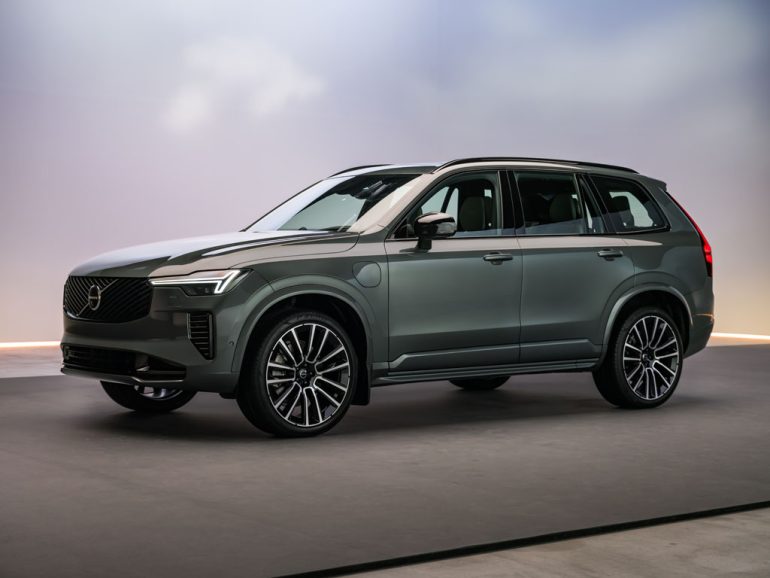
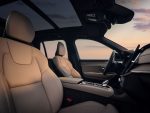
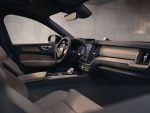
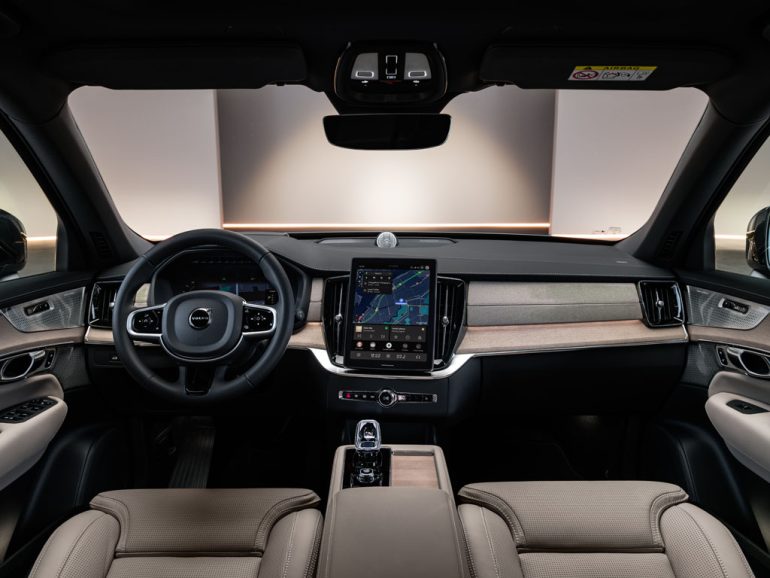
Inside, Volvo has avoided making unnecessary changes simply for the sake of calling the cabin new. The XC60 receives revised door panels, updated wood trim and a Cardamom-colored Nappa leather option, while its vertically oriented 11.2-inch touchscreen remains the focal point of the dashboard. Google-based infotainment gains Gemini integration, bringing more natural conversational voice controls into the vehicle. The XC90 also receives the updated Gemini-enabled infotainment experience on its 11.2-inch display. Considering Volvo refreshed the XC90 relatively recently, it does not receive the same degree of exterior surgery as the XC60, but the larger battery makes the 2028 update far more significant than its appearance might suggest.
Naturally, Volvo has also used the opportunity to expand its safety and driver-assistance technology. The XC60 receives additional computing power along with updated cameras, radar and surrounding sensors. Among the new features are automated emergency steering, enhanced Pilot Assist functionality with lane-change assistance and a warning system designed to alert occupants when a cyclist or vehicle is approaching before they open a door. An upgraded 360-degree camera can provide a three-dimensional view around the SUV to make tight parking situations easier. The XC90 continues with Volvo’s extensive suite of active safety technology as well, including systems capable of braking or helping steer the vehicle when a potential collision is detected.
For buyers who like the idea of an EV but still have reservations about relying entirely on charging infrastructure, the 2028 XC60 and XC90 could hit a particularly appealing sweet spot. The XC60’s 78-mile rating and XC90’s 73-mile figure are long enough to cover far more than the typical daily commute, yet a gasoline engine is still waiting when a 500-mile road trip comes up. Volvo has not announced final U.S. pricing for the new long-range T8 models, and the updated vehicles are expected to arrive during the 2028 model-year rollout. What is already clear is that Volvo is treating the plug-in hybrid as more than a temporary compromise. With this much electric range, the XC60 and XC90 may offer one of the more convincing arguments yet for drivers who want to live mostly like an EV owner without giving up the convenience of gasoline.