

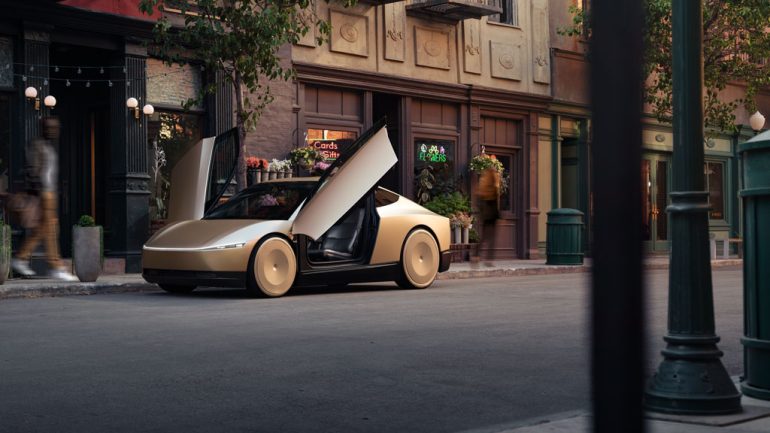
Tesla’s futuristic Cybercab is already facing a significant regulatory test just days after beginning limited commercial deployment in Austin, Texas. According to Reuters, the National Highway Traffic Safety Administration has ordered Tesla to answer a detailed series of questions about how the company certified the two-seat autonomous vehicle for use on public roads. Tesla has until September 30 to respond, with regulators particularly interested in how a vehicle without a conventional steering wheel, brake pedal, accelerator pedal, or mirrors was determined to comply with existing federal motor vehicle safety standards.
At the heart of NHTSA’s inquiry is a fairly basic question with complicated implications: can the Cybercab actually be driven by a human if necessary? The agency wants Tesla to explain whether temporary driver controls or other equipment were installed during the certification process, as well as whether occupants have access to touchscreen controls capable of moving or maneuvering the vehicle. Regulators are also asking about the Cybercab’s maximum speed and whether Tesla has placed geographical, time-of-day, or other operating restrictions on the vehicles currently in service.
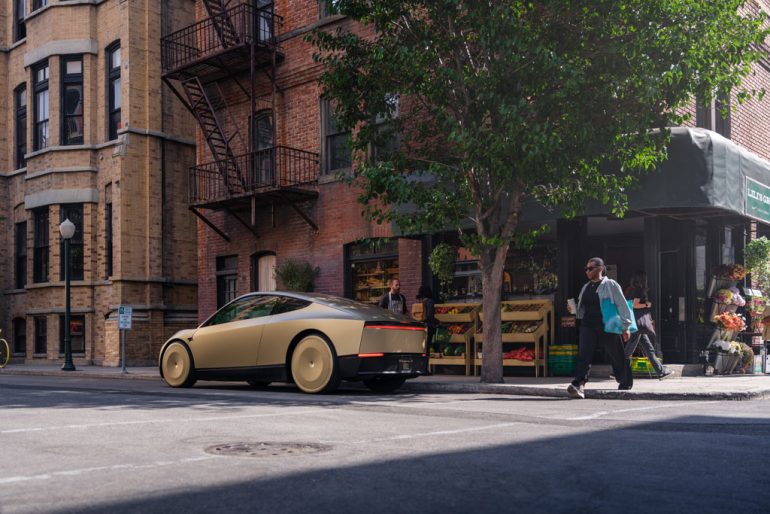
The timing makes the situation particularly interesting. Tesla began deploying a small number of Cybercabs commercially in Austin on September 3, with plans to gradually add more vehicles and expand into additional areas. The Cybercab is fundamentally different from the modified Model Y vehicles Tesla has previously used for its robotaxi efforts because it was designed from the start without traditional human driving controls. That minimalist approach is central to the vehicle’s appeal, but it also places the Cybercab in regulatory territory that federal safety rules were never originally written to accommodate.
NHTSA is already working to modernize some of those regulations. In June, the agency proposed eliminating the requirement for manually operated brake pedals in vehicles designed exclusively to be driven by automated driving systems. Other proposed changes address equipment such as windshield wipers, transmission controls, and rearview mirrors. The logic is easy enough to understand. If a vehicle is truly never intended to have a human driver, requiring hardware specifically designed for a human driver can seem unnecessary. The problem for Tesla is that proposed rules are not the same thing as finalized rules, and NHTSA has emphasized that the existing standards remain in force until those changes are completed.
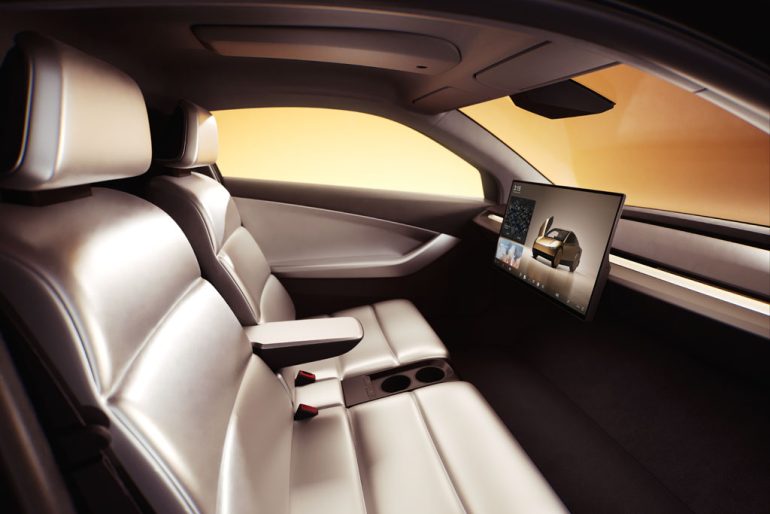
There is already a federal pathway for companies building unconventional autonomous vehicles. Manufacturers can seek exemptions that allow limited numbers of vehicles to operate without complying with every traditional requirement, provided they meet the applicable criteria. Amazon-owned Zoox took that route and received approval this summer for limited commercial use of its purpose-built robotaxis without conventional driver controls. NHTSA can permit up to 2,500 such vehicles per manufacturer each year under the relevant exemption process, which gives autonomous vehicle developers a way onto public roads while broader federal standards continue catching up with the technology.
For Tesla, the bigger issue now is explaining exactly how the Cybercab reached public roads under the company’s self-certification process. That does not mean NHTSA has determined the Cybercab is unsafe or that Tesla violated federal law. The agency is examining the technical information and reasoning Tesla used to certify compliance, and Tesla will now have to show its work. It is another example of how quickly autonomous vehicle technology is colliding with regulations written around cars that have steering wheels, pedals, mirrors, and, most importantly, a human sitting behind the wheel. The Cybercab may represent Tesla’s vision of transportation without a driver, but for now, Washington still wants answers about how that vision fits within the rules of the road.