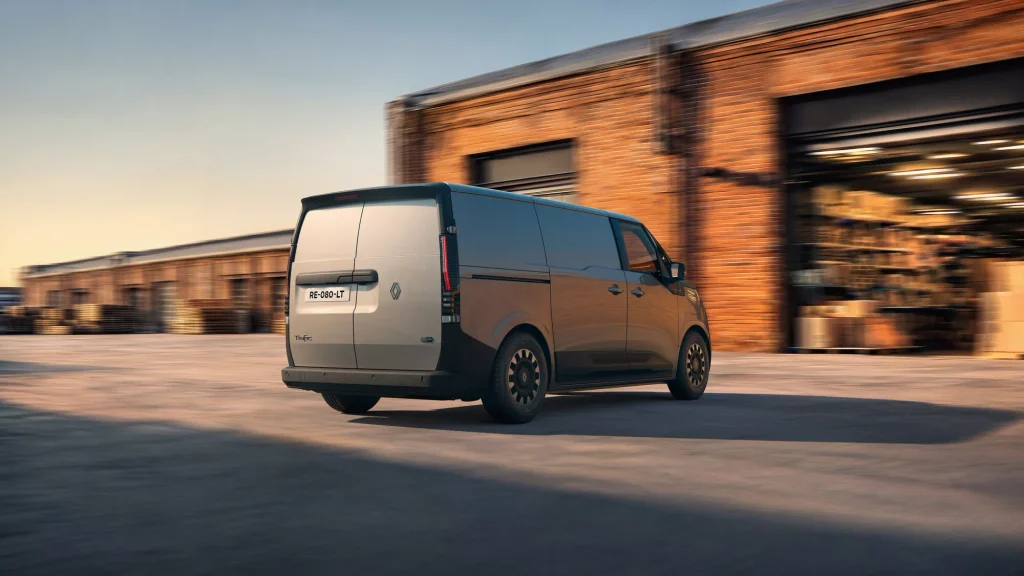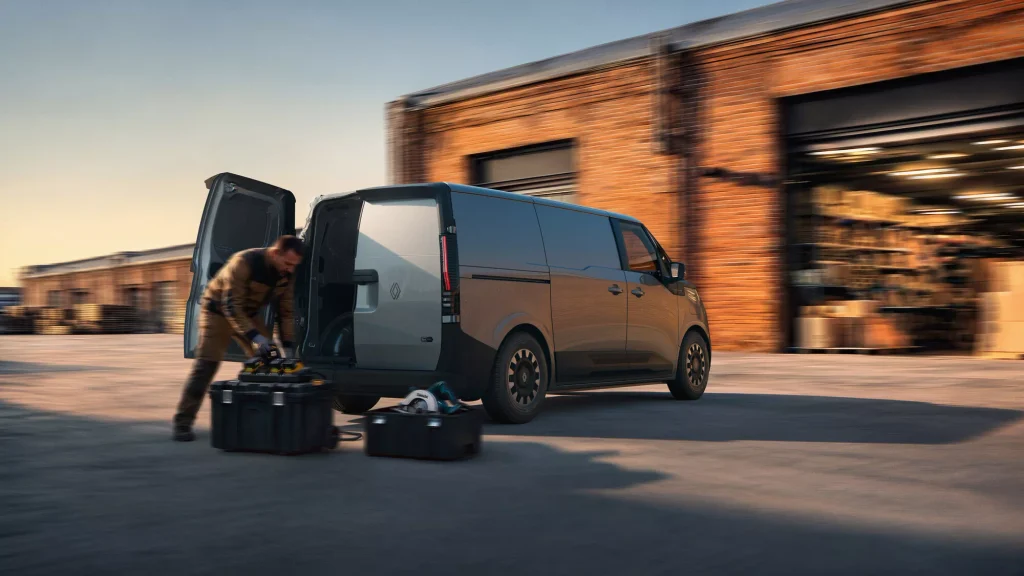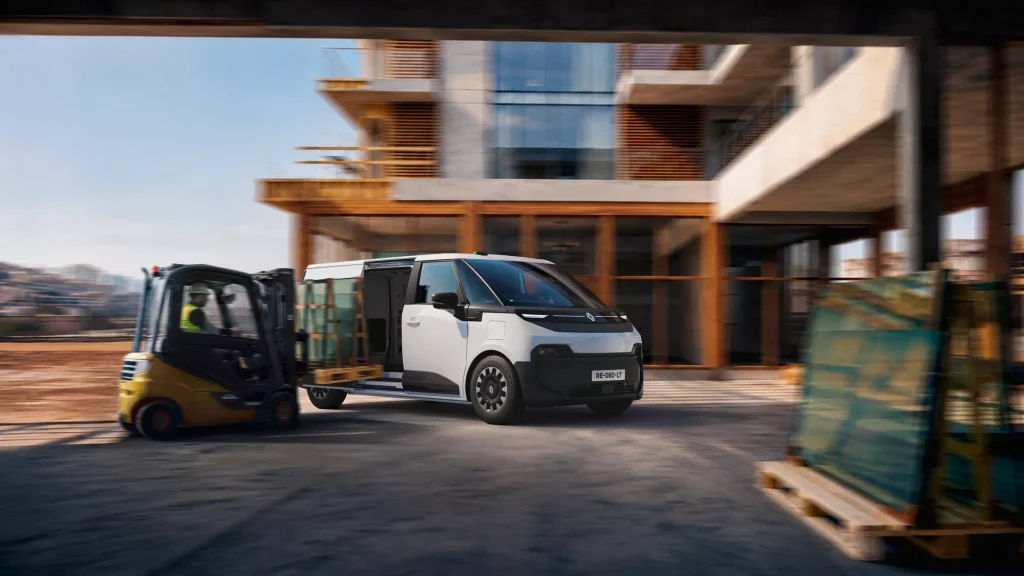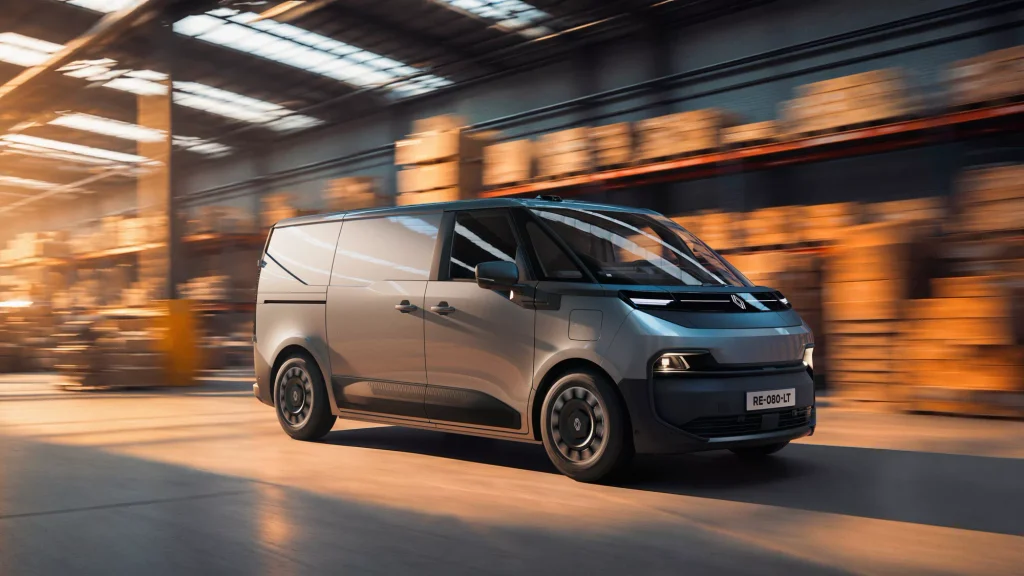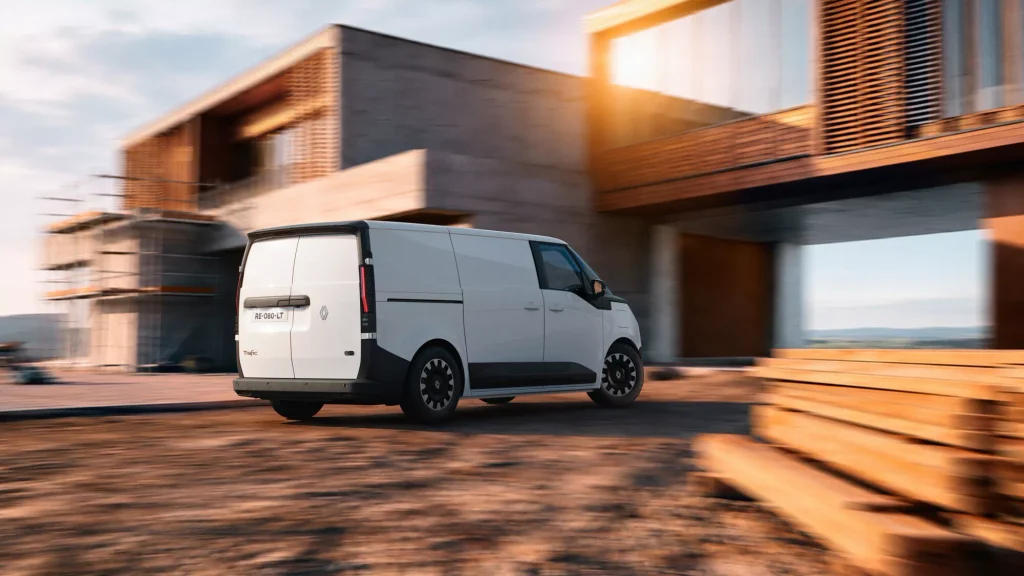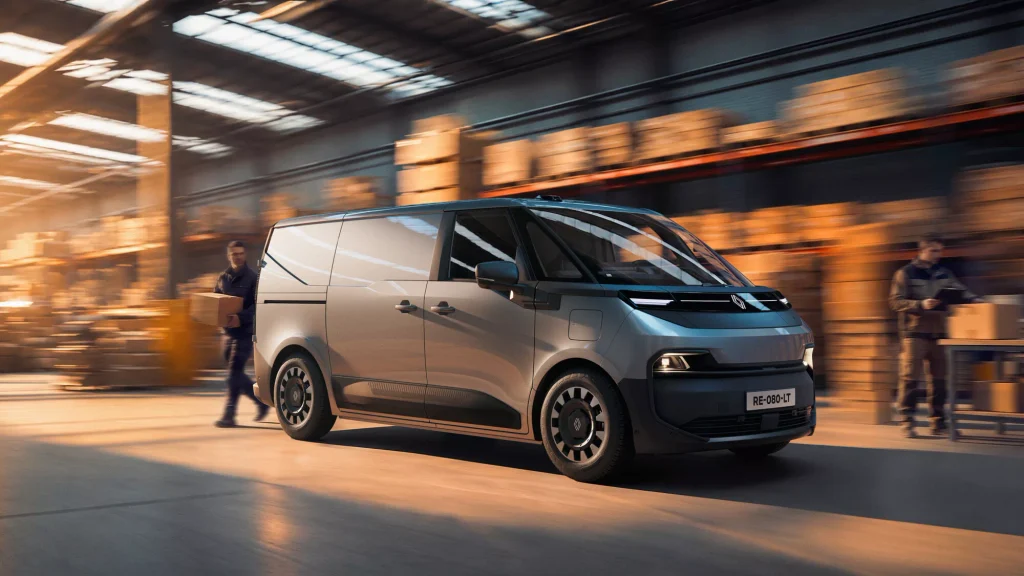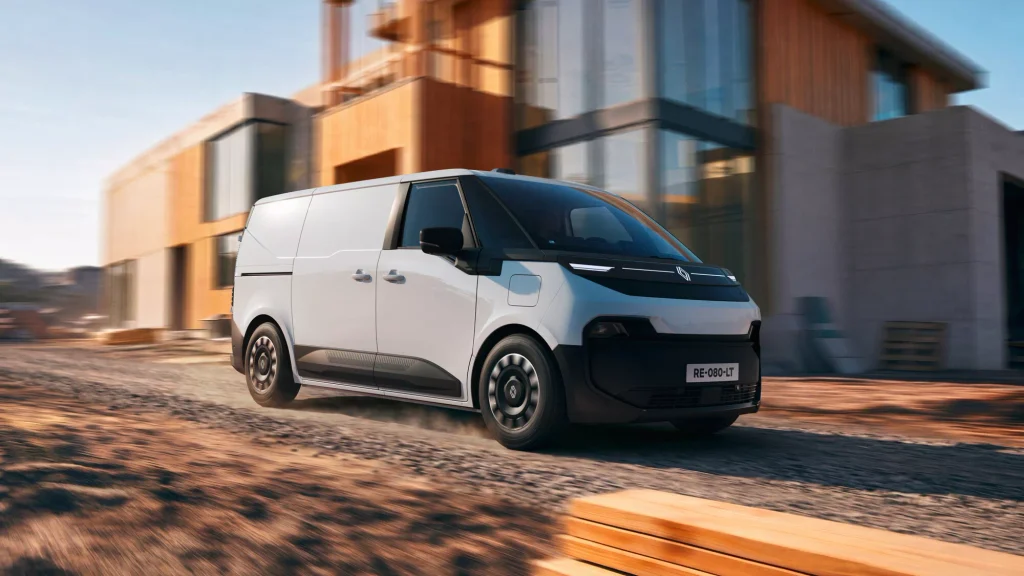

A delivery van with more than 470 km of electric range is useful. A van that can change what it does after you’ve bought it could be considerably more interesting.
Renault has presented the new Trafic Van E-Tech electric at IAA Transportation in Hannover, and this isn’t simply the familiar Trafic with a large battery underneath.
It represents the beginning of a new generation of Renault commercial vehicles. Five new LCVs are planned by 2028, with the Trafic arriving first. Panel-van versions are expected by the end of this year, followed by chassis-cab and crew-cab derivatives during 2027.
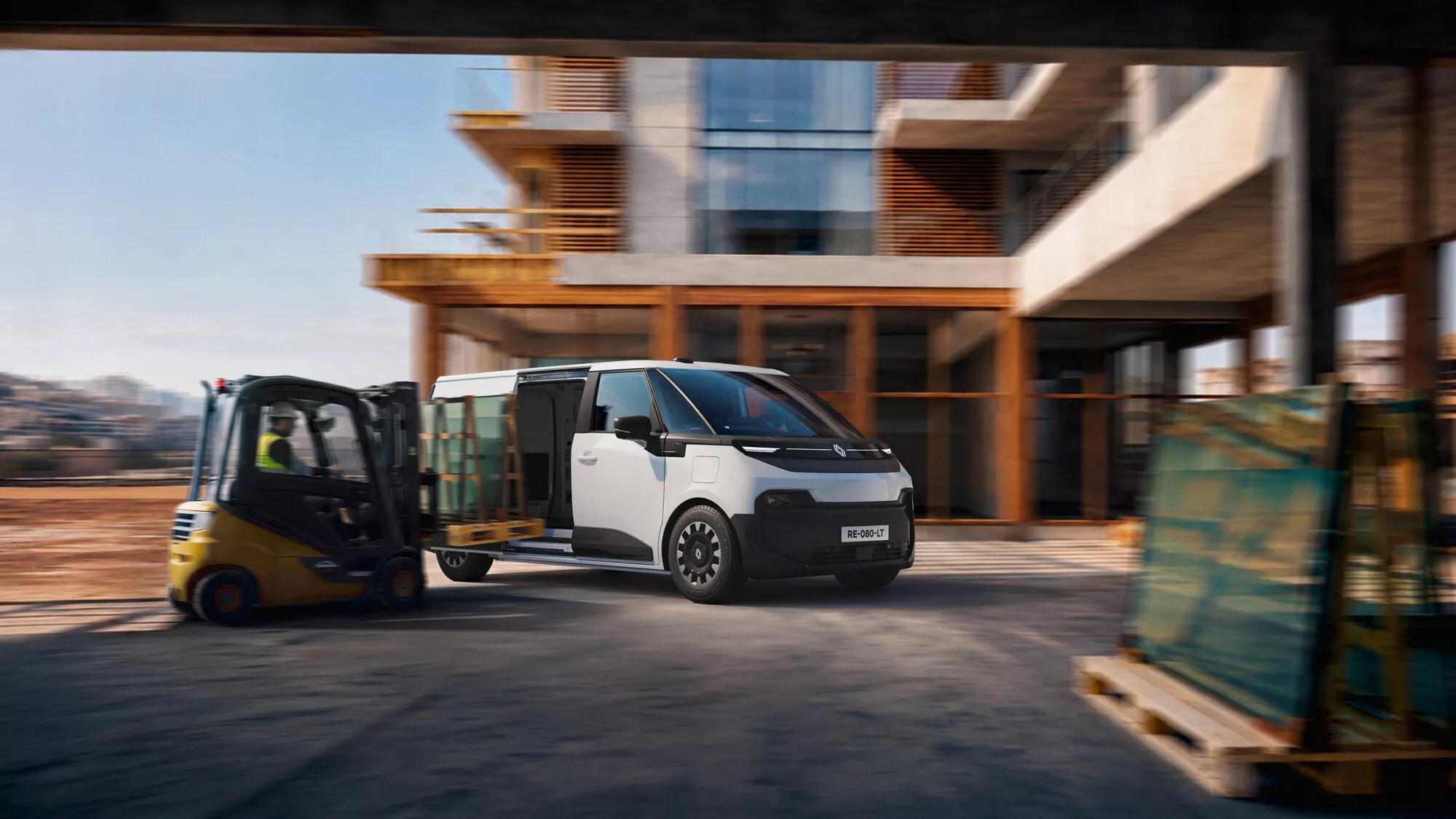
Renault claims more than 470 km of WLTP range, pending final homologation. That’s enough to make the usual “electric vans are only for short urban routes” argument considerably harder to make.
But range isn’t actually the most unusual number here. That would be 80.
A conventional modern vehicle can contain dozens of separate electronic control units, each responsible for different functions. Renault says the Trafic’s new software-defined architecture replaces 80 ECUs with two central supercomputers.
They’re running CAR OS, an Android-based automotive operating system developed with Google.
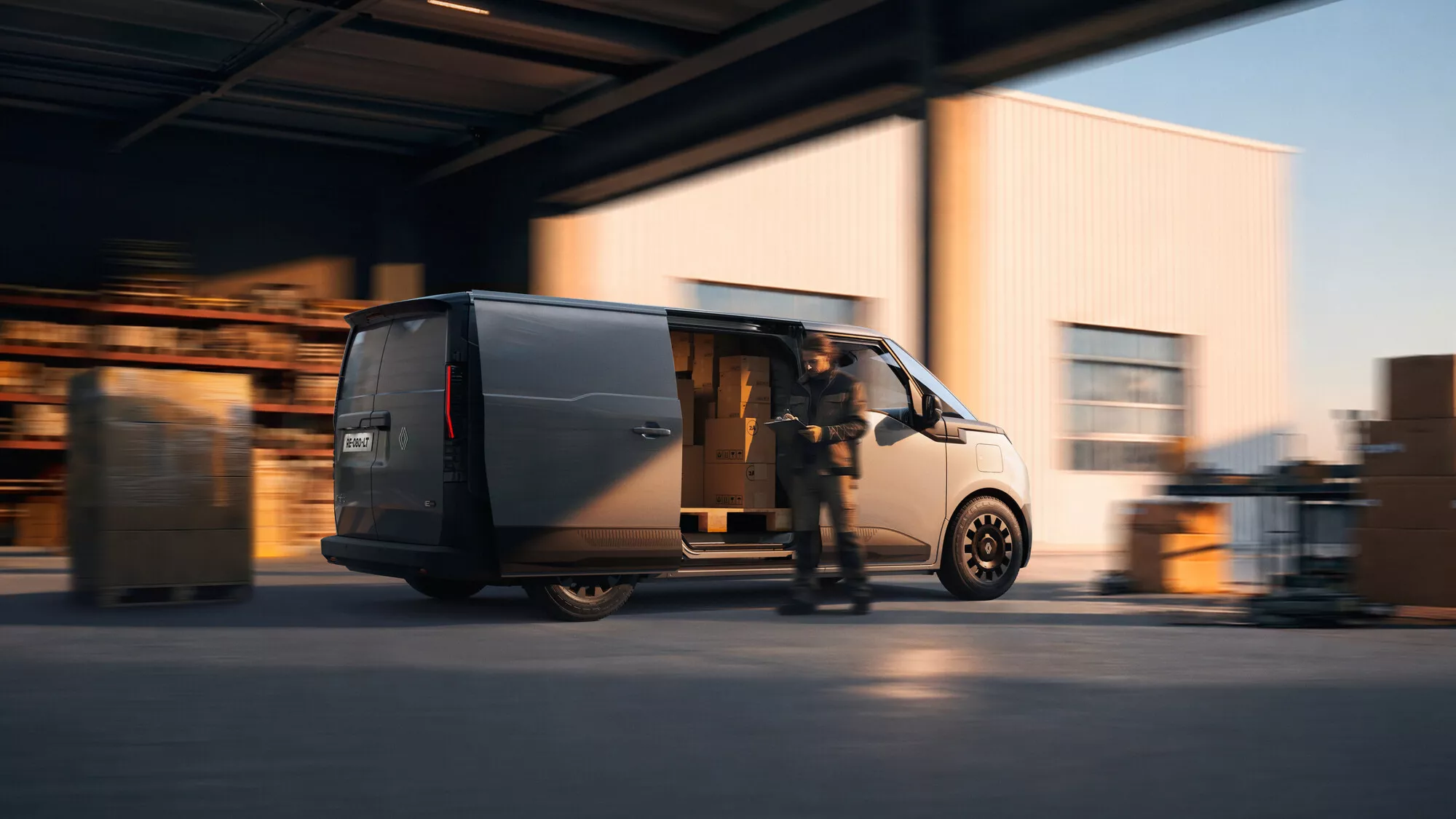
Think of it as moving away from a collection of small computers scattered around the van and toward something closer to a centralized computing platform.
Why should a plumber or delivery company care? Because software can increasingly determine how the vehicle behaves without replacing physical hardware.
Renault says the system will support regular updates, predictive maintenance and vehicle personalization. Fleet managers will eventually be able to apply efficiency, performance and safety settings to selected vehicles through the upcoming UPTIMIZE service.
That could be genuinely useful.Imagine a fleet of 50 vans. Instead of relying entirely on 50 drivers to use each vehicle efficiently, some operating parameters can be managed centrally.
Then there’s downtime. A private owner having a car in the workshop is annoying. A business having a van in the workshop means an asset that isn’t earning money.
Renault says connected-vehicle data used through UPTIMIZE should help reduce downtime by as much as half when incidents occur. That’s a manufacturer claim that will need proving in real fleets, but it’s exactly the sort of metric commercial buyers care about.
The new Trafic will be built at Sandouville in France and remains unmistakably a work vehicle despite all the talk about software.
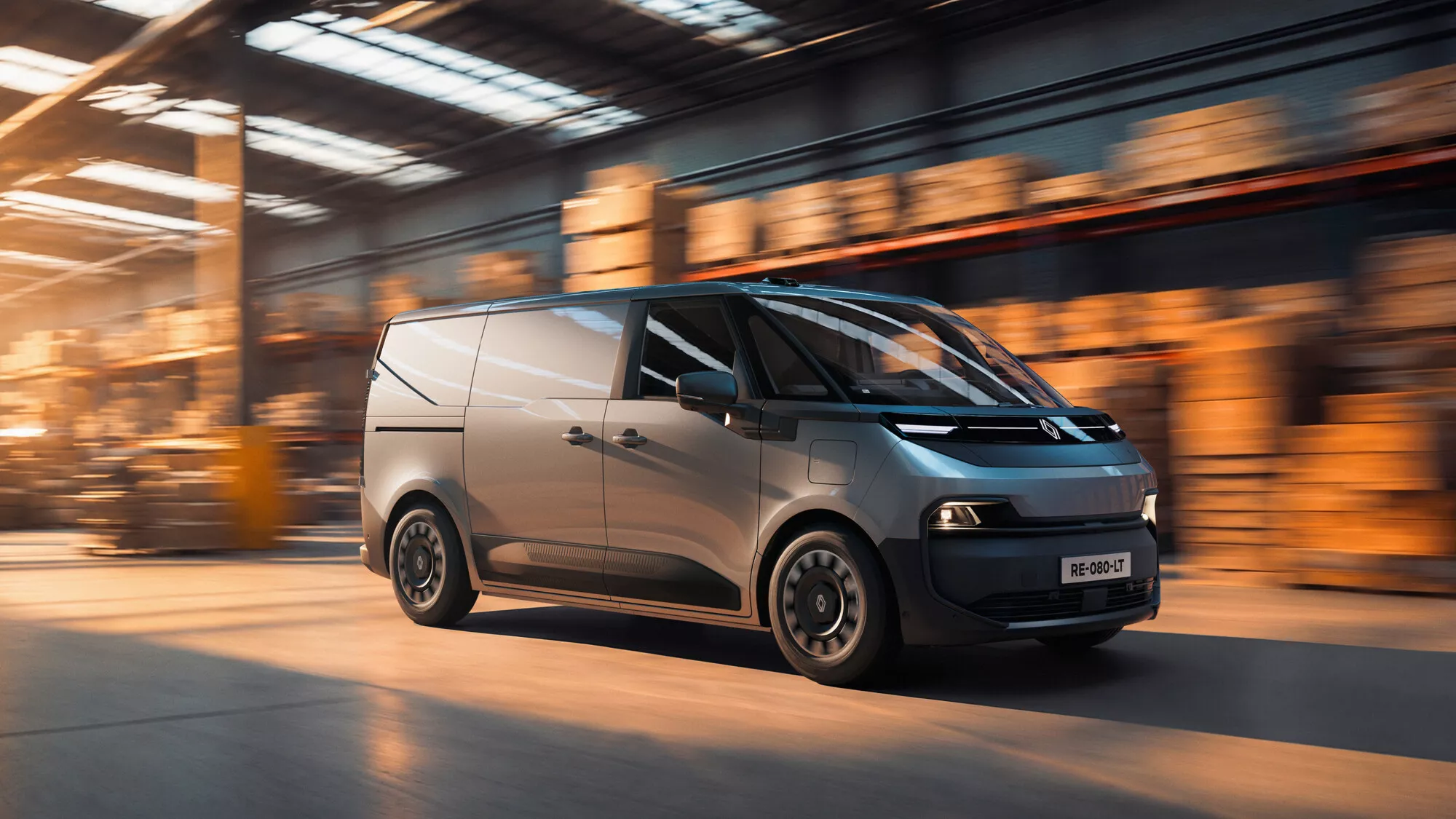
And perhaps that’s why the technology makes sense here.
Software-defined cars can occasionally sound like an answer to a question nobody asked. Does a family hatchback really need another subscription or downloadable feature?
A fleet operator has a much clearer use case. If an update saves energy, predicts a failure before the van breaks down or keeps vehicles out of the workshop, the benefit can be measured in euros.
The Trafic E-Tech still needs to prove its range, charging performance and total operating costs outside Renault’s presentation slides.
But for once, “software-defined vehicle” may be more than another fashionable phrase.
For a van that’s supposed to spend its life making money, software that keeps it working could actually earn its keep.