

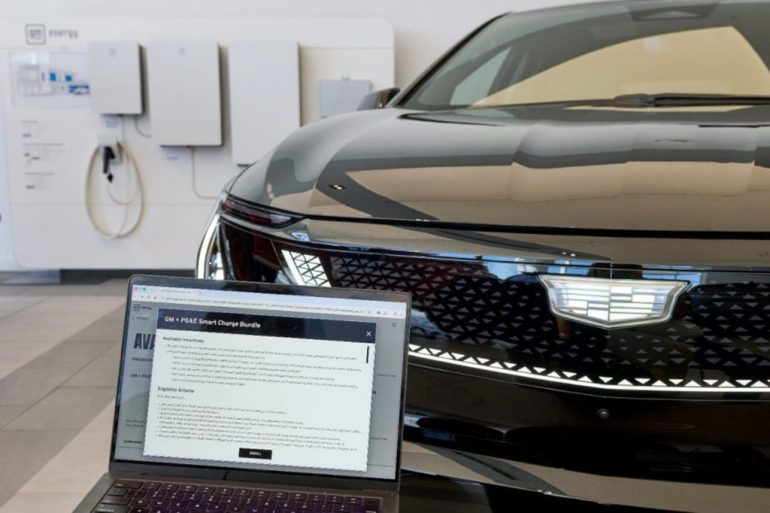
Buying an electric vehicle is only part of the equation for first-time EV owners. Figuring out how to charge it at home, what equipment is needed, and how much that charging will cost can be just as important. GM Energy and Pacific Gas and Electric Company are trying to simplify that process with a new Smart Charge Bundle for eligible PG&E residential customers in Northern and Central California. The program brings home charging equipment and utility smart-charging incentives into the EV purchase process at participating Chevrolet, GMC and Cadillac dealerships.
Eligible customers who purchase or lease a new Chevrolet, GMC or Cadillac EV can select either a GM Energy PowerUp 2 or PowerShift home charger at no additional hardware cost. Depending on the charger and purchase or lease arrangement, GM says the equipment can represent a value of up to $1,999. The important catch is that the offer covers the charger itself, not everything required to get it operating. Installation, permits and any electrical upgrades needed at the customer’s home remain separate expenses, and customers must use GM Energy’s preferred installer network to qualify for the charger offer.
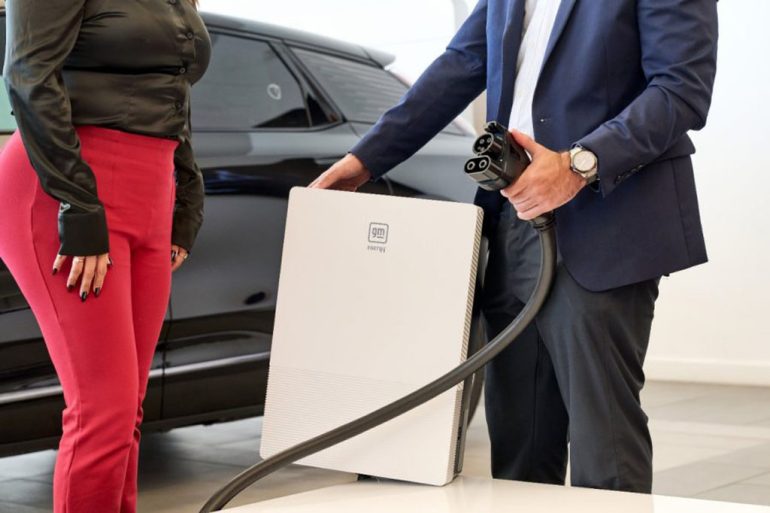
The PowerUp 2 provides conventional Level 2 home charging, while the PowerShift Charger opens the door to a more advanced setup. When paired with additional GM Energy equipment and a compatible GM electric vehicle, PowerShift can support bidirectional charging. That means energy can move from the home to the EV as usual, but the vehicle can also send stored electricity back into a properly equipped home during an outage. The same hardware could eventually support broader vehicle-to-grid applications as those programs become available, potentially turning an EV battery into something much more useful than transportation energy storage.
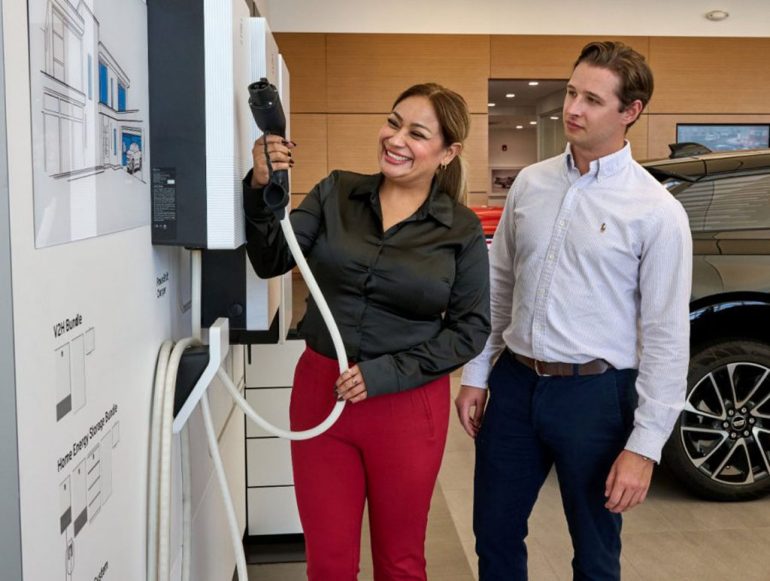
There is also a recurring incentive attached to the program. Customers participating in PG&E’s EV Charge Manager may receive a $15 monthly bill credit and could potentially save up to another $50 per month by allowing charging to be shifted toward periods when electricity demand and costs are lower. Actual savings will vary based on utility rates, charging habits and program requirements. Managed charging does not completely hand control of the vehicle over to the utility, either. Owners can override a scheduled charging session when they need the vehicle charged sooner. WeaveGrid supplies the software technology behind the managed-charging portion of the program.
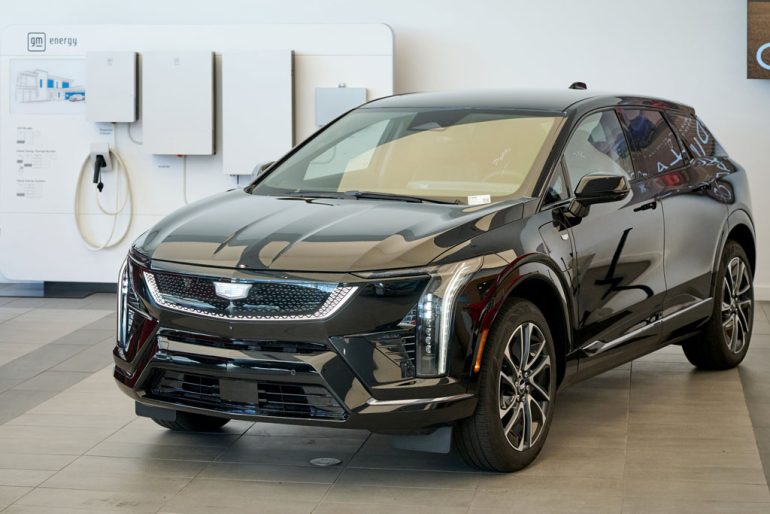
GM Energy solutions on display Tuesday, September 15, 2026 at Dublin Cadillac in Dublin, California. GM Energy provides power to your properly equipped home during a power outage and also captures and stories power from the grid to use during peak electricity demand periods. (Photo by Karl Mondon for General Motors)
Eligibility is fairly specific. The Smart Charge Bundle is available to qualifying PG&E residential customers who purchase or lease an eligible new Chevrolet, GMC or Cadillac EV from a participating dealership through February 2027, or until the program reaches its capacity. Participants must live in a qualifying single-family or detached residence and have permission to install charging equipment. An active OnStar service plan with location services enabled is also required, and customers cannot already be participating in certain other smart-charging or demand-response programs. Because enrollment is limited, buyers will need to verify availability and eligibility with a participating dealer.
For GM, the bigger idea is to make home charging feel like part of buying the vehicle rather than a separate project owners have to figure out later. It also fits into the company’s broader effort to connect EVs, homes and the electric grid more closely. GM and PG&E have previously discussed a goal of having as many as 52,000 EVs interacting with the grid by 2030. For buyers, though, the immediate appeal is much simpler. Getting a capable home charger included with a new EV, combined with the possibility of ongoing charging credits and lower electricity costs, could remove some of the uncertainty that still surrounds the transition to an electric vehicle.