
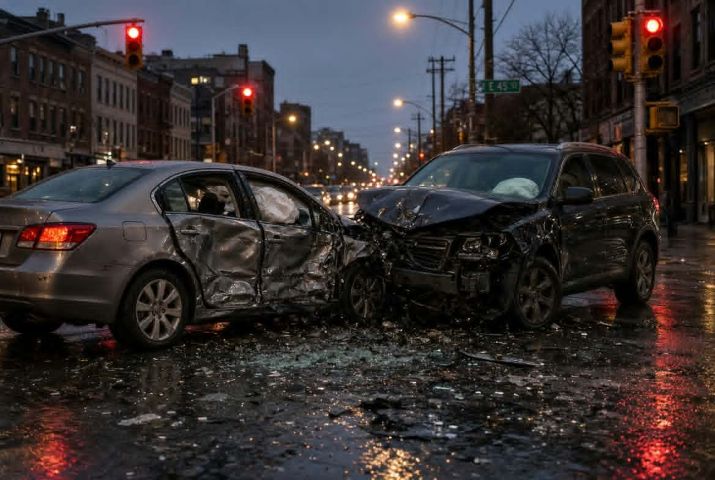
Road incidents happen to good drivers. No amount of skill behind the wheel, mechanical preparation, or situational awareness eliminates the possibility that another driver’s negligence will put you in a position you never anticipated. For the automotive community, where people invest significant time, money, and passion into their vehicles and their driving, a serious road collision that causes physical harm raises questions that go well beyond damage to the car itself. The law may provide a framework for addressing those questions, and knowing that protection exists is the first step toward using it.
Legal protection after a serious road collision is not reserved for any particular type of driver or vehicle. It may apply to the person commuting in a stock sedan as well as the enthusiast whose car represents years of deliberate work and personal expression. When another party causes a collision that results in physical harm, the injured driver may have the right to seek compensation for medical treatment, lost income, and other documented effects of the injury. The precise rights and available compensation depend on the applicable state law, insurance coverage, evidence, and facts of the case.
According to 216lawyers.com, when a driver is seriously hurt in a car accident caused by another party’s reckless or negligent conduct, the question of legal accountability does not necessarily end when the scene clears. The law may provide a structured path for pursuing compensation that reflects both immediate costs and certain longer-term losses caused by the collision.
A negligence claim generally requires evidence that the other party owed a duty of reasonable care, breached that duty, and caused injuries and losses as a result. The precise legal elements and standards depend on the jurisdiction and circumstances.
Compensation in a successful claim may extend beyond immediate hospital bills. Depending on the case and applicable law, recoverable losses can include lost wages, ongoing rehabilitation, specialist treatment, reduced earning capacity, and the effect of the injury on everyday functioning.
For enthusiasts, an injury may also mean time away from a vehicle project, the car community, and activities that are personally important. Whether and how those effects factor into compensation depends on the evidence, the nature of the injuries, and the damages permitted under state law. Attorneys handling road-injury claims can help identify and document losses that may legally be recoverable.
Many drivers who have been seriously hurt in a road collision have limited familiarity with the legal claim process, and that unfamiliarity can make the situation feel more daunting. Depending on the claim, a lawyer may investigate the collision, gather evidence, communicate with insurers and other parties, assess available coverage, and prepare the matter for negotiation or litigation.
The injured driver may be asked to provide an accurate account of what happened, supply relevant records, follow medical advice, and stay in communication with the legal team as the case develops. Gauge Magazine’s guide to evidence in a car accident injury claim explains how photographs, medical records, wage information, and witness details can work together to support a claim.
Timelines vary according to the severity of the injuries, the complexity of the liability dispute, the parties and insurers involved, and whether the matter resolves through negotiation or proceeds to litigation. Many claims settle without trial, but no particular outcome or timeline is guaranteed.
Legal representation is not mandatory in every claim. However, an injured driver may find professional guidance useful when injuries are serious, fault is disputed, several parties are involved, or an insurer contests the nature or value of the losses.
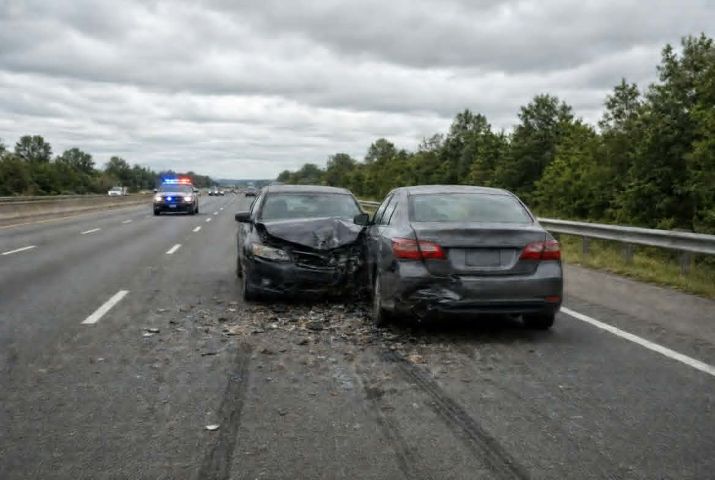
The strength of a road-injury claim is closely tied to the quality of the available evidence. Scene photographs taken after the collision, the official incident report, witness contact information, and dashcam footage can all become important parts of the legal and insurance process.
For automotive enthusiasts who already have dashcams installed for road trips or everyday driving, that footage may be particularly valuable in establishing what occurred before the collision. Evidence that seems routine in the moment can take on greater importance once fault, injury severity, or insurance coverage is disputed.
Safety and medical needs should always come before documentation. When conditions allow, Gauge Magazine’s guide to what drivers should document at an accident scene provides a practical list of photographs and information that may be useful later.
Medical documentation carries equal importance. Seeking prompt medical attention after a collision can identify injuries and create a record connecting symptoms with the incident. Some injuries may not be obvious immediately, although medical evaluation should be based on health needs rather than solely on the possibility of a claim.
A delay in treatment does not automatically defeat a claim, but it can create questions about when an injury began and whether it was related to the collision. Following appropriate medical advice and keeping complete records can help establish a clearer treatment history.
Lawyers do not all have the same experience with road-injury matters. An attorney who regularly handles collision claims may be familiar with how these cases are investigated, documented, valued, negotiated, and litigated.
Depending on the case, that work may include locating evidence, reviewing insurance policies, consulting medical or accident-reconstruction professionals, responding to liability disputes, and calculating documented past and future losses. Experience can help an attorney identify issues that might otherwise be overlooked, although it cannot guarantee a particular result.
For members of the automotive community, it may be useful to find representation that understands both the injury claim and the vehicle-related losses involved. A modified or restored car can represent substantial time, money, and personal effort. Receipts, appraisals, build photographs, maintenance records, and comparable sales may help document its financial value more accurately than a verbal description alone.
The personal meaning of a vehicle may explain why the loss is significant to its owner, but compensation for vehicle damage is generally based on legally recognized financial measures rather than sentimental value. Keeping detailed records is therefore especially important for modified, restored, rare, or collector vehicles.
Recovering from a serious road collision takes time, and the legal process accompanying that recovery can feel like an additional burden. Having qualified help with evidence, insurance communications, deadlines, and settlement review may allow an injured driver to devote more attention to medical recovery and everyday responsibilities.
Legal protection after a serious road collision is more than a procedural technicality. Depending on the circumstances, it can provide a way to hold a negligent party accountable and seek compensation for losses recognized under the applicable law.
For drivers and automotive enthusiasts, understanding that process is part of seeing the full picture after a collision. Preserve relevant evidence, obtain appropriate medical attention, keep vehicle and financial records, and learn which legal rules and filing deadlines apply where the crash occurred.
This article provides general information and is not legal advice. Rights, deadlines, insurance requirements, and recoverable damages vary by jurisdiction and case.
The post The Legal Protection Drivers and Car Enthusiasts Have After a Serious Road Collision Causes Harm appeared first on Gauge Magazine.