

There are few cars carrying more expectations into a redesign than the BMW 3 Series. For decades, it has been the sports sedan other automakers have tried to benchmark, and the completely redesigned 2027 model arrives at an interesting point in BMW’s history. The eighth-generation 3 Series adopts the company’s Neue Klasse design direction while keeping gasoline engines alive alongside the new electric i3. That combination gives traditional BMW buyers something familiar underneath a car that otherwise looks and feels considerably different from the 3 Series leaving showrooms today.
The U.S. lineup will initially consist of the 330, 330 xDrive and performance-oriented M350 xDrive. BMW has also cleaned up the naming by dropping the familiar “i” designation from its gasoline models, helping distinguish them from electric vehicles such as the i3. The 330 continues with a turbocharged 2.0-liter four-cylinder producing 255 horsepower and 295 lb-ft of torque, paired with an eight-speed automatic transmission. Rear-wheel drive remains available, while the 330 xDrive adds all-wheel drive. BMW says the 330 models can reach 60 mph in 5.9 seconds.
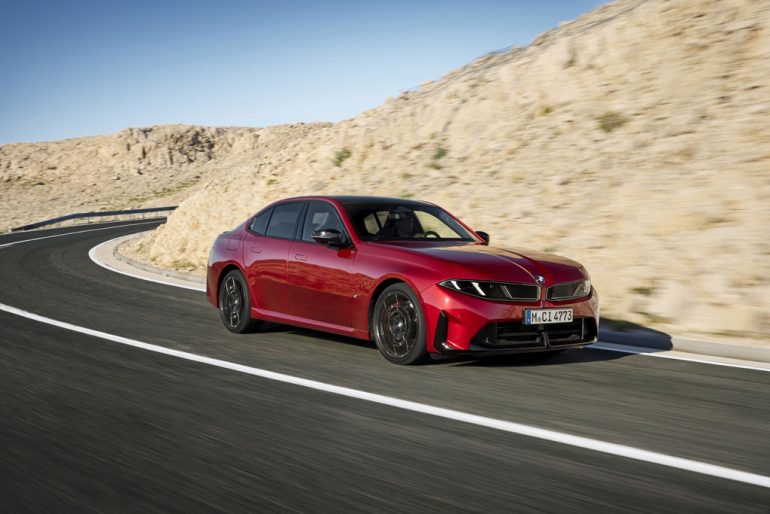
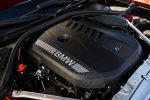
Enthusiasts will naturally gravitate toward the M350 xDrive, which replaces the M340i xDrive and moves noticeably closer to M3 territory. Its turbocharged 3.0-liter inline-six works with 48-volt mild-hybrid technology to produce a combined 437 horsepower and 428 lb-ft of torque. An eight-speed Steptronic automatic and xDrive all-wheel drive are standard, along with adaptive M suspension, an M Sport differential and variable sport steering. BMW quotes a 4.1-second sprint to 62 mph, while U.S.-specific figures put the run to 60 mph at about 3.9 seconds. Top speed is electronically limited to 155 mph when properly equipped.
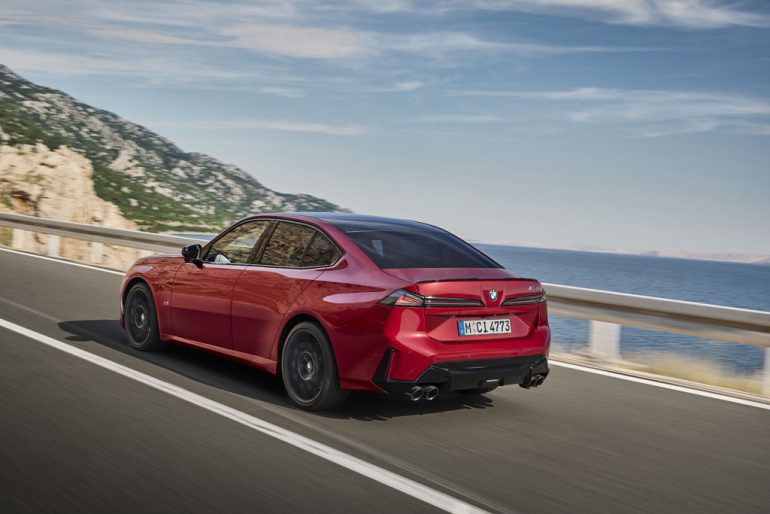
Then there is the feature that will probably generate more social-media clips than anything else on the specifications sheet. BMW calls it “Drift Moment,” and it allows the M350 xDrive to send engine power exclusively to the rear wheels with stability control switched off. In other words, BMW is giving its all-wheel-drive M Performance 3 Series a factory-supported way to get sideways. The feature will not be active when the first cars arrive, however. BMW plans to unlock Drift Moment during 2027 through a Remote Software Upgrade, including on compatible M350 xDrive models already delivered to customers.
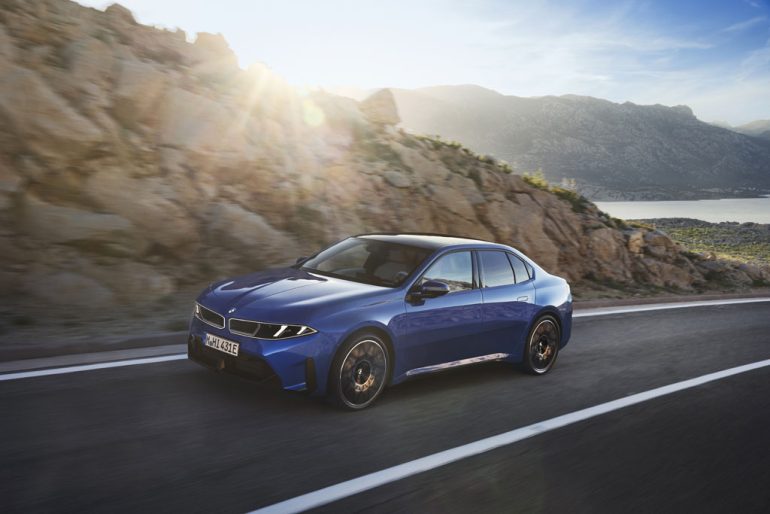
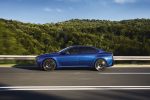
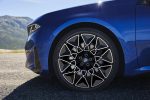
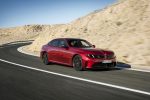
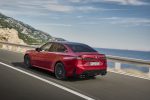
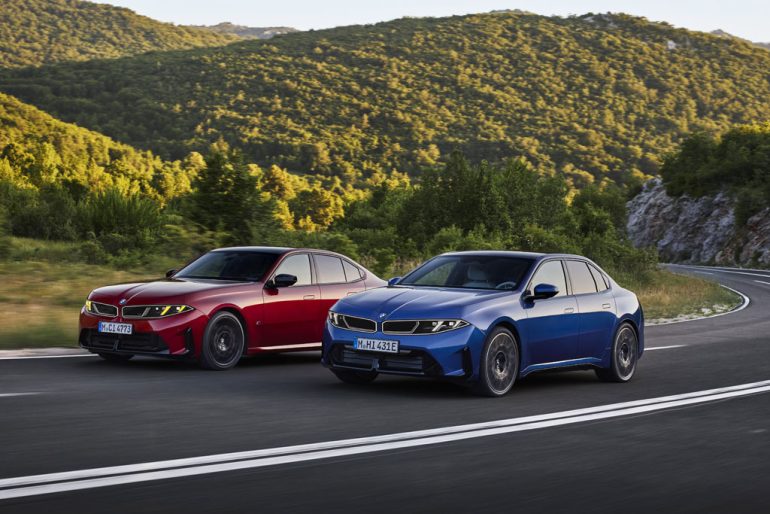
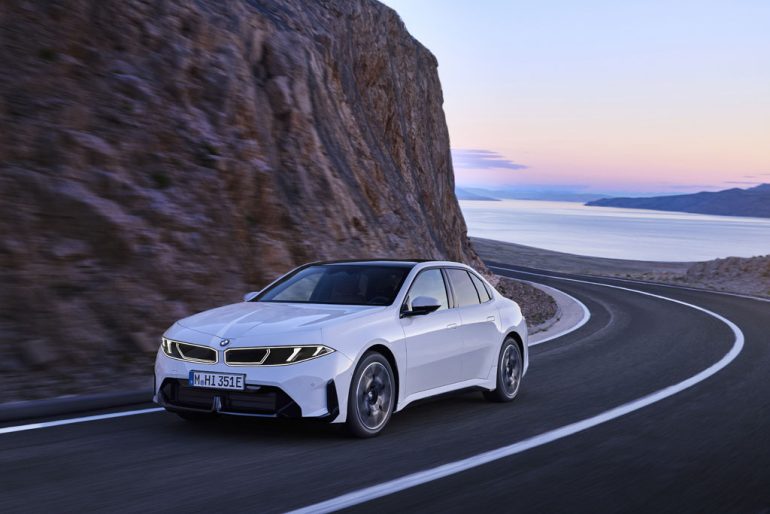
Visually, the new 3 Series takes a substantial step away from the outgoing car. The Neue Klasse influence is immediately apparent in the slimmer lighting, cleaner surfaces and more restrained interpretation of BMW’s kidney grille. Flush door handles further smooth out the profile, while 19-inch wheels are standard and 20-inch wheels are available. The M350 xDrive turns up the aggression with model-specific bodywork, darker exterior details, a rear spoiler, blue M Sport brakes and four exhaust outlets. It’s recognizably a BMW, but this generation makes a much cleaner break from its predecessor than many recent 3 Series redesigns.
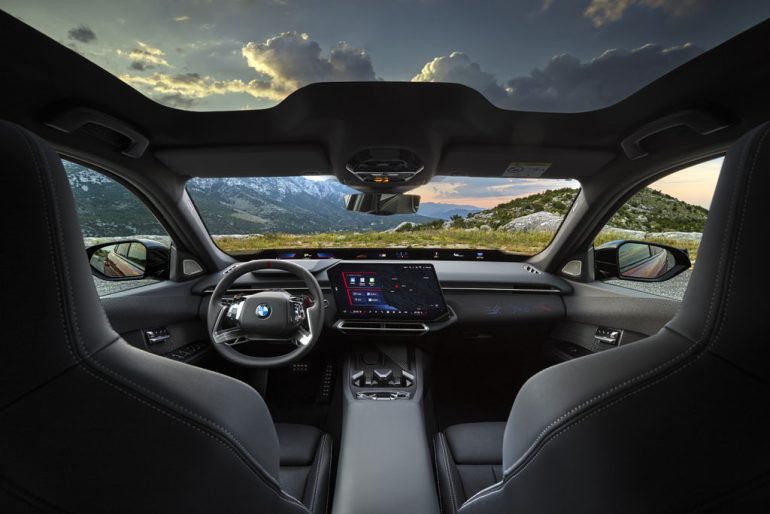
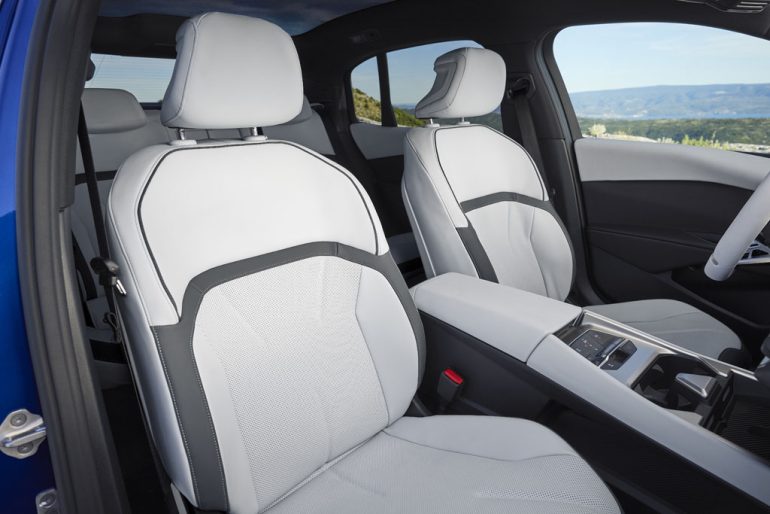
The cabin may take even more adjustment for longtime BMW owners. Traditional gauges give way to BMW’s Panoramic iDrive concept, which projects important information across a display area running along the lower portion of the windshield. A large 17.9-inch central touchscreen handles the latest iDrive functions, and an available head-up display adds another layer of information in the driver’s sightline. BMW has also incorporated its newest voice-assistant technology, including Amazon Alexa-based artificial intelligence features, while My Modes allows drivers to customize displays, lighting and other cabin settings.
BMW clearly hasn’t forgotten that screens are only part of what makes a 3 Series interesting. The company has put considerable development effort into chassis response, steering and the way the various electronic systems work together. The M350 gets additional chassis bracing and performance hardware, while BMW’s new centralized driving electronics are designed to coordinate powertrain and chassis responses more quickly. Optional staggered performance tires measure 245/35R20 up front and a substantial 275/30R20 at the rear, another clue that BMW still expects owners to do more with this sedan than commute while staring at its infotainment system.
The gas-powered 3 Series also occupies an unusual position next to BMW’s electric i3. Although the two share Neue Klasse styling themes and much of BMW’s latest technology philosophy, they are not simply gasoline and electric versions of the exact same platform. BMW has developed each around the needs of its respective powertrain. That’s good news for buyers who aren’t ready to give up an inline-six engine, especially when that six is producing 437 horsepower and can electronically turn an all-wheel-drive sedan into a rear-drive drift machine.
Pricing starts at $49,900 including destination for the 2027 BMW 330, while the 330 xDrive starts at $51,900. Stepping up to the M350 xDrive pushes the starting price to $65,900. The new 3 Series is expected to reach the U.S. market in early 2027. Between the dramatically redesigned cabin, Neue Klasse styling and the M350’s considerable jump in performance, this isn’t a cautious update to BMW’s best-known sports sedan. The bigger question is whether all of that new technology can coexist with the simple qualities that made generations of enthusiasts care so much about the 3 Series in the first place.