


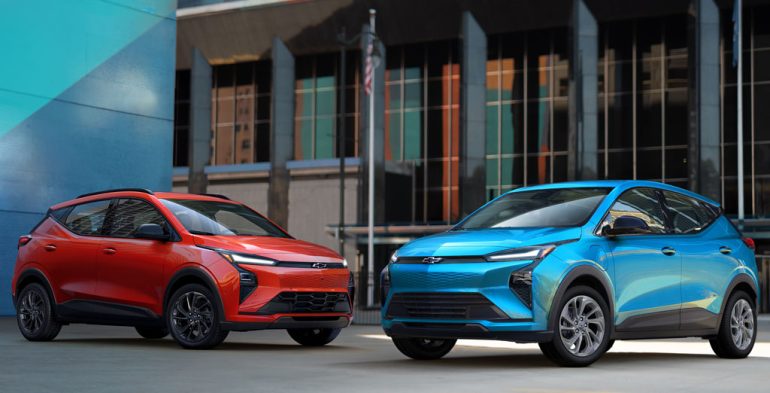
The 2027 Chevrolet Bolt has barely settled back into the EV conversation, and its comeback may already be much shorter than anyone expected. According to United Auto Workers documents tied to GM’s Fairfax Assembly plant in Kansas, production expectations for the revived Bolt have reportedly dropped dramatically. While the Kansas facility had the capacity to build as many as 150,000 examples, the latest target is said to be only about 35,000 vehicles. Chevrolet has not confirmed that figure, but such a steep reduction would turn an already limited production run into something considerably more exclusive.
That is a surprising development considering how much effort General Motors put into bringing the Bolt back. The 2027 model is more than a simple rerun of the previous Bolt EUV, with a 65-kWh lithium-iron-phosphate battery, substantially quicker DC fast charging, a native NACS charging port and an EPA-estimated driving range of roughly 262 miles. Starting at $28,995 including destination, the new Bolt also occupies an increasingly rare spot in the market as a genuinely affordable new EV. Chevrolet effectively addressed many of the complaints owners had about the previous model, particularly its painfully slow fast-charging speeds, only to give the improved version what appears to be a very limited window on showroom floors.
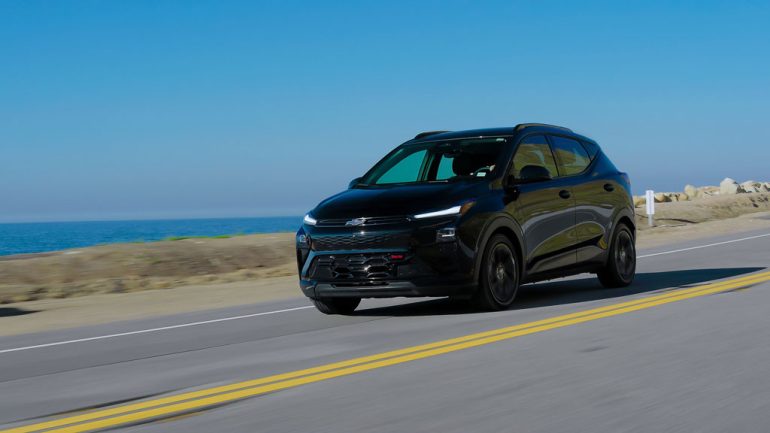
The Bolt was never expected to remain in production indefinitely. GM previously indicated that production at Fairfax would last around 18 months as the automaker prepares the plant for additional gasoline-powered models, including future Chevrolet and Buick SUVs. What makes the latest report notable is the scale. Building roughly 35,000 Bolts instead of something closer to the plant’s theoretical 150,000-unit capacity represents a major change in potential volume. GM has said it continually evaluates customer demand and market conditions when making manufacturing decisions, while declining to publicly provide projected production totals.
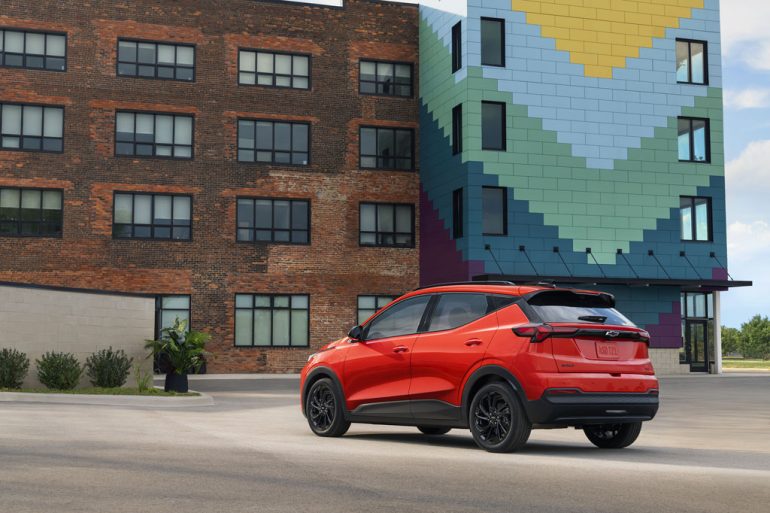
There are plenty of reasons the equation around inexpensive EVs has changed. Consumer demand has become harder to predict, automakers are reassessing large electric vehicle investments, and the market now offers considerably more competition than it did during the original Bolt’s strongest years. Changes to federal EV incentives and fuel-economy policy have also altered the financial calculations manufacturers make when deciding what to build and where to build it. At the same time, GM has valuable factory space at Fairfax that can be used for higher-volume combustion-powered crossovers, giving the company another reason to keep the Bolt’s return relatively brief.
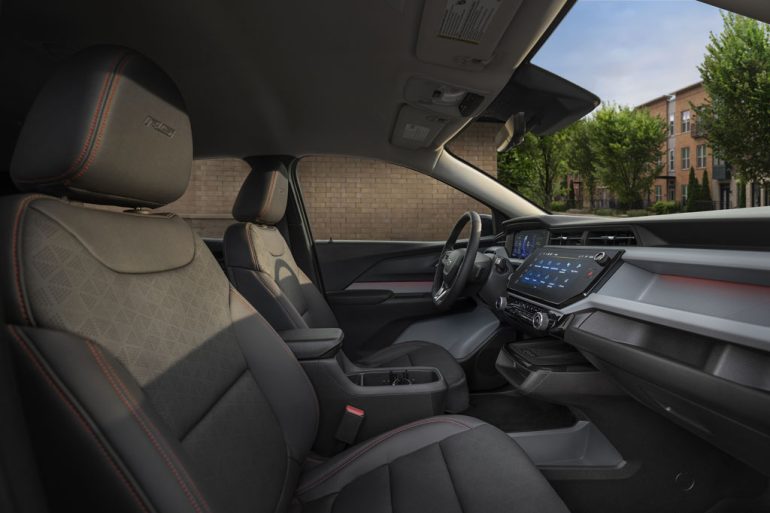
For shoppers, the takeaway is fairly simple. The 2027 Chevy Bolt may be one of the most compelling affordable EVs on sale, but it might not remain easy to find for very long. A production total around 35,000 units would make this revived Bolt considerably less common than its pricing and mainstream mission might suggest. There is something almost ironic about Chevrolet finally giving the Bolt the faster charging, improved technology and broader charging-network compatibility it needed, only to potentially pull the plug after a comparatively small number are built. Anyone who has been waiting for the better Bolt may not want to wait too long.