

Rivian just turned in one of its strongest quarters yet, but you would not know it from the stock market’s reaction. The electric vehicle maker delivered 19,248 vehicles during the third quarter of 2026, up roughly 46 percent from the 13,201 vehicles delivered during the same period last year. That was also enough to beat Wall Street expectations of around 18,000 deliveries. Rivian produced 19,751 vehicles during the quarter, making the results another encouraging sign that the company’s push toward higher volume is beginning to take shape.
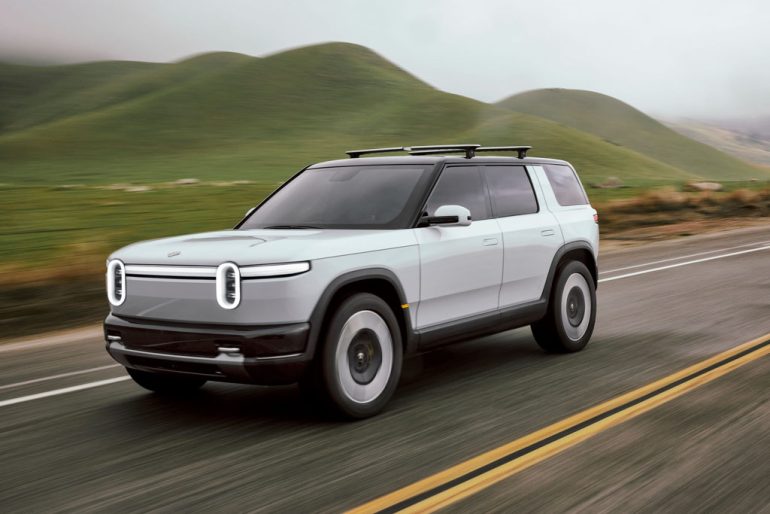
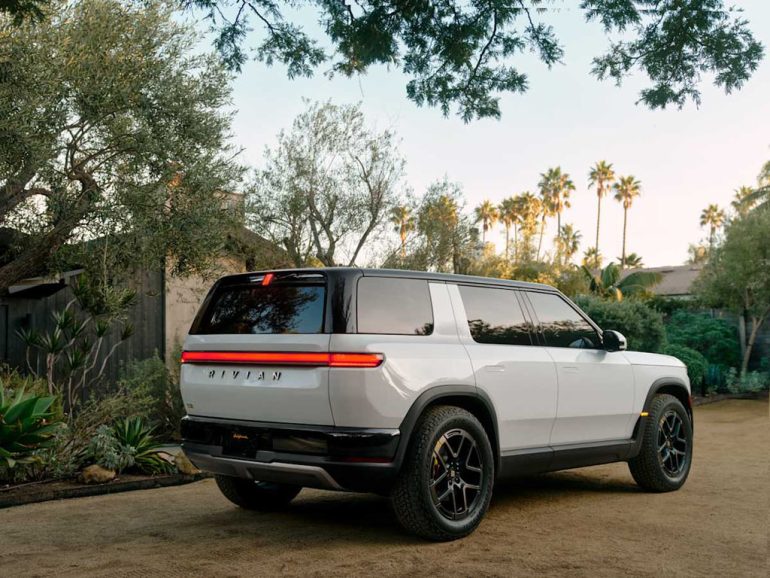
Much of that momentum is tied to the Rivian R2, the smaller and considerably more attainable SUV that may prove to be the most important vehicle in the company’s history. Rivian built its reputation with the R1T pickup and R1S SUV, both impressive vehicles, but their premium pricing has naturally limited the size of the customer pool. The R2 gives Rivian a chance to reach buyers shopping closer to the heart of the electric crossover market. Early demand appears promising, and if Rivian can keep production moving smoothly, the R2 could finally give the brand the scale it has been chasing since its public debut.
Investors, however, were not completely satisfied. Rivian shares slipped after the delivery announcement despite the record quarter, with some of the disappointment seemingly tied to the company maintaining its full-year guidance of 65,000 to 70,000 vehicles instead of raising it. Rivian will need a strong fourth quarter to reach that target, particularly at the upper end. The market tends to look several quarters ahead, and simply beating expectations today is not always enough when investors are already pricing in significant future growth.
Tesla found itself in almost the opposite situation. The company delivered 486,532 vehicles during the third quarter, easily topping analyst expectations that had generally landed in the low to mid-460,000 range. While Tesla remains in an entirely different league when it comes to overall EV volume, the better-than-expected showing was enough to give investors renewed confidence in its core automotive business. Tesla shares climbed following the report, illustrating how much expectations can matter on Wall Street. Rivian delivered dramatic year-over-year growth and saw its stock pressured, while Tesla’s more mature business produced a smaller surprise and received the warmer reception.
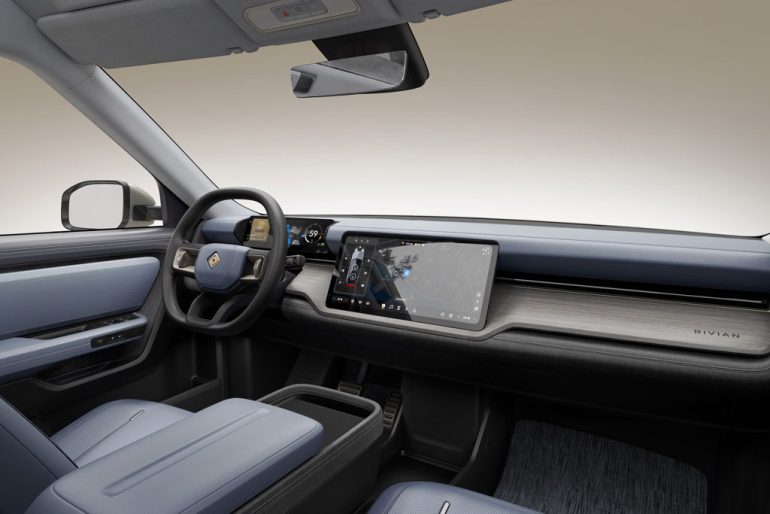
For Rivian, the bigger story is not one quarter of stock movement. It is whether the R2 can transform the company from a compelling premium EV manufacturer into a genuine high-volume automaker. Tesla still has an enormous scale advantage and continues to command investor attention through its vehicles, autonomous driving ambitions, robotaxi efforts and artificial intelligence projects. Rivian’s path is more straightforward for now. It needs to build and sell a lot more vehicles, and the R2 is its best opportunity to do exactly that. If this quarter is an early indication of what the smaller SUV can accomplish, Rivian may finally have the product capable of moving the company into its next chapter.