

McLaren has unveiled an evolved brand identity that connects its racing heritage, road-car history and future ambitions. The refreshed identity brings McLaren Automotive and McLaren Racing closer together under one visual expression.
However, this change goes beyond a new look. It draws heavily on the company’s history and the vision of founder Bruce McLaren. At the same time, it aims to reflect a brand that is expanding its products, experiences and global community.
For more than six decades, McLaren has followed a simple idea: there is always another way forward. That approach began with Bruce McLaren and continues to influence the company today.
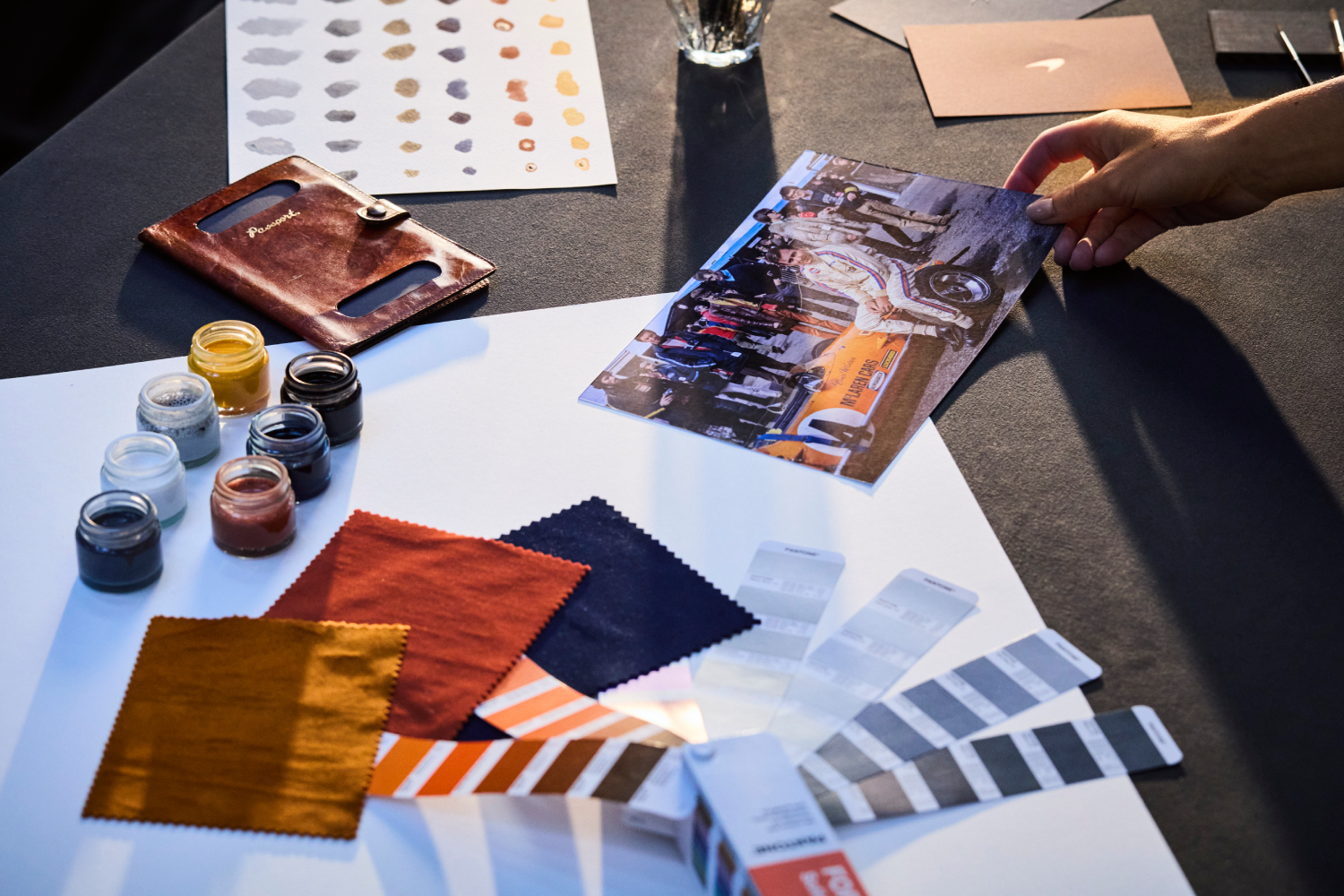
McLaren’s history stretches from Bruce’s early racing days in New Zealand to its position as a global automotive and motorsport brand.
Throughout that journey, innovation has remained central to the company. Its racing achievements helped shape the brand, while the arrival of the McLaren F1 established a new chapter for its road cars.
Now, McLaren wants its visual identity to reflect that wider story.
The company says the evolved identity will create a more unified expression across Automotive and Racing. It will also support a broader ownership and fan experience.
That includes:
David Woodhouse, Chief Creative Officer at McLaren Automotive, describes the change as a new chapter for the company.
“Throughout our history, we’ve never been content to follow established paths.”
Woodhouse says the new identity reflects McLaren’s ambition, creativity and desire to keep moving forward.
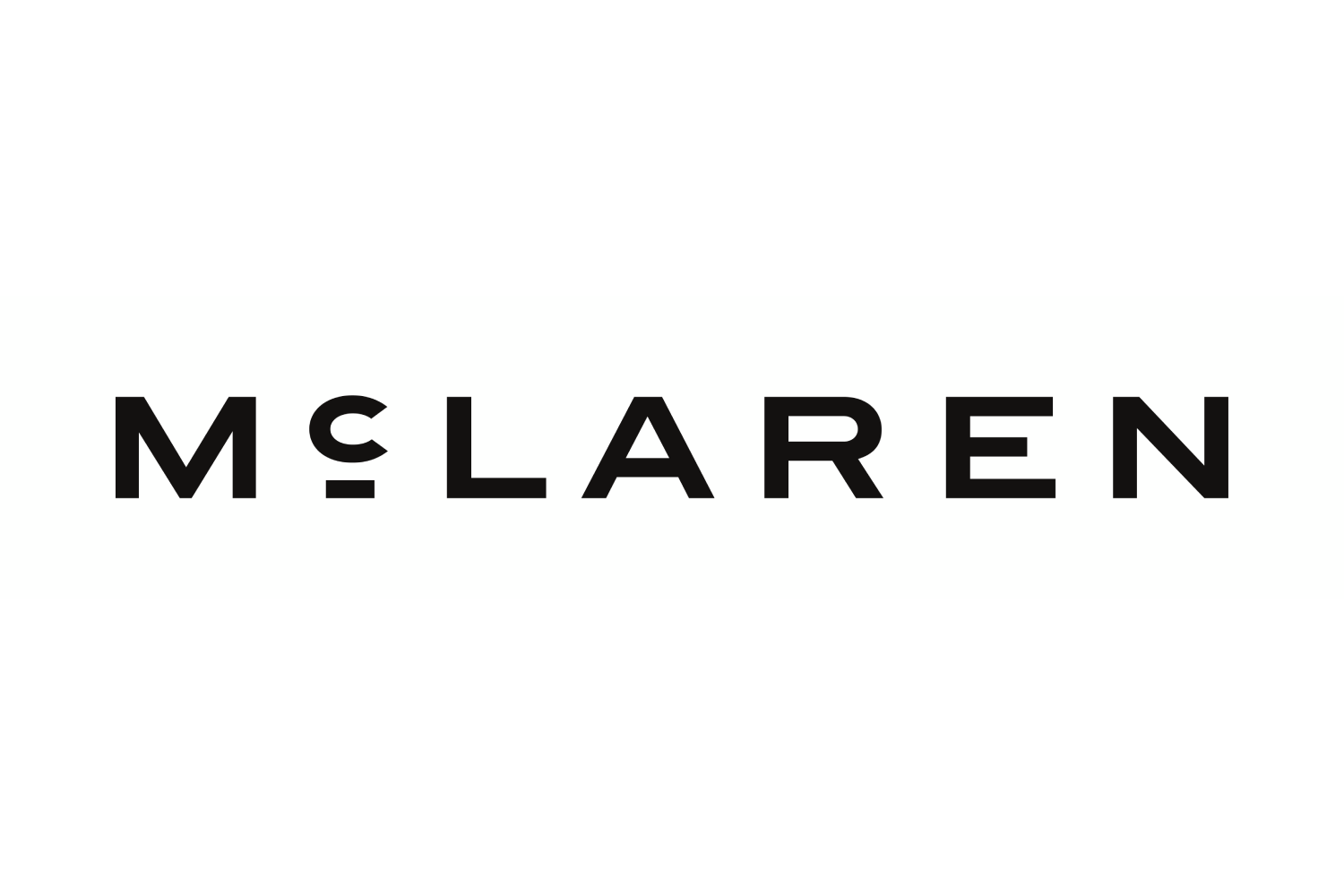
One of the most significant changes is the new McLaren wordmark.
Its design takes inspiration from the sign above the McLaren family’s Service Station in Remuera, Auckland. Bruce McLaren’s parents, Les and Ruth, owned the station.
More importantly, it has a direct connection to Bruce’s early racing career.
It was at the family business that Bruce built the car that would take him to his first racing victory. Therefore, drawing on this detail gives the new identity a strong link to McLaren’s beginnings.
The company has reworked the original inspiration for a modern audience. As a result, the wordmark connects an important part of McLaren’s past with its ambitions for the future.

Although the identity has evolved, McLaren has kept several of its most recognisable symbols.
The Speedmark remains at the centre of the brand. It has become one of McLaren’s most familiar visual signatures over the years.
The company has also retained papaya, its defining colour. However, the updated identity introduces a broader colour palette inspired by important moments in McLaren’s history.
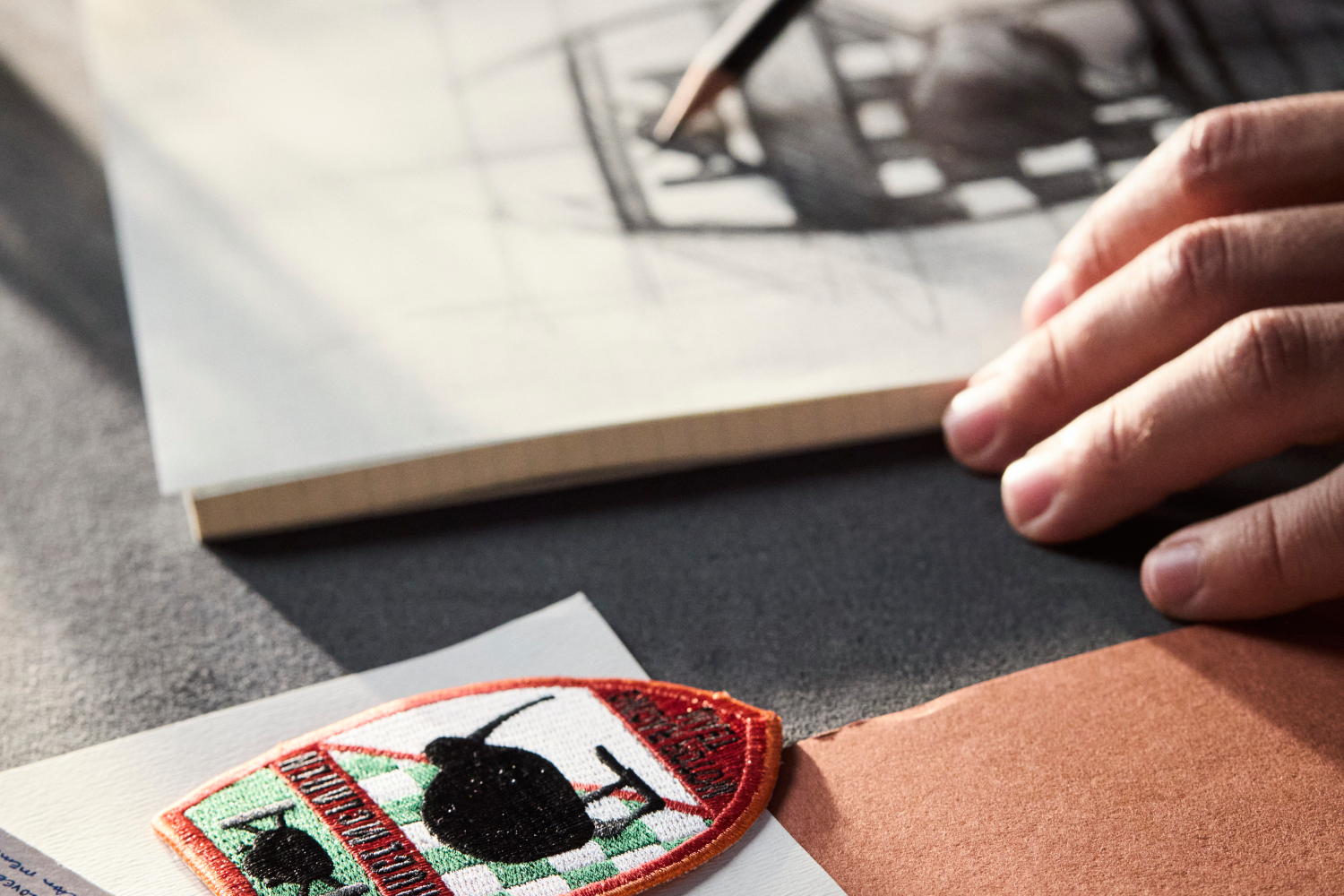
The Speedy Kiwi also remains.
That symbol reflects Bruce McLaren’s New Zealand heritage and has long formed part of the company’s identity. Keeping it reinforces the connection between the modern McLaren and the man who started it all.
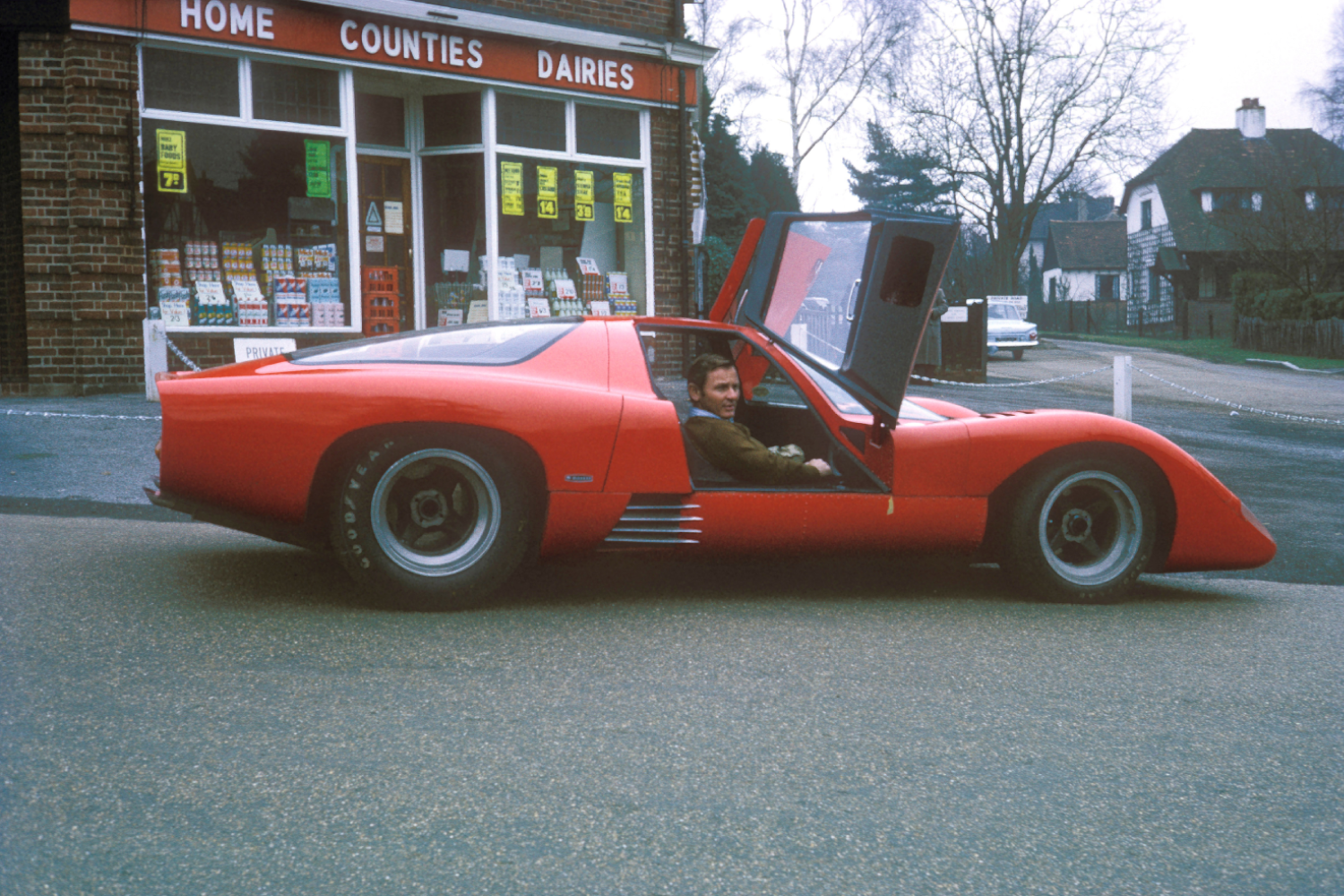
McLaren’s new identity arrives after a series of developments during 2026 that have placed greater emphasis on its origins.
The company has revisited Bruce McLaren’s story and his early vision for road cars. The M6GT has featured prominently as an early expression of that ambition.
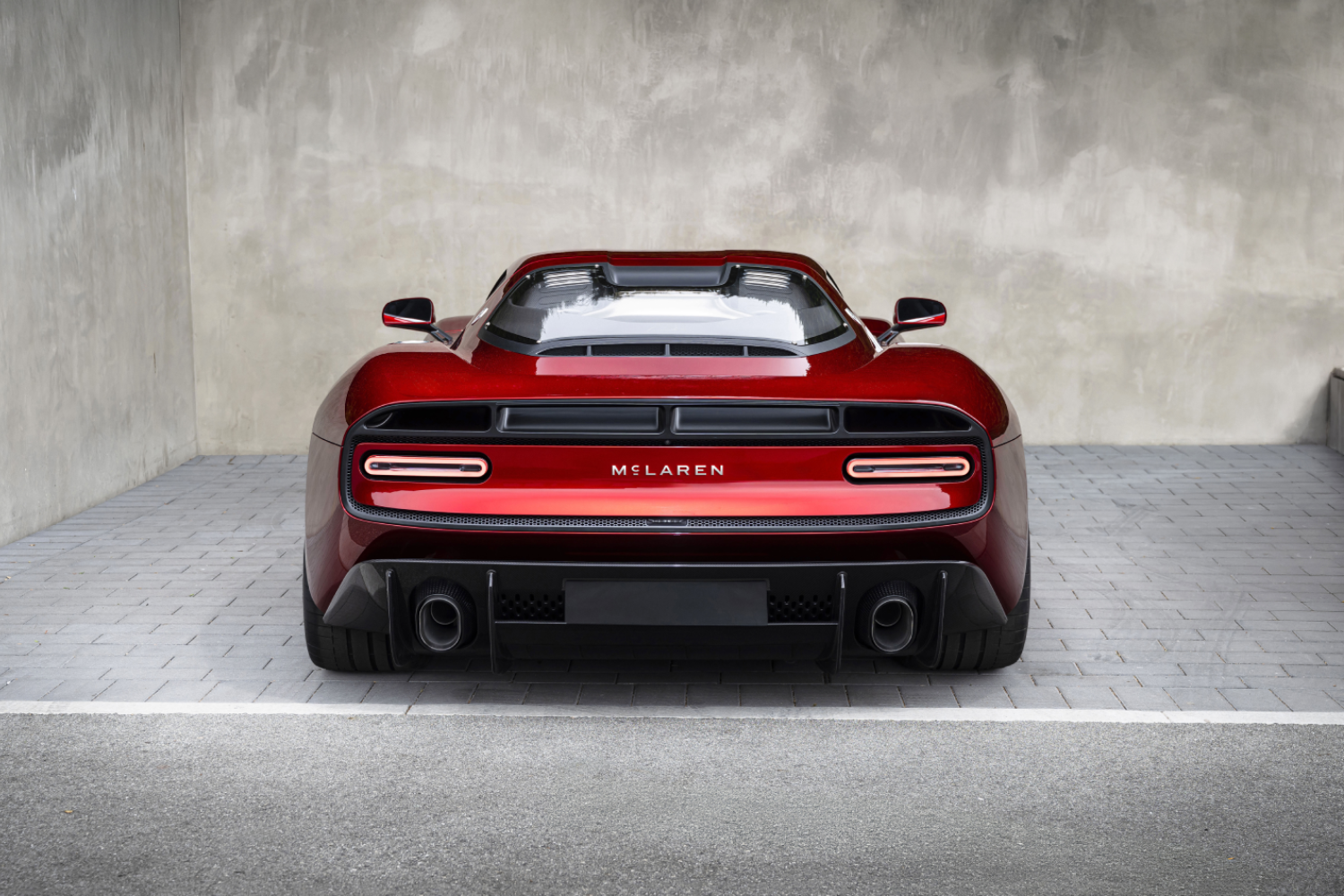
McLaren has also revealed the McL 6GT, providing a modern interpretation of the ideas surrounding Bruce’s original road-car vision.
Together, these moments help connect McLaren’s history with its current design and performance ambitions.
McLaren Racing has followed a similar path.
The company’s current papaya era has included several important milestones. Among them was McLaren Racing competing in its 1,000th Formula 1 Grand Prix.
The team has also announced its Hypercar challenger for the FIA World Endurance Championship (WEC).
That programme gives McLaren another opportunity to compete for motorsport’s celebrated Triple Crown. The ambition links its modern racing programme with the company’s long-standing competitive spirit.
Meanwhile, the relationship between racing and road cars remains a defining part of McLaren’s identity.
The brand’s future plans extend beyond visual design.
McLaren Automotive has confirmed a £500 million investment programme to expand its UK manufacturing and engineering operations.
The programme supports the company’s next phase of growth. Crucially, that phase will take McLaren beyond its traditional two-seat sports cars.
An upcoming SUV will mark a significant expansion of the McLaren range.
As a result, the timing of the new identity is particularly relevant. McLaren is preparing to broaden its products while creating a more connected brand experience around them.
The evolved identity brings together several strands of McLaren’s story.
There is Bruce McLaren’s original vision, there is the company’s racing heritage and there is also the road-car programme that produced some of the most celebrated performance cars of recent decades.
Now, McLaren is attempting to give all of those elements a clearer visual connection.
The new identity keeps familiar details such as the Speed mark, papaya and Speedy Kiwi. At the same time, it introduces new design elements that point towards the future.
For McLaren, that balance matters. Its history remains a major part of the brand, but its latest moves show that the company has no intention of standing still.
McLaren’s refreshed identity combines historic references with a more modern visual direction. It also arrives at a fascinating point in the company’s development.
With a £500 million UK investment programme, a future SUV and a new Hypercar racing project, McLaren is clearly entering another significant period.
But what do you think of the new McLaren identity? Do the historic details make it stronger? And does the new direction suit the next generation of McLaren cars?
Let us know your thoughts in the comments.

The post How McLaren’s Bold New Identity Opens an Exciting New Chapter appeared first on My Car Heaven.