
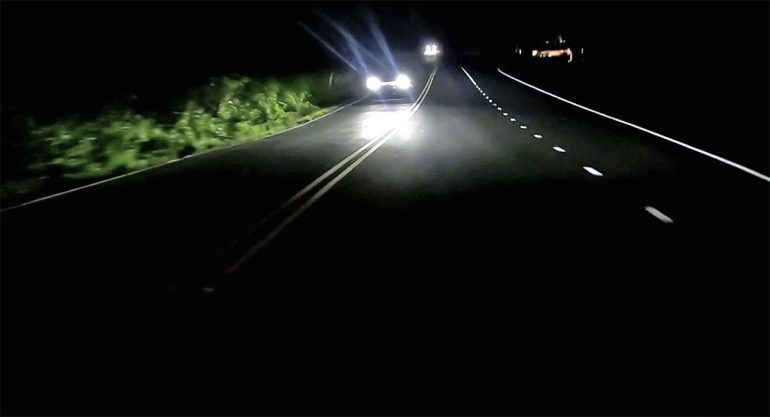
If you have driven at night lately and wondered whether the SUV coming toward you accidentally left its high beams on, you are probably not alone. Modern headlights have become dramatically better at illuminating the road, but they have also become a frequent source of frustration for drivers who find themselves staring into an intense wall of white LED light. Now, the National Highway Traffic Safety Administration is taking a fresh look at the federal rules governing vehicle lighting, with headlight glare sitting near the top of the list.
NHTSA announced that it is moving to modernize Federal Motor Vehicle Safety Standard No. 108, the long-standing regulation that covers lamps, reflective devices, and related vehicle lighting equipment. The agency is calling the effort a long-overdue update, which feels appropriate considering just how much headlight technology has changed over the past few decades. LEDs, automatic high beams, adaptive lighting, new lens materials, and far more sophisticated electronic controls have become common while much of the regulatory framework surrounding them has remained rooted in an earlier era.
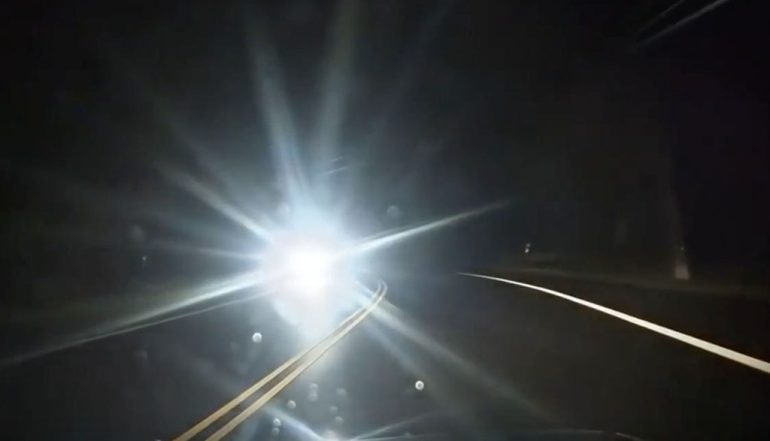
Glare is one of the biggest issues NHTSA plans to examine, but simply blaming bright LEDs would oversimplify the problem. Headlamp height, beam aim, and the shape of the light pattern can be just as important as raw brightness. That becomes particularly noticeable as SUVs and pickup trucks continue to make up a large portion of the vehicles on American roads. A properly aimed light mounted high off the pavement can still be more noticeable to someone sitting lower in a sedan, while even a relatively modest headlight can become miserable for other drivers if it is poorly aimed.
The balancing act is important because better headlights genuinely improve safety. Drivers need enough illumination to spot pedestrians, animals, lane markings, and other hazards at night, particularly on roads without streetlights. The Insurance Institute for Highway Safety has found that better-performing headlights can help reduce nighttime crashes, and its own testing considers both forward visibility and glare to oncoming traffic. Interestingly, IIHS testing has also shown substantial improvement in recent years, with far fewer new headlight systems producing excessive glare than when its testing program began. Still, anyone who regularly drives at night knows the real-world experience can remain frustrating.
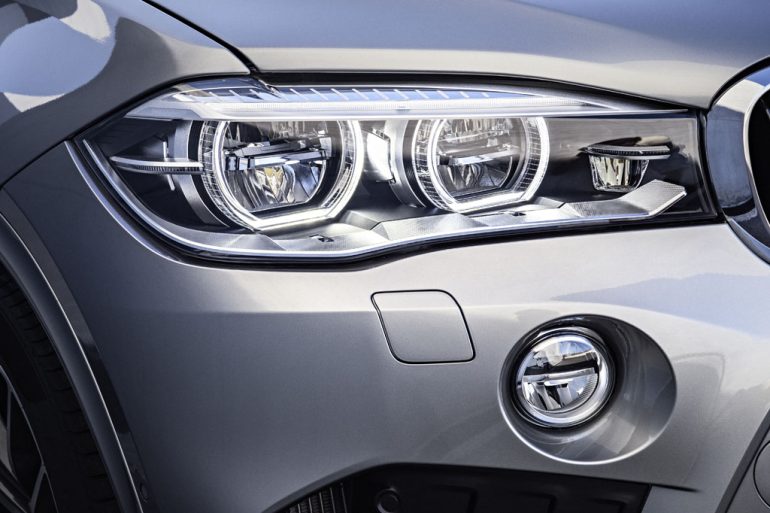
NHTSA is also looking beyond glare and toward making it easier for automakers to deploy newer lighting technologies in the U.S. Adaptive driving beam systems are a prime example. Instead of simply switching the high beams completely on or off, these systems can selectively shade portions of the light pattern around an approaching or preceding vehicle while keeping more illumination on the rest of the road. The technology has been used overseas for years, while U.S. regulations only began permitting adaptive driving beams in 2022. Updating FMVSS 108 could give manufacturers more freedom to take advantage of increasingly sophisticated systems without running into rules written around older lighting designs.
The agency’s review will also cover dusk sensors, automatic high beams, replaceable light sources, plastic optics, replaceable lenses, and updated testing procedures. There is even an effort to explore greater harmonization between U.S. lighting standards and those used elsewhere in the world. That could be particularly valuable for global automakers that sometimes have to engineer different versions of the same lighting system for different markets, adding cost and complexity without necessarily improving what drivers actually experience on the road.
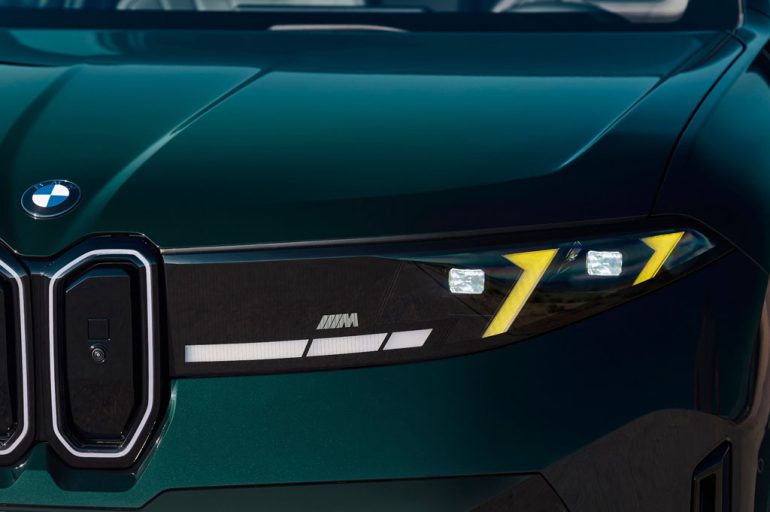
Rather than immediately imposing a new regulation, NHTSA is using a negotiated rulemaking process and plans to bring manufacturers, safety groups, engineers, researchers, and other stakeholders together to help develop recommendations. Transportation Secretary Sean Duffy can appoint as many as 18 representatives to the committee, and the agency is also seeking public feedback. Comments and applications for committee membership are due by November 9, 2026, so any actual changes to the rules will still require time before they begin showing up on new vehicles.
That means the blinding headlights you encounter tonight are not about to disappear, but the federal government is at least taking a serious look at why the problem exists and how modern lighting can be better regulated. The ideal outcome is not simply dimmer headlights. It is smarter lighting that gives drivers more usable illumination without making life miserable for everyone traveling in the opposite direction. Considering how quickly vehicle lighting technology has evolved, updating the rules to match what is actually on the road today feels well overdue. Now, if regulators could somehow work on the eye-watering price of replacing one of today’s elaborate LED headlamp assemblies, drivers might really have something to celebrate.