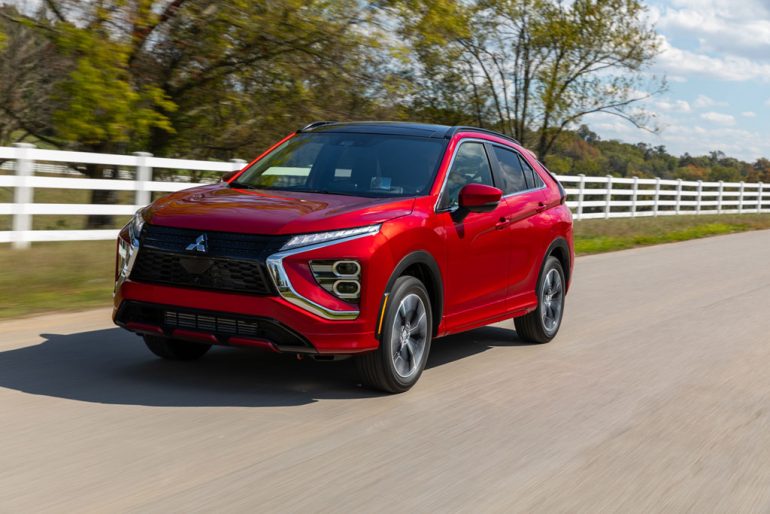
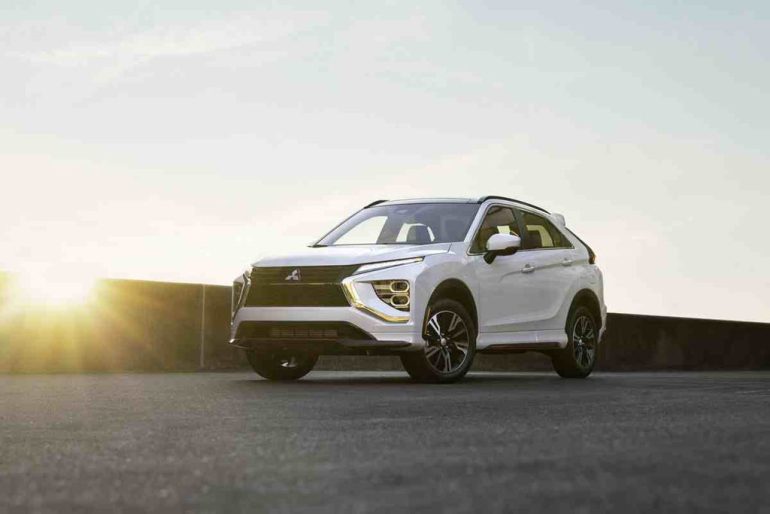
The 2026 Mitsubishi Eclipse Cross is one of the most underrated compact SUVs on the market, and it comes with a built-in negotiating advantage most buyers overlook: published invoice prices, a generous dealer discount culture, and confirmed real-world transaction prices sitting well below sticker at dealerships across the country. This guide gives you the exact invoice figures, confirmed dealer asking prices, and a clear negotiating target before you set foot on a lot.
Every 2026 Eclipse Cross comes standard with all-wheel drive across all six trims. There is no front-wheel-drive option. The sole powertrain is a 1.5-liter turbocharged four-cylinder producing 152 horsepower and 184 lb-ft of torque, paired with an eight-speed CVT. Destination and delivery adds $1,745 to every window sticker. Mitsubishi also includes a $260 Welcome Package (floor mats, touch-up paint, and owner’s manual) that is added to every transaction.
Invoice price is what the dealer paid Mitsubishi for the vehicle before holdback and incentives. These figures come from iSeeCars and represent the base invoice for each trim before options, destination, or dealer-added fees.
| Trim | Base MSRP | Invoice Price | Invoice-to-MSRP Gap |
|---|---|---|---|
| ES AWD | $27,695 | $27,358 | $337 |
| LE AWD | $29,295 | $28,544 | $751 |
| SE AWD | $30,395 | $29,617 | $778 |
| Ralliart AWD | $31,245 | $30,437 | $808 |
| Black Edition AWD | $31,545 | $30,734 | $811 |
| SEL AWD | $31,845 | $31,019 | $826 |
Add $1,745 destination and $260 Welcome Package to each base MSRP for the full window sticker before options. An LE with destination runs $31,300 on the sticker; a fully loaded SEL lands at $33,850. Keep in mind the invoice figures above are base prices. Options and packages will push both MSRP and invoice higher.
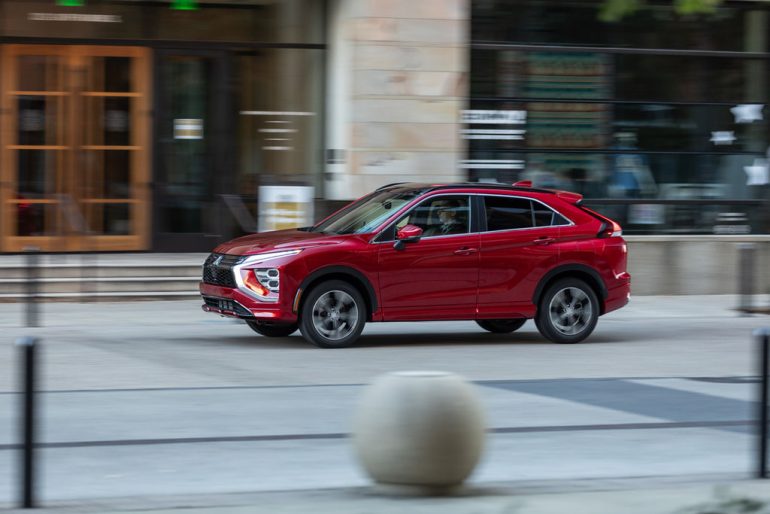
Real-world pricing on the 2026 Eclipse Cross varies significantly by dealer, with some aggressive discounters selling well below invoice and others marking up above MSRP. KBB live listings show confirmed asking prices from dealers across the country ranging widely by trim and market.
Confirmed listings from KBB and Cars.com show notable spread at the dealer level. Miami Lakes Mitsubishi in Florida is listing LE trims at $26,397 to $26,903 on MSRPs of $31,705 to $32,300 — more than $5,000 off sticker on base models. David Stanley Mitsubishi in Oklahoma is showing SE trims at $27,399 to $28,814 on MSRPs of $32,900 to $34,315 — again, thousands below sticker. My Grand Rapids Mitsubishi has a Ralliart listed at $31,256 on a $33,965 MSRP and a SEL at $33,861 on a $34,570 MSRP.
On the higher end, Vero Beach Mitsubishi in Florida is asking $36,430 on an SE with a $34,815 MSRP, and Peruzzi Mitsubishi has a low-mileage SE listed at $34,400 against a $33,910 MSRP. The market is wide open. The best Eclipse Cross deals are being done at dealerships willing to move volume, and this is a brand where negotiating to invoice or below is entirely realistic at motivated stores.
TrueCar’s market data across 260 transactions over the past 20 weeks shows buyers paying an average of about 5.4% below MSRP on the base ES. On a $30,535 sticker, that would put the average transaction around $28,900 before taxes and fees.
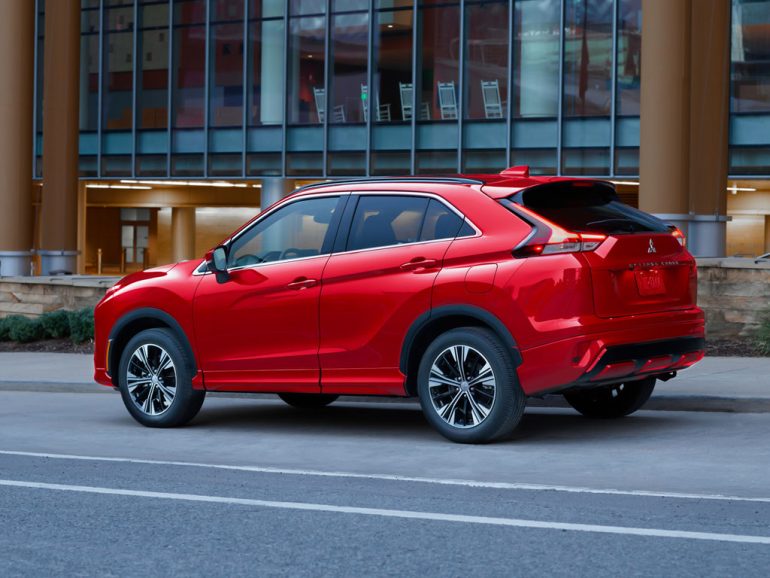
The entry ES is the one trim where the invoice-to-MSRP gap is tightest at only $337. That limits your upside slightly, but real-world listings still show discounts of $1,000 to $1,500 off sticker at volume dealers. The ES lacks some features you may want: no blind-spot monitoring, no remote engine start, no proximity keyless entry, and no push-button start. It also does not come with alloy wheels. For buyers who prioritize AWD capability and low price of entry, the ES delivers, but step up to the LE if you want the convenience features most buyers expect in this price range.
The LE is where the Eclipse Cross starts feeling complete. It adds remote engine start, proximity keyless entry, push-button start, alloy wheels, and rain-sensing wipers over the ES. The invoice-to-MSRP gap opens to $751, and this is the trim with a confirmed $1,000 Mitsubishi Customer Cash rebate running through November 2, 2026. That means your negotiating floor drops further. David Stanley Mitsubishi has been asking $27,684 on LE trims with MSRPs around $32,185 — more than $4,500 off sticker — and Miami Lakes is doing LE deals in the $26,397 to $26,903 range. The LE represents the best value in the lineup when you combine the rebate with dealer discounting.
The SE adds blind-spot warning, a power driver’s seat, leather-wrapped steering wheel, power liftgate, and power folding mirrors. A panorama moonroof and roof rails are available as options. The invoice gap is $778. SE is the most popular trim in the Eclipse Cross lineup based on dealer inventory spread, and it is also where the most aggressive deals appear. David Stanley has SE units at $27,399 to $28,814 against MSRPs of $32,900 to $34,315 — up to $5,900 off sticker. Boniface Hiers Mitsubishi in Florida shows a new SE at $32,256 against a $33,190 MSRP. The SE with some options is the most common config on lots, giving you the most negotiating flexibility.
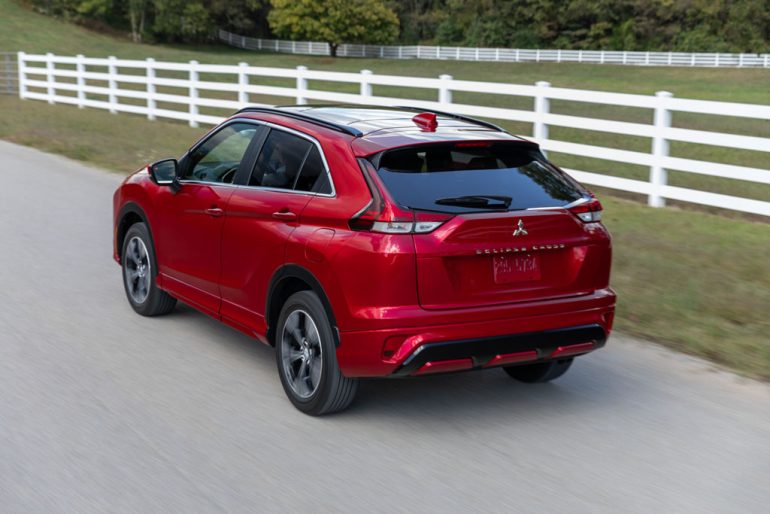
The Ralliart is a sport-appearance package rather than a performance upgrade. It shares the same 152-horsepower engine as every other trim and does not include the SE’s blind-spot warning or power liftgate. It adds unique styling elements including Ralliart badging and design-differentiated wheels. Think of it as the style trim rather than the sport trim. Invoice gap is $808. My Grand Rapids Mitsubishi has a Ralliart listed at $31,256 against a $33,965 MSRP, which is $2,709 below sticker. A confirmed $500 Mitsubishi Military rebate is available on the Ralliart through March 31, 2027, for eligible service members.
The Black Edition returns the practical features the Ralliart skips, adding blind-spot warning, power driver’s seat, leather-wrapped steering wheel, power liftgate, and roof rails in a blacked-out exterior theme. The invoice gap is $811. If you want the SE’s feature set with distinctive styling, the Black Edition delivers it at a small premium. The limited inventory on this trim means less negotiating leverage than on SE or LE, so expect discounts to be somewhat smaller at stores that do not carry a lot of stock.
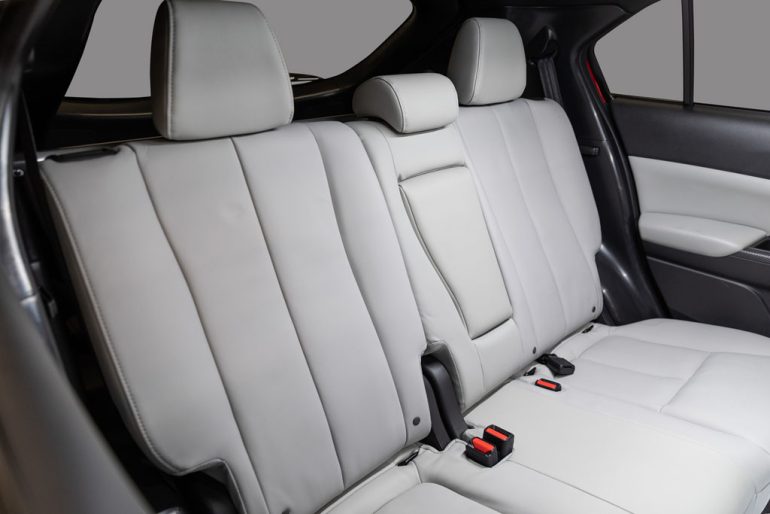
The SEL is the top trim with the most equipment: top-view camera, heated steering wheel, leather seating, dual power front seats, and options for a premium audio system, panorama moonroof, roof rails, and integrated garage door opener. Invoice gap is the widest in the lineup at $826. Confirmed listings show real-world pricing well below MSRP — David Stanley has a SEL at $28,639 against a $34,140 MSRP, and Miami Lakes shows a SEL at $32,456 against a $36,480 MSRP. The SEL can be had for under invoice at motivated dealers.
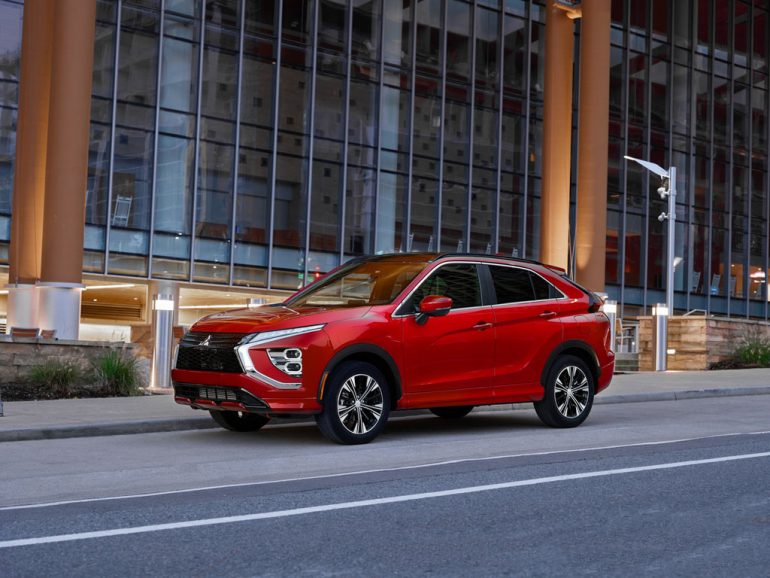
The Eclipse Cross is a brand where negotiating to invoice or below is realistic. Mitsubishi has a smaller dealer network than mainstream competitors, which means individual stores carry more inventory relative to traffic, and dealers are often motivated to move units. Here is how to approach the deal:
Start with invoice, not MSRP. The invoice figures in the table above are your baseline. On the LE, that is $28,544 before destination. On the SE, it is $29,617. Any dealer trying to open at MSRP can be immediately countered with the published invoice figure.
Stack the LE rebate. The $1,000 Mitsubishi Customer Cash on the LE (through November 2, 2026) is applied after your negotiated price. If you get a dealer down to $28,000 on an LE and then apply the $1,000 rebate, your out-of-pocket before taxes and fees is $27,000 on a vehicle with a $31,300 window sticker. That is a real deal.
Factor in dealer holdback. Mitsubishi pays dealers a holdback of approximately 2% of base MSRP after the sale. On a $30,395 SE, that is roughly $608 that flows back to the dealer after you drive off the lot. This means dealers can technically sell at or below invoice and still make money on holdback. Some high-volume stores do exactly that on slow-moving inventory.
Get multiple quotes. The price spread in real-world listings — from $26,397 at Miami Lakes to $36,430 at Vero Beach on roughly comparable SE units — proves that the Eclipse Cross market rewards shoppers who get more than one offer. Contact at least three dealers before committing.
Know the current financing deal. Mitsubishi is offering 2.99% APR for 60 months on new 2026 Eclipse Cross models through November 2, 2026. On a $30,000 financed amount, that works out to roughly $539 per month. Qualified buyers should compare this rate against their bank or credit union before accepting dealer financing.
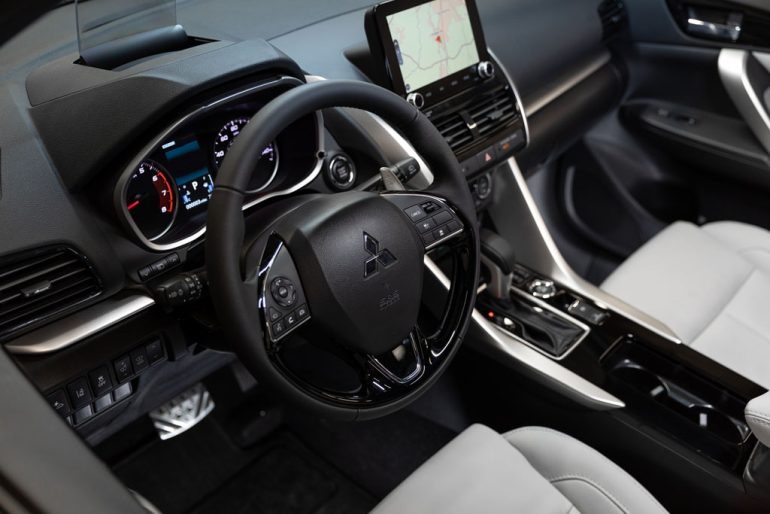
The Eclipse Cross competes in one of the most crowded segments in the industry. Here is how it stacks up against key rivals on price and standard content:
The 2026 Honda CR-V starts around $31,700 with front-wheel drive standard and AWD available as an option or standard on higher trims. It is larger than the Eclipse Cross and offers more cargo space, but base AWD at the Eclipse Cross’s price point is hard to beat.
The 2026 Toyota RAV4 starts around $30,000 with front-wheel drive and adds AWD from roughly $32,500. The RAV4 has stronger resale value, but the Eclipse Cross undercuts it on initial price with AWD already included.
The 2026 Mazda CX-5 starts around $31,200 with AWD standard. The CX-5 offers a more premium interior and driving feel, but the Eclipse Cross’s base price with AWD is competitive when you account for the Eclipse Cross’s current dealer discounting environment.
The 2026 Nissan Rogue starts around $29,500 with front-wheel drive. AWD adds roughly $1,500. The Rogue has more cargo space and a stronger dealer network, but the Eclipse Cross beats it on standard tech content at equivalent price points.
The Eclipse Cross makes its strongest case when you can buy it below invoice at a motivated dealer. The platform is older than some rivals, and the 152-horsepower output is modest, but the standard AWD, warranty, and current pricing environment create real value for buyers willing to negotiate.
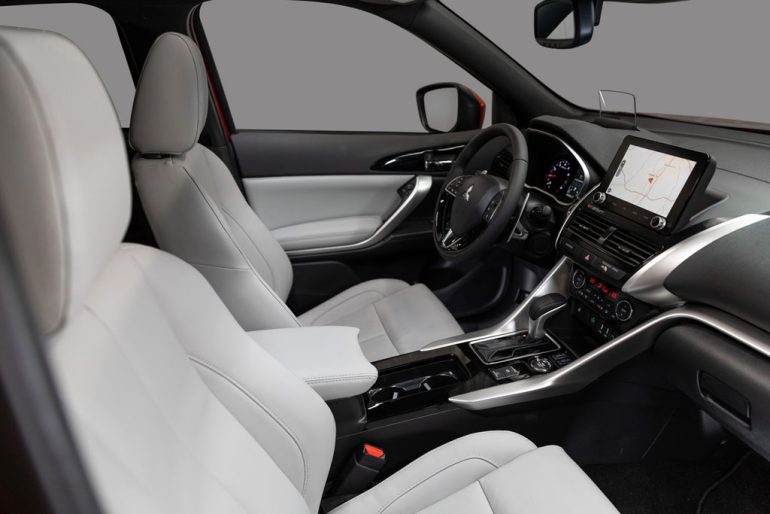
Mitsubishi backs the 2026 Eclipse Cross with one of the stronger warranties in the non-luxury compact SUV segment:
The 10-year/100,000-mile powertrain warranty is a significant ownership cost factor. It means your drivetrain — engine, transmission, and AWD system — is covered for a decade of normal use, which directly reduces your long-term financial risk on the vehicle.
Fuel economy on the 1.5-liter turbo AWD powertrain comes in at approximately 25 mpg city / 30 mpg highway / 27 mpg combined per EPA estimates. At current national average fuel prices, that works out to roughly $1,850 to $2,100 per year for the average driver covering 15,000 miles.
The 2026 Eclipse Cross makes the most sense for a specific buyer: someone who wants standard all-wheel drive, a strong warranty, and a price under $30,000 out the door on a new vehicle, and who is willing to shop multiple dealers to find the aggressive pricing this market clearly supports. Confirmed listings show buyers walking out of volume Mitsubishi stores with SE and LE units in the high $20,000 range, sometimes with additional manufacturer rebates on top. That is a strong proposition in a segment where most AWD competitors start in the low $30,000 range.
The weaknesses are real: the platform is aging, cargo space trails some rivals, and the 152-horsepower engine is not going to impress anyone looking for spirited performance. But if the use case is practical, affordable, warranted AWD family transportation, the Eclipse Cross delivers it at a price most competitors cannot match after negotiation.
The Ralliart and Black Edition trims add personality without adding practicality. The SE is the sweet spot, and the LE with the $1,000 rebate through November 2 is the best value in the lineup right now.