It’s always difficult to narrow it down to just 10 cars. The selection for the Concours of Elegance 2026 makes this an even more exciting challenge. As always, I define this top 10 cars by the following criteria, the cars I would most love to own and or drive. I have placed the cars in order of my personal preference, so car number one is my favourite and number 10 is my 10th favourite.
We have many other top tens from different events and car shows, including Concours of Elegance 2026, throughout the years. So, if you enjoy our top tens, you can find many more here.
So here you have my 10 favourite cars from Concours of Elegance 2026:
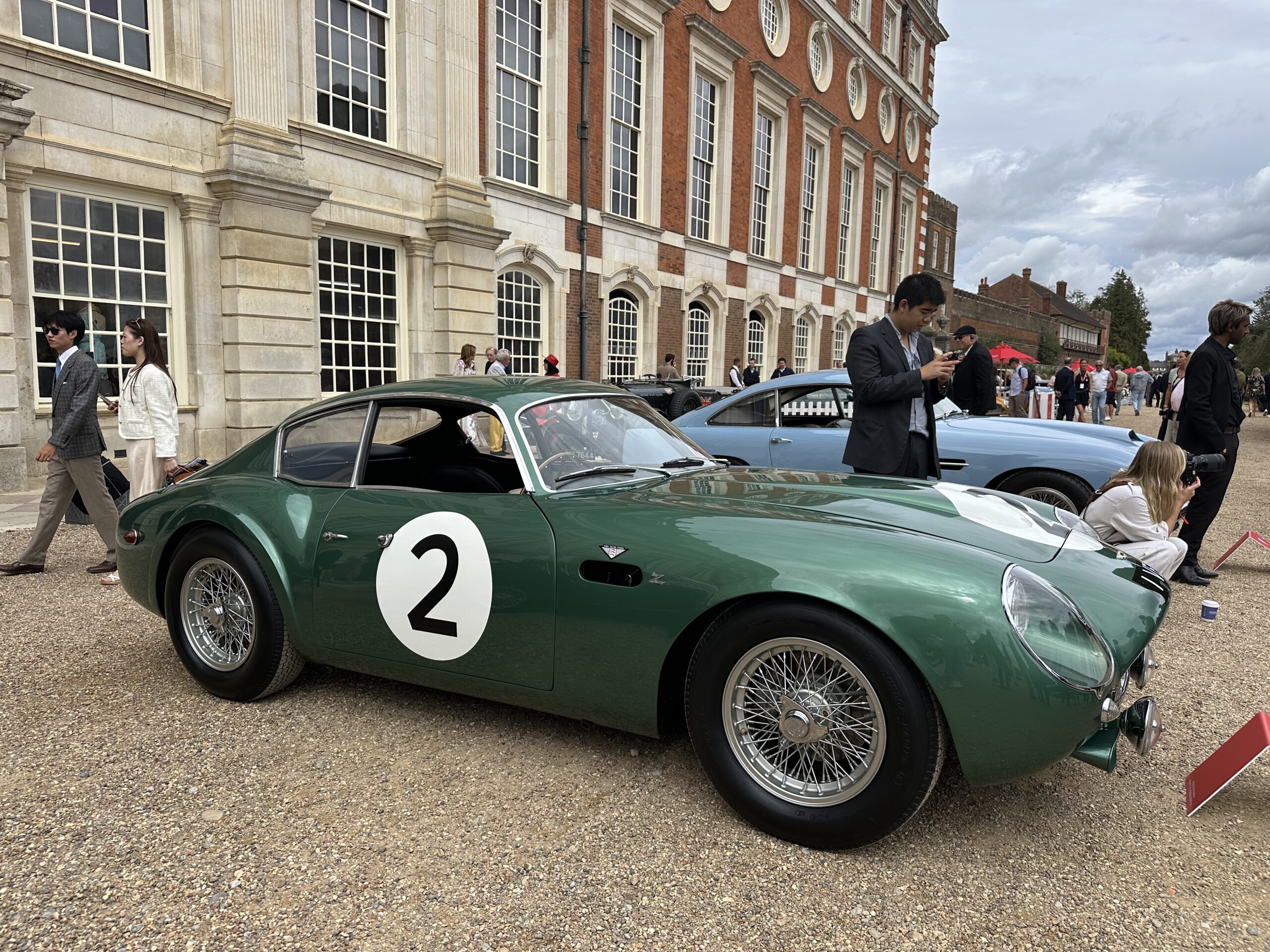
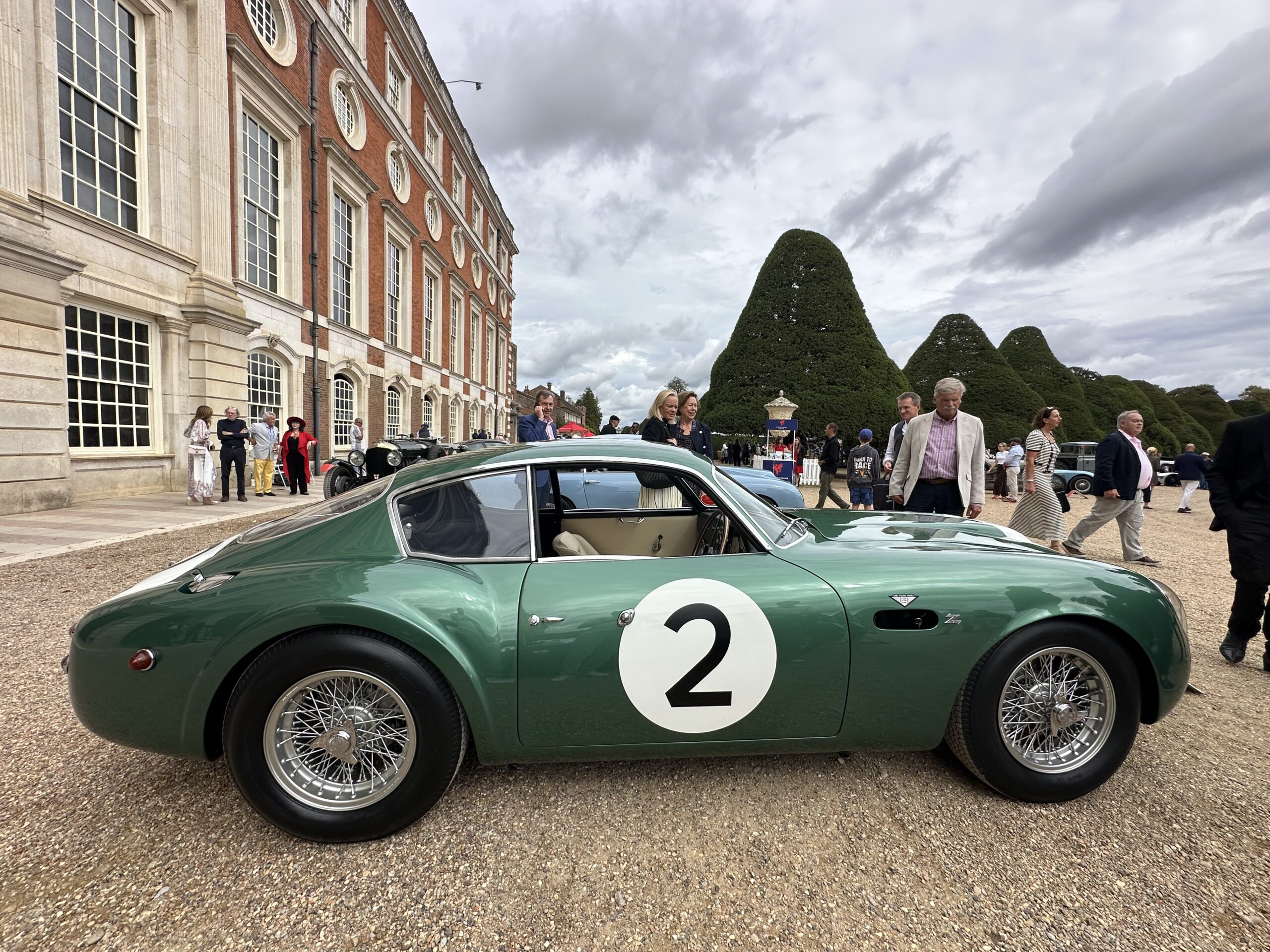
The 1961 Aston Martin DB4 GT Zagato is an ultra-rare, high-performance grand tourer displayed at Concours of Elegance 2026. Notably, Aston Martin built it with Italian design house Zagato to rival Ferrari on European racetracks.
Chassis DB4GT/0182/R, better known by its registration 1 VEV, left the factory in 1961 for John Ogier’s Essex Racing Stable. The team ordered two DB4 GT Zagatos, including 1 VEV and 2 VEV. Aston Martin built four cars in lightweight competition form, including 1 VEV. Finished in Aqua Verde Caliente with a black interior, it used Aston Martin’s shortened DB4 GT chassis. Zagato’s 23-year-old Ercole Spada designed its aluminium body.
Aston Martin unveiled the DB4 GT Zagato at the 1960 London Motor Show. It offered a lighter, more aerodynamic alternative to Ferrari’s 250 GT. Aston Martin planned 25 cars but completed only 19. Its 3670cc twin-plug straight-six officially produced 314bhp. However, Essex Racing Stable mechanic Ian Moss later recalled that 1 VEV produced closer to 270bhp in period.
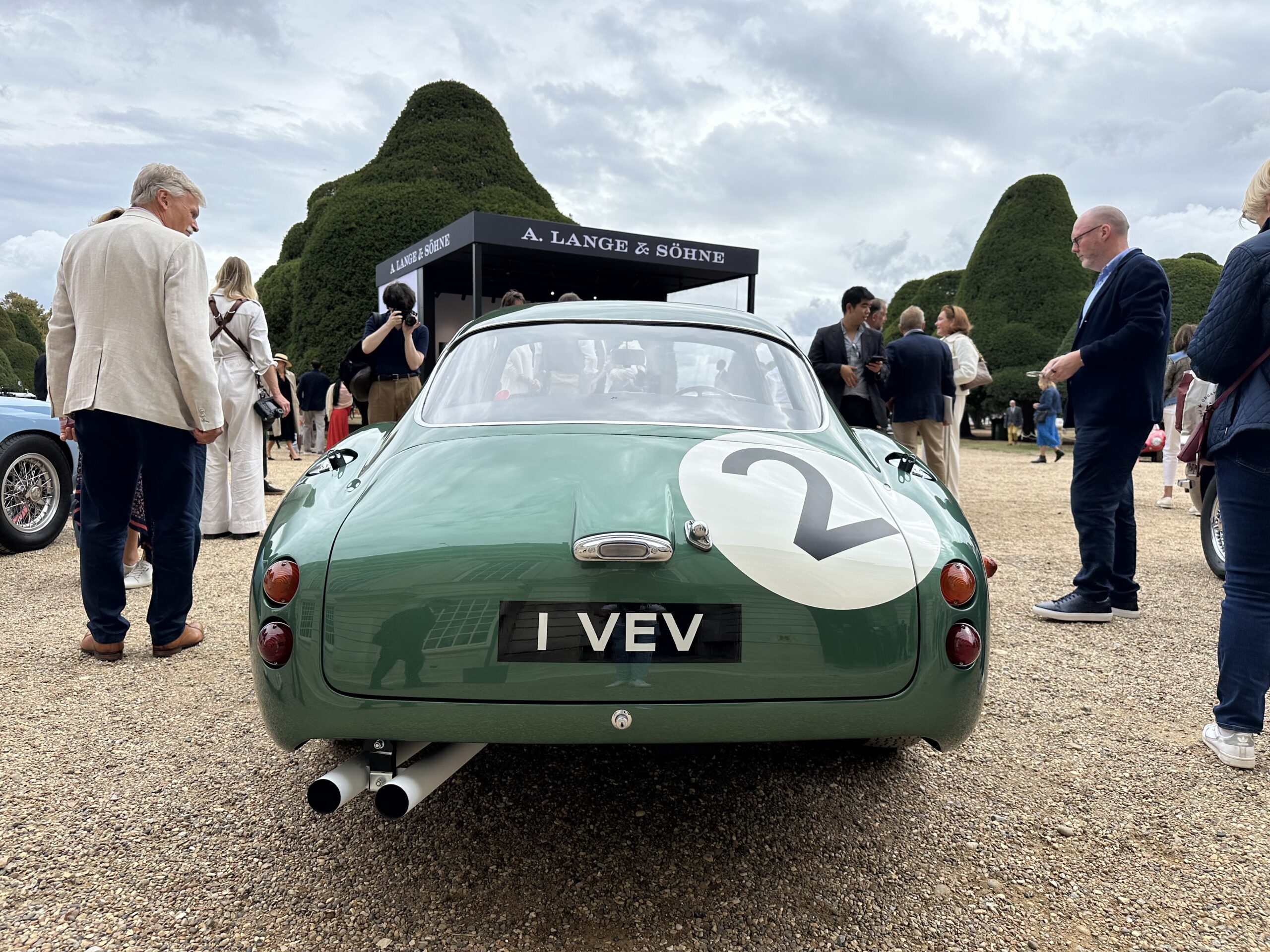
Its first major start came at the 1961 Le Mans 24 Hours, with Jack Fairman and Bernard Consten carrying number two. A head-gasket failure ended their race. However, the rest of the season established 1 VEV as the more consistent Essex Zagato. Roy Salvadori finished third in the RAC Tourist Trophy at Goodwood. He finished behind Stirling Moss and Mike Parkes, who drove Ferrari 250 GT SWBs. Tony Maggs then took second in the Coppa Inter-Europa at Monza, before Jim Clark and Innes Ireland finished sixth. They achieved that result in the Paris 1000 Kilometres.
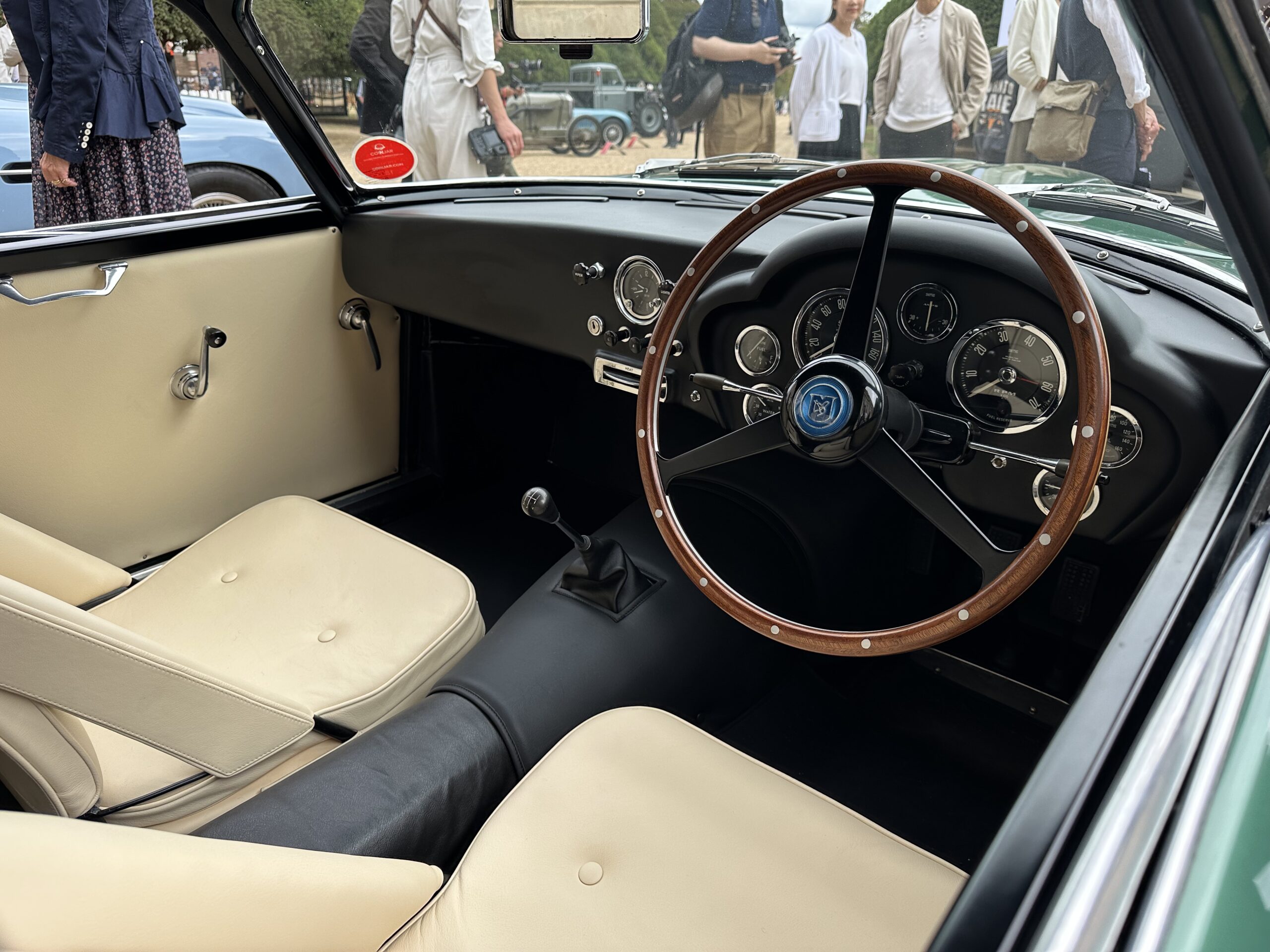
The lightweight DB4 GT Zagato returned in 1962. Maggs finished third at Oulton Park and won the over-3.0-litre GT class at the Trophée d’Auvergne, while Clark brought it home fourth at Silverstone’s International Trophy meeting. Graham Warner also raced it at Goodwood and in the Tourist Trophy, where engine trouble caused its final recorded period retirement.
Ogier retained 1 VEV until around 1968. During the later 1960s, it changed colour several times, appearing in white, maroon and finally Ferrari red, and acquired alterations to its wheelarches, trim and interior. It then remained with Mr Gregory until 1990. Unlike its sister car, which suffered major accidents, 1 VEV escaped serious damage and retained much of its original structure.
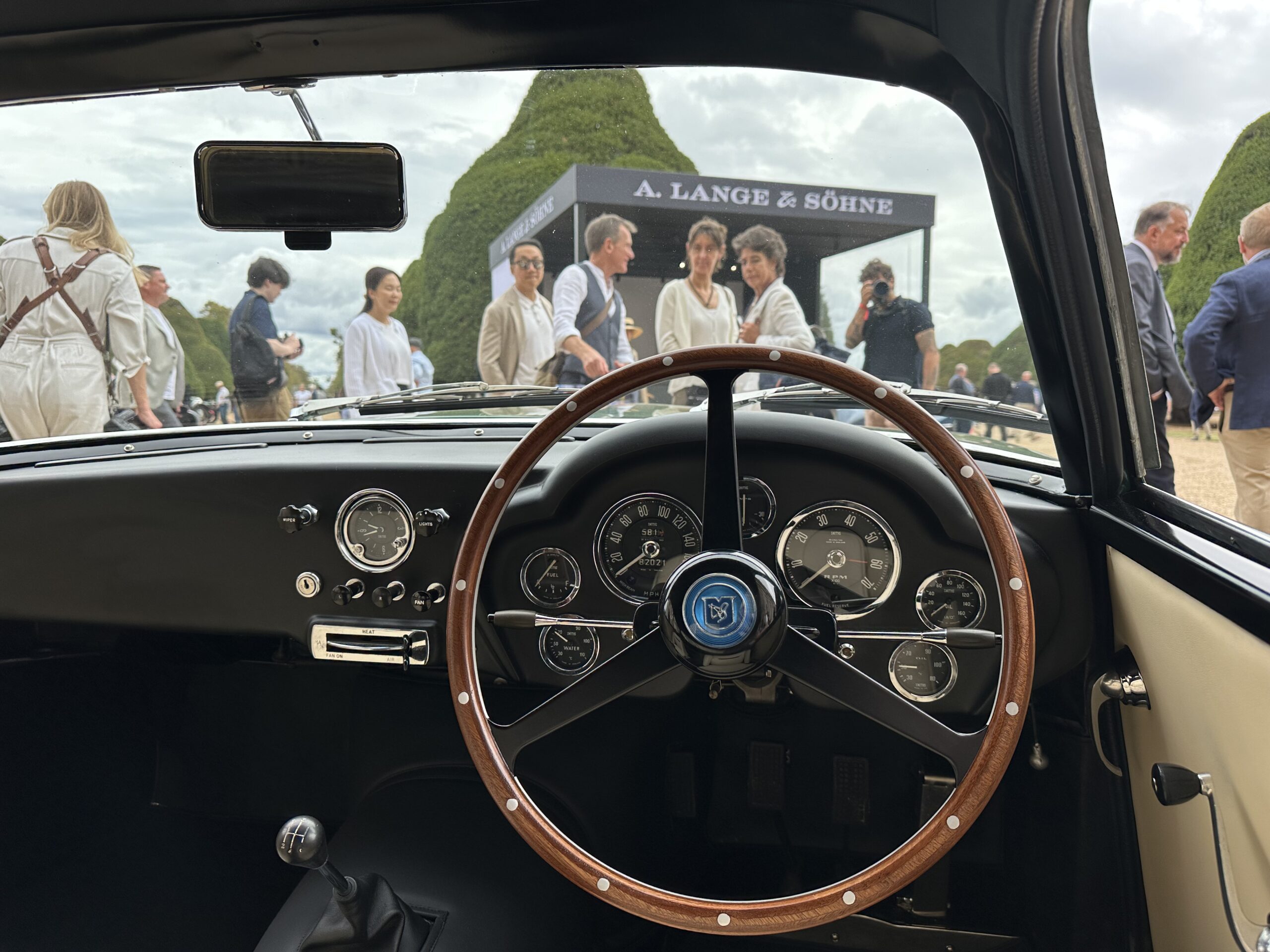
A restoration around 1990 returned the Aston to appropriate form, followed by a further programme in 2007. That work reinstated its original 1961 appearance, including the Aqua Verde Caliente finish and Essex Racing Stable details. Its surviving competition body, documented international race history and association with Salvadori, Clark, Ireland and Maggs make 1 VEV one of the most important Aston Martin Zagatos.
ENGINE: 3670cc/inline-six/naturally aspirated/DOHC
TRANSMISSION: Four-speed manual, RWD
POWER: 314 bhp
TORQUE: 278 lb ft
TOP SPEED: 153.5mph
0-60MPH: 6.1 seconds
WEIGHT: 1171 kg
NO. OF CARS MADE: 19
More Aston Martin DB4 GT Zagato articles here.
.
This amazing 1970 Lamborghini Miura P400 S displayed at Concours of Elegance 2026 is an iconic mid-engine Italian supercar, powered by a transverse 3.9-liter V12 engine that generates 370 horsepower.
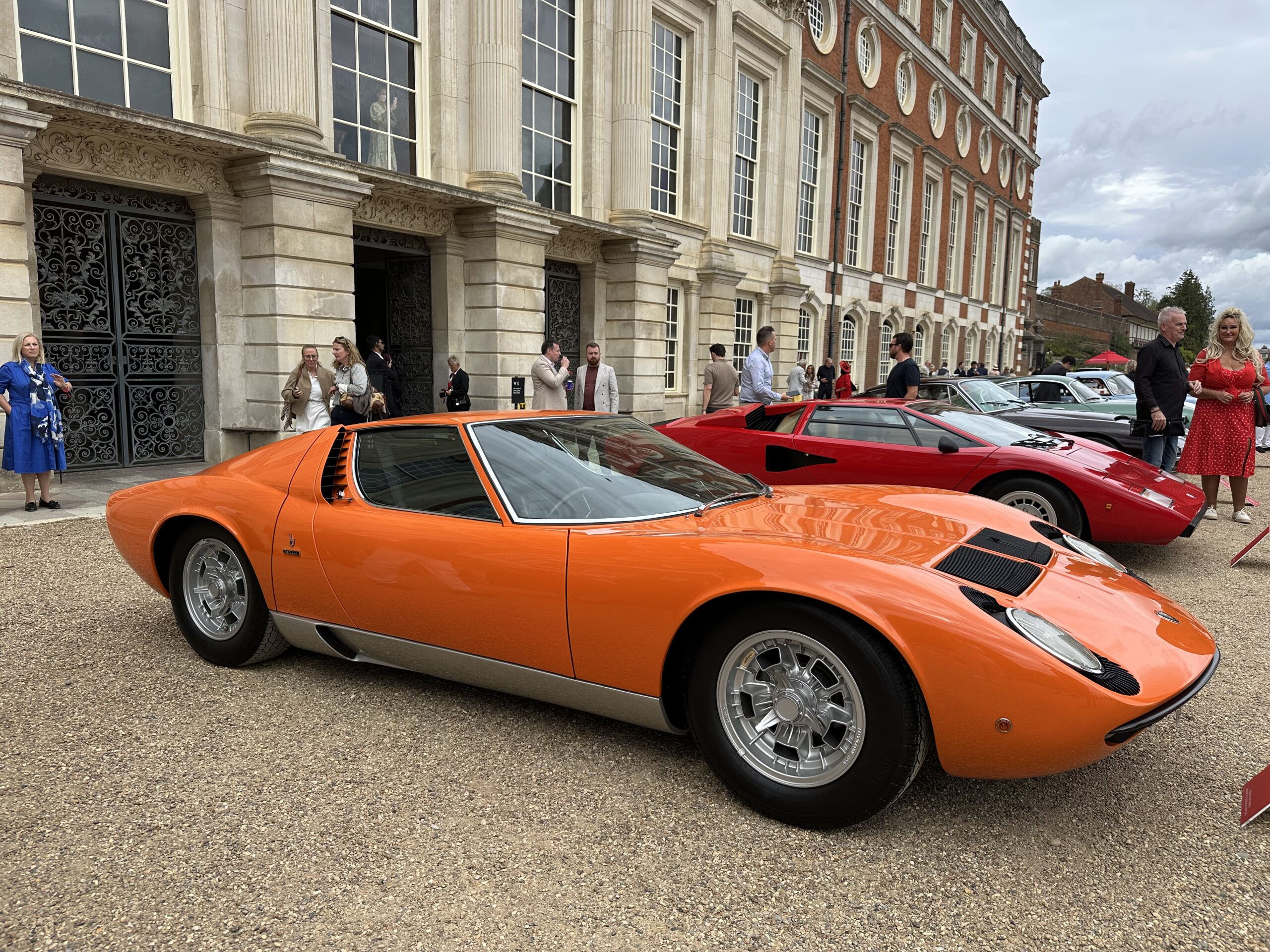
The Miura made its public debut at Geneva in 1966. Soon after, Lamborghini placed its V12 transversely behind the cabin. The compact assembly also shared the five-speed gearbox and differential. Meanwhile, Gianpaolo Dallara and Paolo Stanzani developed the chassis and mechanical layout. Finally, at Bertone, Marcello Gandini shaped the aluminium body under Nuccio Bertone’s direction.
Introduced in 1968, the P400 S developed the original Miura without substantially changing its appearance. Its 3929cc quad-cam V12 produced 370CV, up from 350CV. Koni dampers and revised suspension settings also improved its road behaviour. The S stood for Spinto, loosely meaning ‘tuned’ or ‘pushed’. Lamborghini introduced these improvements progressively rather than at one fixed chassis number. As a result, surviving P400 S cars can differ in detail. Early examples retained solid brake discs, while later cars gained ventilated units, making factory specification dependent on build date. Lamborghini built 338 P400 S examples between 1969 and 1971.
Chassis 4668 combined these developments with the uncommon right-hand-drive configuration required for the British market. Lamborghini produced one of 24 right-hand-drive Miura P400 S models in August 1970. The car features Arancio Miura paintwork over black leather. Lamborghini invoiced it to Lamborghini Concessionaires Ltd in London on August 25. The car reached Britain at the end of September. The following month it appeared on Bertone’s stand at the Earls Court Motor Show in London. Factory records associate the car with engine 30562 and production number 539.
Its original Arancio Miura paint and black leather interior matched the vivid colours closely associated with Bertone’s show cars, and its Earls Court appearance placed it before the British public only weeks after leaving Lamborghini HQ in Sant’Agata Bolognese.
The car had single ownership from 1975 to 2008. During this time, it was repainted red, although its original black interior remained in place. The current owner, Tom Hartley Jnr, acquired chassis 4668 in December 2013, at which time the car had only covered just over 13,000 miles from new. Following his purchase, the body colour was returned to its original Arancio Miura.
The car has covered just under 21,000 miles from new and retains its original interior and major components. These include the transverse V12 and combined engine, gearbox and differential assembly that defined the Miura’s engineering.
ENGINE: 3929cc/V12/naturally aspirated/DOHC
TRANSMISSION: Five-speed manual, RWD
POWER: 365 bhp (370CV)
TORQUE: 288 lb ft
TOP SPEED: 174 mph
0-60MPH: Roughly 5.5 seconds
WEIGHT: 1180 kg
NO. OF CARS MADE: 338
A total of 763 Lamborghini Miuras were built between 1966 and 1973.
Production Breakdown by Model
More Lamborghini Miura articles here.
.
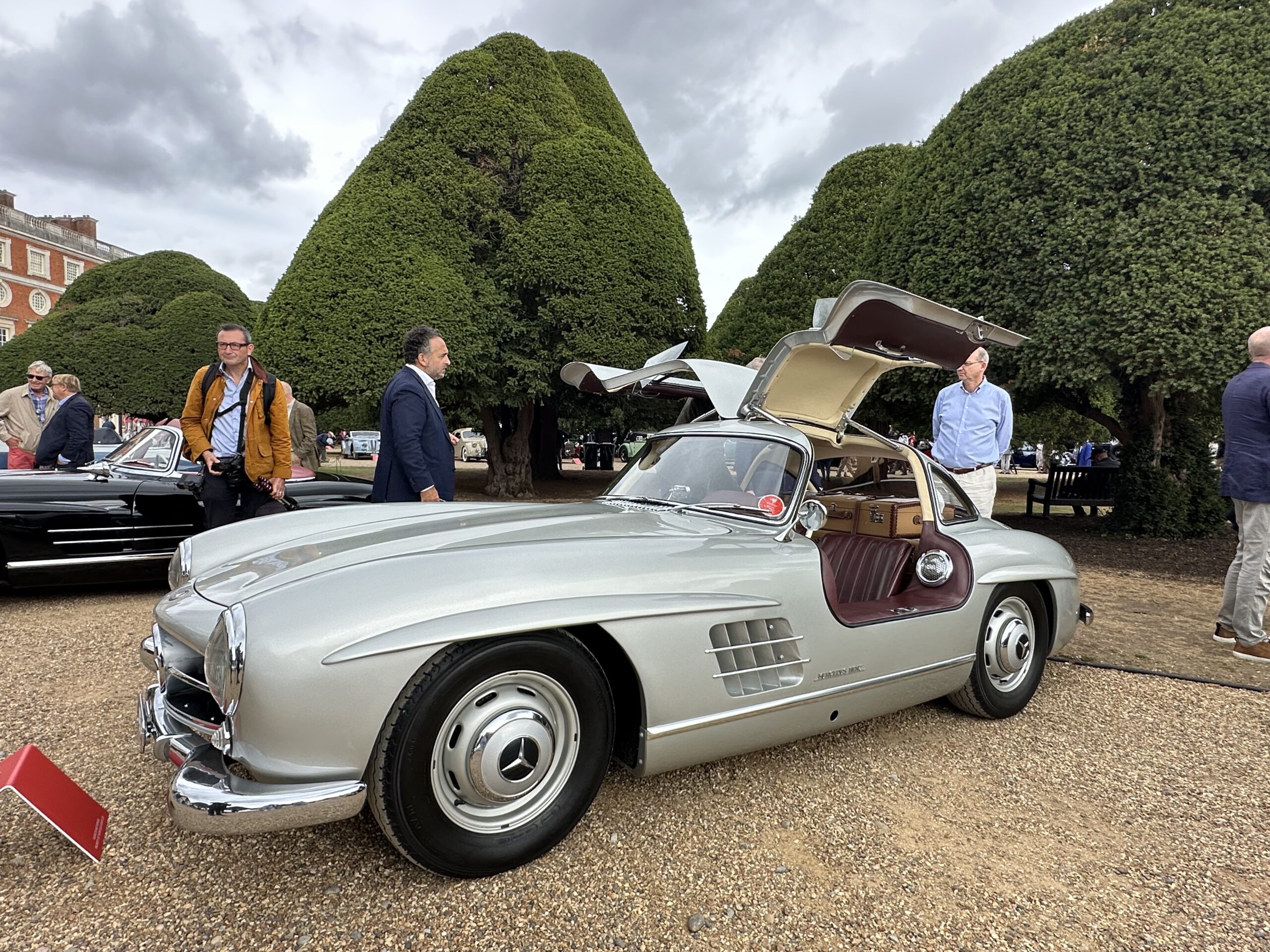
Another amazing car at Concour of Elegance 2026 was the 1955 Mercedes-Benz 300 SL Gullwing. This is a legendary two-seat sports car famed for its iconic upward-opening doors and its status as the fastest production car of its era.
The 300 SL ‘Gullwing’ translated Mercedes-Benz’s Le Mans-winning 1952 W 194 racer into a road model. Its tubular spaceframe rose high along the sides, making conventional doors impractical and producing the roof-hinged arrangement that gave the Gullwing its name. Bosch direct fuel injection helped the 2996cc straight-six produce 212bhp, while dry-sump lubrication allowed the engine to be inclined for a lower bonnet line.
This 1955 300 SL was ordered new by Lieutenant Commander Home Kidston, younger brother of Bentley Boy Glen Kidston. Glen Kidston was a Le Mans winner and celebrated Bentley Boy. Home specified DB 180 Silver Grey metallic paint and unusual code 523 Red Brown leather. He also requested a driver’s seat mounted one inch lower to accommodate his height. Kidston collected the car from the Stuttgart factory on April 20, 1955. Its surviving documentation includes correspondence about the order and the export manager’s business card. It even includes the receipt for the car’s first tank of fuel. Kidston drove the car to the Nürburgring and tested it on the circuit. It was then transported to Britain by cargo aircraft.
He recorded the Mercedes’ subsequent journeys in detail, noting routes, stopping points, average speeds and fuel consumption. Horse racing and motor racing frequently determined the destination, including the British Grand Prix and the 1956 Mille Miglia. During the Italian event, the Gullwing sustained a dent in an encounter with a Fiat Topolino, which Sergio Farina fixed without charge “whilst telling colourful jokes!”.
A red Maserati 3500 GT with cream leather was ordered in 1960, and the Mercedes was sold for £1200. Home Kidston’s son Simon began searching for it in 1988. A check with the Swiss registration authorities finally located the car in 2010 at a chalet near the school he had attended outside Gstaad, on a road he’d passed repeatedly.
The owner declined to sell, and negotiations continued for eight years. He eventually proposed swapping the car for a restored, silver, Swiss-registered Gullwing with factory Rudge wheels. Simon Kidston acquired a suitable example and completed the exchange at the end of 2018, exactly 30 years after beginning his search.
HK Engineering subsequently completed a mechanical rebuild and conservative restoration, retaining surviving finishes and details. The engine still carried its yellow factory markings when work began in 2019. The Gullwing has since returned to the Mille Miglia as a back-up car and has been driven on studded tyres at The ICE in St Moritz. “The toughest search of my career,” says Simon.
ENGINE: 2996cc/inline-six/naturally aspirated/SOHC
TRANSMISSION: Four-speed manual, RWD
POWER: 212 bhp
TORQUE: 203 lb ft
TOP SPEED: 140 mph
0-60MPH: Roughly 7 seconds
WEIGHT: 1295 kg
NO. OF CARS MADE: 1400
More Mercedes-Benz 300 SL Gullwing articles here.
.
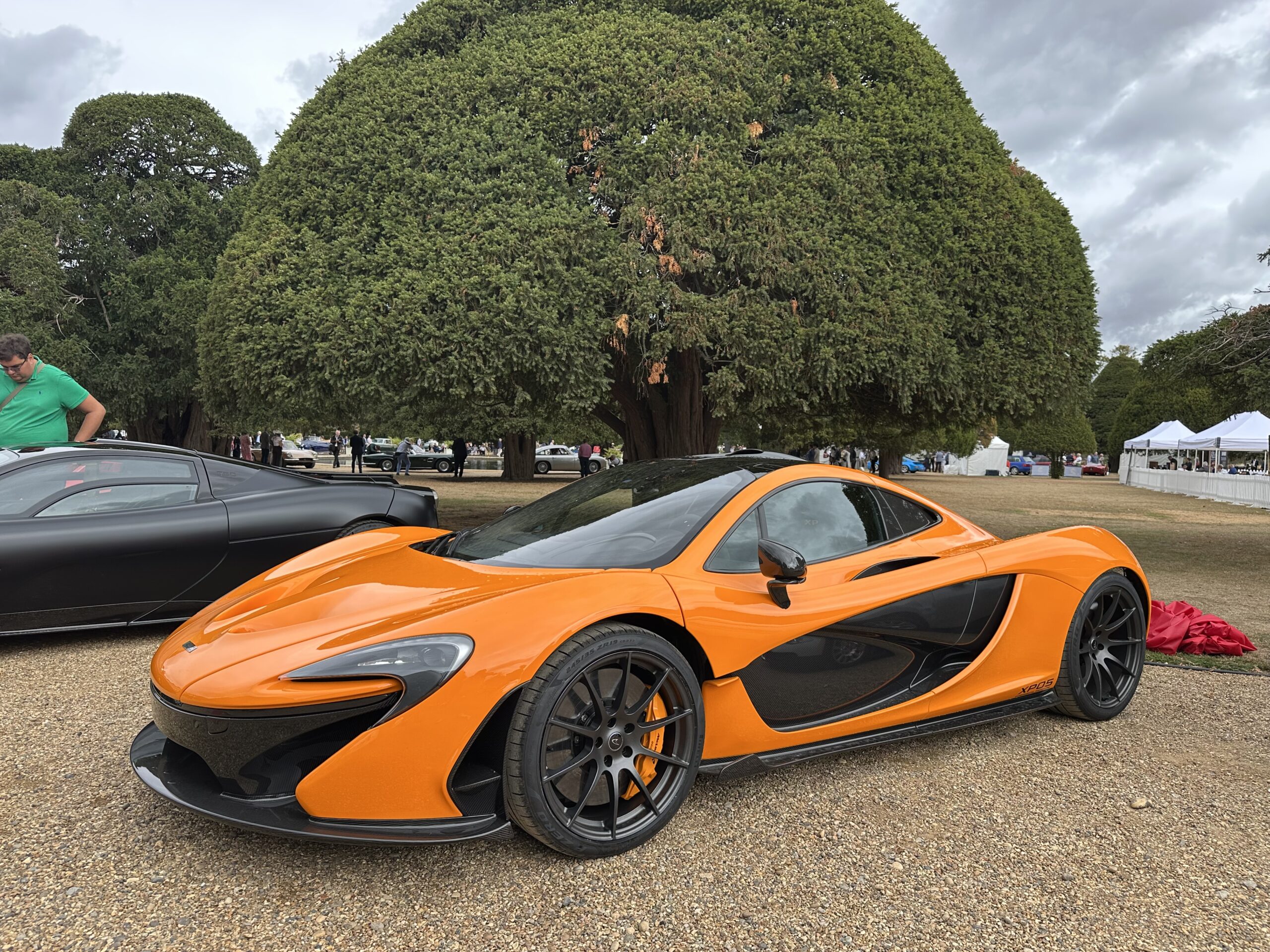
The 2013 McLaren P1 XP05, displayed at Concours of Elegance 2026, is an extremely rare experimental prototype. McLaren used it to test the gearbox and Bosch fuel injection system during the hypercar’s development.
The McLaren P1 arrived as performance cars began embracing hybridisation to increase performance rather than improve economy. McLaren previewed the concept at the 2012 Paris Motor Show and revealed the production version at Geneva in 2013. It combined a carbonfibre structure, active aerodynamics and petrol-electric power.
At its core was McLaren’s carbonfibre MonoCage, around which sat a 3.8-litre twin-turbocharged V8 and a single electric motor. Together they produced 903bhp and 664lb ft, driving the rear wheels through a seven-speed dual-clutch transmission. McLaren quoted 0-62mph in 2.8 seconds and an electronically limited top speed of 217mph. Its active front and rear aerodynamic devices could generate as much as 600kg of downforce, while the IPAS electrical system could supply additional power and help fill the torque response of the turbocharged engine.
McLaren limited production to 375 cars but built a small group of Experimental Prototypes, known as XP cars, for development work. Records for XP05 show that McLaren produced just 14 prototypes. The team used them throughout the P1 programme for circuit testing, hot- and cold-weather evaluation, and component development. Some prototypes later underwent destructive crash testing.
XP05, chassis 990006, survived. Its principal development role was testing the P1’s gearbox and Bosch fuel-injection system. Once those duties were complete, McLaren repurposed the car as a P1 GTR display vehicle, and it appeared in GTR form at the Geneva and New York Motor Shows in 2015. The P1 GTR programme itself took the road car further towards circuit use, with increased power, reduced weight, more aggressive aerodynamics and a fixed-height suspension set-up.
After completing its development and display duties, McLaren stripped XP05 back to its carbonfibre MonoCage. McLaren then rebuilt the car to road-going production P1 specification. The team retained the prototype chassis and inspected every component, replacing parts where necessary. Finally, McLaren finished the car in McLaren Orange with a Carbon Black Alcantara interior.
The car’s history is documented in a dedicated book. It has also been accompanied by its scale model, original handbooks, spare key and supporting history file. Its chassis number identifies the structure that passed through the P1 development programme and McLaren’s later P1 GTR show-car programme. I am so glat I got to see it at Concours of Elegance 2026.
ENGINE: 3799cc/V8/twin-turbocharged DOHC/single electric motor
TRANSMISSION: Seven-speed SSG dual-clutch, RWD
POWER: 903 bhp
TORQUE: 664 lb ft
TOP SPEED: 217 mph
0-62MPH: 2.8 seconds
WEIGHT: 1395 kg
NO. OF CARS MADE: 375
More McLaren P1 articles here.
.
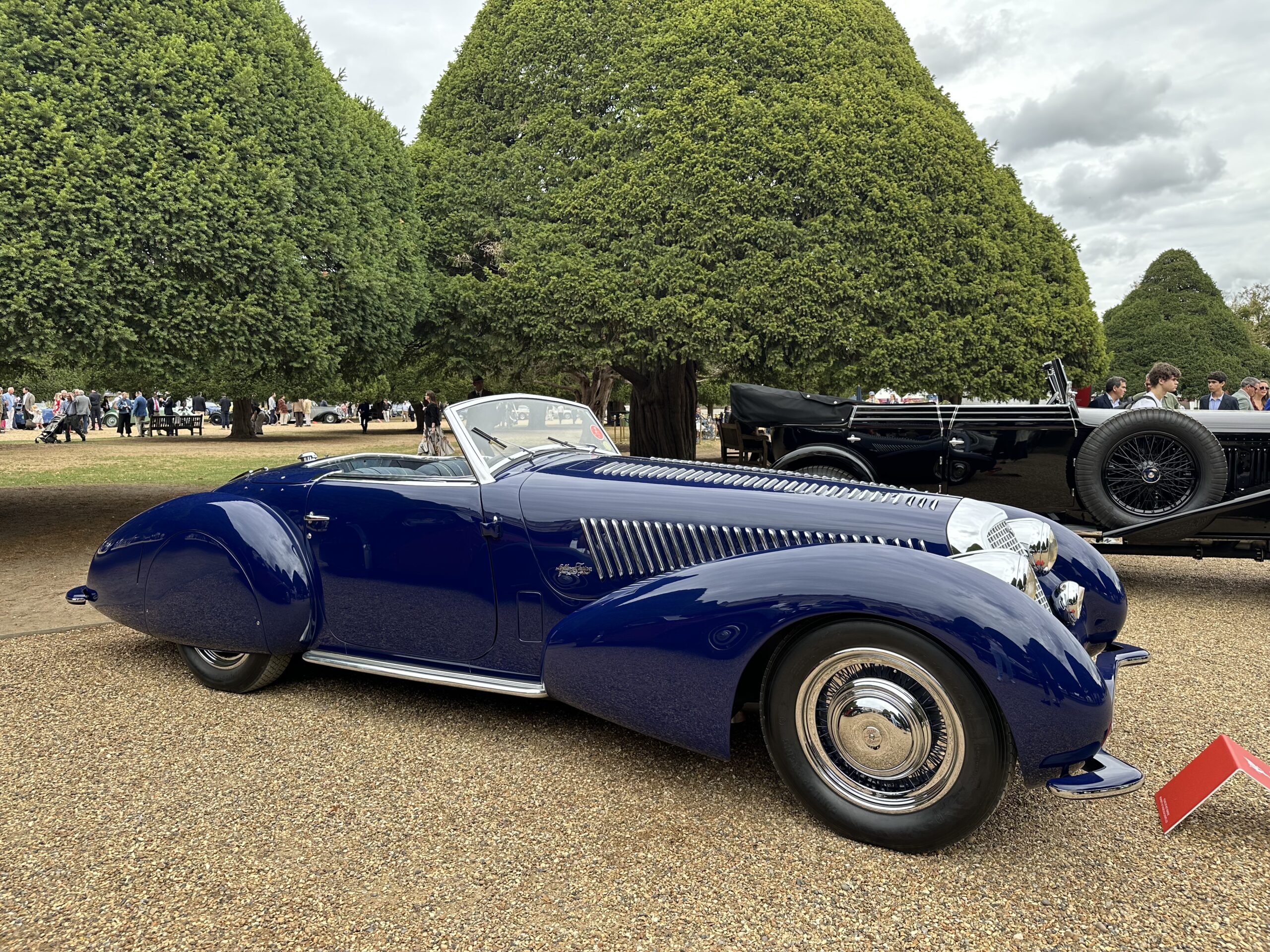
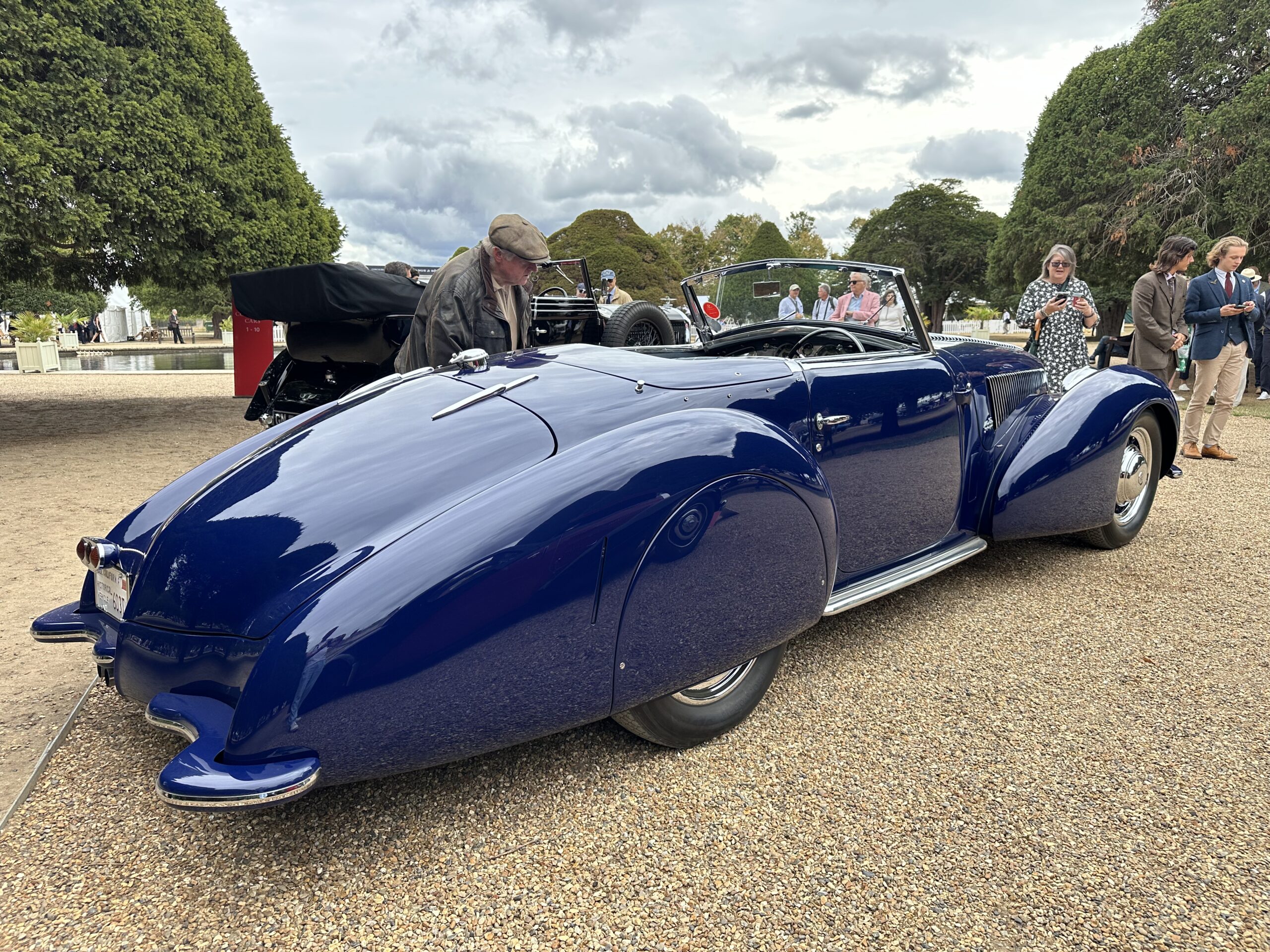
The 1938 Alfa Romeo 8C 2900B Cabriolet by Stabilimenti Farina (Chassis 412028), displayed at Concours of Elegance 2026, is a one-of-a-kind masterpiece and one of the most exclusive prewar supercars ever built.
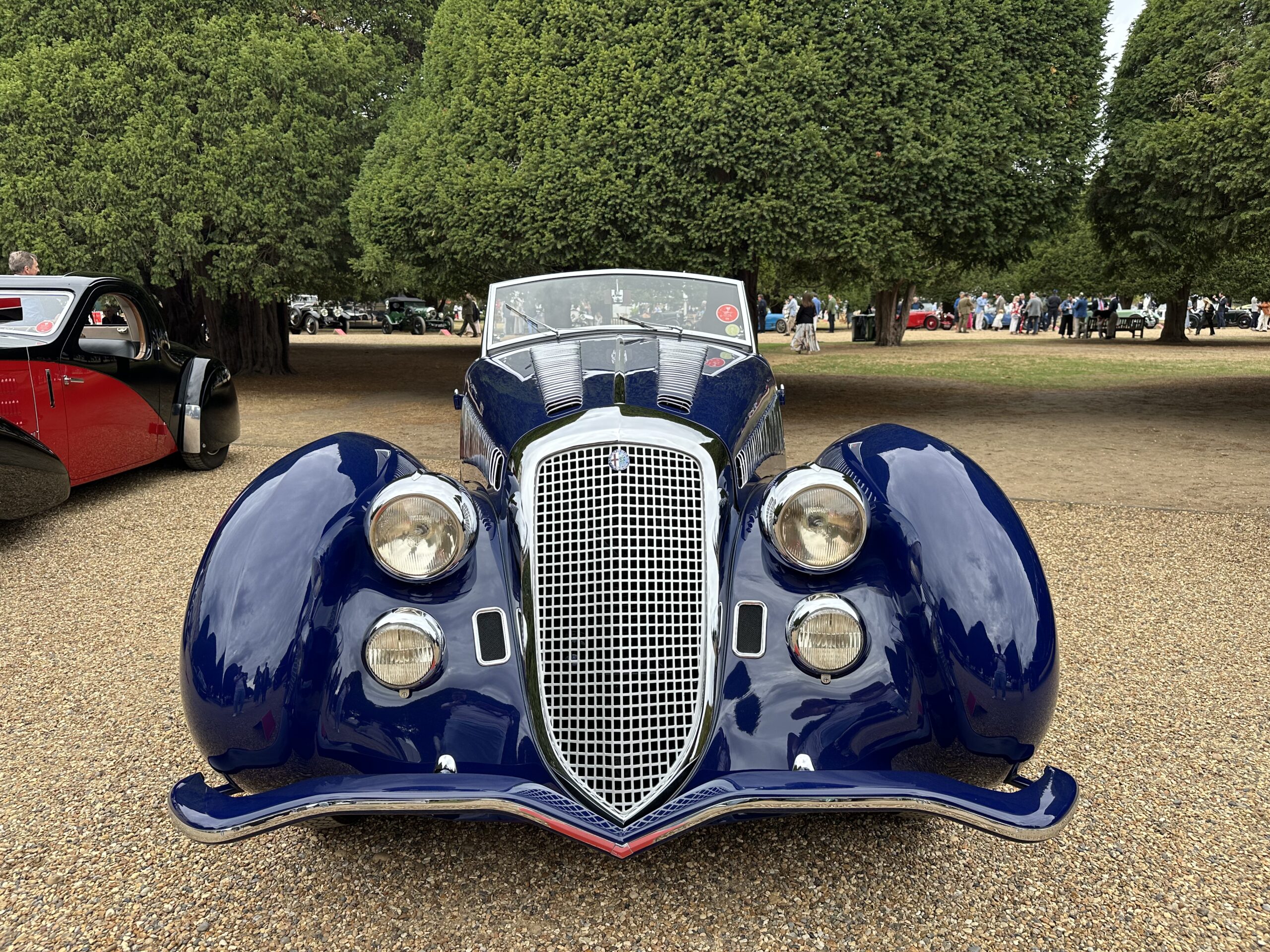
Chassis 412028 is the only Alfa Romeo 8C 2900B known to have received cabriolet coachwork by Stabilimenti Farina. Launched in 1937, the 8C 2900B was the fastest and most expensive Italian road car of its day. It evolved from the 2900A sports racer, itself closely related to Alfa Romeo’s P3 Grand Prix car. Production ended in 1939 after 20 Corto and ten Lungo examples.
Most 8C 2900Bs were bodied by Touring, but 412028 followed a more personal route. Its first owner was Giuseppe ‘Nino’ Farina, Italian champion in 1937, 1938 and 1939, and later the first Formula One World Champion in 1950. Farina’s father founded Stabilimenti Farina, while his uncle Battista ‘Pinin’ Farina ran a rival company. The body is believed to have been designed by Pinin Farina within that family circle. Its lines recall the prize-winning ‘Bocca’ style, while the blue shagreen interior and matching luggage remain defining features.
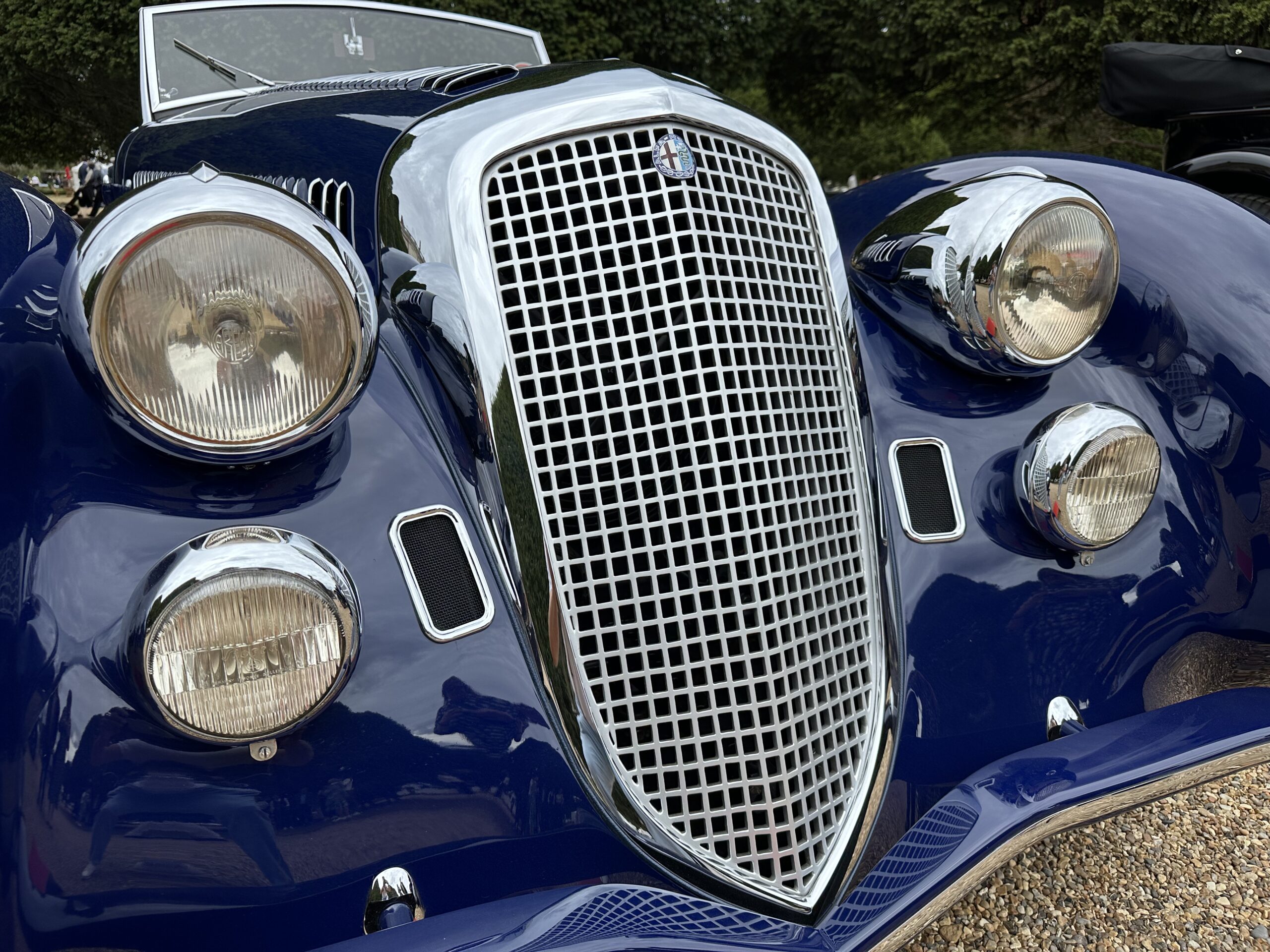
The certificate of origin was dated July 13, 1938, and the car was registered to Alfa Romeo in Milan the following day as MI 64169. Photographs taken at the German Grand Prix show it carrying that number, prompting the belief that Farina or another Alfa Corse driver used it to travel to the Nürburgring. In November 1938, Alfa Corse described it as Farina’s 2900B ‘Mille Miglia car’, and in April 1939 it appeared on the cover of Motor Italia.
The Alfa was registered to Farina on January 31, 1939, as TO 53829, but passed to Alesandro Riretti that April. Mario Meregaglia, Luigi Arreglio and Vittorio Bocca followed. After the war, Luigi Chinetti helped arrange its sale to Tommy Lee in the United States. It later appeared on the cover of Road & Track, was shown at Pebble Beach in 1956 and joined Bill Harrah’s collection in 1964.
After the Harrah dispersal, the car passed through Charles Howard, Al Guggisberg and Eric Traber before Arturo Keller acquired it partly restored. Mike Fennell completed the work in California with advice from Simon Moore, and 412028 returned to Pebble Beach in 1995.
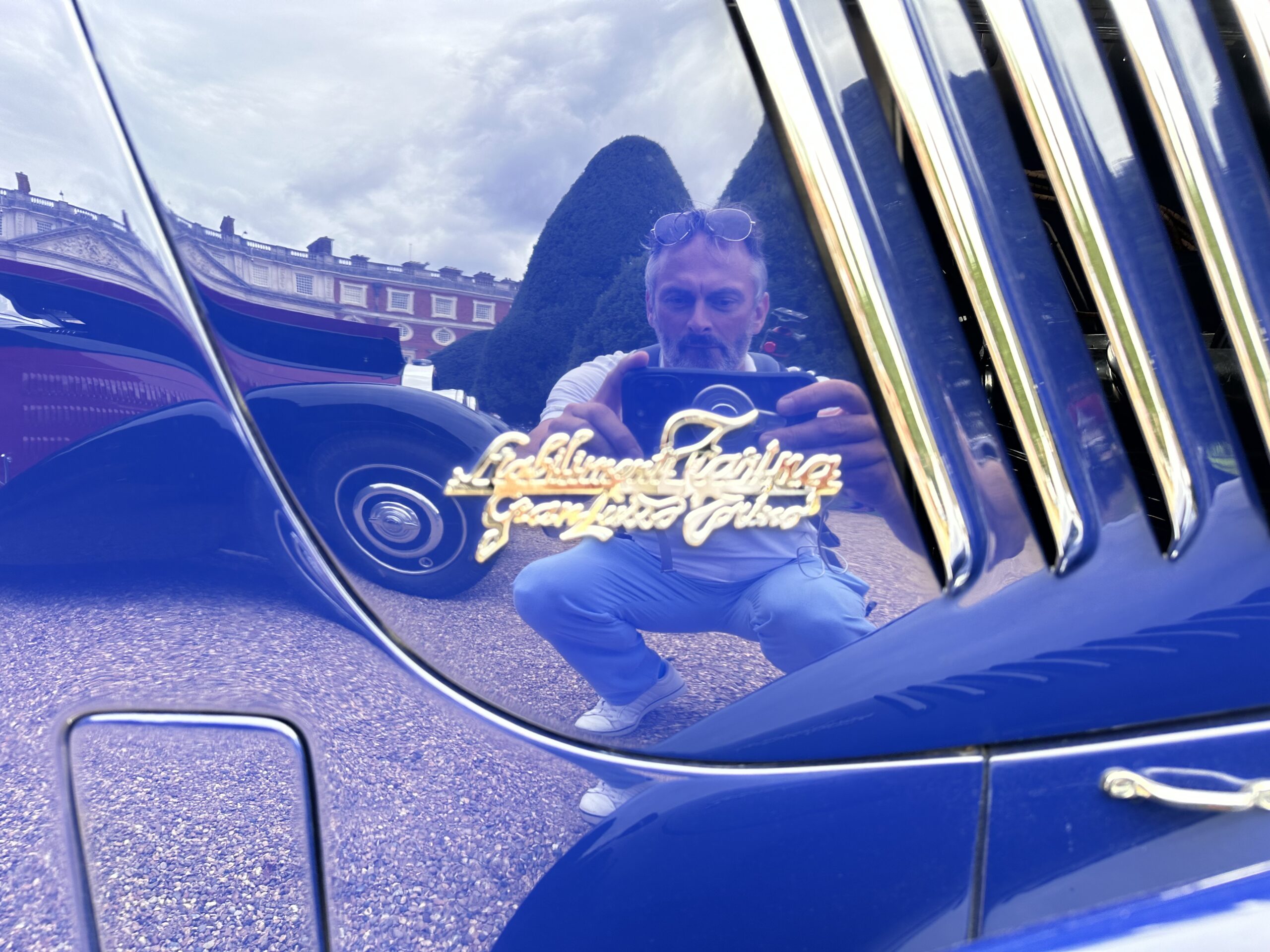
In 1996, Keller entered the Monte Carlo Rallye des Voitures Anciennes. An ignition-switch fault stranded the Alfa at a filling station before the prize ceremony. The team bypassed the fault, allowing the car to reach the palace under motorcycle escort. Prince Rainier and Princess Stéphanie presented Keller with Best of Show as the Mexican national anthem played. In 2025, it won Best of Show at The Amelia, then received The Peninsula Classics Best of the Best Award in Paris on January 26, 2026, before appearing at Rétromobile.
ENGINE: 2905cc/inline-eight/twin-supercharged/DOHC
TRANSMISSION: Four-speed manual, RWD
POWER: 180 bhp
TORQUE: N/A
TOP SPEED: 106 mph
0-60 MPH: Roughly 9-10 seconds
WEIGHT: Approx. 1400 kg
NO OF CARS MADE: 1
More Alfa Romeo 8C articles here.
.
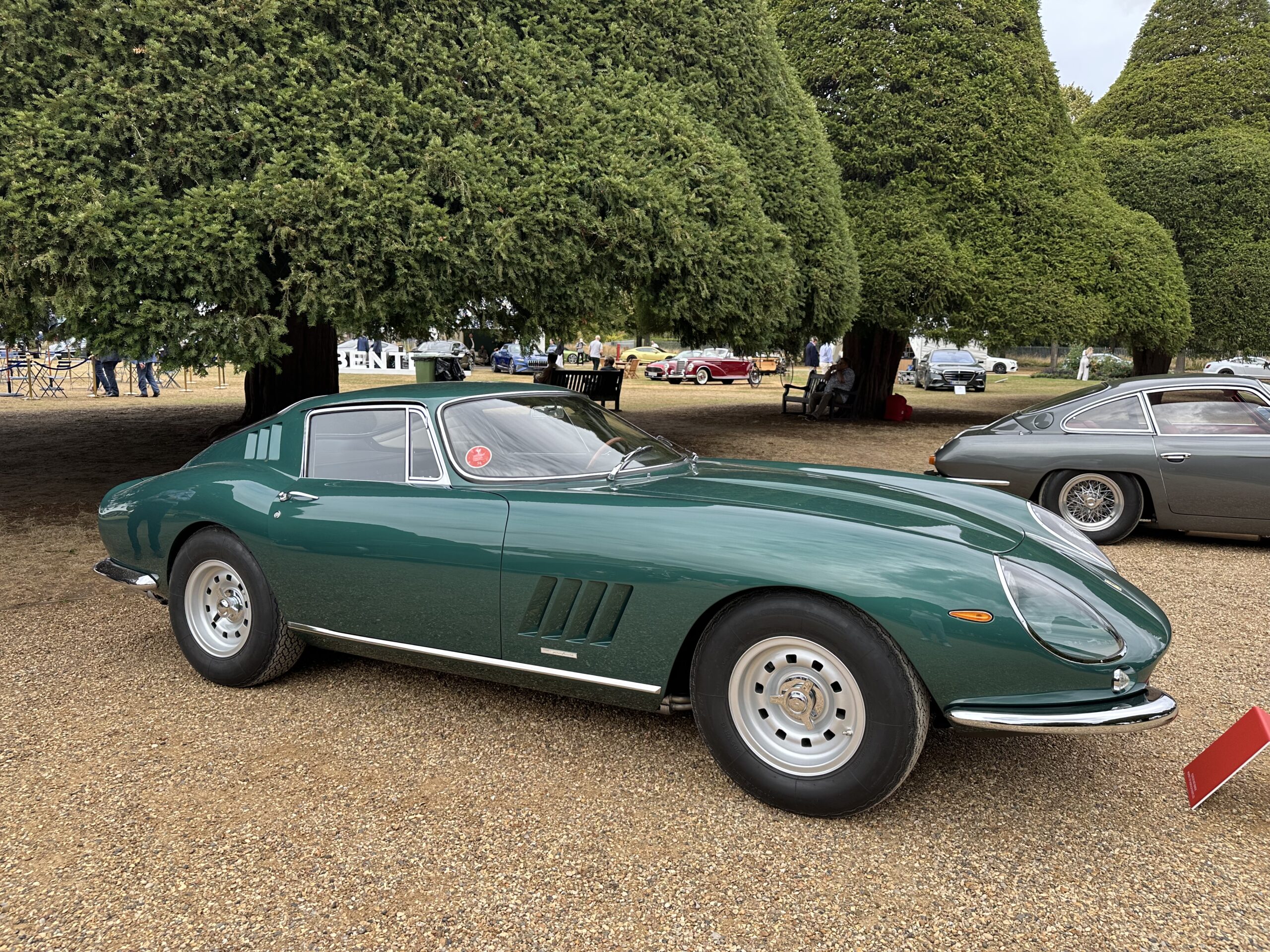
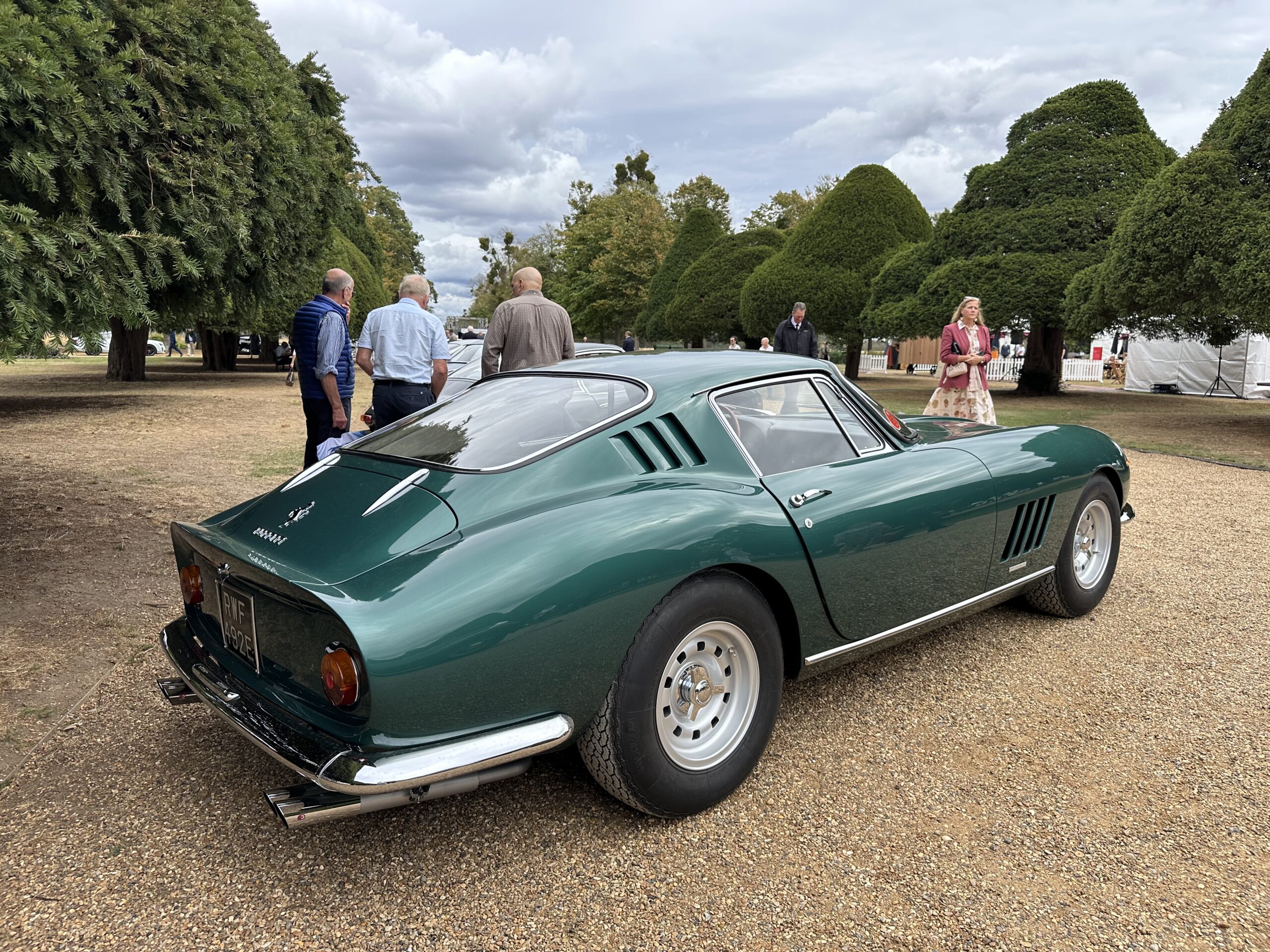
Displayed at Concours of Elegance 2026, the 1967 Ferrari 275 GTB/4 is a legendary V12-powered grand tourer. It features a Scaglietti-designed aluminium or steel body and an advanced four-overhead-camshaft engine.
Chassis 10413 is a 1967 Ferrari 275 GTB/4 with Scaglietti-built Berlinetta coachwork, finished in Verde Pino over Nero leather. Ferrari sent its chassis frame to Carrozzeria Scaglietti in June, where the company began constructing the body and completing final assembly. In September, Motor S.a.s. di Carla Allegretti e C. in Bologna received the completed car.
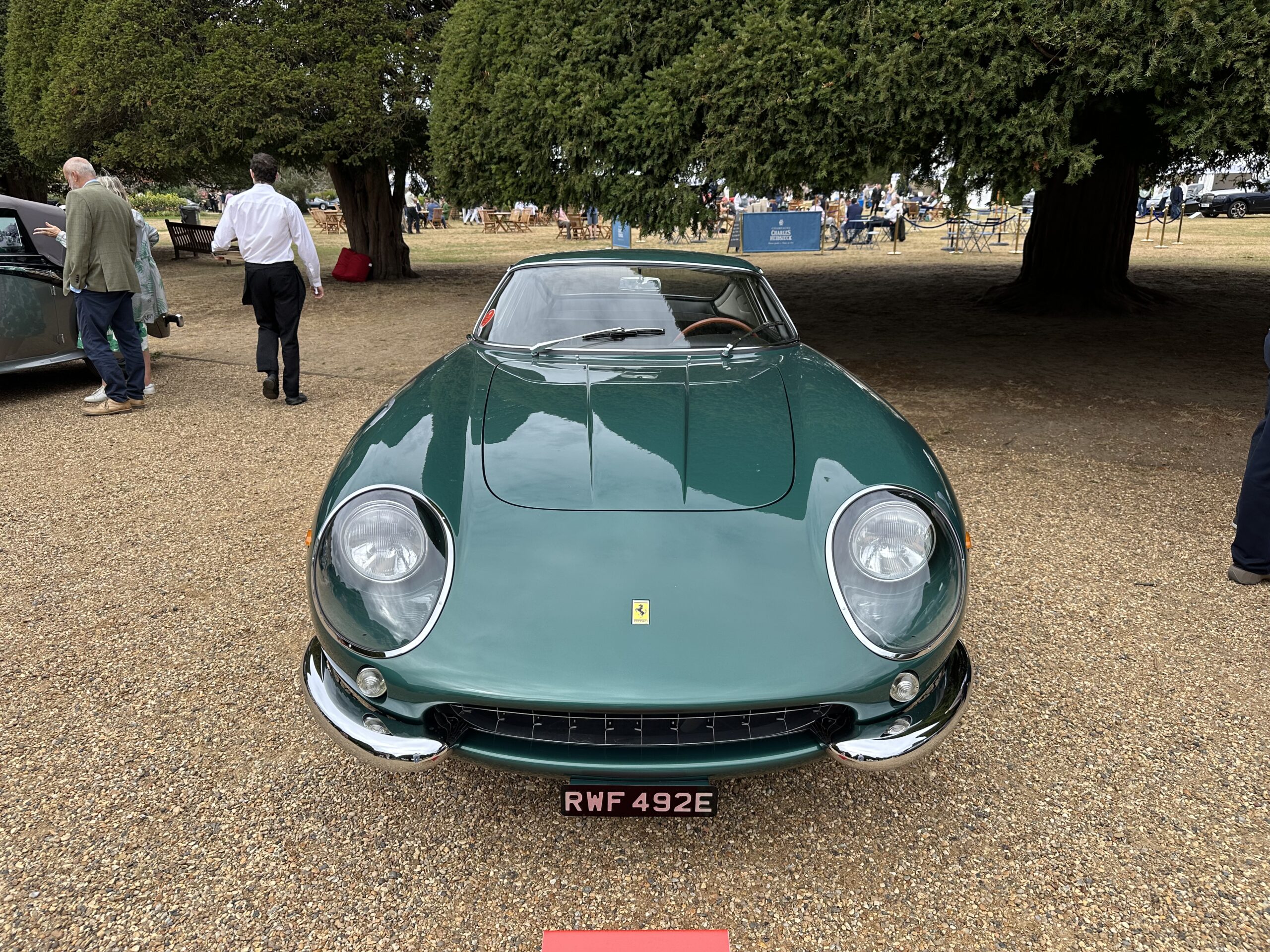
The car retains chassis number 10413, engine number 1824 and gearbox number 517/I. The model used Ferrari’s 3286cc V12 with four overhead camshafts and six Weber carburettors, coupled to a five-speed rear transaxle.
By 1969, 10413 was with dealer Dino Armando Genghini in Milan. The car remained in Italy until the early 1970s, when its owner exported it to the United States. In 1976, Joel Fierman of Rye, New York, acquired the Ferrari and kept it for 45 years. During Fierman’s ownership, he had the Ferrari repainted burgundy, replacing its original Verde Pino finish.
A restoration began at Ferrari of Atlanta in 1993. The body was stripped to bare metal before Bo Pirkle repainted it in its original colour. The work preserved the factory combination of Verde Pino paint and Nero leather, while retaining the numbered engine and gearbox recorded with the car. Following restoration, Fierman continued to own 10413 until March 2021.
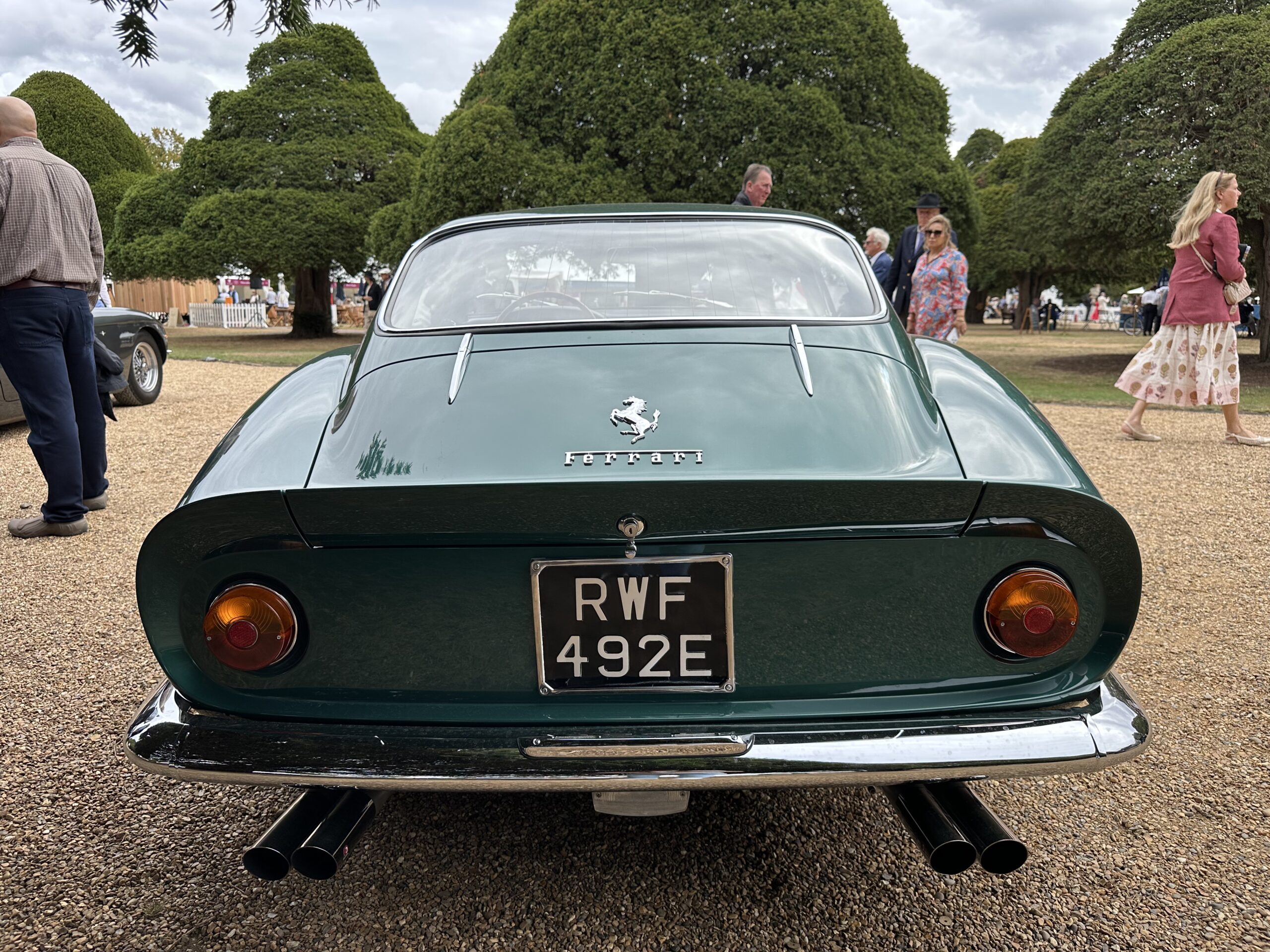
Tom Hartley Jnr Ltd purchased the Ferrari directly from Fierman, ending the longest period of ownership in its recorded history. At the time, the car retained its matching chassis, body, engine and gearbox, with 34,695 miles recorded. Tom Hartley Jnr sold the car to Eric Heerema in February 2022.
Before restoration began, the car’s identity and chronology were established through records by marque historian Marcel Massini. These confirmed the June 1967 dispatch of the frame to Scaglietti, its September delivery in Bologna and its later presence with Genghini. The sequence also allowed the restoration teams to work from the car’s original specification.
Heerema then commissioned a full concours restoration in Italy. From September 2022 until June 2026, Quality Cars of Pianiga, near Venice, restored the Scaglietti body and returned it to its original Verde Pino finish. Autofficina Sauro in Bologna rebuilt and restored the mechanical components, including engine 1824, while the interior was completed in Nero leather. The four-year programme returned 10413 to the colour scheme in which it had left Ferrari in September 1967.
ENGINE: 3286cc/V12/naturally aspirated/DOHC
TRANSMISSION: Five-speed manual, RWD
POWER: 296 bhp
TORQUE: 217 lb ft
TOP SPEED: 166 mph
0-60MPH: Roughly 5.5-6.0 seconds
WEIGHT: 1100 kg
NO OF CARS MADE: 330
More 1967 Ferrari 275 GTB/4 articles here.
.
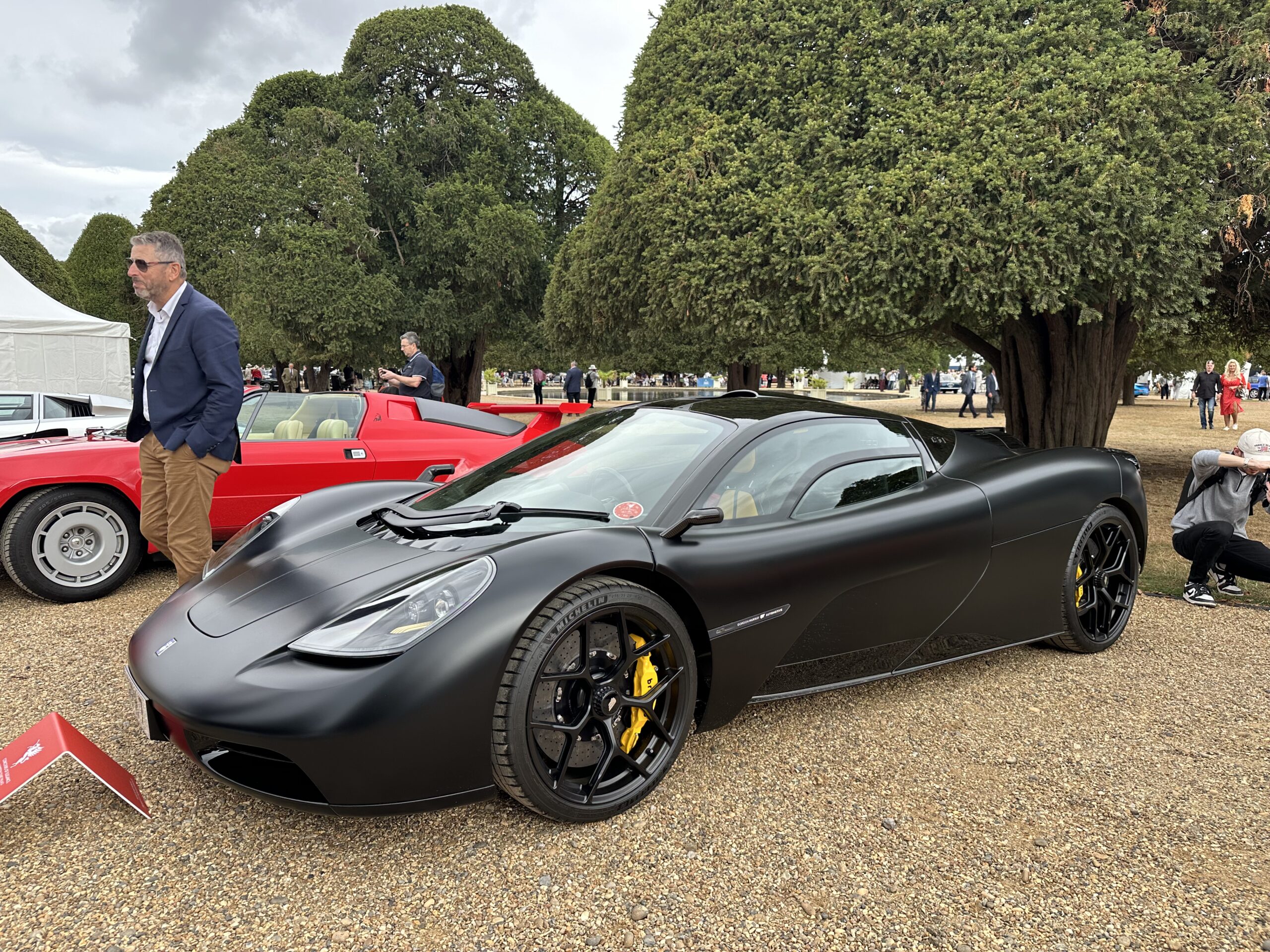
The 2025 Gordon Murray Automotive T.50 is an ultra-exclusive, lightweight analogue hypercar displayed at Concours of Elegance 2026. It features a naturally aspirated 3.9-litre Cosworth V12 engine that revs to an incredible 12,100 rpm.
Gordon Murray Automotive unveiled the T.50 in August 2020 as its first production road car. The model represents Gordon Murray’s philosophy of low weight, compact dimensions and mechanical involvement. Its central driving position naturally invited comparisons with Murray’s McLaren F1. However, Murray conceived the T.50 more than 25 years later as a clean-sheet design, not a recreation.
At its centre is a naturally aspirated 3994cc V12 developed specifically for the car by Cosworth. Capable of revving to 12,100rpm, it sends its power to the rear wheels through a six-speed manual gearbox. The driver sits centrally, with two passenger seats positioned slightly behind and to either side. The three-seat arrangement, dihedral doors and emphasis on outward visibility echo ideas introduced on the F1, but the engineering surrounding them is substantially different.
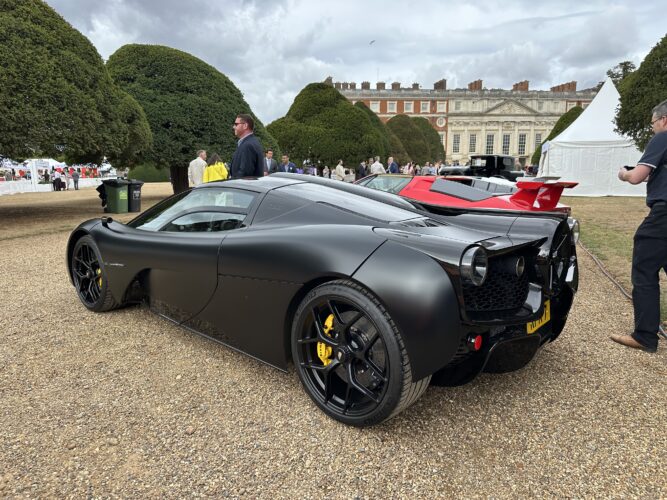
The T.50 also represented a deliberate rejection of the direction taken by many contemporary hypercars. Murray prioritised steering feel, packaging and mass over headline acceleration figures, and the car uses relatively modest 19in front and 20in rear wheels rather than oversized rims. Its compact footprint is significant, too: at 4352mm long and 1850mm wide, it is shorter and narrower than many modern supercars. The engine is semi-structural, while suspension is by double wishbones at each corner.
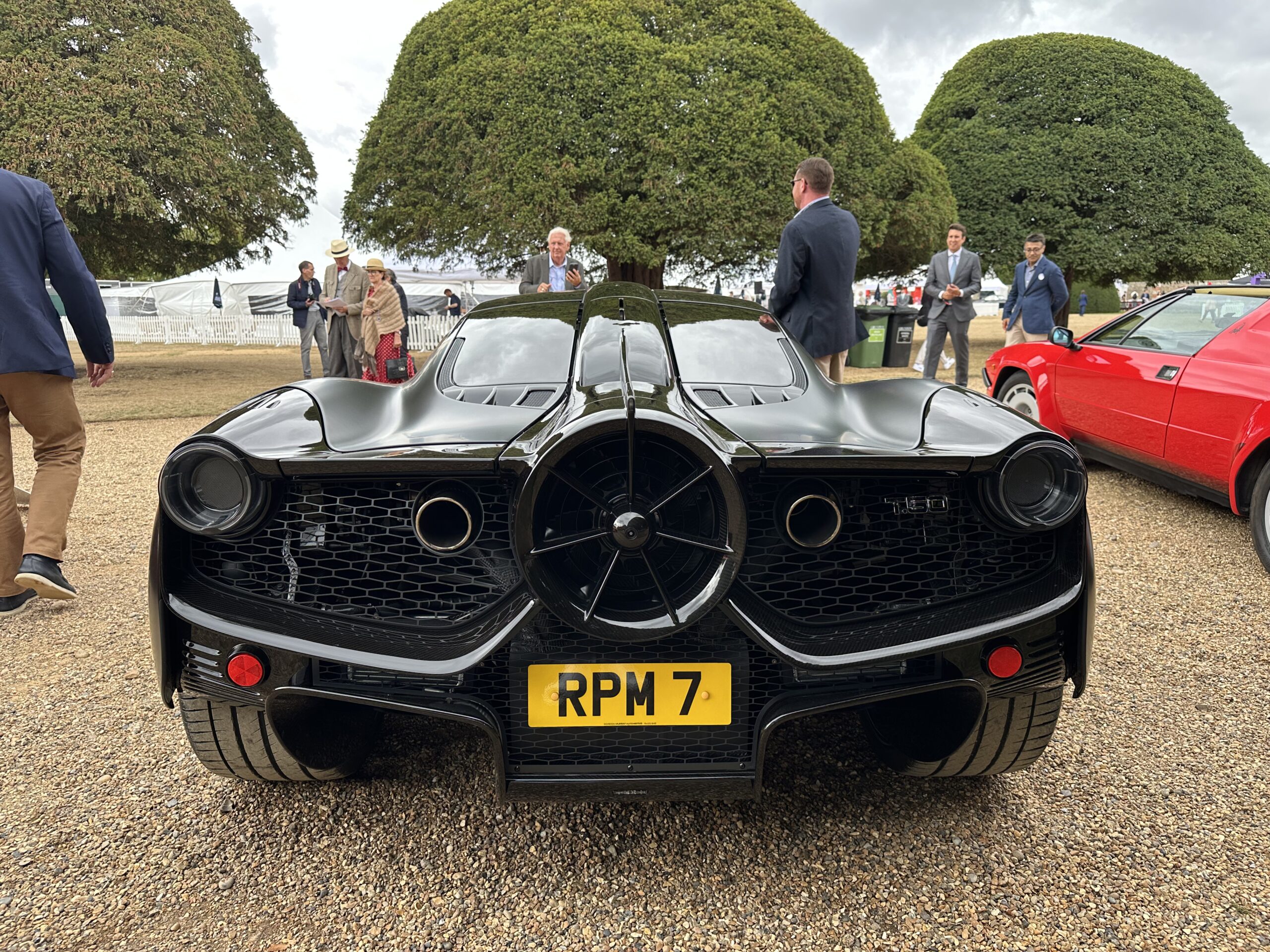
Most conspicuous is the 400mm fan mounted at the rear. The concept recalls the fan-assisted aerodynamics Murray explored with the 1978 Brabham BT46B Formula 1 car, although the T.50 uses the device differently. It accelerates airflow beneath the car in conjunction with active rear spoilers and diffusers. Different operating modes can increase downforce, reduce drag and improve stability under braking, allowing the body to dispense with the large, fixed wings associated with many high-downforce supercars. The system can increase downforce by 50 percent and reduce drag by 12.5 percent.
Weight reduction was pursued throughout the design. The carbonfibre structure, lightweight body panels and close attention to individual components result in a quoted vehicle weight of 986kg in GMA’s current specification. The designers machined the brake and clutch pedals from aluminium, while they made the accelerator, gearlever and exposed gearchange mechanism from titanium. The dashboard follows the same restrained approach, with a large analogue rev counter directly ahead of the driver.
ENGINE: 3994cc/V12/naturally aspirated/DOHC
TRANSMISSION: Six-speed manual, RWD
POWER: 641 bhp
TORQUE: 353 lb ft
TOP SPEED: 226 mph
0-60MPH: Roughly 2.7 to 2.9 seconds
WEIGHT: 986 kg
NO. OF CARS MADE: 100
More Gordon Murray Automotive T.50 articles here.
.
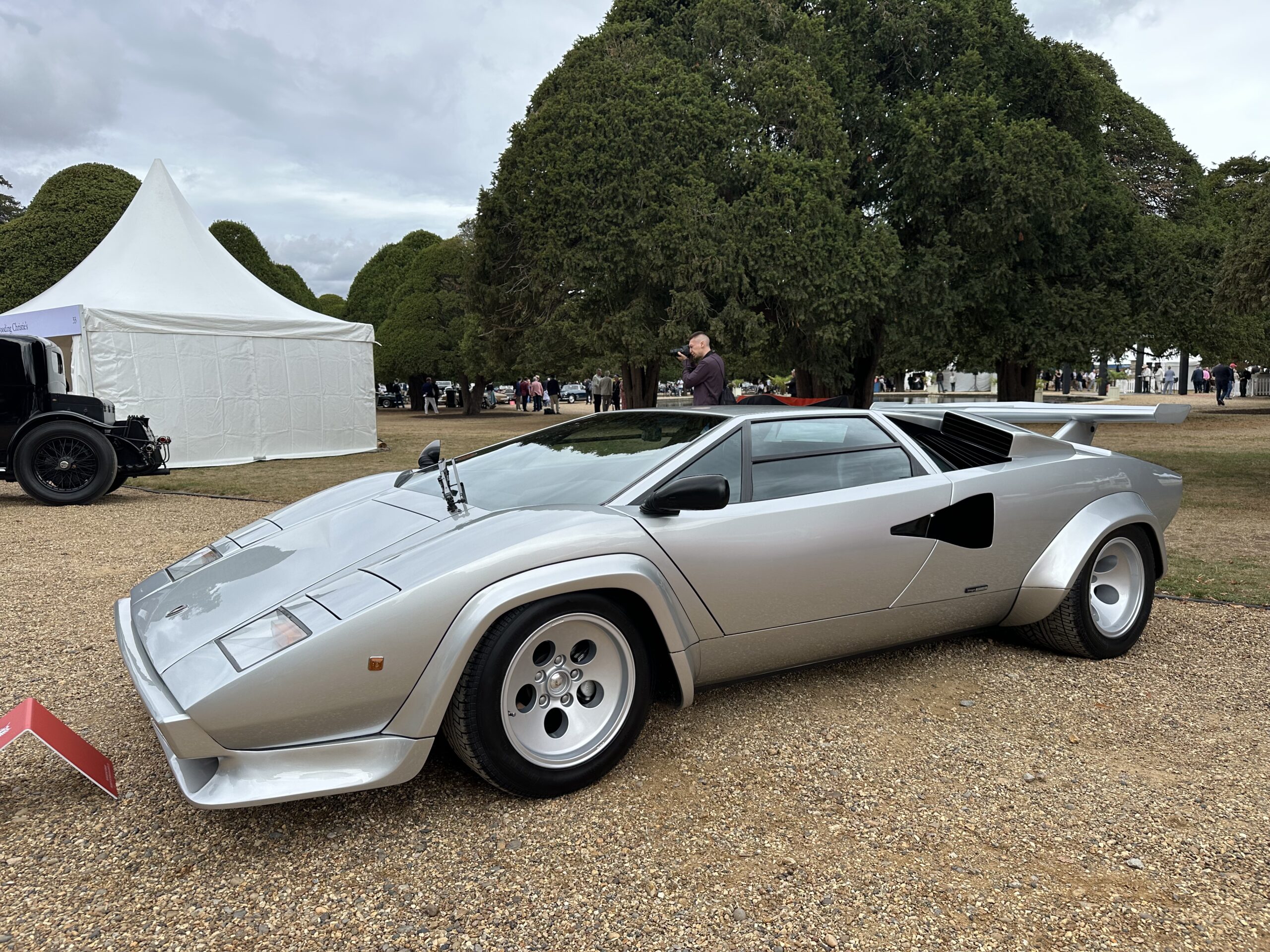
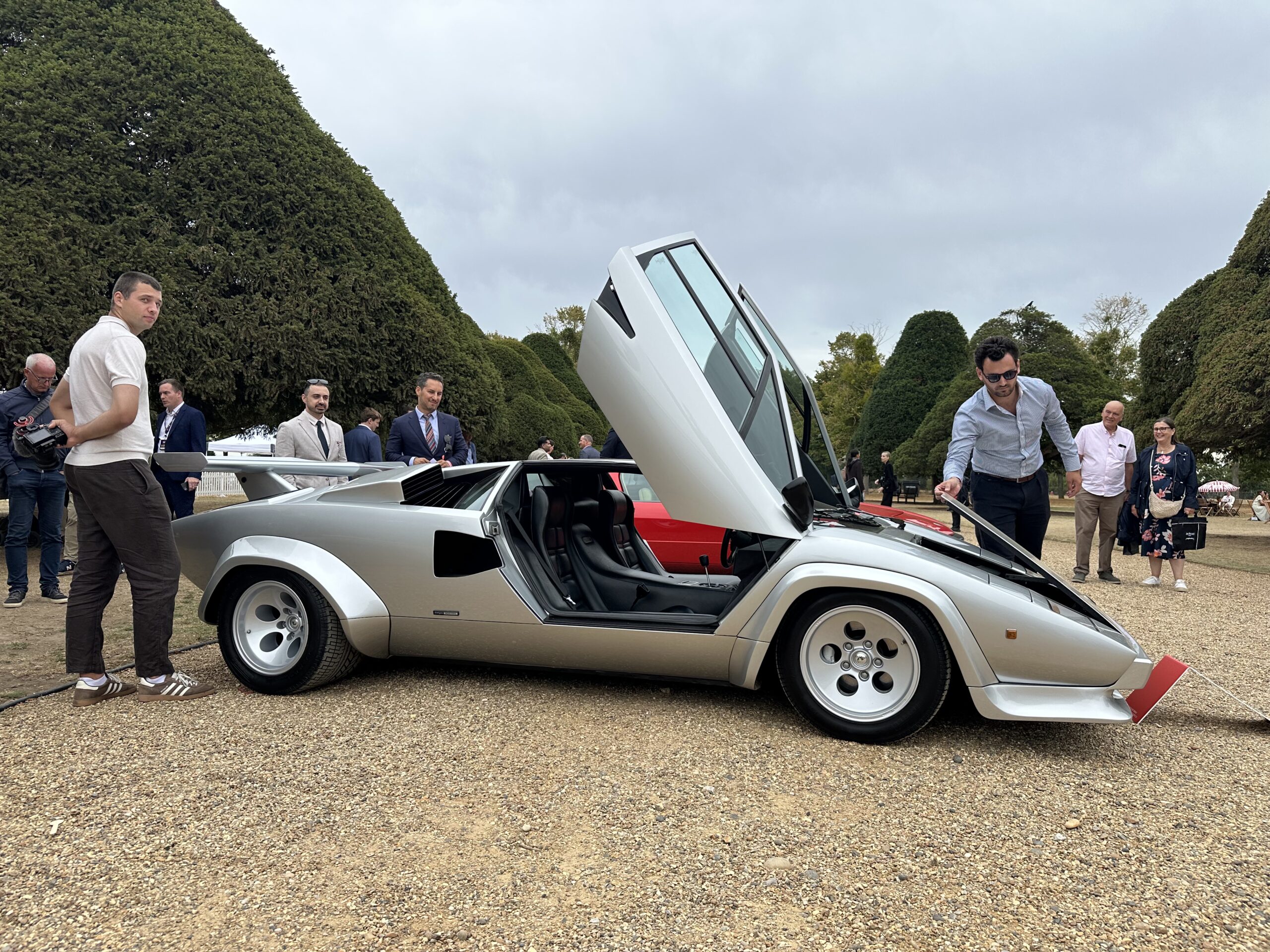
The Lamborghini Countach is an iconic rear mid-engined, rear-wheel-drive sports car produced by Italian manufacturer Lamborghini from 1974 until 1990. The model was displayed at Concours of Elegance 2026, highlighting its enduring appeal among classic supercar enthusiasts.
The LP400 S appeared in 1978 as the first production development of the original Countach. The 3929cc V12 remained mounted longitudinally behind the cabin, with six twin-choke Weber carburettors and a five-speed manual gearbox. The visible change was in the chassis, wheel and tyre package. Wider Campagnolo wheels, Pirelli P7 tyres, wheelarch extensions and revised suspension changed the stance of the car and gave the Countach the outline that would define later versions.
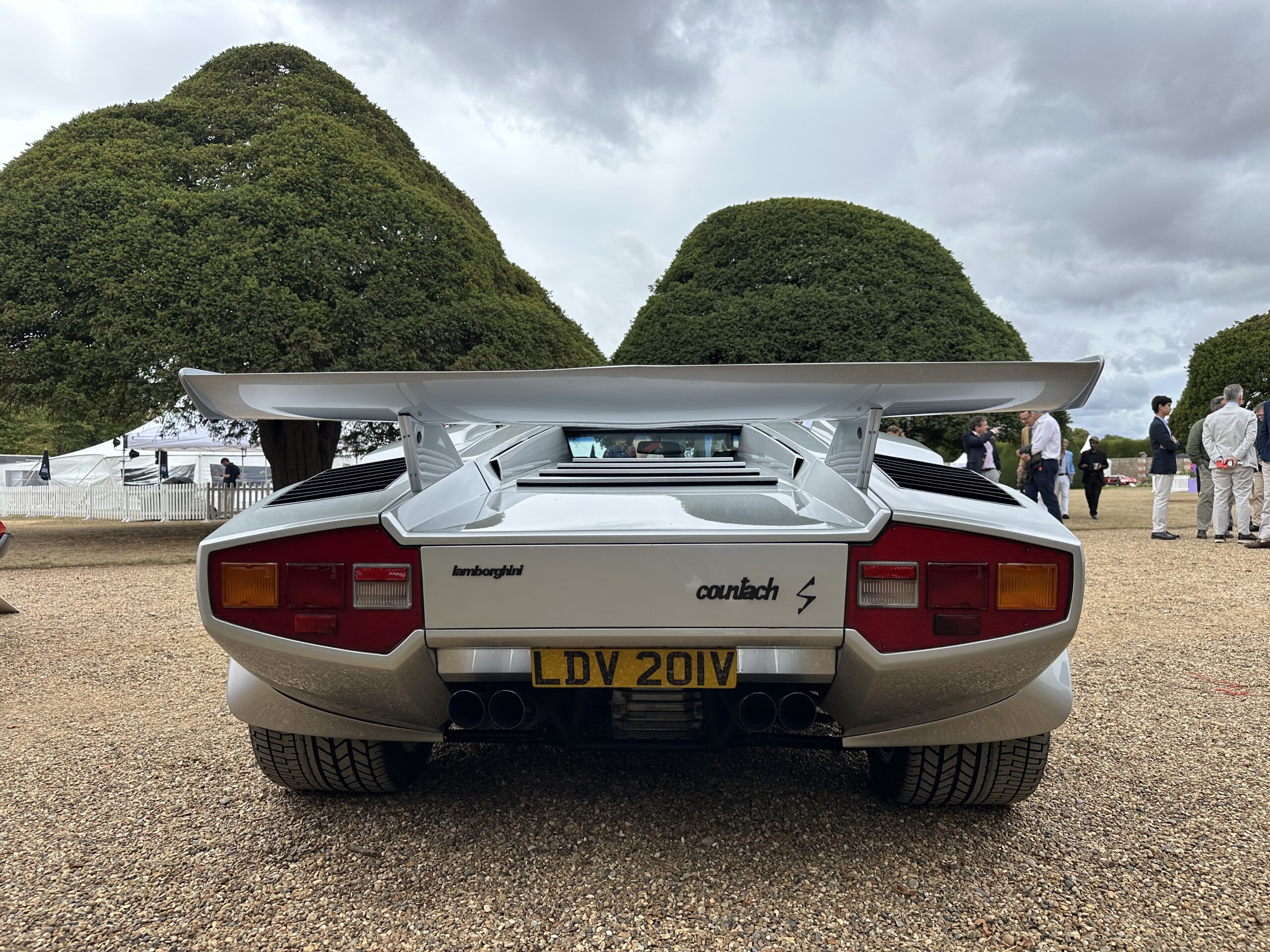
The Series II kept the low roofline and low ride height of the first LP400 S cars but used smooth concave wheels rather than the earlier Bravo-style pattern. Chassis 1121168 left the factory in spring 1980, finished in Argento Metallizzato with Nero leather. It represents the 234th Countach built and one of 105 Series II LP400 S examples, now known as the low-body cars. Lamborghini equipped it with a single flag-type mirror, a special radio and an early-pattern rear wing without end plates.
The car was delivered new on June 8, 1980, via Romain Schmit of Luxembourg. He collected the car from the Lamborghini factory on Italian export plates EE-93838 and drove it home over the Alps. It was registered in Luxembourg on July 7, 1980.
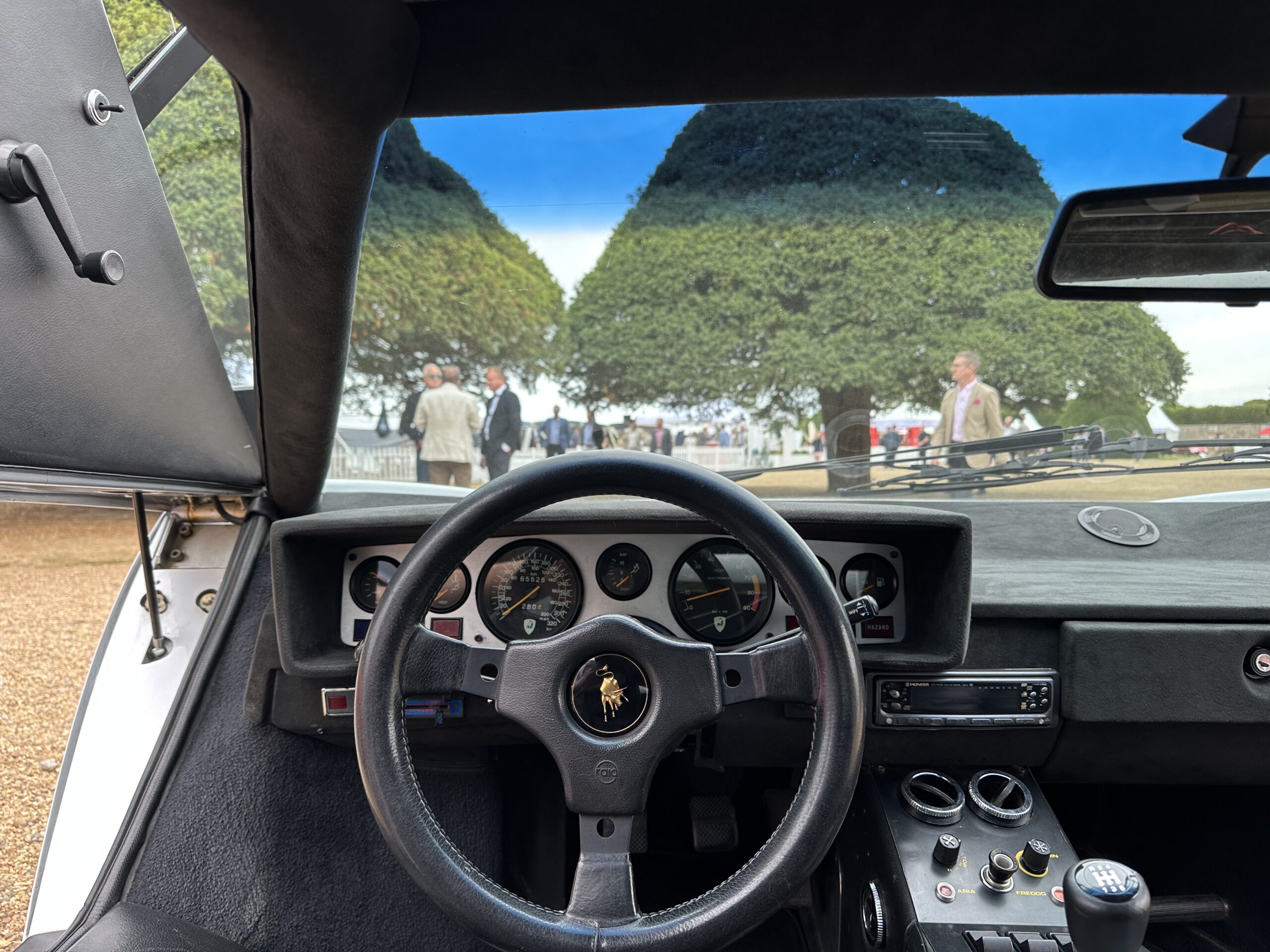
The Countach then moved to Nice, where France registered it in February 1988 as 4097 WG 06. During its time there, the owners fitted two later-style Vitaloni mirrors and added end plates to the rear wing. These changes reflect how owners often updated Countachs during use, especially after later factory details appeared on the LP500 S and Quattrovalvole.
The car travelled from France to Germany, where Techno Classica Essen displayed it for sale in 1996. Prominent of Eindhoven, the Dutch Ferrari dealer, later offered the car, and Hans acquired it as his first Dutch owner. He registered the car in the Netherlands on NS-ZJ-01 and retained it for almost 30 years.
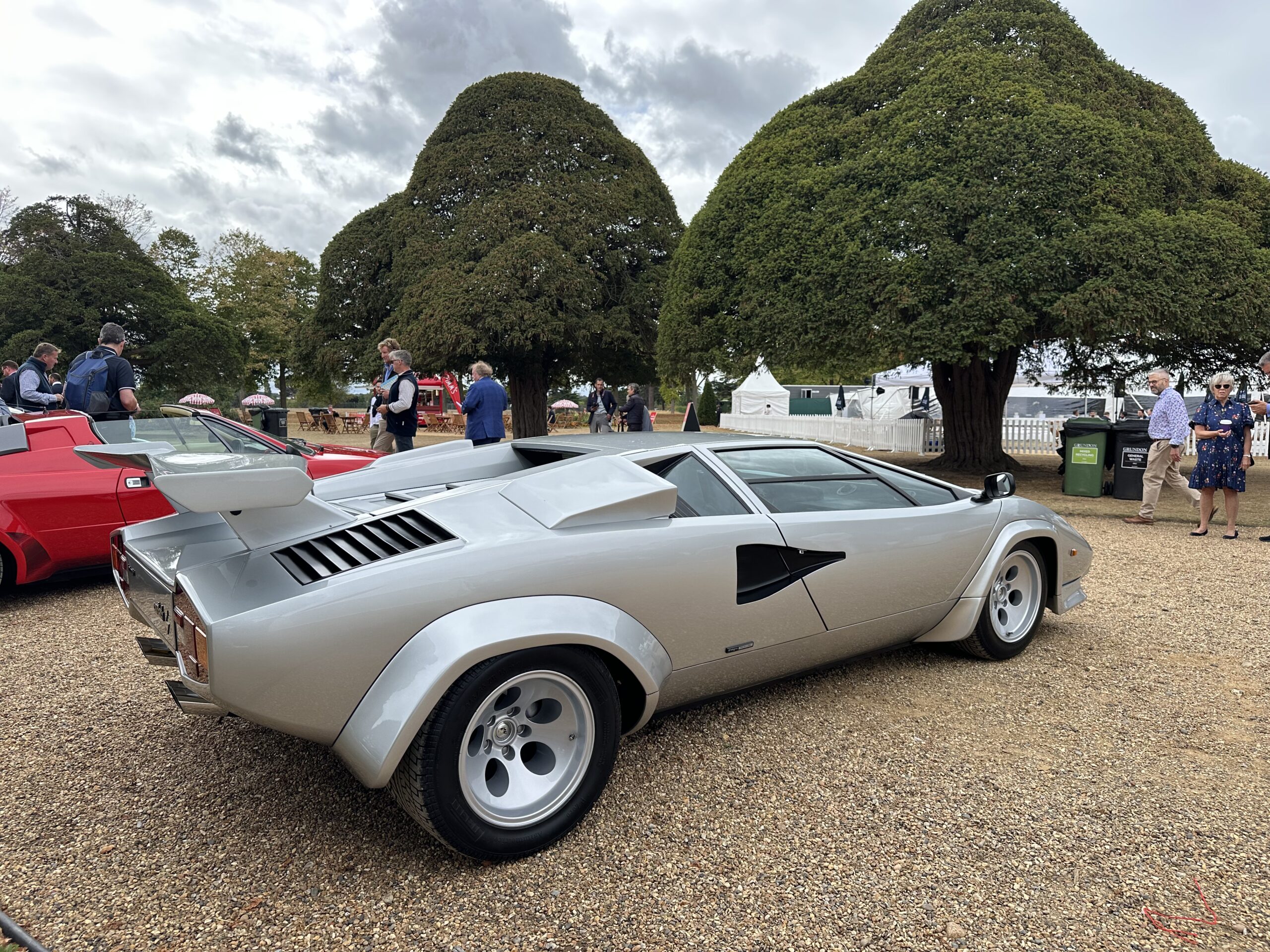
The present owner acquired chassis 1121168 in late 2025 via Creaghton Collectibles of London. It was then imported into the UK and registered for road use. Since acquisition, the car has received a mechanical refresh to return it to regular running condition.
ENGINE: 3929cc/V12/naturally aspirated/DOHC
TRANSMISSION: Five-speed manual, RWD
POWER: 370 bhp
TORQUE: 266 lb ft
TOP SPEED: 178 mph
0-60MPH: 5.2 seconds
WEIGHT: 1275 kg
NO. OF CARS MADE: 237
More Lamborghini Countach articles here.
.
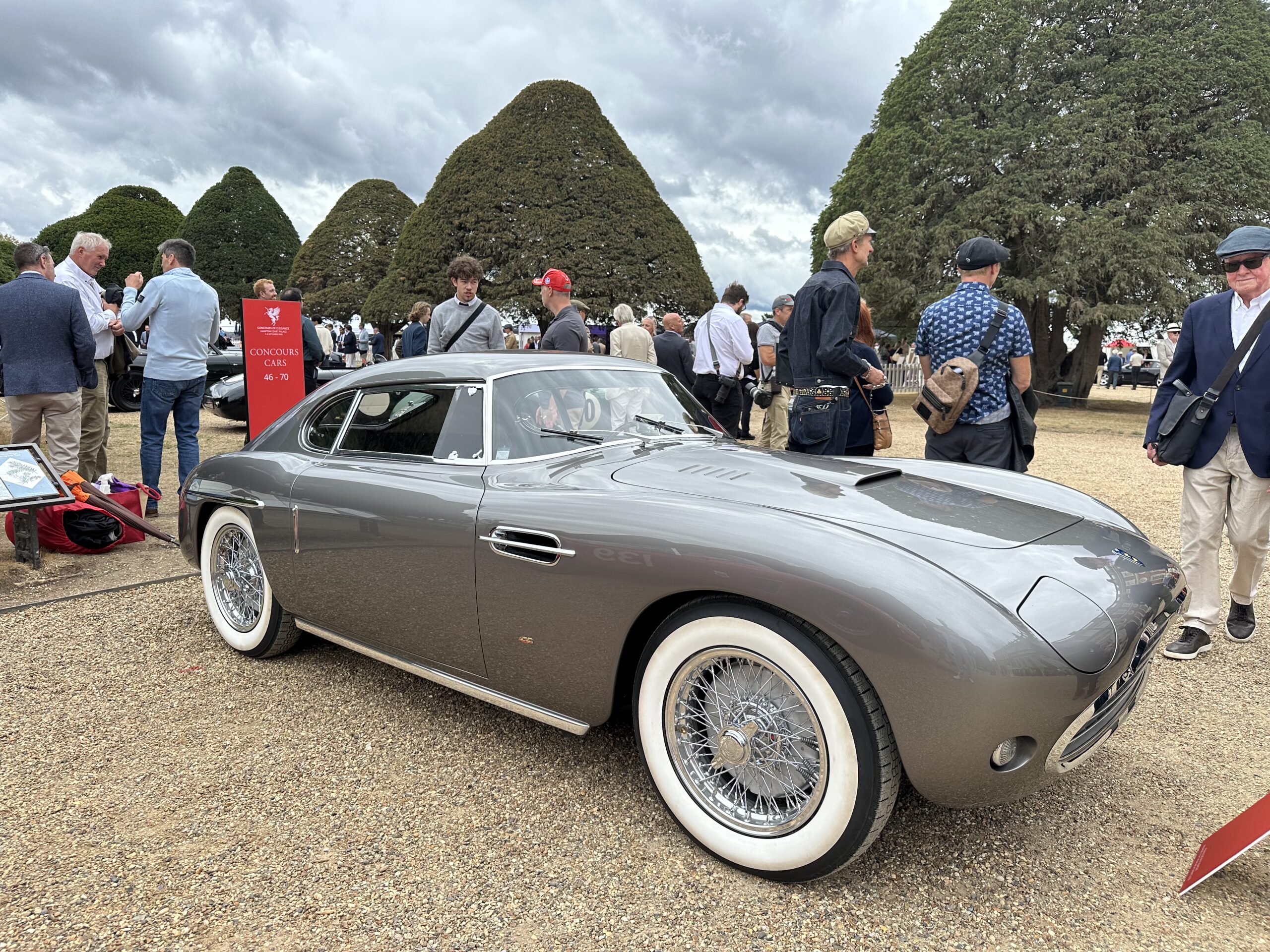
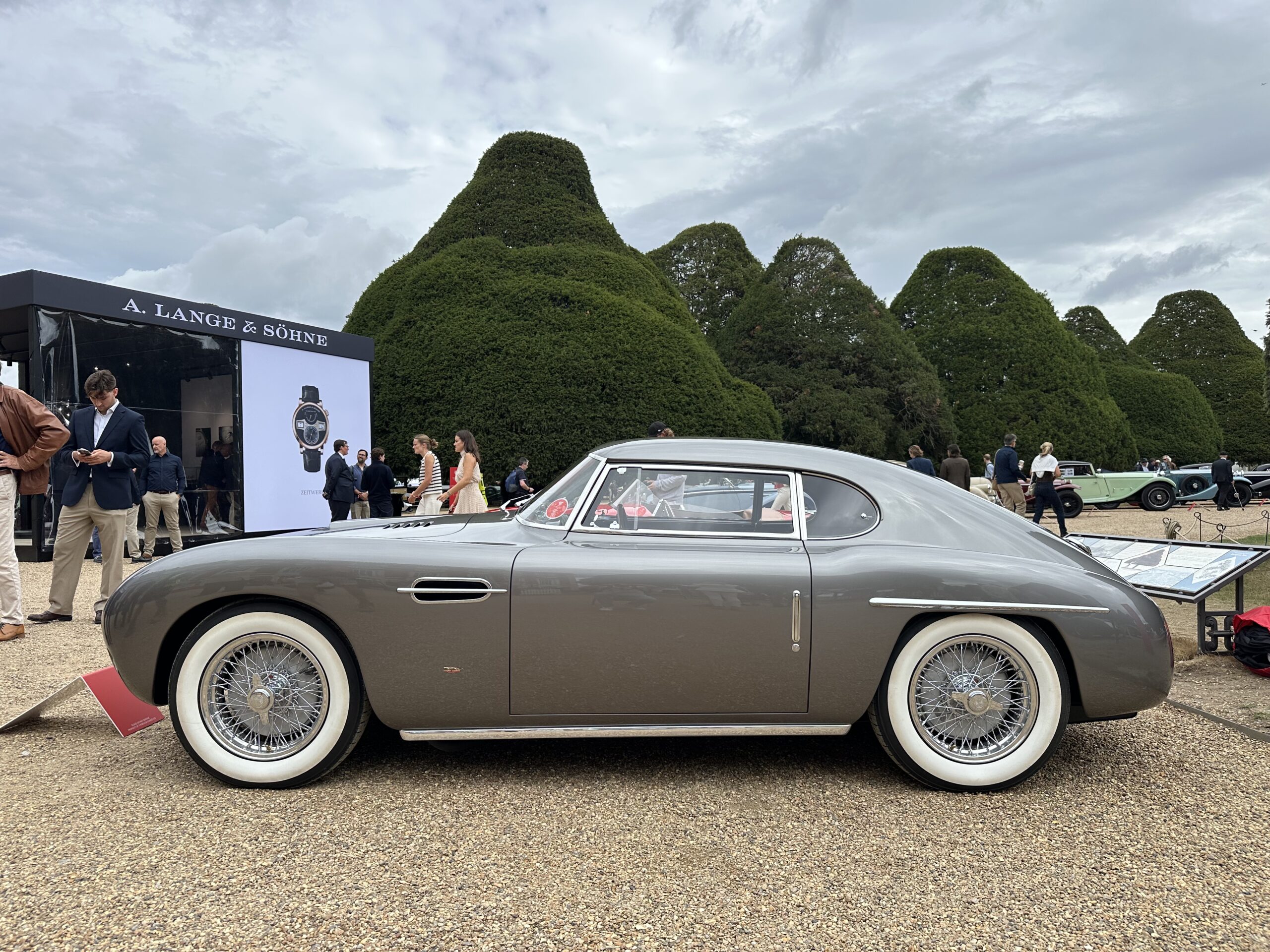
The 1953 Siata 208 CS by Balbo, displayed at Concours of Elegance 2026, is an ultra-rare, hand-crafted Italian sports car. It features an aluminium Berlinetta body by Carrozzeria Balbo and a Fiat “Otto Vu” V8 engine.
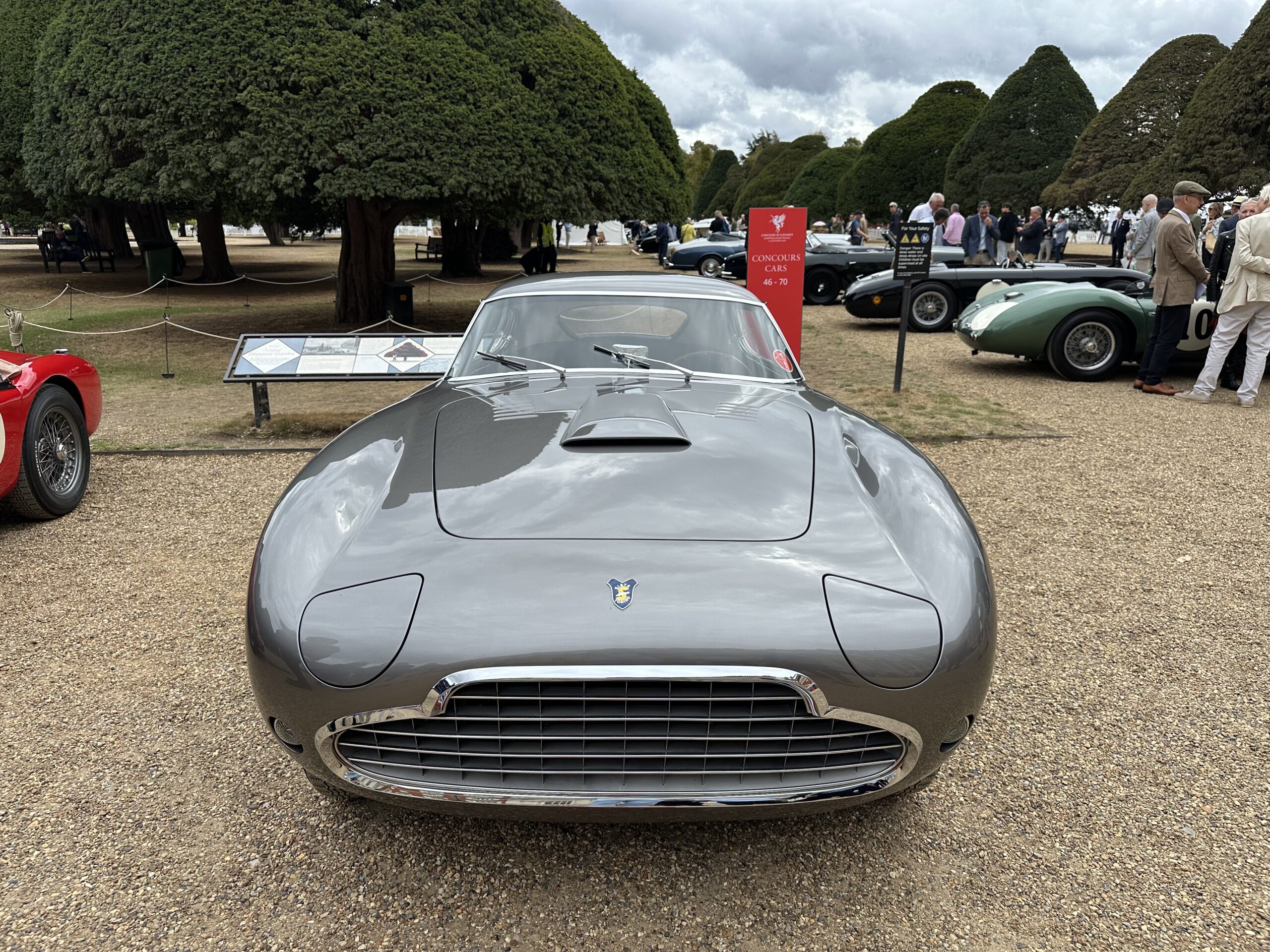
Chassis CS072 is one of nine Siata 208 CS Berlinetta’s bodied by Carrozzeria Balbo of Turin, of which six are known to survive. First registered in August 1953, it combines Balbo’s hand-formed aluminium coachwork with Siata’s tubular chassis and the 2.0-litre Fiat Tipo 104 V8 developed for the 8V.
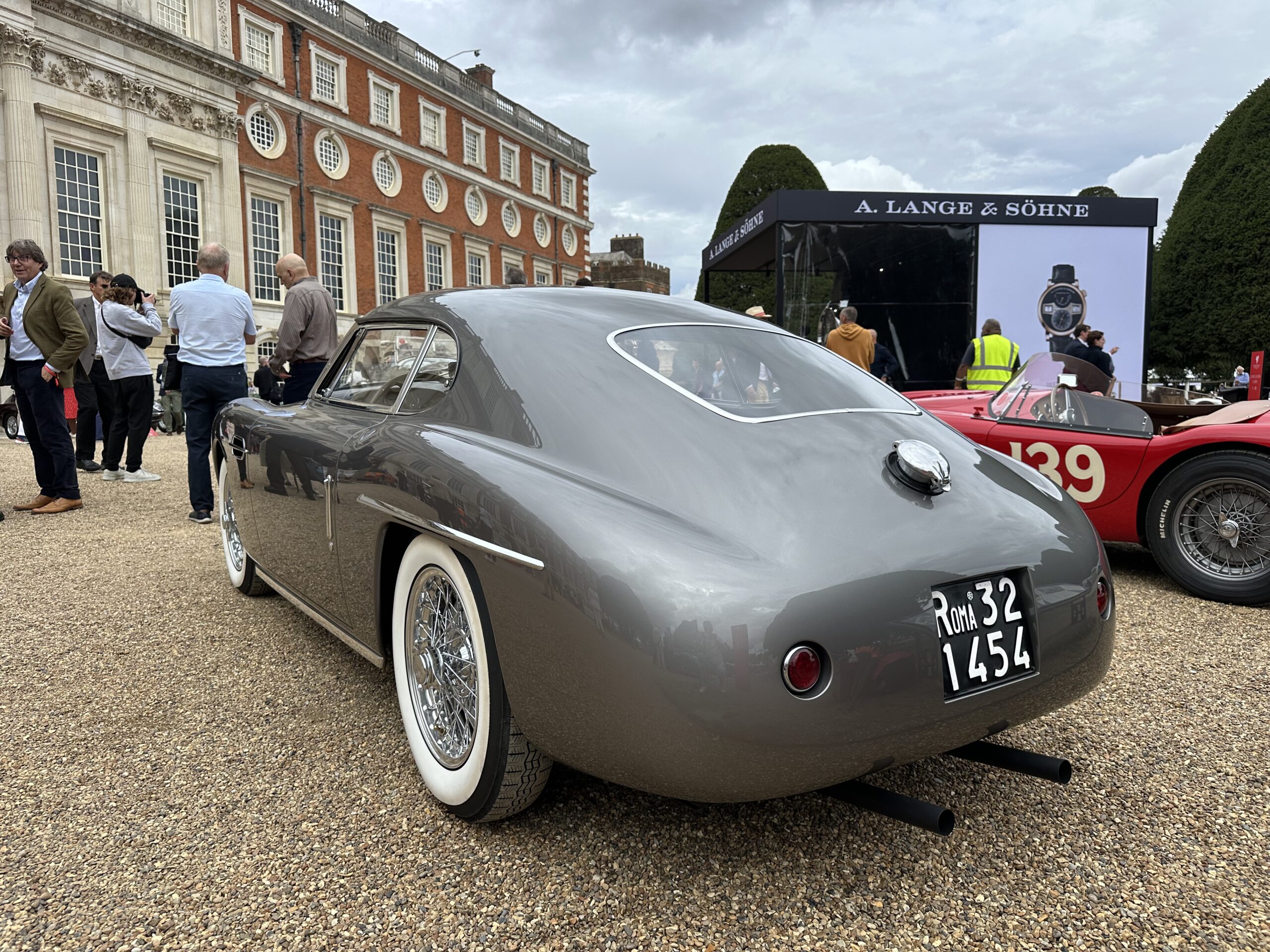
Siata had developed the chassis under Rudolf Hruska while assisting Fiat with the 8V programme. The coil-sprung independent suspension and hydraulic drum brakes gave the compact berlinetta unusually sophisticated underpinnings, while twin Weber carburettors fed the alloy 70º V8. Balbo clothed the mechanical package with a low roofline, broad grille and concealed headlamps.
CS072 is believed to have been supplied initially to a Milanese businessman. By March 1959 it was registered in Clermont-Ferrand in France, before being exported to the US. In 1964, Gordon Gumble of Tucson bought it from a Triumph dealer in Denver. Registered as a 1959 Siata with the Arizona plate JGJ940, it appears with Gumble in period photographs reproduced in Tony Adriaensens Otto Vu.
Marque enthusiast Charles Betz acquired the car from Gumble in July 1968. Although well used, it remained complete and roadworthy. Betz retained it until 1984, when it was sold to German collector Peter Kaus and entered the Rosso Bianco Collection at Aschaffenburg. Evert Louwman acquired much of that collection in 2004, including CS072, and began a partial restoration before the Siata passed to Tim Walker of Pasadena.
Walker undertook several years of research before commissioning a total restoration. During disassembly no record of its authentic colour was discovered, but original construction details including welds, enamel badges and hand-shaped panels were retained. Completed with its matching Tipo 104 engine, polished Borrani wire wheels and period Pirelli tyres, CS072 made its concours debut at Pebble Beach in 2017, taking third in class.
The Siata appeared at The Quail in 2019 and won its class at The Amelia in 2022. It later joined the collection of Stephen Bruno in Florida, where minor mechanical and maintenance work was completed. Jonathan and Wendy Segal acquired CS072 from Bruno in 2023.
The Segals entrusted it to RX Autoworks in Vancouver. The car was refinished in silver-grey metallic, with further attention paid to its period presentation and Balbo details. It returned to Pebble Beach in 2025, where it won Class O-1 for Post-war Sports Touring. The judges also selected CS072 for the Strother MacMinn Most Elegant Sports Car award.
ENGINE: 1996cc/V8/naturally aspirated/OHV
TRANSMISSION: Five-speed manual, RWD
POWER: 110bhp
TORQUE: 107-108 lb-ft
TOP SPEED: 125 mph
0-60MPH: Roughly 12 to 15 seconds
WEIGHT: 900 kg
NO. OF CARS MADE: 9
More Siata articles here.
.
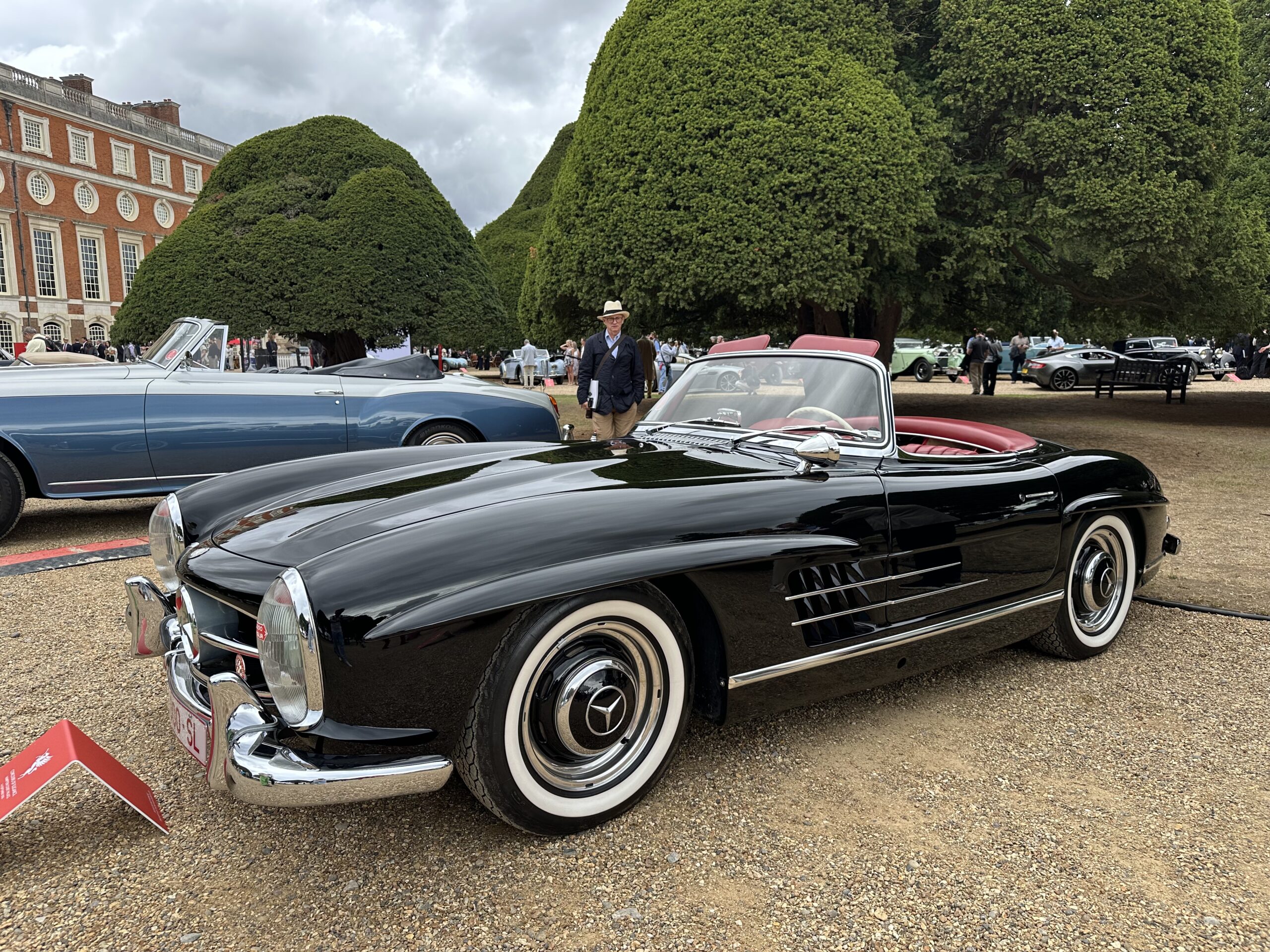
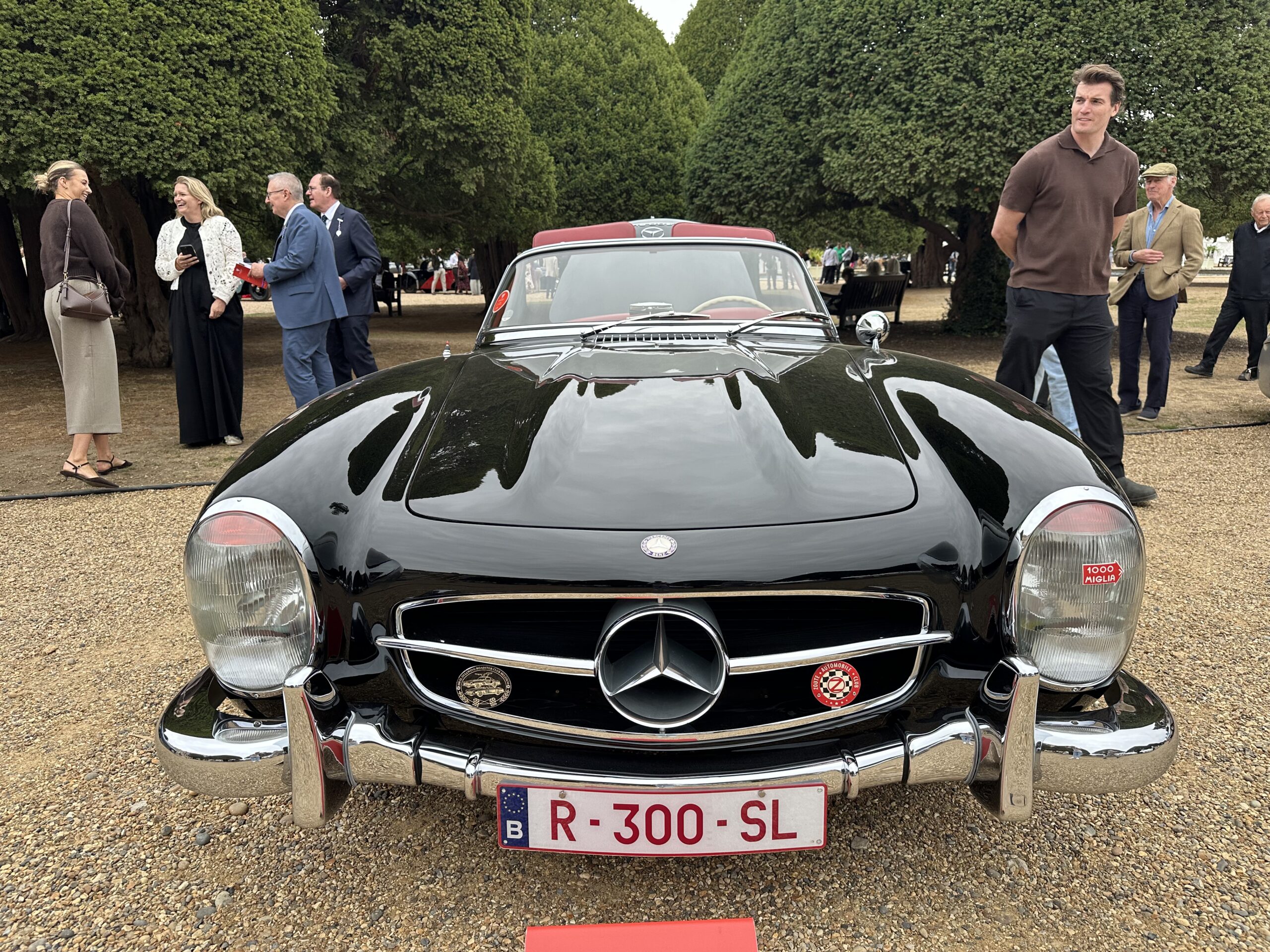
The 1957 Mercedes-Benz 300 SL Roadster, displayed at Concours of Elegance 2026, is a legendary open-top sports car that replaced the iconic “Gullwing” coupé.
Mercedes-Benz completed this 300 SL Roadster at the end of 1957 and shipped it to California. A Mercedes-Benz dealership in San Diego displayed the car in its showroom for about a year. In 1959, the Hanes family of Paseo De La Playa, California, bought it as its first private owner.
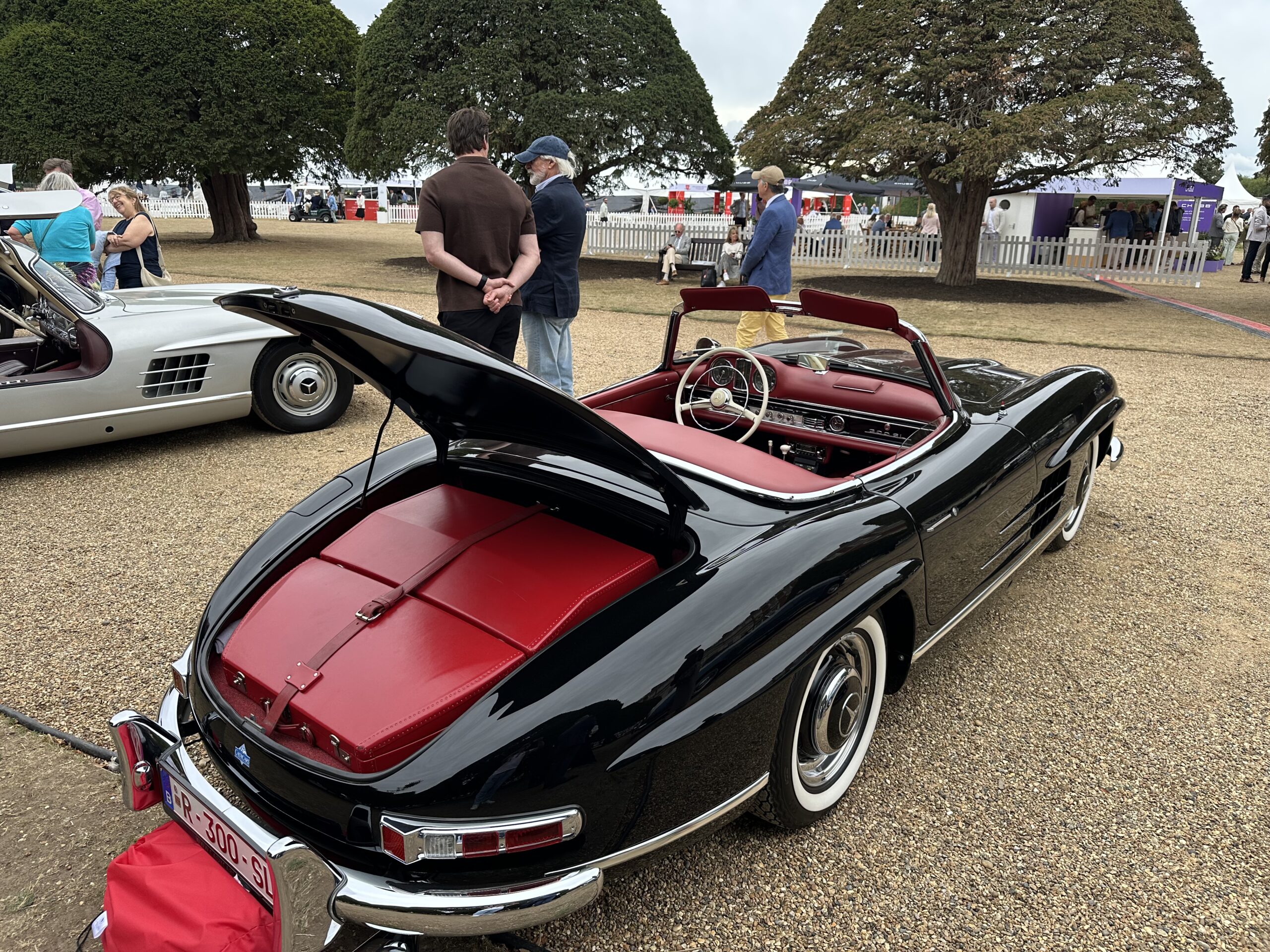
The Roadster remained in the Hanes’ ownership for 45 years, a notably long period of continuous custodianship. Documentation on file includes a sequence of annual US registration cards issued in the family’s name. In 2002, the car underwent a formal appraisal. The appraisal recorded excellent condition and 80,754 miles. It also confirmed that the car had no corrosion. The valuation ranged from $125,000 to $150,000.
In 2004, a Dutch collector, Mr Van Amelsfoort, acquired the 300 SL through Otto Althaus of Culver City for $155,000. He shipped the car from Long Beach to Rotterdam, where it arrived on February 11, 2004. After the car reached the Netherlands, its owner commissioned a comprehensive restoration. Star Classics in Den Bosch completed the work between 2005 and 2007, stripping the car completely to bare metal. Bossche Motoren Revisie overhauled the original engine and transmission. Photographic records of the restoration process are extensive and form part of the accompanying documentation. Notable features include the car’s original radio, two suitcases and a restored hard-top.
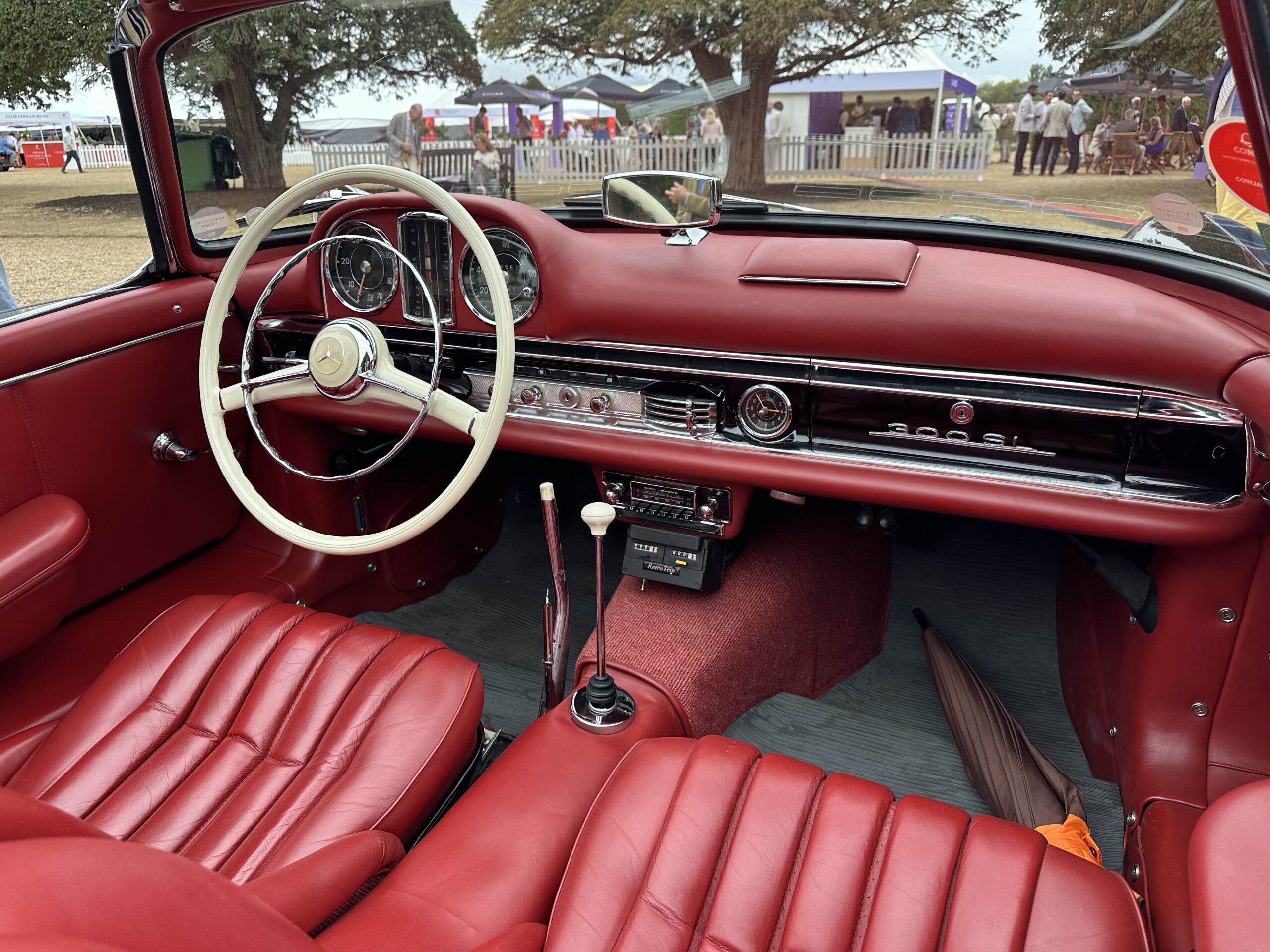
The history file contains a range of original factory and period paperwork, such as the owner’s manual in its original pouch, Becker Mexico radio documentation, Bosch fuel-injection manuals, a service book issued to George Hanes and contemporary sales literature. Maintenance records are present from 2011 onwards.
The car was offered for sale by Artcurial in Paris on June 13, 2011. It was acquired by Thierry Dehaeck of Ieper, Belgium, following a telephone bid placed while travelling. The Roadster subsequently joined a collection that also included a 300 SL Gullwing.
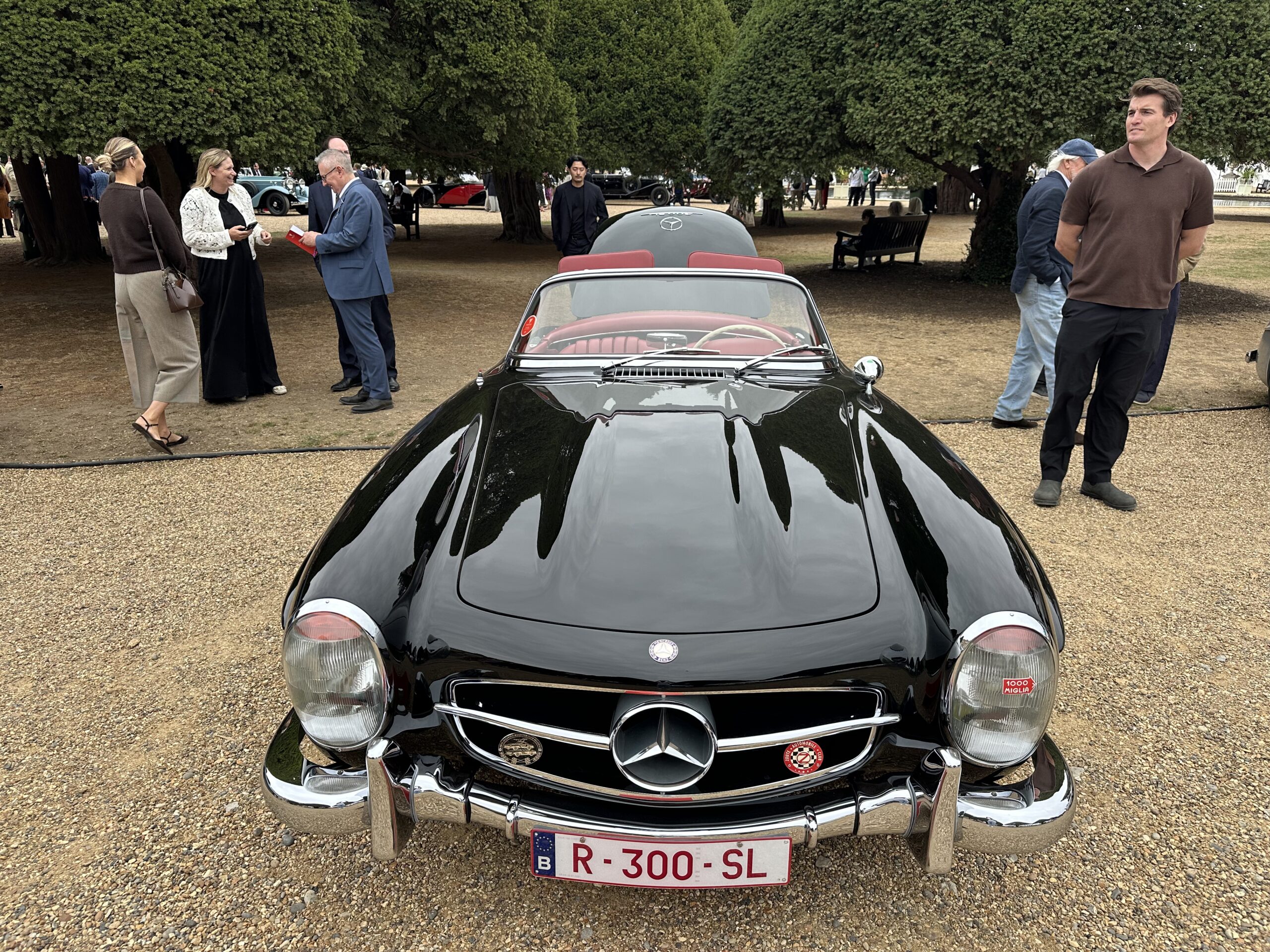
The car has competed regularly in national and international events, including rallies and concours. It holds a FIVA passport classified A/3. The car competed in the Mille Miglia in 2018 and returned in 2019, winning first in class. It has also appeared at the Zoute Grand Prix and events organised by the 300 SL Gullwing-Roadster Club Belgium. In 2024, the French publication Rétroviseur featured the car on its cover and dedicated a multi-page article to it.
ENGINE: 2996cc/inline-six/naturally aspirated/SOHC
TRANSMISSION: Four-speed manual, RWD
POWER: 215 bhp
TORQUE: 203 lb ft
TOP SPEED: 135 mph
0-60MPH: 8 seconds
WEIGHT: 1330 kg
NO. OF CARS MADE: 1858
More Mercedes-Benz 300 SL Roadster articles here.
.
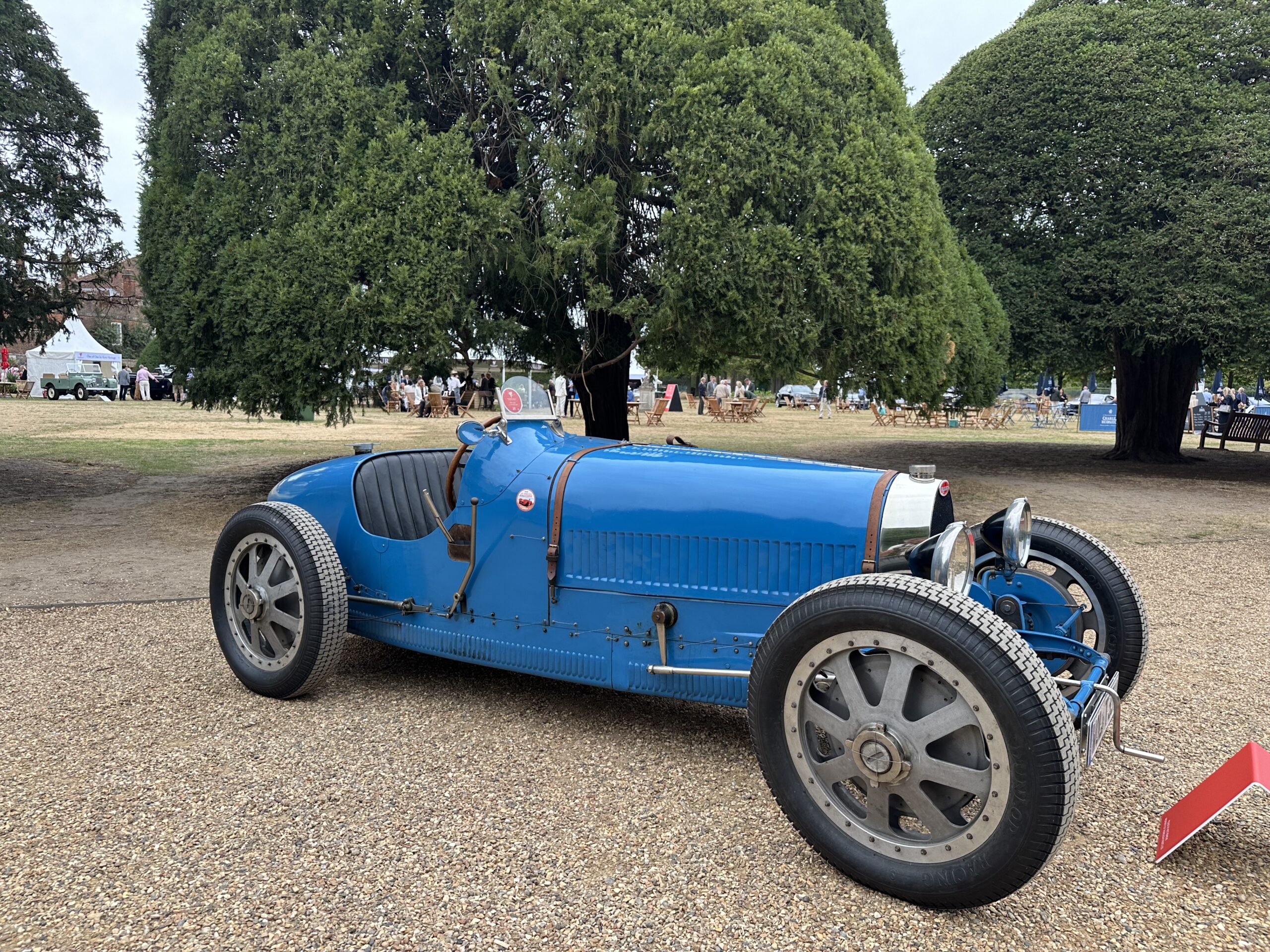
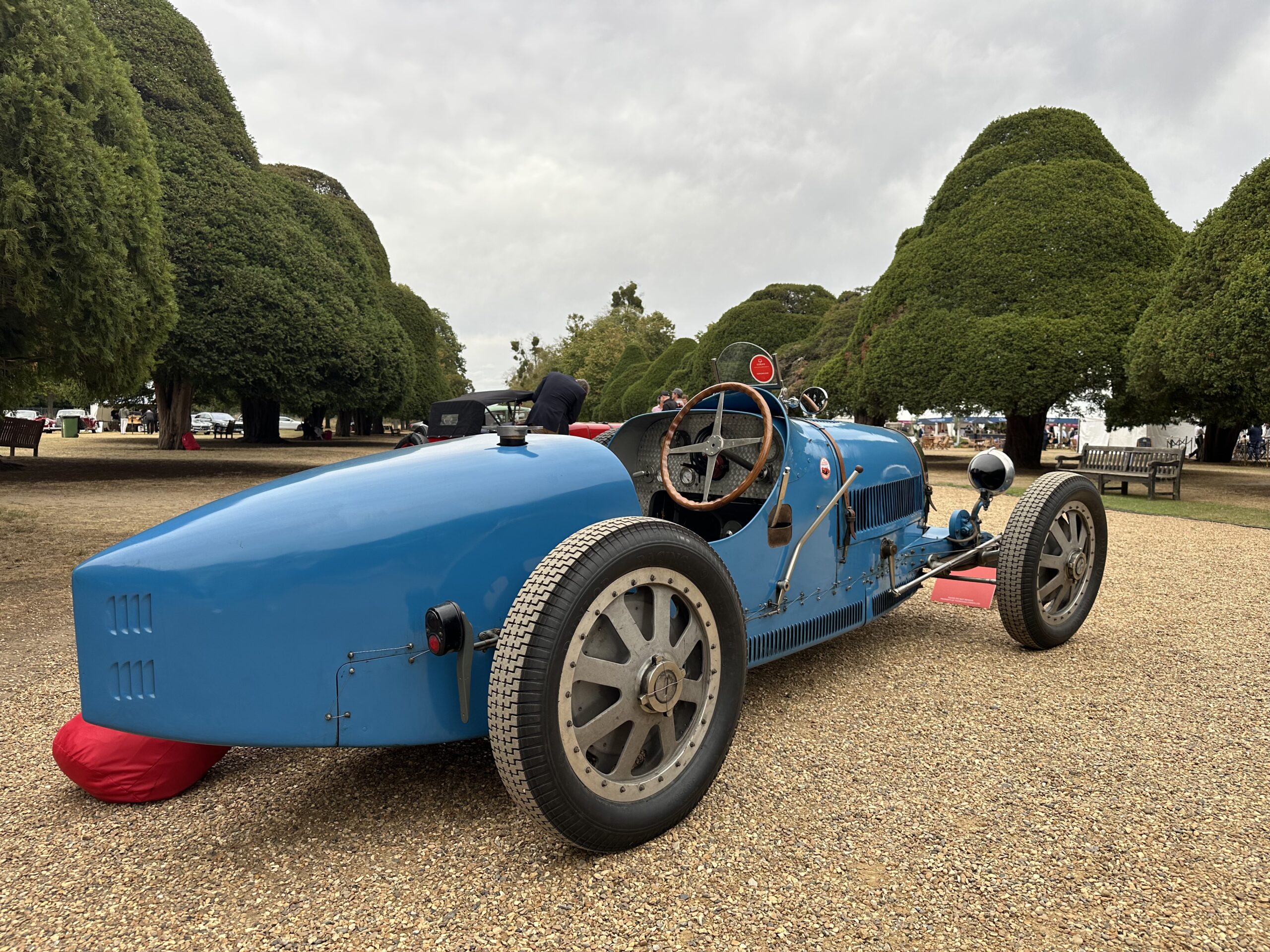
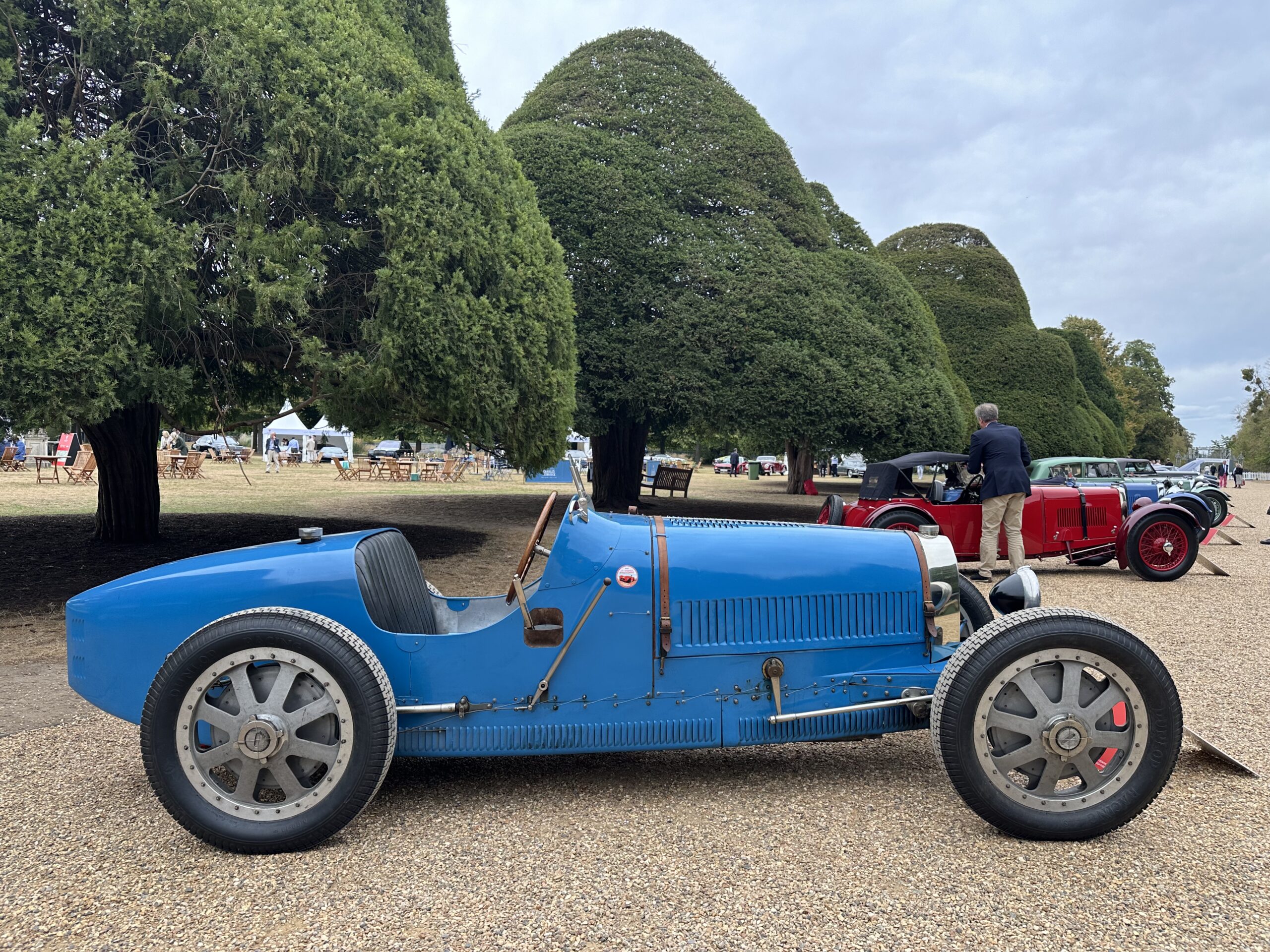
The 1926 Bugatti Type 35A is a lighter, more accessible road-and-track version of Bugatti’s famous Type 35 Grand Prix racing car. And I got to see it at Concours of Elegance 2026.
Introduced in 1925, the Type 35 retained the form and principal chassis features of Bugatti’s Type 35 Grand Prix car, but used a less highly stressed version of its 1991cc straight-eight. The naturally aspirated engine had a single overhead camshaft and three valves per cylinder, driving through a four-speed manual gearbox.
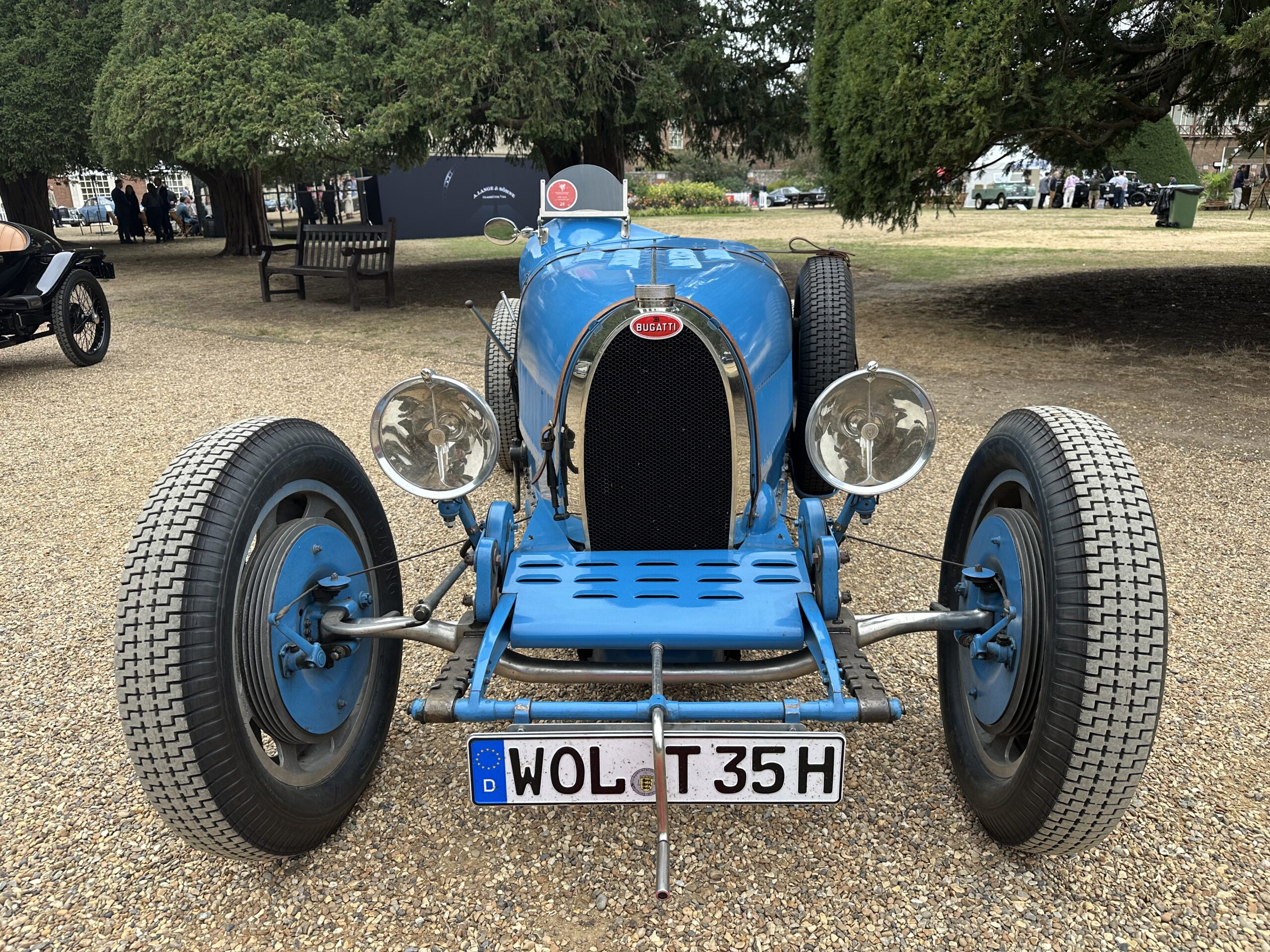
Chassis 4755 is the sixth of 20 Bugatti Type 35As that the factory exported to the United Kingdom. The factory sales register lists London agent Sorel as the buyer on April 16, 1926, one day after the factory invoiced it for 36,960 francs. The car also received matching engine 77A, while London County Council registered it as YO 8532 in June 1926. Francis Keogh acquired the Bugatti in 1933 and raced it until the outbreak of World War Two, by which time it had covered approximately 5000 kilometres. Stored from late 1938 until 1948, it returned to the road with Keogh’s son in 1949. He added a similar distance during two summers before the car was laid up again. Keogh later sold it to Mr Chamberlain for £175 in 1957. Michael Ward bought chassis 4755 in 1959, receiving a detailed account of its Keogh-family history.
Derby enthusiast Frank Gilbert acquired it early in 1961 for £400, followed later that year by Dr Sam Bayliss. The 1962 Bugatti Register recorded Bayliss as its owner, retaining engine 77A and registration YO 8532. He entered it in the Bugatti International Rally at Diez an der Lahn that June. The Bugatti was exported to the Netherlands in August 1962 and acquired by Jan A Veldkamp, who restored it and registered it as JE-51-59 in May 1964. Veldkamp subsequently drove chassis 4755 in the 1964 Bugatti International Rally at Kleve.
Later that year, Dries van der Lof bought the car. He became one of the first two Dutch drivers to start a World Championship Grand Prix, having contested the 1952 Dutch Grand Prix in an HWM-Alta. After Van der Lof died in 1990, his son inherited the car. Ernand Jonker began restoring it in 2002 under Bugatti specialist Bart Rosman, who restored the original engine and bonnet. The restoration finished in 2008, and the Bugatti has covered around 2,000 kilometres since then. The car remains in excellent condition and suits both concours events and road use.
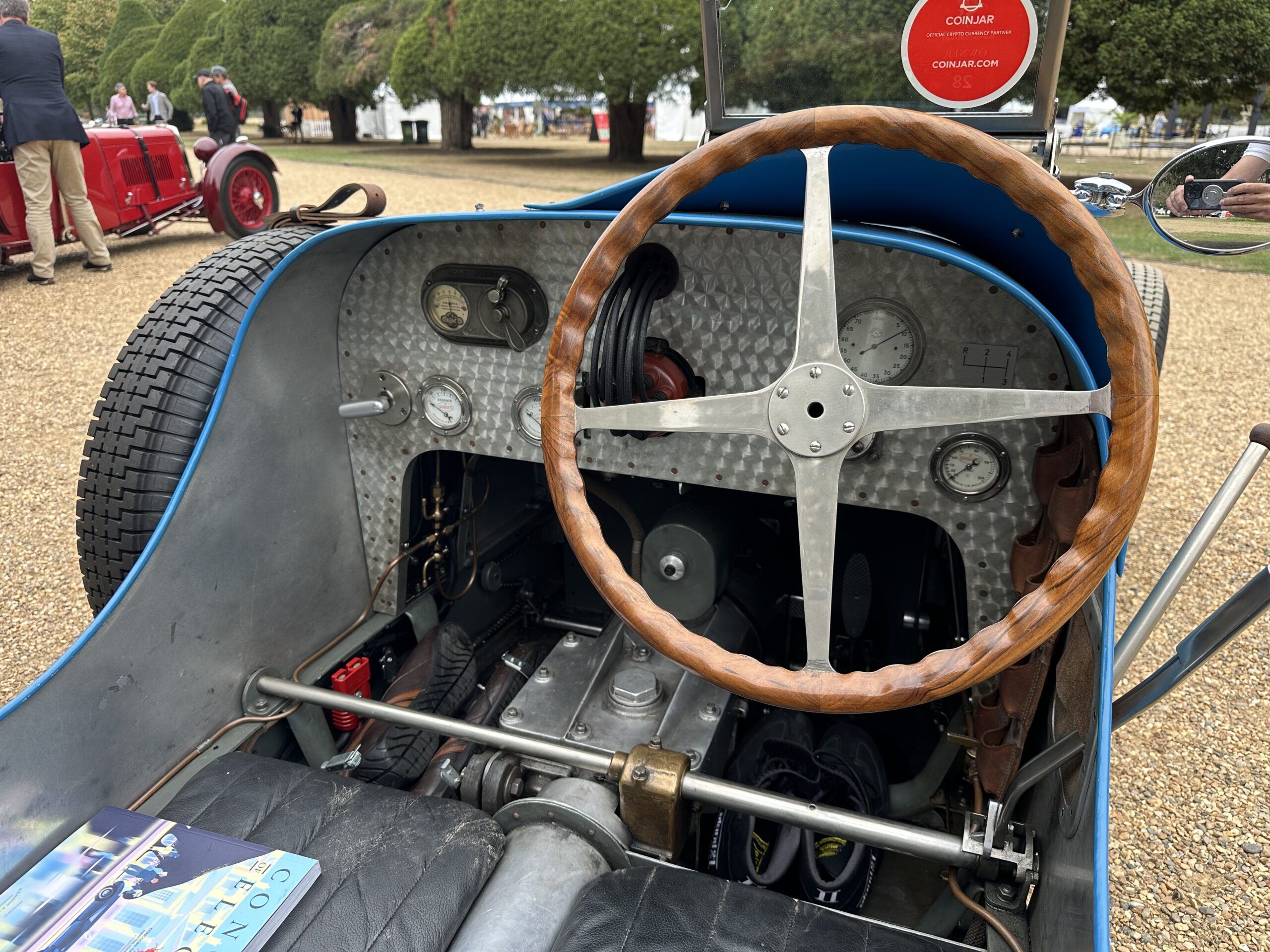
ENGINE: 1991cc/inline-eight/naturally aspirated/SOHC
TRANSMISSION: Four-speed manual, RWD
POWER: 75 bhp
TORQUE: N/A
TOP SPEED: 99 mph
0-60MPH: Roughly 12 seconds
WEIGHT: 750 kg
More Bugatti Type 35 articles here.
.
So there you have our top 10 cars that were featured at the Concours of Elegance 2026. Beautiful and exquisite cars, at wonderful car show. What do you make of our top 10? Which car is your favourite?
I strongly suggest you read our Concours of Elegance 2026 review here.
Here is our walkabout the show (below).
I strongly advise you to find us and follow us on our social media channels, we are on X, Facebook, Instagram, TikTok, and YouTube. I also strongly suggest that you subscribe to our newsletter. By doing this, you will be notified regularly of competitions that we’re running and you could win, complementary tickets to car shows like the Concours of Elegance 2026 and many more.

The post Our Top 10 Favourite Cars from the Concours of Elegance 2026 appeared first on My Car Heaven.