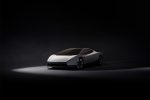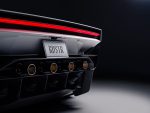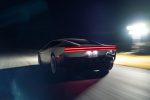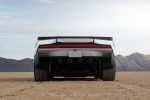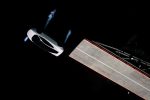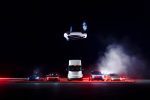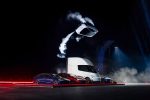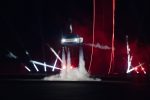
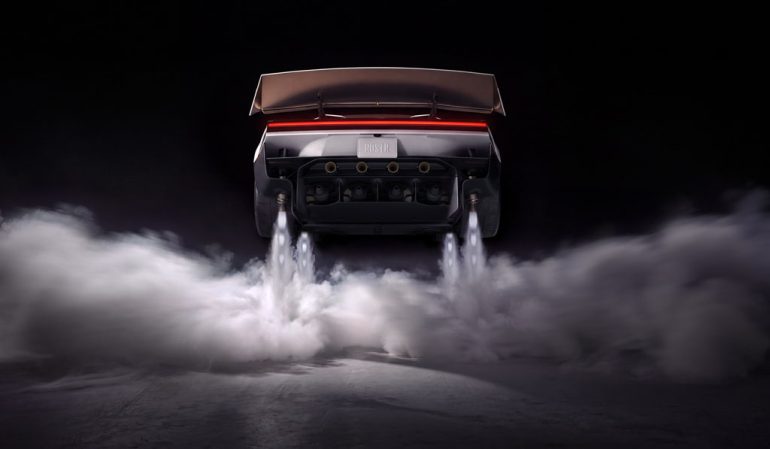
Just when we thought the new Tesla Roadster couldn’t get any more ridiculous, we’re getting a closer look at the futuristic electric sports car, and there’s growing reason to believe that Tesla might actually build this thing. As we covered in our initial post on the all-new Tesla Roadster, Elon Musk has promised an electric supercar capable of accelerating from 0 to 60 mph in approximately 0.8 seconds, using SpaceX-developed thrusters to perform gravity-defying maneuvers, and potentially rewriting the rules of automotive performance. That’s all incredibly exciting, but now that the initial shock of the reveal has worn off, we’re starting to ask some practical questions. Specifically, how much of this insanity will actually make it into a production vehicle that ordinary people, or at least those with exceptionally deep pockets, can legally drive on American roads? We’re willing to bet quite a few of those headline-grabbing features won’t survive the journey from prototype to production.
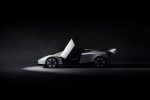
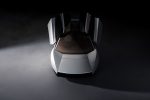
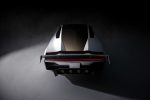
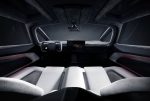
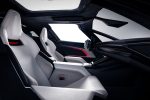
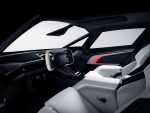
Interestingly, a closer examination of the new Roadster prototype suggests Tesla is much further along than some skeptics might think. Unlike many futuristic concept cars that are little more than elaborate sculptures, this Roadster appears to have genuine production intentions. There are properly defined body panels, functional-looking door mechanisms, an interior that appears designed around actual occupants, and a surprisingly complete infotainment system. Even the steering wheel incorporates what appears to be space for an airbag, something easily overlooked when manufacturers are simply trying to impress an audience. The exterior design, with its sharp angles and aggressive proportions, also looks like something that could realistically roll off an assembly line with a few necessary revisions. We wouldn’t be surprised if the eventual production Roadster looks remarkably similar to what Tesla just unveiled. However, looking production-ready and actually meeting federal safety requirements are two entirely different things.
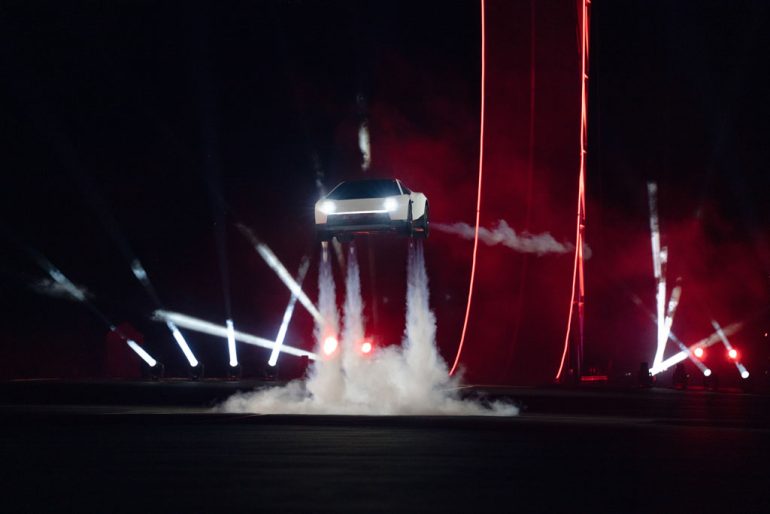
And that brings us to the elephant in the room, or perhaps we should say the rocket-powered electric car attempting to jump over it. We live in a country where the U.S. Department of Transportation, through the National Highway Traffic Safety Administration (NHTSA), enforces an extensive collection of vehicle safety standards. Automakers have to carefully consider everything from pedestrian protection and lighting requirements to the placement of exterior components and how certain aerodynamic devices operate. Even an aggressively protruding rear spoiler can raise regulatory and safety questions depending on its design. So, are we seriously supposed to believe regulators will casually approve a street-driven sports car equipped with powerful gas thrusters that can literally launch it into the air? Come on now. We have enough trouble getting certain exotic automotive designs approved for American roads, and here comes Elon Musk proposing something that blurs the line between a supercar and a small aircraft. We’d love to see the paperwork on that one.
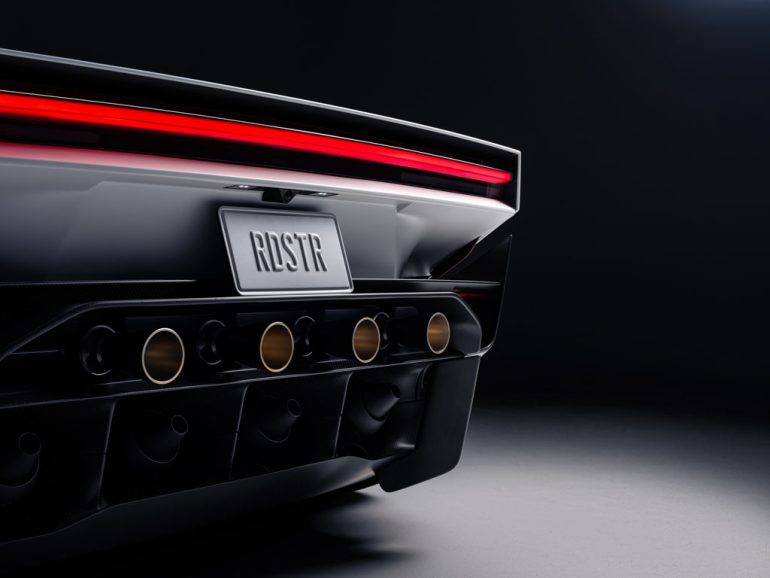
Then there’s the acceleration, which might actually be more concerning than the flying capability. Tesla’s claimed 0.8-second sprint to 60 mph translates to an average acceleration of roughly 3.4 g, assuming a standing start and reasonably constant acceleration. That’s an astonishing amount of force to subject the human body to in a street vehicle, particularly when you consider that most people have never experienced anything remotely close to it. To put things into perspective, even today’s outrageously quick electric performance cars generally take around two seconds or more to hit 60 mph. Cutting that time by more than half isn’t just another incremental performance improvement. It’s entering territory where neck support, occupant positioning, physical conditioning, and the direction of acceleration become serious considerations. We’re not suggesting everyone who floors the accelerator will automatically pass out, since straight-line acceleration pushes the body differently than the forces fighter pilots experience, but the possibility of discomfort, disorientation, and even serious injury deserves attention. There comes a point where making a car quicker almost feels like engineering a machine specifically designed to hurt its occupants. Not everyone is going to be excited about that, and we can certainly understand why.
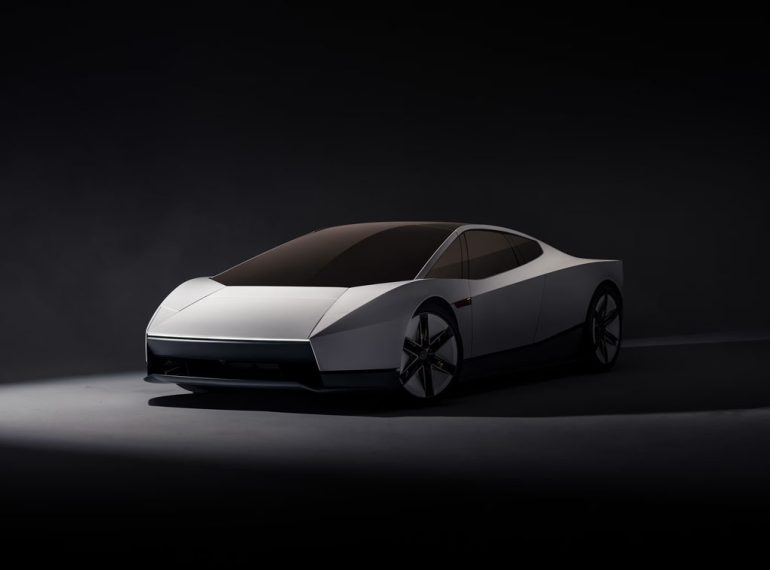
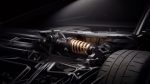
Of course, Tesla’s claimed output of more than 1,340 horsepower from a pair of rear-mounted electric motors presents another fascinating engineering challenge. Getting that much power to the pavement through only two driven wheels would require extraordinary traction management, specialized tires, and some seriously clever engineering. We’d personally expect an eventual production version to incorporate additional motors driving the front wheels, reduce its maximum output, or reserve its most extreme acceleration capabilities for a specialized performance package. The same goes for the Roadster’s elaborate underbody suction system, which Tesla claims can generate tremendous levels of downforce. Such technology is fascinating from a performance standpoint, but integrating it into a roadgoing vehicle that encounters potholes, loose debris, standing water, and unpredictable pavement conditions is another matter entirely. There’s a reason race cars and everyday street machines operate under very different sets of expectations. We suspect Tesla could eventually offer a relatively conventional electric Roadster alongside an extreme, limited-production version designed primarily for closed-course use.
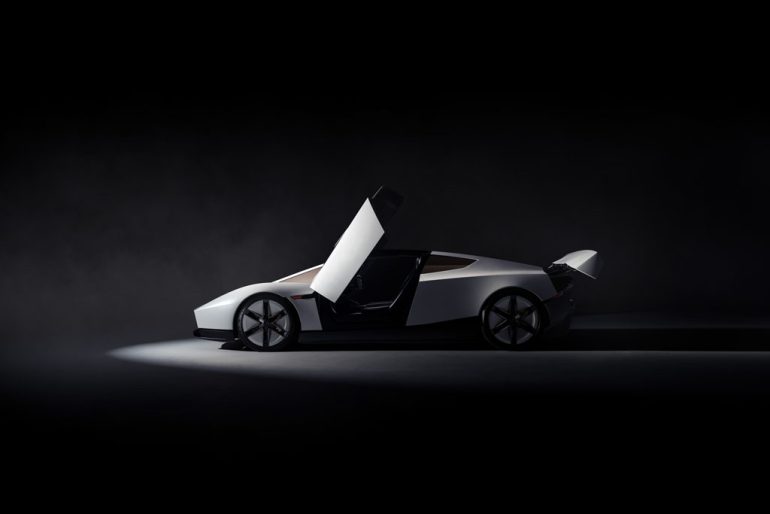
Perhaps the most realistic outcome is that the Roadster arrives with its dramatic styling, an incredibly powerful electric drivetrain, and acceleration that still embarrasses nearly everything sharing the road, while the more outrageous SpaceX technology remains exclusive to track-focused models or demonstration vehicles. Tesla could potentially incorporate software restrictions that prevent certain features from operating on public roads, but even that wouldn’t automatically resolve questions surrounding safety certification, liability, and insurance. Musk has suggested production could begin in 2028, although anyone familiar with the Roadster’s history knows that Tesla’s timelines deserve a healthy dose of skepticism. Remember, this vehicle was originally unveiled back in 2017, with production initially expected in 2020. The fact that we’re discussing a possible 2028 launch tells you just how ambitious this project has become. Still, the latest prototype offers more tangible evidence of progress than we’ve seen in years, and that’s encouraging for those of us who genuinely want to see Tesla deliver an exciting, driver-focused sports car.
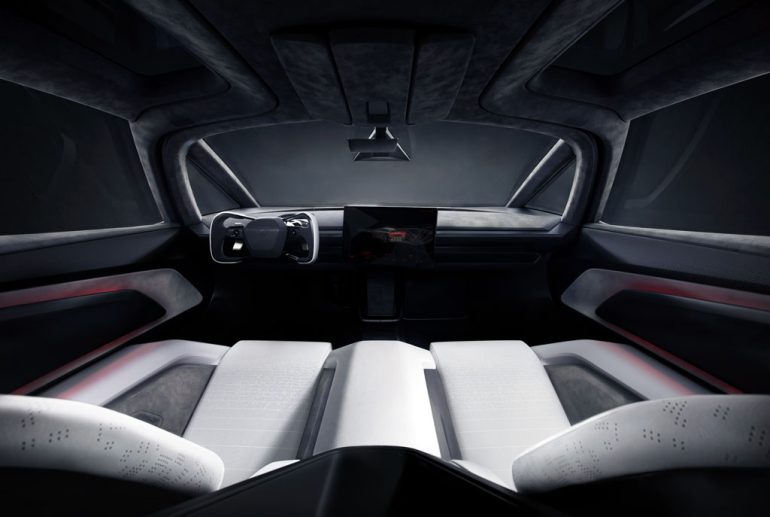
Here’s where things get a little funny, though. After spending all this time questioning the safety, legality, and practicality of a rocket-assisted electric supercar that accelerates hard enough to make your internal organs reconsider their career choices, we’d still absolutely jump at the opportunity to drive one. HAHA! That’s the strange contradiction of being an automotive enthusiast. We can recognize when a manufacturer has pushed performance into potentially absurd territory while simultaneously wanting to experience exactly what that feels like. Do we really need a street car capable of reaching 60 mph in less than a second? Absolutely not. Should everyone have access to that kind of acceleration without understanding the physical consequences? Probably not. But would we love to strap ourselves into the new Tesla Roadster, preferably with proper safety equipment and on a closed course, to see whether Musk’s outrageous promises live up to reality? You better believe it. We still think a substantial portion of the flying-car spectacle will never make it to a street-legal production model, but even a toned-down Roadster could become one of the most extraordinary electric performance cars ever built. Now, if Tesla can actually get it into customers’ garages before 2030, that might be the most impressive trick of all.