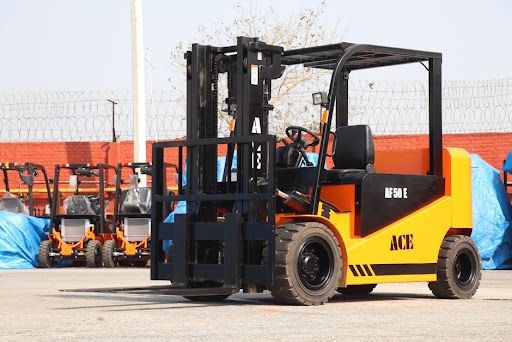
Source: Pexels
A forklift can quietly keep an entire operation moving until a worn component brings everything to a halt. Deliveries wait, work shifts change, and a small mechanical problem becomes an expensive scheduling problem. Reliable equipment does not happen by accident. It depends on inspections, well-timed servicing, accurate replacement parts, and workers who know when something feels wrong. Whether forklifts support a warehouse, repair shop, or busy parts department, a practical maintenance strategy can protect productivity without allowing repair costs to spiral.
The invoice for a failed component rarely reflects the full cost of downtime. A disabled forklift may interrupt unloading, hold up a production line, or leave workers waiting for inventory they cannot move safely.
There may be rental charges, overtime, missed dispatch windows, and the expense of rescheduling technicians. An apparently minor hose leak becomes much more consequential when the machine is essential to every shift. The same principle applies throughout automotive facilities, where preventive maintenance and organized repair tracking can help reduce operational interruptions.
Rather than evaluating repairs only by their price, consider how long each machine can realistically be unavailable. Identifying equipment with little backup capacity helps managers prioritize preventive work where disruption would hurt most.
Forklifts combine moving mechanical parts, hydraulic systems, brakes, tires, and electrical equipment. Each is exposed to different stresses, so the most common maintenance needs vary by power source, operating environment, and hours of use.
Hydraulic hoses and seals can deteriorate, mast components experience repeated loading, and tires wear differently on rough or heavily traveled surfaces. Brakes and steering components deserve particular attention because defects affect safety as well as productivity. Electric trucks have battery and connector concerns, while combustion-powered models also need engine-related servicing.
For businesses maintaining Toyota forklifts, accurate identification matters before sourcing replacement parts. Intella Parts offers a range of components for different Toyota forklift models. You can visit here to explore the available forklift parts and find options suited to your equipment. Before ordering, check the model, serial number, and relevant component specifications. A part that looks similar may not meet the requirements of your particular forklift, especially when safety-critical components are involved.
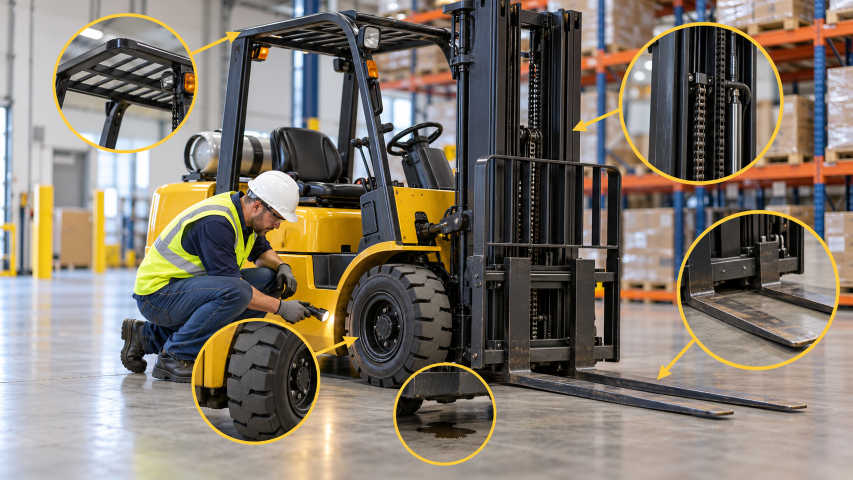
Operators often spot developing faults before anyone else. A new vibration, a weak brake response, or a sluggish mast may be the first indication that equipment needs attention.
A consistent pre-operation forklift inspection includes checking tires, forks, hydraulic leaks, restraint systems, and controls. OSHA requires powered industrial trucks to be examined at least daily before being placed in service and after each shift when they are used on a round-the-clock basis.
These checks should be meaningful rather than rushed paperwork. If the truck appears unsafe, remove it from service and report the defect. Continuing to operate it to finish one more load can turn an ordinary repair into an injury or major equipment failure. Similar heavy-equipment maintenance habits, including routine inspections and timely replacement of wear items, can also help prevent small problems from becoming expensive failures.
Maintenance intervals should reflect manufacturer instructions and real operating conditions. A forklift working long shifts under heavy loads will accumulate wear differently from one used only a few times each week.
Record operating hours, previous repairs, recurring defects, and service dates. This creates a clearer picture of when filters, fluids, brakes, chains, and other components need attention. It also helps technicians recognize whether an issue is unusual or part of a repeating pattern.
Scheduling necessary work during quieter periods reduces disruption. Waiting until the machine becomes noisy or unreliable is rarely an efficient plan, especially when the required component has a long delivery time. This focus on equipment condition and planned servicing also matters in modern heavy-duty vehicle repair, where unnecessary downtime can quickly increase operating costs.
Incorrect parts orders create a frustrating second round of downtime. Before contacting a supplier, confirm the model and serial numbers, power source, installed attachments, and the part number whenever available.
Ask whether the proposed replacement meets the machine manufacturer’s requirements and whether associated fittings or seals are needed. A low-cost substitute is not worthwhile if it compromises function or safety.
Understanding forklift fork inspection and replacement concerns is especially important for load-bearing components. Cracks, distortion, excessive wear, and other defects can require a fork to be removed from service. Repairs or replacements should meet applicable safety requirements and be handled by authorized personnel.
Keep a record of verified components after each repair. The next order becomes easier when the identification work has already been done carefully.
An organized storeroom can shorten repair delays, but overstocking wastes money. Stock decisions should reflect the fleet’s history rather than an unlimited collection of possible failures.
Common filters, approved fluids, lamps, and regularly replaced consumables may justify keeping modest quantities on hand. Expensive or rarely needed assemblies can often be ordered when required, provided supplier lead times are understood.
Track how quickly parts are used and review inventory as equipment changes. A component that suited an older model may no longer be useful after a fleet upgrade. Label bins clearly so technicians do not confuse parts with similar appearances but different specifications.
Good inventory management balances availability with accuracy, not volume for its own sake.
A maintenance system works best when operators feel comfortable reporting problems promptly. Encourage specific descriptions: when the symptom appeared, whether it happens under load, and whether a warning indicator is active.
Supervisors should respond consistently rather than treating reports as interruptions. A clear process for isolating an unsafe machine protects workers and helps technicians begin diagnosis with useful information.
Share repair outcomes with operators when appropriate. If they understand which symptoms indicate a serious fault, future reporting improves. Reliable equipment is partly the result of a workplace culture that pays attention before a breakdown forces everyone to listen.
The strongest maintenance programs are not necessarily elaborate. They make inspection routine, assign responsibility clearly, retain usable records, and allow time for qualified servicing.
Review recurring breakdowns and their operational consequences, not just the repair invoices. If one truck regularly needs urgent attention, investigate whether workload, driving conditions, maintenance practices, or equipment suitability are contributing.
Forklifts are valuable because they make difficult movements look effortless. Keeping them dependable requires steady work behind the scenes. With precise parts ordering, meaningful inspections, and timely repairs, a business can protect both its people and its workflow without spending every week responding to another avoidable failure.
The post Less Downtime, More Momentum: A Smarter Approach to Forklift Care appeared first on Gauge Magazine.