
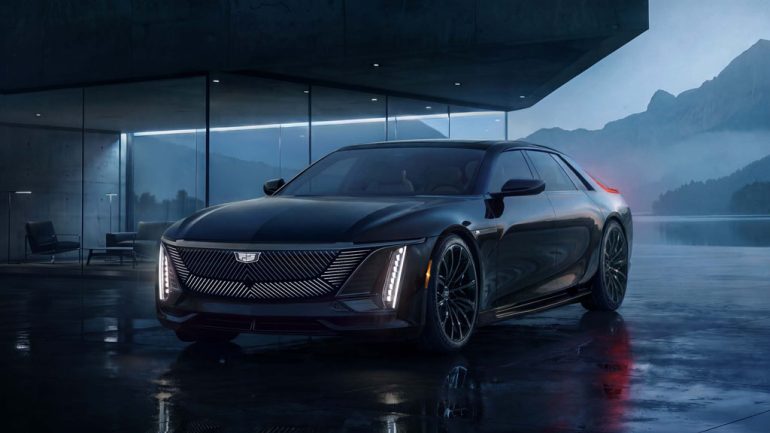
Remember when nearly every major automaker was promising an all-electric future, pouring billions into battery factories, and making ambitious plans to leave gasoline engines behind? Well, things have certainly changed, and General Motors is the latest manufacturer adjusting its strategy. According to a report from Automotive News, GM is preparing to close its Brownstown Battery Assembly plant in Michigan while repurposing another Detroit-area facility originally intended for hydrogen fuel cell development. The moves come as automakers reassess their electrification investments amid softer-than-expected EV demand, rising development costs, and the expiration of federal electric vehicle purchase incentives. It’s another reminder that the industry’s transition away from traditional gasoline engines isn’t unfolding quite as quickly as many manufacturers anticipated.
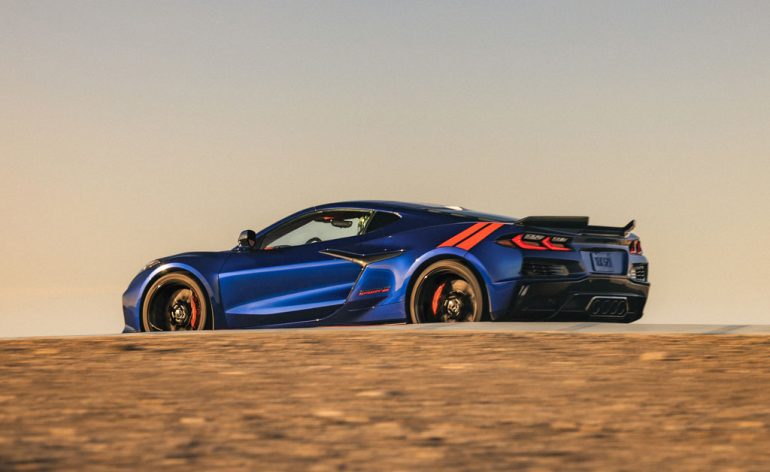
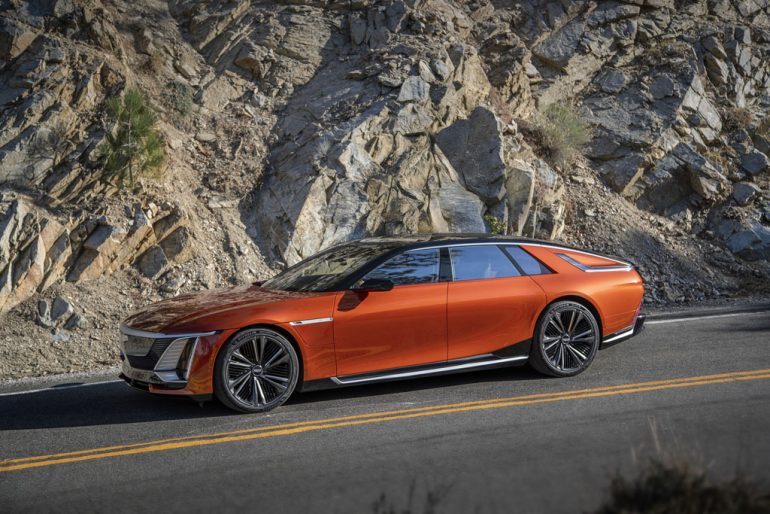
The Brownstown Battery Assembly plant, a 480,000-square-foot facility just south of Detroit, has played an important role in GM’s electrified vehicle operations. The plant has produced battery packs for the ultra-luxurious Cadillac Celestiq, along with battery packs and electric drive units for the Chevrolet Corvette E-Ray. The automaker says production work currently performed at Brownstown will move to other nearby GM facilities, although specific locations haven’t been announced. The Cadillac Celestiq remains in production for 2027, while the Corvette E-Ray has been discontinued in favor of the new Corvette Grand Sport X. While the closure might initially sound like another major setback for GM’s electric ambitions, the company insists that the decision involves relocating operations rather than completely abandoning the work.
GM is also stepping away from facilities originally dedicated to hydrogen fuel cell technology. Approximately 80,000 square feet of the Brownstown plant had supported hydrogen development through a partnership with Honda that began in 2017, but the joint venture was dissolved in 2025. High development costs, limited refueling infrastructure, and weak consumer demand have made hydrogen-powered vehicles increasingly difficult to justify. Automotive News also reports that GM is exploring a new use for a separate 300,000-square-foot Detroit facility originally intended for a hydrogen fuel cell project involving Piston Automotive. With that venture no longer moving forward, GM has reportedly assumed Piston’s portion of the building’s long-term lease. The company hasn’t disclosed exactly how it intends to use the space, but the changes reflect a broader effort to redirect resources toward more practical and profitable operations.
We think GM’s latest decisions illustrate how dramatically the automotive industry has shifted in just a few years. Electric vehicles continue to improve, and GM certainly isn’t abandoning the segment altogether, but the reality is that consumer demand hasn’t consistently matched the aggressive projections that once fueled enormous investments in alternative powertrains. Hydrogen technology faces even greater challenges, particularly in the United States, where refueling infrastructure remains extremely limited. Meanwhile, gasoline-powered trucks, SUVs, and performance vehicles continue to generate substantial profits for automakers. GM appears increasingly willing to balance its electrification ambitions with what customers are actually buying, and that may prove to be the smarter approach moving forward. Rather than forcing an industry-wide transition on an overly ambitious timeline, manufacturers may ultimately find more success by offering a wider range of powertrain choices and allowing consumers to determine what works best for them.