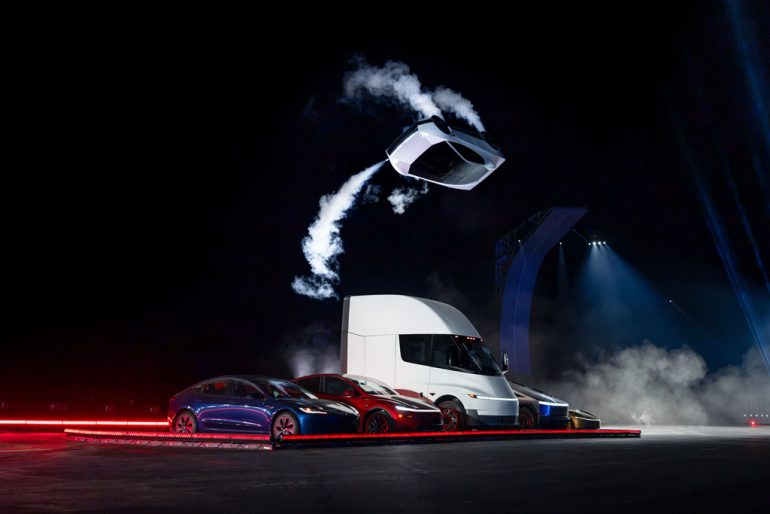
Elon Musk already has his hands in electric vehicles, rockets, artificial intelligence, and robotics, but what if he decided to bring two of his biggest companies under one roof? That’s a possibility Wall Street is taking increasingly seriously as speculation surrounding a potential merger between Tesla and SpaceX continues to build. According to a new report from Reuters, several financial analysts believe a combination of the two companies is becoming increasingly likely, although there’s considerable disagreement over what such a deal should look like and how much Tesla shareholders should receive. With a potential combined valuation approaching $3.5 trillion, this wouldn’t be just another major corporate acquisition. It could become one of the largest business combinations in history, bringing together two companies that have already made an enormous impact on their respective industries.
The idea of combining Tesla and SpaceX might initially seem unusual, considering one company manufactures electric vehicles while the other builds rockets and operates satellite communications networks. However, the two businesses are becoming increasingly connected through their investments in artificial intelligence, advanced computing, robotics, and autonomous systems. Tesla is spending heavily on self-driving technology, its Optimus humanoid robot, and AI infrastructure, while SpaceX is expanding beyond rockets and Starlink into increasingly sophisticated computing operations. The companies are also collaborating on the massive Terafab semiconductor project, which aims to support their growing demand for advanced chips. Supporters of a merger argue that sharing engineering resources, infrastructure, and capital could eliminate duplicated expenses and accelerate technological development. For Musk, it could also mean spending less time managing two separate corporate structures while pursuing a more unified vision for the future.
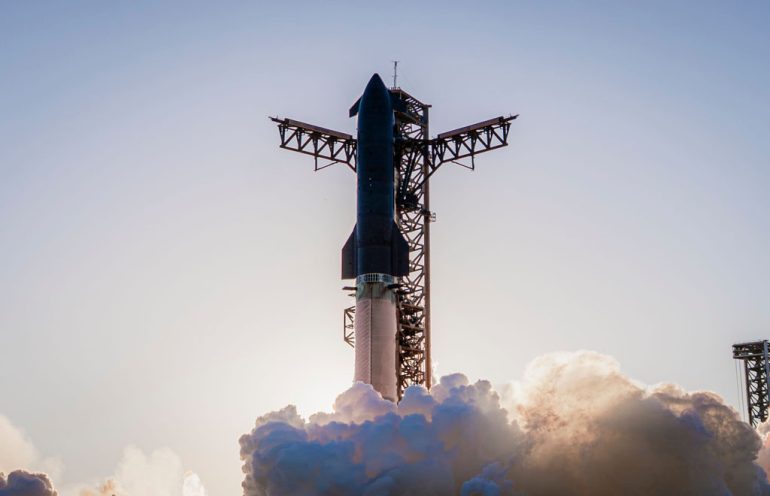
Of course, combining two companies of this magnitude is considerably more complicated than simply agreeing that they belong together. The biggest sticking point appears to be the financial terms, particularly how much of a premium Tesla shareholders should receive in exchange for their stock. Reuters reports that analysts at RBC Capital Markets and JPMorgan believe Tesla investors could demand a premium ranging from 20% to 35%, while other market observers argue that little or no premium may be necessary. Considering Tesla’s market valuation of approximately $1.5 trillion, even a relatively modest premium could add hundreds of billions to the transaction’s value. Some investors also worry that SpaceX’s enormous spending commitments, including an anticipated $35 billion to $40 billion in fourth-quarter capital expenditures, could place additional financial pressure on a combined company. That’s a substantial concern when many of the technologies supporting these lofty valuations have yet to demonstrate consistent profitability at a commercial scale.
Another major complication involves Musk’s ownership and voting control. While he holds approximately 20% of Tesla’s voting power, Musk controls roughly 85% of SpaceX’s voting rights through a special share structure. Analysts suggest a merger could potentially increase his voting control of the combined business to approximately 57% or 58%, depending on the final exchange ratio. That would give Musk significantly greater influence over the merged company than he currently holds at Tesla. Unsurprisingly, corporate governance has become a central concern, particularly because Musk effectively sits on both sides of the potential transaction. Independent committees have been formed to evaluate the possibility, and Musk has acknowledged that his conflicts of interest prevent him from participating directly in their negotiations. SpaceX also confirmed on October 22 that any agreement would require approval from its special committee, board of directors, and Musk as its controlling shareholder. No merger terms have been finalized, and there’s still no guarantee that a deal will actually happen.
Tesla shareholders could ultimately present one of the biggest obstacles. Musk has indicated that a merger would require approval from a majority of all Tesla shares, not simply a majority of the shares represented at a shareholder meeting. That means shareholders who fail to cast ballots could effectively make approval more difficult, creating an unusual challenge for a transaction of this size. There are also regulatory questions, potential conflicts of interest, and concerns about whether Tesla investors would receive fair value for surrendering their ownership in an independent company. Some analysts have pointed to Tesla’s controversial 2016 acquisition of SolarCity as a reminder of the legal scrutiny that can arise when Musk is involved with companies on both sides of a transaction. With Tesla’s annual shareholder meeting scheduled for December 3, investors will be watching closely for additional disclosures about the discussions and any indication that a formal proposal is moving forward.
Beyond the financial considerations, a Tesla-SpaceX merger could have some fascinating implications for the automotive industry. Tesla has spent years positioning itself as much more than an electric vehicle manufacturer, increasingly emphasizing artificial intelligence, autonomous driving, and robotics as the foundation of its future. A merger with SpaceX could accelerate that transformation, potentially giving Tesla access to a broader range of technologies and infrastructure. However, there’s also a legitimate question about what such a move would mean for Tesla’s core automotive business. Electric vehicle sales remain fiercely competitive, and developing affordable, desirable vehicles still requires enormous attention and investment. Some investors may welcome a larger technology-focused company, while others could worry that Tesla’s automotive operations would become less of a priority as Musk pursues increasingly ambitious projects involving space-based computing and artificial intelligence.
We think the prospect of a Tesla-SpaceX merger is intriguing, but it’s also one of those situations where the excitement surrounding the possibilities shouldn’t overshadow the financial and practical realities. There’s no denying that Musk has built two extraordinarily influential companies, and bringing their technologies together could create opportunities that neither business could pursue as efficiently on its own. Still, a potential $3.5 trillion combination would come with enormous expectations, significant financial commitments, and some difficult questions about shareholder interests and corporate governance. The biggest challenge may be proving that the value created by combining Tesla and SpaceX would outweigh the risks of such a complicated transaction. For now, Wall Street appears increasingly convinced that a merger could happen, but until the independent committees agree on terms and shareholders have their say, it’s far from a done deal. One thing is certain: if Musk manages to bring his electric vehicle and rocket companies together, the automotive world will be watching very closely to see what happens next.