The project car looks affordable until the first round of parts, transport, storage, and workshop time reaches the budget. For an enthusiast, the purchase is only the beginning. The challenge is leaving enough money to make the car usable rather than spending everything to get it home.
Before adding another vehicle, decide what the project is for, which existing commitments must stay funded, and whether a genuinely surplus everyday car can help finance it. Keep the decision about a normal road car separate from assumptions about the value or saleability of a custom build.
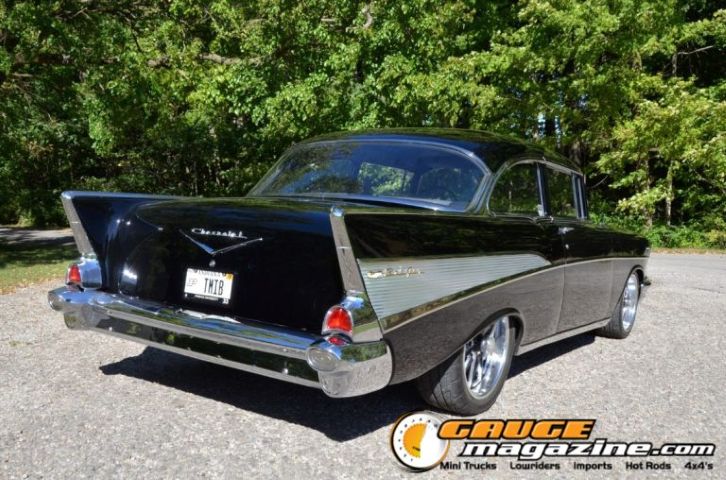
Define the first result you actually need: a complete running vehicle, an assessed repair plan, or a safe and appropriately checked car ready for the next stage. List the work needed to reach that point before pricing cosmetic changes.
Separate known work from items that still need inspection. A component being present does not establish its condition, and a seller’s description that a car “just needs finishing” is not a repair estimate. If a major uncertainty could make the project unaffordable, investigate it before buying.
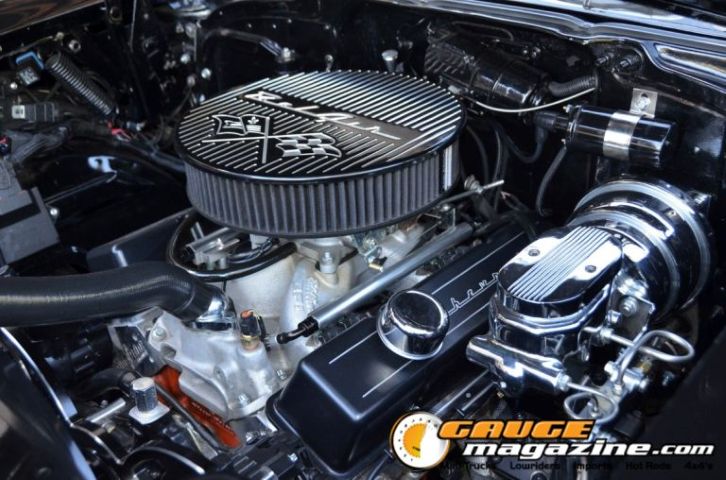
Ask which jobs you can genuinely do, which need a qualified provider, and what equipment or workspace they require. Time spent waiting for access, parts, or a specialist can have a real storage and transport cost even when your own labour is unpaid.
Keep household bills, essential transport, and existing finance commitments outside the discretionary build budget. Do not assume that a future sale will cover a payment due now or that a collection of spare parts can quickly become cash.
Maintain separate figures for the purchase, immediate work, continuing ownership, and unknowns. A reserve is useful only if you do not spend it twice: once to justify buying the car and again to justify the first batch of upgrades.
| Budget category | What to include before committing |
|---|---|
| Purchase and collection | Agreed vehicle price, transport and relevant transaction costs |
| Initial assessment | Inspection, diagnosis and a realistic scope for the first stage |
| Essential work | Documented mechanical, electrical, body or other necessary work |
| Parts and consumables | Specific required items, delivery and fitting materials |
| Outside help | Work you cannot or should not perform yourself |
| Space and ongoing costs | Storage, insurance as applicable and other continuing charges |
| Unresolved items | Questions requiring an assessment or quote, not assumed zeros |
| Money kept separate | Household obligations, daily transport and the contingency reserve |
An extra everyday car might release funds, but first test whether the household can manage without it. A project that will eventually become roadworthy is not a substitute for the daily driver you need next week.
Check overlapping work hours, appointments, and the journeys that another person quietly relies on that car to cover. Include the cost of replacement transport before treating its sale as entirely available project money.
If the vehicle has a loan, request the current payoff figure and work out what would remain after settlement and selling costs. A sale price and a build budget are not the same number. A shortfall needs its own funding rather than being absorbed into optimistic project arithmetic.
The question “where to sell my car online” should follow a clear vehicle description. For a surplus everyday car, Bidbus provides one dealer-auction model to compare with a direct dealer offer or private listing, subject to its service coverage and vehicle criteria. That is not a recommendation to put an unfinished or heavily modified project through the same channel.
Supply the same current mileage, condition, equipment, and ownership information for each comparison. Check the buyer, fees, remaining inspections, and handover responsibilities. Do not count a valuation estimate or a promising bid as cleared money for parts.
A specialist or unfinished vehicle needs a separate suitability check. Use a route that understands its condition and documentation, and do not infer acceptance from the fact that a website handles ordinary cars.
Make the project purchase timing work with the completed sale, not an assumed best-case date. Understand when either agreement becomes binding and avoid promising the same vehicle to more than one buyer.
If a desired project requires money before the existing car can be sold, reconsider the timing or the funding plan. Pressure to secure a rare listing can make it tempting to accept an unclear selling arrangement or borrow against proceeds that are not confirmed.
Before ordering parts, state what the next stage will achieve, what evidence will confirm it, and the most you can spend on it. Reassess when new damage, missing documentation, or a more expensive repair changes the original scope.
Keep a record of purchases, installed components, and specialist work as you go. That helps with maintenance and a future handover, but it does not mean the next buyer will repay everything invested. Treat resale as uncertain, not as justification for exceeding the budget.
A project is easier to enjoy when it does not depend on selling another car for an ideal amount or finishing every job immediately. Buy with a workable first stage, protect the daily transport you still need, and let confirmed funds set the pace of the build.
The post Funding Your Next Project Car Without Raiding the Build Budget appeared first on Gauge Magazine.