
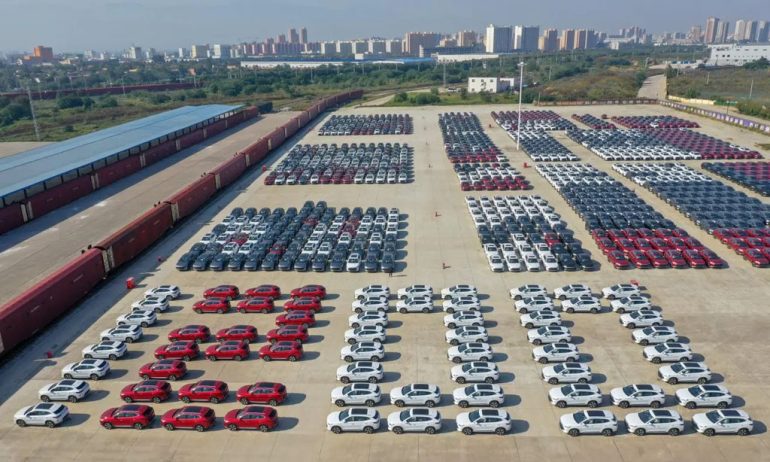
The American auto industry isn’t backing down from its fight to keep Chinese automakers out of the United States, and the pressure on Washington is only growing. According to a November 2 report from Reuters, the Alliance for Automotive Innovation, which represents major manufacturers including General Motors, Toyota, Volkswagen, Ford, and several others, is once again urging Congress to pass legislation permanently banning Chinese vehicles from the American market. The renewed push comes as lawmakers prepare to return following the midterm elections, with automakers hoping to see action before the end of the year. Alliance CEO John Bozzella argues that allowing Chinese vehicles into the country would introduce potential surveillance and cybersecurity risks while threatening manufacturers that have invested billions in American factories, workers, and communities.
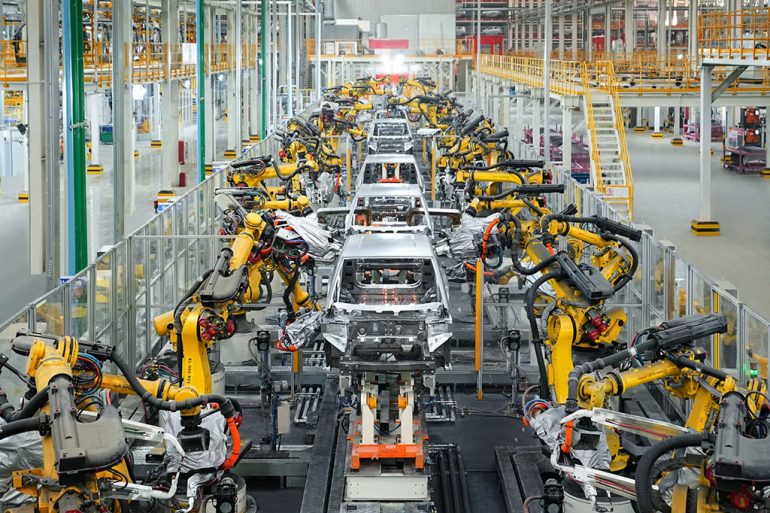
We’ve been following this battle closely at Automotive Addicts, and today’s developments reinforce just how determined the industry is to keep Chinese manufacturers from gaining a foothold here. Back in May, we reported on the auto industry’s efforts to convince President Trump to keep Chinese carmakers out of the U.S., followed by our September coverage of automakers demanding congressional action. We also covered the bipartisan Senate effort to make those restrictions permanent, particularly as Trump signaled openness to Chinese automakers establishing manufacturing operations in America. The proposed legislation, backed by lawmakers from both parties, would strengthen existing restrictions on Chinese-connected vehicles and make them considerably harder for future administrations to reverse. Senate sponsors delayed their attempt to fast-track the measure in September, but the issue is now returning to the forefront.
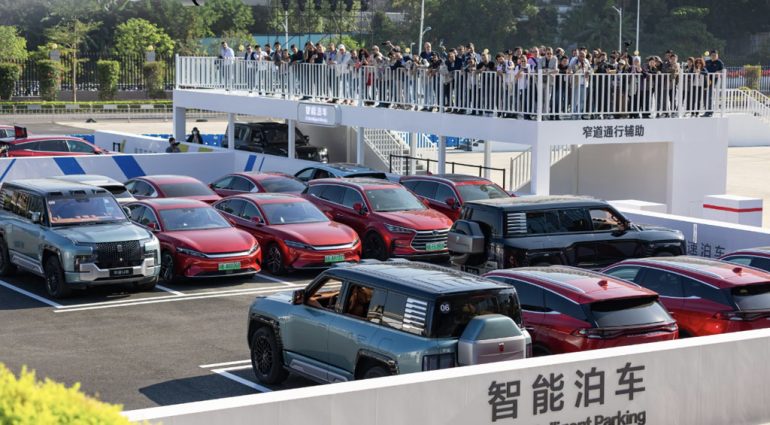
What’s particularly interesting is how much of this debate goes beyond traditional concerns about competition. Chinese automakers have demonstrated an ability to produce technologically advanced electric vehicles at aggressive prices, potentially challenging established brands already struggling with rising production costs and shifting consumer demand. Supporters of the ban argue that Chinese government subsidies, connected-vehicle technology, and national security concerns justify keeping these manufacturers out. Critics, however, could argue that blocking new competitors ultimately limits consumer choice and potentially keeps vehicle prices higher for American buyers. For now, the proposed permanent ban has not become law, and Congress still needs to resolve outstanding objections before moving forward. One thing is becoming increasingly clear, though: America’s major automakers are remarkably united on this issue, and they have no intention of making it easy for Chinese brands to enter the world’s second-largest automotive market.