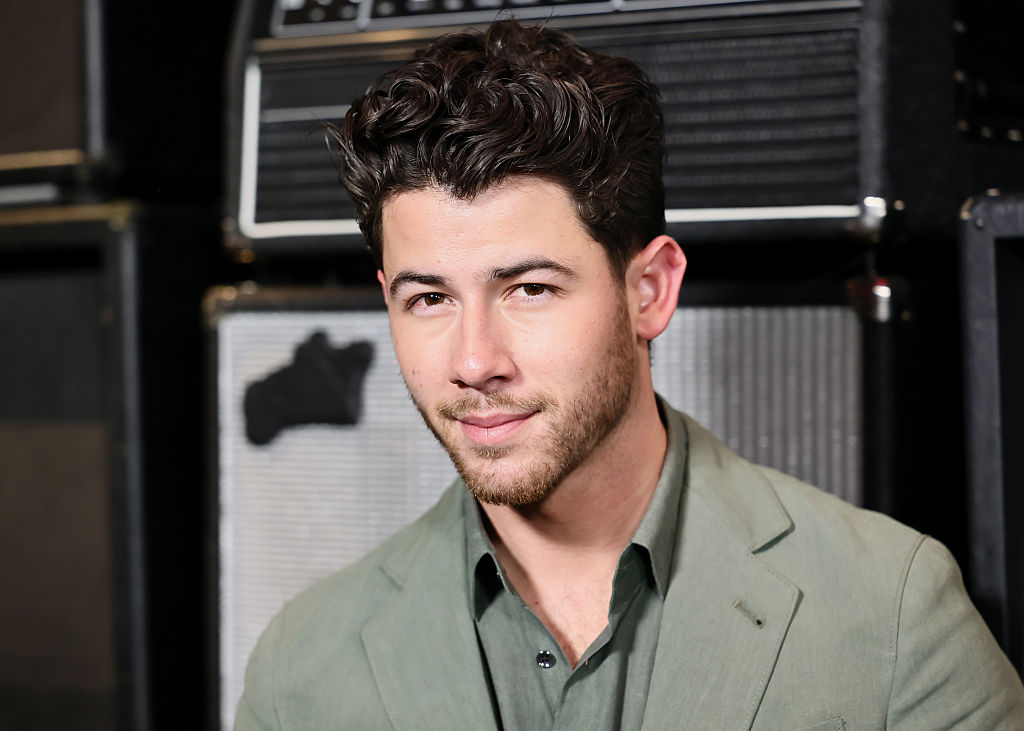
I was 13 years old and in the middle of one of the Jonas Brothers’ first tours when I knew something was wrong. In just two weeks, I’d lost nearly 25 pounds. I was constantly thirsty, going to the bathroom, getting regular cramps, and my attitude had become more than that of an irritable teenager. While I didn’t know what was wrong, I knew I needed to see a doctor.
Fast forward, I was sitting with the pediatrician and heard the words “You have type 1 diabetes.”
Immediately, I saw my future flash before my eyes: Will I be able to perform again? Am I going to die? This certainly wasn’t what anybody predicted.
I wasn’t just scared for myself; I was scared for my family. As a kid, you think your parents have everything figured out. Seeing mine just as confused and distraught as I was terrified me.
For years, I accepted that my diagnosis was something no one could have anticipated. But now, more than 20 years later, I understand something I couldn't at 13: my diagnosis may have come out of nowhere, but my type 1 diabetes didn't.
What most people don’t know is that 90% of people diagnosed with type 1 diabetes have no family history. Because of this, many families—mine included—have a massive blind spot. We assume we’ll know if we’re at risk. We assume diabetes will give us a warning. Too often, we don’t think about our health at all until something is already very wrong.
But today, we know more. We can identify the early stages of type 1 diabetes months or even years before symptoms appear. For families, that early detection can provide something that I think about often: time.
I think about what more time could have meant for my own family. While early detection wouldn’t have changed my diagnosis, it could have changed how and when we learned about it. Maybe my parents wouldn’t have had their diabetes “crash course” at the same time their 13-year-old son was sitting in a hospital bed. Maybe my brothers wouldn’t have been scared that they were going to lose their sibling. Maybe I could have known what was happening with my body rather than feeling out of control. Maybe we could have been more prepared.
And my family’s experience is far from unique. For too many people, the first time they learn about type 1 diabetes is in crisis. Research shows that up to 40% of young people in the U.S. with the condition arrive at diagnosis in diabetic ketoacidosis, or DKA, a serious, life-threatening complication of diabetes.
For years, I thought stories like mine were just how diabetes happened. You got sick. You found out. You figured out how to live with it. But science has changed, and our understanding of diabetes has changed. I’m just not sure the public understanding of diabetes has changed.
That matters because misconceptions about diabetes are everywhere, and they aren’t just about what life looks like after a diagnosis. They also shape whether we recognize our risk in the first place.
I’ve seen the impact of those misconceptions firsthand. It’s one of the reasons I co-founded the nonprofit Beyond Type 1 in 2015: to change the way diabetes is seen and understood, build a community where people don’t have to face it alone, and help create a world where diabetes doesn’t limit a person’s life or possibilities.
And this blind spot isn’t unique to type 1 diabetes. Millions of Americans are living with type 2 diabetes, while millions more have prediabetes and don’t even realize it. But our assumptions about age, weight, lifestyle, and family history shape who we think is at risk. Those assumptions create stigma, which can discourage people from getting tested and finding the support they need. Diabetes is hard. Shame makes it harder.
A diabetes diagnosis is not a personal failing. There should be no shame in understanding your risk and seeking care if needed.
The tools for detecting type 1 and type 2 diabetes are different. But the principle remains the same: knowing you have diabetes sooner gives you more time to act. It’s not about living in fear or trying to predict the future, but about recognizing that we have information today that many families, including mine, didn’t have when I was diagnosed.
If there’s one truth I want to yell out loud, it’s this: you don’t have to wait for diabetes to announce itself. A simple blood test can detect type 1 diabetes before symptoms appear by looking for autoantibodies. For type 2 diabetes, regular blood sugar checks, including an A1C test, can help catch high blood sugar early on.
So, what's the first step? Just talk to your doctor. Find out if you're at risk and what signs to look out for. Ask about screening options that make sense for you and your family. And if you’re unsure where to start, you can learn more about diabetes risk, screening, and early detection here.
Now that I’m a dad, I understand my parents’ fear now in a way I couldn’t then. I think about what it must have felt like to watch their child lose nearly 25 pounds, only to learn that he had a lifelong condition that would change his life—and theirs—forever. It's a really tough thing for a parent to go through, and I can see now that it wasn't just about me, it was about all of us.
This also rings true for the physical and mental toll type 1 diabetes takes, not just on the person diagnosed, but on the entire family. From constant monitoring and planning ahead to food calculations and technology management, diabetes burnout is real. My diabetes management tests my resilience daily, and while I’ve been living with type 1 for over 20 years, I know the emotional demands on my parents, my siblings, and, now, my spouse don’t just go away; they evolve.
Whether it’s you or a loved one who’s been diagnosed, the right guidance can make all the difference.
I wish my family's experience with my diagnosis could have been different, but hopefully, others will be better equipped to handle a diagnosis. While there's a lot about diabetes that's unpredictable, that doesn't mean we can't be prepared for what's to come.