
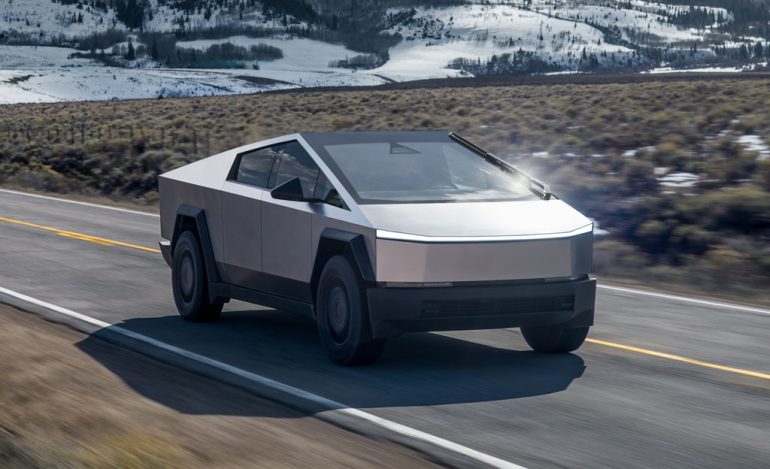
Well, this certainly wasn’t how Tesla envisioned the Cybertruck’s future when it first rolled onto the stage looking like something straight out of a science fiction movie. After years of hype, production delays, and ambitious sales projections, the controversial electric pickup is reportedly nearing the end of the road. Tesla CEO Elon Musk announced on X that the company plans to wind down Cybertruck production at its Gigafactory Texas facility around the middle of 2027, making room for increased production of its upcoming Cybercab robotaxi. As reported by Car and Driver and Reuters, the announcement raises serious questions about the future of a vehicle that was supposed to revolutionize the American pickup truck market. While Musk hasn’t explicitly confirmed that Cybertruck production will end permanently, no alternative manufacturing location has been announced.
The Cybertruck certainly made an unforgettable first impression when Tesla revealed its angular stainless-steel pickup back in 2019. Customer deliveries eventually began in late 2023 for the 2024 model year, but the truck never came close to achieving the massive sales volumes Musk originally envisioned. Tesla once discussed producing approximately 250,000 Cybertrucks annually, yet U.S. sales reached just 38,965 units in 2024 before falling to 20,237 in 2025. Things haven’t improved much in 2026, with only 11,586 examples sold through the first nine months of the year, according to Kelley Blue Book estimates. That’s a substantial decline for a vehicle that initially generated enormous attention and attracted buyers eager to own something completely different.
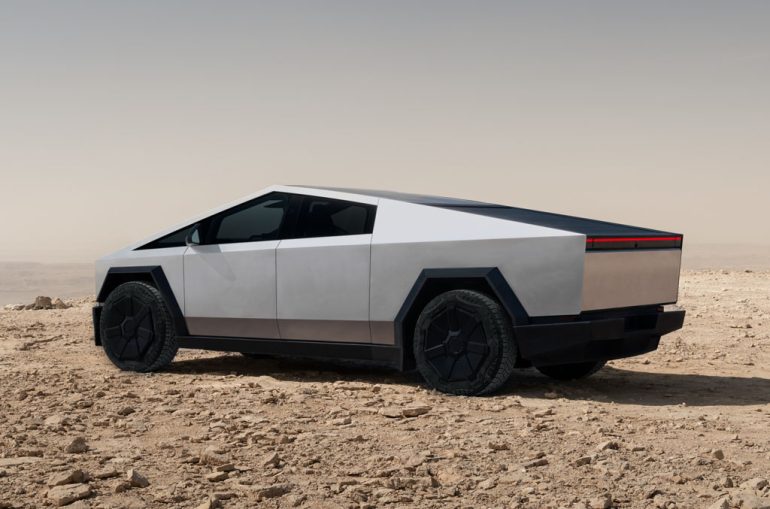
Pricing has undoubtedly played a role in the Cybertruck’s struggles. Tesla originally promoted the idea of a pickup starting around $39,900, but the production model arrived at considerably higher prices. Currently, the lineup includes configurations approaching $90,000 and the six-figure Cyberbeast, placing the Cybertruck well beyond what many traditional pickup buyers are willing to spend. Add its polarizing styling, unconventional design, quality concerns, and numerous recalls, and it’s not particularly surprising that initial enthusiasm hasn’t translated into sustained sales. Tesla now appears more interested in dedicating manufacturing capacity to the Cybercab, a purpose-built autonomous vehicle that Musk believes will play a central role in the company’s future.
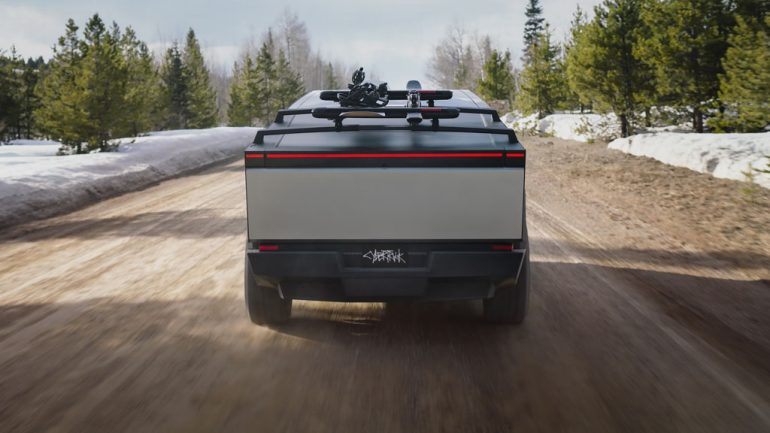
From our perspective, the Cybertruck will go down as one of the most unusual automotive experiments of the modern era, whether you loved its futuristic appearance or couldn’t stand looking at it. We give Tesla credit for having the courage to build something so dramatically different from conventional pickups, but being different doesn’t automatically guarantee commercial success. The Cybertruck also demonstrates how difficult it can be to convince American truck buyers to abandon familiar designs and capabilities, particularly at premium prices. If production truly ends in 2027 without moving elsewhere, the Cybertruck will have enjoyed a surprisingly short lifespan for such a highly publicized vehicle. It might eventually become an interesting collector’s item because of its unconventional design and relatively limited production numbers. For now, though, Tesla appears ready to turn its attention toward robotaxis, leaving the future of its stainless-steel pickup looking increasingly uncertain.