
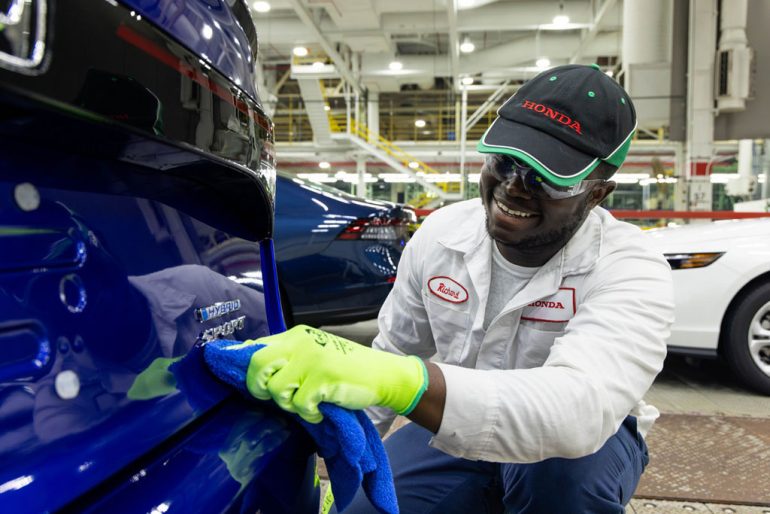
Honda is making a massive bet on American manufacturing, and the timing says quite a bit about where the Japanese automaker believes the industry is heading. The company has announced plans to invest $3 billion in an all-new vehicle assembly plant in Central Ohio, further strengthening its already substantial manufacturing presence in the United States. The facility will be located near Honda’s existing Marysville and East Liberty assembly plants, with production expected to begin in 2029, pending final government approvals. Once operational, the new factory will have the capacity to produce approximately 240,000 vehicles annually while creating more than 2,000 jobs. That additional output will bring Honda’s total U.S. vehicle production capacity to approximately 1.3 million vehicles per year, a significant expansion at a time when many automakers are carefully reconsidering their manufacturing and electrification strategies.
What makes this announcement particularly interesting is the flexibility Honda is building into the new facility. Rather than dedicating the plant exclusively to electric vehicles or traditional gasoline-powered models, Honda says it will be capable of manufacturing conventional combustion-engine vehicles, hybrids, and fully electric vehicles. The company hasn’t announced which models will eventually roll off the assembly lines, but that adaptability could prove extremely valuable as consumer preferences continue evolving. Honda has already experienced considerable success with hybrid versions of popular models such as the CR-V, Accord, and Civic, and demand for vehicles that combine impressive fuel economy with the convenience of gasoline refueling remains strong. Having a factory capable of adjusting its production mix could help Honda respond to those changing demands without committing itself entirely to one powertrain technology.

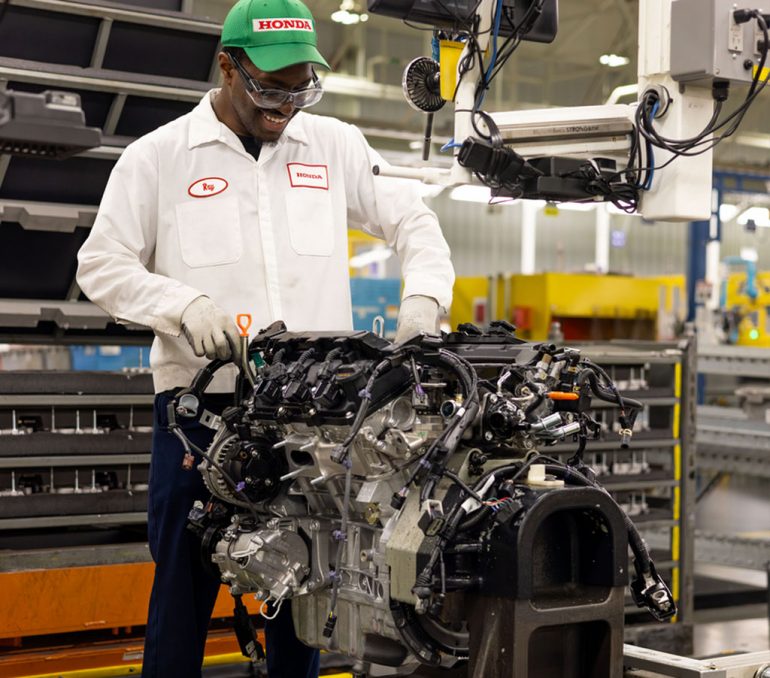
Beyond the new Ohio assembly plant, Honda is making additional investments across several existing manufacturing facilities to support a much larger hybrid vehicle lineup. The company’s Anna Engine Plant in Ohio is undergoing extensive retooling to produce a next-generation Atkinson-cycle four-cylinder engine intended for future compact and midsize vehicles. Meanwhile, Honda’s transmission plant in Russells Point, Ohio, is converting an existing production line into a second line dedicated to advanced hybrid systems. Honda expects these improvements to increase its Ohio hybrid powertrain production capacity by an impressive 250% over the coming years. The facility will also serve as the lead manufacturing operation for a new hybrid system designed for larger vehicles, with additional production planned at Honda’s transmission facility in Georgia.
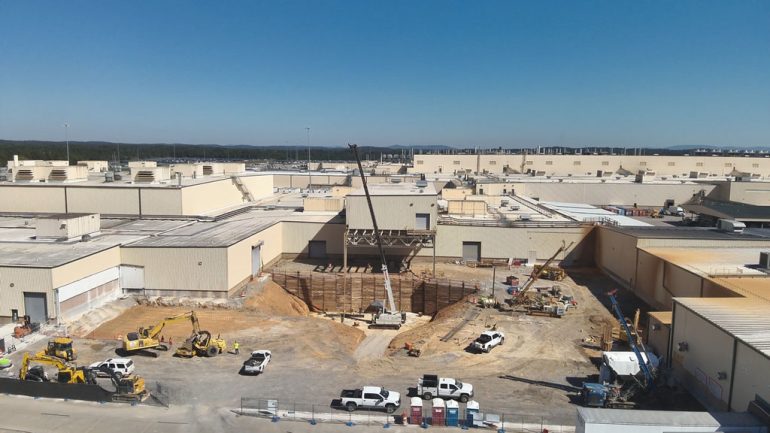
Honda’s Lincoln, Alabama, manufacturing operations are also receiving attention as part of this broader investment strategy. The company plans to expand its engine production capabilities to accommodate a new V6 hybrid powertrain, opening the door for electrified versions of larger Honda and potentially Acura vehicles. Additional upgrades will allow the Alabama facility to manufacture multiple models more efficiently across its two assembly lines, giving Honda greater flexibility as new vehicles enter production. These developments are particularly intriguing because Honda has traditionally concentrated much of its hybrid technology around four-cylinder powertrains. Expanding into V6-based hybrid systems could allow the company to bring improved efficiency and additional electric assistance to larger SUVs without requiring buyers to make the complete transition to battery-electric vehicles.
From our perspective, this announcement makes it increasingly clear that Honda is diving much deeper into hybrid technology while simultaneously preparing for the possibility of a much broader electric vehicle lineup. We believe that’s a smart strategy, especially considering how unpredictable the transition toward fully electric vehicles has become. Hybrids continue to offer an attractive middle ground for buyers who want better fuel economy and lower operating costs without changing their driving or refueling habits. At the same time, building a new $3 billion factory capable of producing EVs gives Honda the flexibility to expand electric vehicle production when market conditions make sense. We wouldn’t be surprised to see this investment eventually support several new Honda and Acura models, potentially including electrified vehicles that haven’t even been announced yet. For now, Honda appears determined to give American buyers more choices rather than forcing everyone down a single path, and we think that’s exactly the kind of forward-thinking approach the automotive industry needs.