
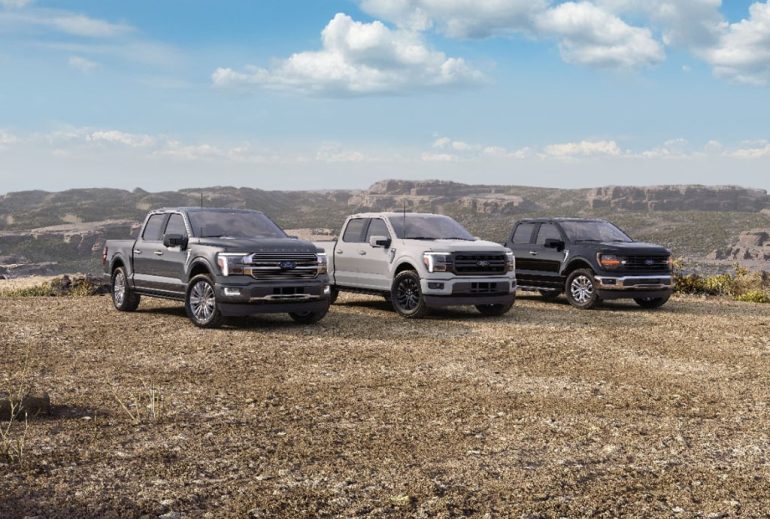
The 2027 Ford F-150 arrives with its most significant powertrain update in years: a new 3.0-liter V6 replaces the outgoing 2.7-liter as the base engine, and the 5.0-liter V8 returns to King Ranch and Platinum for the first time since 2023. Add a new Carhartt special edition, hands-free towing through BlueCruise, and revised entry points on the Tremor and Raptor, and there is a lot to sort through before you walk into a dealership. The F-150 spans more than 30 configurations across eight trim families, with pricing that starts under $40,000 and climbs past $75,000 for the Raptor. This guide breaks down dealer invoice prices by trim, explains the new engine lineup, and walks through how to negotiate effectively on America’s best-selling truck.
Engine selection is the most consequential decision in the F-150 buying process because it drives towing capacity, payload, and total cost. Ford offers six powertrains for 2027, though not every engine is available on every trim.
The new standard engine is a 3.0-liter EcoBoost V6 producing 325 horsepower and 400 lb-ft of torque. This replaces the outgoing 2.7-liter V6 and makes the same peak power, but Ford tuned the new engine to deliver its torque peak at 2,250 rpm instead of 3,500 rpm — which means the power arrives earlier in everyday driving situations. Maximum towing with this engine is 8,400 pounds. For buyers who do not need maximum hauling capability and want the lower entry price, this engine is the practical baseline.
The 5.0-liter V8 produces 400 horsepower and 410 lb-ft of torque and is now available across a wider range of the lineup, including King Ranch and Platinum for the first time since 2023. Maximum towing with the V8 reaches 12,800 pounds and maximum payload is 2,235 pounds in the most capable configuration. This is the engine for buyers who want the torque delivery character of a naturally aspirated V8 alongside serious work capability.
The 3.5-liter EcoBoost V6 is the peak towing engine in the standard F-150 lineup, rated up to 13,500 pounds of towing in 4×4 configuration and 2,440 pounds of maximum payload in 4×2. It produces 400 horsepower and 500 lb-ft of torque and is available on higher trim levels where maximum capability matters.
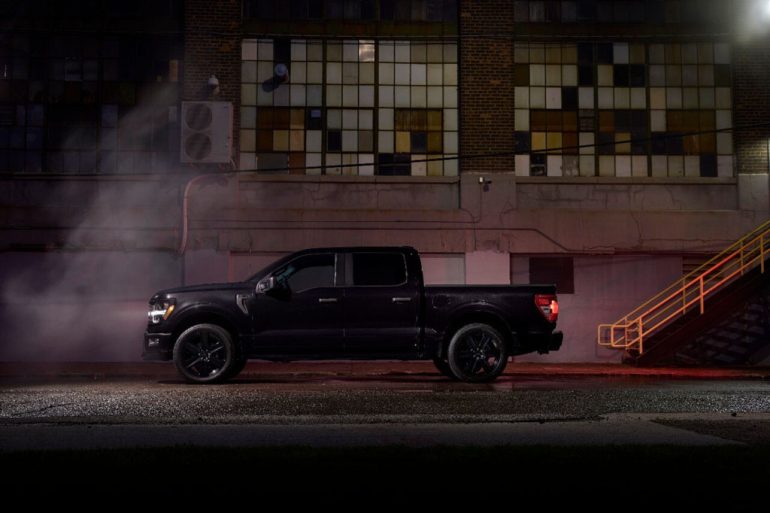
The 3.5-liter PowerBoost hybrid V6 produces 430 horsepower and 570 lb-ft of torque and adds the benefit of onboard power generation through the Pro Power Onboard system. The PowerBoost’s 12,400-pound towing capacity (4×2) and built-in generator make it the choice for buyers who want to run power tools or equipment from the bed.
The Raptor gets its own dedicated 450-horsepower 3.5-liter High-Output EcoBoost V6, while the Raptor R remains the top-tier performance option with its 720-horsepower supercharged 5.2-liter V8.
The F-150’s configuration matrix spans more than 30 variants when cab style, bed length, and drivetrain are factored in. The table below organizes invoice pricing by trim family, using the most common SuperCrew 5.5-foot short-bed body style where available, to give you a practical comparison across the lineup. Prices are pre-destination.
| Trim | Drivetrain | MSRP | Dealer Invoice | Dealer Margin |
|---|---|---|---|---|
| XL Regular Cab (8 ft. LB) | 4×2 | $38,110 | $36,395 | $1,715 |
| XL SuperCrew (5.5 ft. SB) | 4×2 | $44,505 | $42,502 | $2,003 |
| XL SuperCrew (5.5 ft. SB) | 4×4 | $48,390 | $46,213 | $2,177 |
| STX SuperCrew (5.5 ft. SB) | 4×2 | $47,760 | $45,611 | $2,149 |
| STX SuperCrew (5.5 ft. SB) | 4×4 | $51,640 | $49,316 | $2,324 |
| XLT SuperCrew (5.5 ft. SB) | 4×2 | $48,385 | $45,240 | $3,145 |
| XLT SuperCrew (5.5 ft. SB) | 4×4 | $52,245 | $48,849 | $3,396 |
| Lariat SuperCrew (5.5 ft. SB) | 4×2 | $57,730 | $53,978 | $3,752 |
| Lariat SuperCrew (5.5 ft. SB) | 4×4 | $61,530 | $57,531 | $3,999 |
| Tremor SuperCrew (5.5 ft. SB) | 4×4 | $59,975 | $56,077 | $3,898 |
| King Ranch SuperCrew (5.5 ft. SB) | 4×2 | $66,155 | $61,855 | $4,300 |
| King Ranch SuperCrew (5.5 ft. SB) | 4×4 | $69,955 | $65,408 | $4,547 |
| Platinum SuperCrew (5.5 ft. SB) | 4×2 | $69,130 | $64,637 | $4,493 |
| Platinum SuperCrew (5.5 ft. SB) | 4×4 | $72,930 | $68,190 | $4,740 |
| Raptor SuperCrew (5.5 ft. SB) | 4×4 | $75,325 | $70,429 | $4,896 |
Dealer margins on the F-150 scale with the trim level. The XL Regular Cab has about $1,715 of front-end margin, while the Raptor carries nearly $4,900. On mid- and upper-tier trims, the XLT through Platinum range, margins of $3,000 to $4,700 give buyers genuine negotiating room. Add dealer holdback, which Ford pays to dealers quarterly as a percentage of MSRP, and the actual floor below which a dealer can sell and still break even is lower than the invoice numbers above. A determined buyer with competing dealer quotes can frequently close the gap to or below invoice on popular configurations when market conditions are favorable.
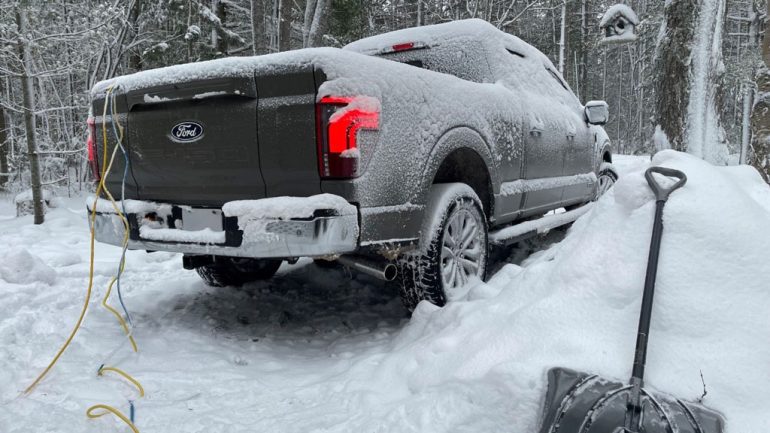
The XL is the work truck of the lineup. It is stripped for durability and function: vinyl seating, rubber flooring, crank windows in the base Regular Cab, and minimal infotainment. Fleet buyers, contractors, and buyers who plan significant upfitting typically start here because the lower purchase price leaves room for work-specific equipment. The XL is available in Regular Cab, SuperCab, and SuperCrew body styles with 4×2 and 4×4 drivetrains, giving it the widest configuration range in the lineup.
The STX adds sport exterior styling over the XL — blacked-out trim, STX badging, and a slightly more finished appearance — without adding significant comfort or technology content. It sits between the XL and XLT on price and is best understood as an appearance package for buyers who want the work truck’s lower cost with a more aggressive visual presentation.
The XLT is the volume trim of the F-150 lineup and the first level where the truck starts to feel like a comfortable daily driver. It adds an 8-inch SYNC 4 touchscreen, cloth seating, power windows and locks throughout, and optional packages that can add heated seats, navigation, and trailer technology. BlueCruise hands-free highway driving is available on the XLT, which is notable at this price point. For buyers who need a capable truck for both work and daily use and do not want to step into Lariat territory, the XLT 4×4 SuperCrew at a $48,849 invoice is the sweet spot of the lineup.
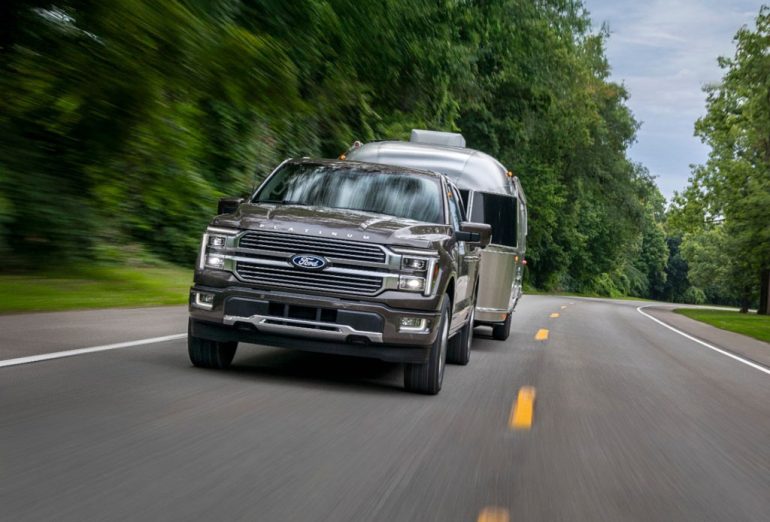
The Lariat is where the F-150 transitions from capable truck to premium daily driver. Leather seating, a larger infotainment screen, power-adjustable front seats, and upgraded audio are standard. The 4×4 Lariat at a $57,531 invoice is the first trim that competes meaningfully with Ram’s Laramie and Chevy’s LTZ on interior quality and feature content. The Lariat is also one of the best-optioned trims for adding packages, so the base price is often just the starting point.
The Tremor is the mid-range off-road variant, sitting below the Raptor in price and capability but offering lifted suspension, off-road tires, and trail-ready hardware for buyers who go off-pavement without needing Raptor-level performance. For 2027, Ford restructured the Tremor around an STX base, which lowered the entry price by approximately $5,300 versus the 2026 version but also removed heated front seats, dual-zone climate control, B&O audio, and running boards from the standard equipment list. Buyers who valued those features in the previous Tremor should check the options list carefully.
The King Ranch and Platinum are the luxury tier of the standard F-150 lineup. Both receive the 5.0-liter V8 as an available option for 2027, restoring a choice that had been absent since 2023. The King Ranch emphasizes Western heritage styling with leather seating, premium stitching, and unique exterior badging. The Platinum leans into contemporary luxury with more chrome, a larger screen, and additional comfort technology. Margins of $4,300 to $4,740 at these trim levels mean there is real money to negotiate.
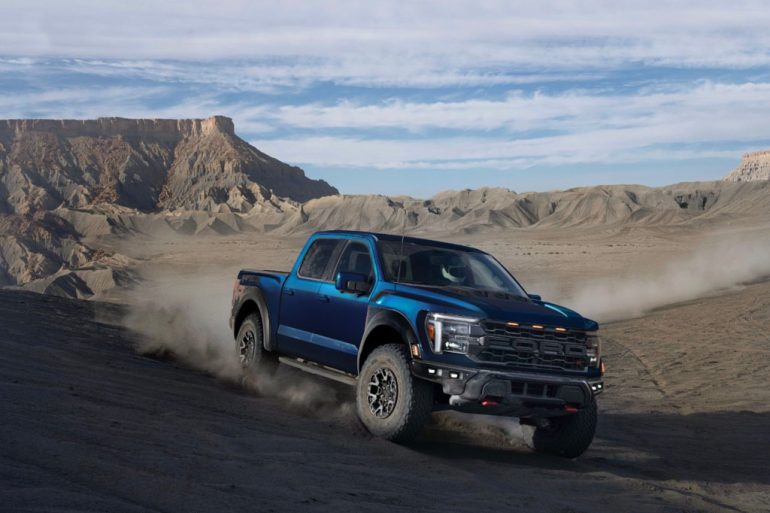
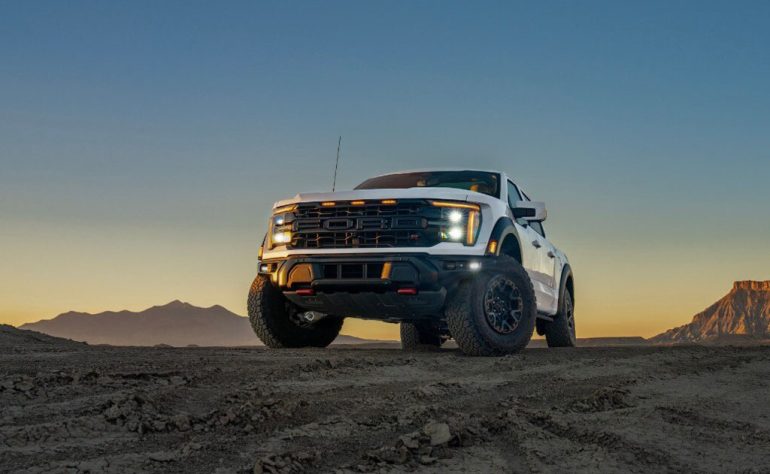
The Raptor is the performance off-road variant with long-travel suspension, high-output 450-horsepower engine, and FOX Racing Shox. For 2027, Ford lowered the Raptor’s entry price by approximately $4,000 to $6,000 versus the 2026 model by removing several features from the standard equipment list: the head-up display, fog lamps, 2kW Pro Power Onboard outlet, power passenger seat, mobile office package, and under-seat storage are gone, and the audio system drops from 14 speakers to 8. Buyers who want those features back will find them on the options list at additional cost. The Raptor R with its 720-horsepower supercharged V8 sits above this in the lineup.
The new Carhartt Edition is a factory special based on the XLT 4×4 SuperCrew and priced at approximately $62,660 before destination. It adds 20-inch wheels, Carhartt branding inside and out, duck-cloth-inspired seat covers, a spray-in bedliner, and Tremor-style hood and headlights. It arrives in early 2027 and targets buyers who want distinctive styling with a recognizable brand collaboration.
The headline change is the new 3.0-liter EcoBoost V6 replacing the 2.7-liter as the base engine. Output stays at 325 horsepower but torque delivery improves significantly, arriving at 2,250 rpm versus 3,500 rpm on the outgoing engine. Ford says real-world drivability in the rpm ranges used most often in daily driving improves by 10 to 11 percent. The towing rating with this engine remains 8,400 pounds.
The 5.0-liter V8 returns to King Ranch and Platinum, expanding V8 availability further down the lineup than any recent model year. Buyers who prefer the character of a naturally aspirated V8 now have that choice at more trim levels.
BlueCruise hands-free highway driving gains towing capability for 2027, covering more than 130,000 miles of mapped highway routes. It limits speed to 75 mph while towing, requires drivers to enter trailer dimensions and weight, and helps manage trailer sway. Existing BlueCruise subscribers receive the towing feature at no additional cost. This capability is available on XLT, Tremor, Lariat, King Ranch, and Platinum.
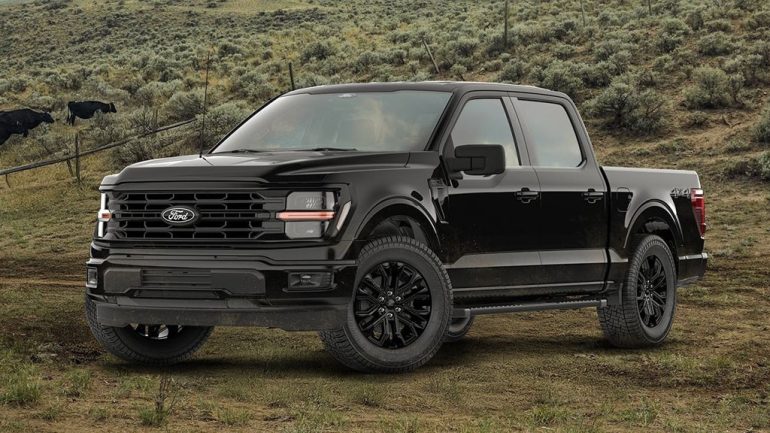
The XLT, Lariat, and King Ranch receive new grilles and updated wheel designs. The Tremor moves to a lower base price with an STX foundation but loses several features in the process. The Raptor follows the same pattern — lower price, fewer standard features — giving buyers the choice of a leaner base truck or a loaded one with options added back.
Maximum towing on the 2027 F-150 is 13,500 pounds with the 3.5-liter EcoBoost V6 in 4×4 configuration. Maximum payload is 2,440 pounds with the 3.5-liter EcoBoost in 4×2. The 5.0-liter V8 supports up to 12,800 pounds of towing and 2,235 pounds of payload. The base 3.0-liter V6 supports 8,400 pounds of towing and approximately 1,755 pounds of payload. All towing and payload figures are configuration-specific — drivetrain, cab, bed, and option choices all affect the rated limits, and the specific truck’s door-jamb sticker shows its actual ratings.
The 2027 Ford F-150 carries a 3-year/36,000-mile bumper-to-bumper warranty and a 5-year/60,000-mile powertrain warranty. Ford also includes complimentary scheduled maintenance for the first 2 years or 24,000 miles. For the Raptor and other high-performance trims, verify specific exclusions with the warranty documentation, as powertrain warranty terms can vary for performance-tuned configurations.
The F-150 is the best-selling vehicle in the United States, which creates both advantages and disadvantages for buyers. Volume means inventory is typically available at multiple dealers in most markets, and dealers compete for F-150 sales. Demand also means dealers are rarely in a position where they need to dump units, so the market rarely falls dramatically below invoice.
Use the invoice prices in this guide as your starting anchor. On XLT and above, margins of $3,000 or more give you meaningful room. Open your offer below invoice and work toward a final number in the $500 to $1,500 above-invoice range on volume trims, recognizing that holdback and market conditions can sometimes push that lower. On King Ranch, Platinum, and Raptor, the larger margins support more aggressive opening offers.
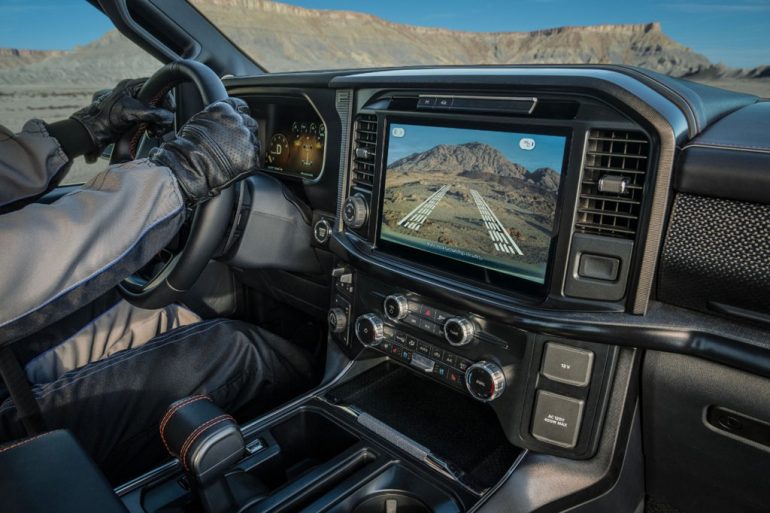
Truck configuration matters enormously for inventory. A popular combination — 4×4 SuperCrew XLT in a common color — gives dealers pricing power because they can sell it quickly. A less common configuration, an unusual color, a 4×2 Regular Cab, or a truck that has been on the lot for more than 45 days puts more leverage on your side.
Compare offers across at least two or three dealers in your region. F-150 dealers are plentiful enough in most markets that competitive bidding is realistic. Email-based quote requests before you visit let you establish a baseline price without spending a full day negotiating on the showroom floor.
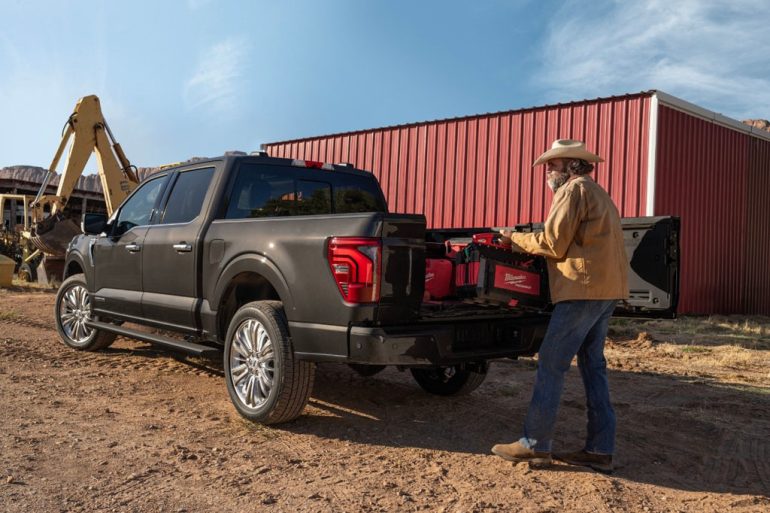
Ford frequently runs factory incentives on the F-150, including cash back and special APR financing. Manufacturer offers often apply on top of your negotiated price, so check Ford’s current regional incentives before you finalize any deal. A $1,000 or $2,000 incentive layered onto a price near invoice can produce a genuinely strong transaction without requiring extraordinary negotiating.
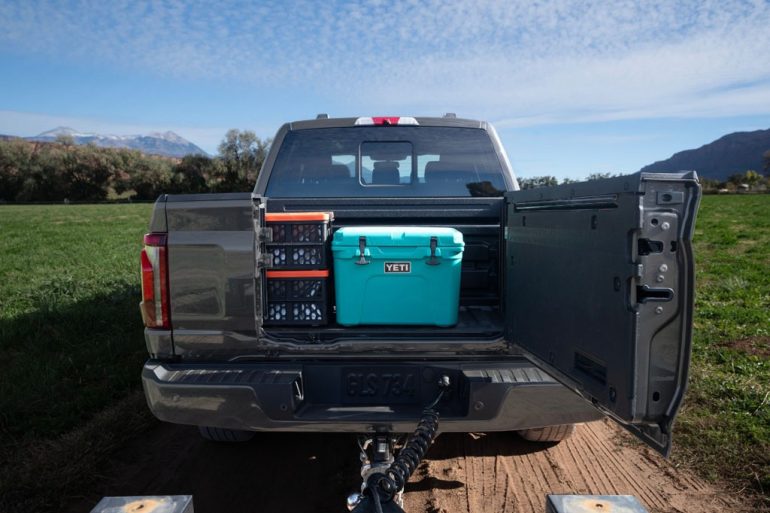
Finally, watch the finance and insurance office. The F-150 is one of the most heavily aftermarket-accessorized vehicles in the country, and dealers frequently pitch bedliners, tonneau covers, running boards, and extended warranties in the F&I office at significant markups. Know what you want before you sit down, price the accessories you need separately, and treat each F&I product as its own buying decision rather than a package.