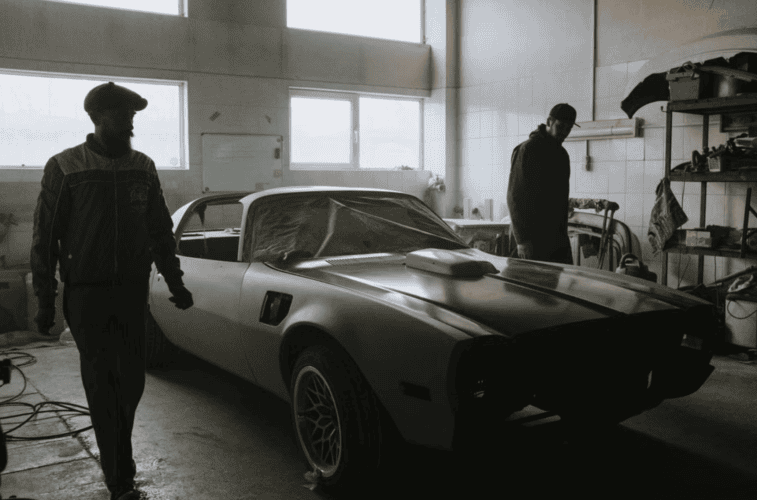
Classic car restoration can be an exciting project for anyone who enjoys vintage vehicles. However, bringing an older car back to good condition often requires significant money. The total cost depends on the vehicle’s condition, the availability of replacement parts, and the amount of work needed.
A realistic financial plan can make restoration expenses easier to manage. Car owners need to consider more than the initial purchase price, especially when unexpected repairs appear during the project. Careful budgeting, regular expense tracking, and sensible repair priorities can help keep spending under control.
Plan Restoration Work Around Available Monthly Funds
Owners can restore a vehicle in stages and spread the costs over several months instead of paying for all repairs at once. They can divide the project into stages and set a spending limit for each phase based on their available funds. If savings don’t cover a planned repair, financing options from providers such as CreditNinja can be considered alongside other funding sources, with attention to the loan’s fees and repayment terms. Owners should compare the loan costs with their monthly budget to make sure the payments are affordable.
Additionally, the owners should keep restoration expenses separate from money reserved for housing, food, utilities, and other essential needs. Repairs affecting the vehicle’s safety and operation should take priority, particularly issues with the brakes, suspension, and engine. Electrical work and other functional repairs can follow, while paint and interior improvements can wait until the vehicle is mechanically sound. This staged plan helps owners control spending without neglecting essential repairs.
Set Aside Extra Funds For Unexpected Repairs
Restoration costs often increase when mechanics uncover problems that were not visible during the initial inspection. Rust beneath body panels, damaged wiring, and worn engine components can add repair work to the original estimate. To prepare for these expenses, car owners can reserve an additional 30% to 50% of the estimated project cost, depending on the vehicle’s condition and the scope of work.
The contingency fund should cover essential repairs that affect the vehicle’s safety, performance, or structural condition rather than optional upgrades. Cosmetic changes, such as custom upholstery and decorative chrome trim, can increase costs and use funds better allocated to mechanical work. Keeping this reserve separate from the main restoration budget helps owners manage unexpected expenses without delaying necessary repairs.
Divide Your Restoration Budget Into Clear Categories
Once the contingency fund is established, the next step is to organize the main restoration budget. Car owners should separate expenses into categories instead of relying on a single spending estimate. This approach makes it easier to understand where money will go and which repairs require immediate attention.
A practical restoration budget should include the following categories:
● Vehicle purchase: The purchase price, transportation, registration, taxes, and storage.
● Essential repairs: Brakes, steering, suspension, tires, and important mechanical components.
● Cosmetic improvements: Paint, upholstery, interior trim, and other appearance-related work.
● Replacement parts: Original components, reproduction parts, and necessary hardware.
● Professional labor: Mechanical repairs, bodywork, welding, and other specialist services.
Safety repairs should come first when the restoration budget is limited. A fresh paint job doesn’t fix worn brakes, damaged steering parts, or other problems that affect how safely the car operates. Setting separate budgets for mechanical repairs and cosmetic upgrades helps owners avoid spending money on appearance before addressing essential work.
Research Replacement Parts Before Starting Major Work
After establishing the vehicle’s value and restoration goals, the next financial concern is replacement parts. Replacement parts are often easier to find for popular classic car models because specialist suppliers and aftermarket manufacturers continue to support them. Less common vehicles may require expensive specialist parts or components sourced from overseas. Researching availability before beginning major repairs prevents unexpected expenses later.
Owners should compare prices from specialist suppliers, salvage yards, and classic car communities. Include shipping charges, taxes, and the condition of used components in these comparisons. Confirm that parts match the vehicle’s exact model and production year before ordering. Identify expensive or hard-to-find components early so you can include their costs in the restoration budget.
Handle Simple Repairs And Outsource Complex Work
Professional labor can take up a large part of a vehicle restoration budget, especially when repairs require specialized skills and equipment. Owners with the right tools and skills can save money by cleaning parts, removing interior trim, and sorting replacement components themselves. Although these basic tasks are less complex than mechanical or structural repairs, owners must still handle parts carefully to prevent damage.
More complex repairs should be left to qualified professionals. Structural welding, major engine work, and safety-related repairs require specialized skills, proper equipment, and careful inspection. Before deciding who will do the work, owners should compare professional service fees with the cost of tools, materials, and time needed to complete the repair themselves.
Keeping Your Classic Car Restoration Budget Under Control
Classic car restoration requires patience and careful spending. Owners should set a realistic budget, track expenses, and prepare for repairs that were not part of the original plan. Safety and mechanical work should come before cosmetic upgrades. Comparing parts and labor costs also helps prevent unnecessary spending. These steps make it easier to restore the car while keeping expenses within a manageable limit.
The post How to Realistically Manage Your Finances for Classic Car Restoration appeared first on My Car Heaven.