

Driving looks different depending on where you are. A commuter in Los Angeles deals with different conditions than someone navigating Bangkok’s traffic. Both differ again from a driver managing Melbourne’s hills and unpredictable weather. Climate, road quality, traffic density, even the average age of the vehicle fleet, all shift from region to region. What doesn’t shift nearly as much is the underlying mechanical reality. Poorly maintained vehicles can be more likely to develop mechanical problems, some of which may not be immediately apparent.
Take Australia as one example. Local conditions there illustrate the point well. Melbourne’s fluctuating temperatures and hilly terrain, or Sydney’s dense, stop-start traffic, place particular stress on brakes, suspension components and cooling systems. Wear that a regular service schedule is specifically designed to catch, before it becomes a bigger problem. It’s a useful case study precisely because the pattern isn’t unique to Australia. Similar stresses show up in different forms almost everywhere cars are driven regularly, whether that’s the heat and dust of parts of the Middle East, the stop-start congestion common in many Southeast Asian cities, or the temperature swings drivers deal with across much of North America and Europe.
A quiet kind of risk
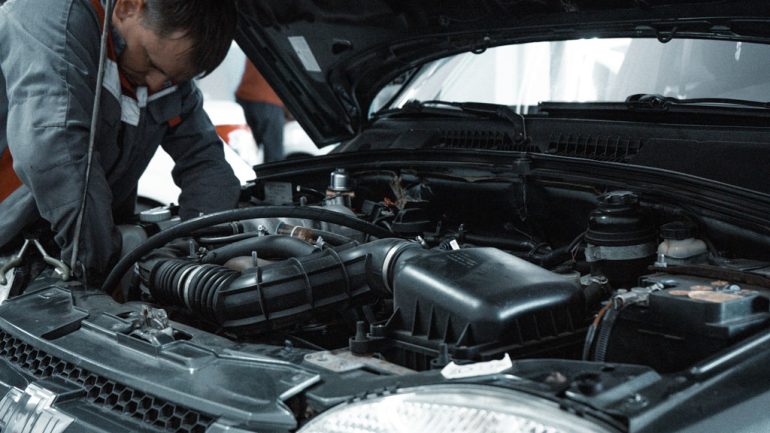
Vehicle wear rarely announces itself. Brake pads thin out gradually. Suspension bushings degrade slowly enough that most drivers adjust without noticing. Fluids lose effectiveness well before a dashboard light comes on. None of this tends to produce an obvious symptom, right up until the point it does. By then, the margin for a safe outcome has often narrowed considerably.
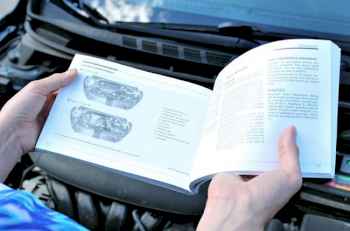
This is part of why manufacturers set service intervals in the first place. Not arbitrary bureaucratic checkpoints, really, they’re based on how components in a given vehicle typically wear under expected use, adjusted for towing loads, driving style, and the kind of environment the car is mostly driven in. Two otherwise identical vehicles can require different servicing attention depending on where and how they’re used. A car that spends its life in stop-start city traffic wears differently to one that mostly does long, steady highway stretches, even if both are the same make and model, same year, same engine.
There’s also a time dimension that’s easy to overlook. Some components degrade with usage. Others degrade simply with age, regardless of how many kilometres are on the odometer. Rubber perishes. Fluids absorb moisture over time. A car that’s barely been driven can still need attention it doesn’t look like it needs.
Where maintenance and road safety intersect
Skipping or deferring servicing doesn’t just risk an expensive repair bill later. Degraded brakes, worn tyres, or a failing suspension component can directly affect how a vehicle responds in a moment that matters. An emergency stop. A wet road. A sudden lane change to avoid something unexpected. Differences in vehicle condition can affect how a vehicle responds in situations such as emergency braking or sudden manoeuvres, and that difference sometimes shows up at the worst possible time, when there’s no room left to adjust.
This is where vehicle maintenance and road safety are more connected than most drivers think about day to day. A mechanical failure associated with inadequate maintenance, or a collision involving another vehicle that wasn’t properly maintained, are both scenarios that can lead to real consequences for the people involved. Not just financially, either. Health, recovery, time away from work and ordinary life, all of it can be affected.
In Australia specifically, this is reflected in how motor accident compensation frameworks are structured. Injured parties, whether drivers, passengers, or pedestrians, may have access to certain entitlements depending on the circumstances of the accident. Speaking with car accident lawyers can help clarify what options may be available, depending on the facts of a particular case. Similar principles, focused on liability, fault and injury, tend to apply in some form across most jurisdictions, even though the specific legal frameworks and terminology differ considerably from one country to the next. What counts as a threshold for a claim, what evidence matters, how fault gets assessed, these details vary. The underlying idea that someone injured through another’s negligence may have recourse tends to show up in some form almost everywhere.
A habit worth building, wherever you are
None of this requires treating a car like a fragile object. It just means understanding that the service schedule reflects something real about how components wear, not just a manufacturer’s preference for extra revenue. Checking oil levels, tyre pressure and any unusual noises or dashboard warnings between services is a reasonable habit regardless of where someone drives. These smaller checks can catch issues before they become significant, and they don’t take long once they become routine.
Regularity tends to matter more than any single service being perfect. A vehicle serviced consistently, even if imperfectly, is generally in a more predictable state than one serviced sporadically or only when something obviously goes wrong. Over time, this also tends to build a useful record, which can matter for warranty conditions and resale value depending on the manufacturer and market. Buyers notice a full logbook. It says something about how a car’s been treated, even if they can’t articulate exactly what.
The pattern that holds across borders
Wherever someone drives, whatever the climate, traffic pattern, or road conditions, vehicles wear down in broadly similar ways, even if the specific stresses differ. Treating a service schedule as a guide grounded in how mechanical components actually degrade, rather than an inconvenience to defer, tends to reduce the odds of a slow, invisible problem becoming a sudden and serious one.
That’s true whether someone is navigating a rural highway, dense city traffic, or long-distance freeway driving. The specific risks, and the legal frameworks that apply if something does go wrong, vary by location. The underlying logic behind staying on top of maintenance doesn’t, not really. It’s the same instinct, dressed differently depending on where you happen to be behind the wheel.