
U.S. forces attacked two Iranian rocket launchers on an island in the Strait of Hormuz on Sunday, according to the U.S. Central Command (CENTCOM), marking the first publicly confirmed strike on Iran in weeks.
In a statement to TIME, CENTCOM spokesperson Capt. Tim Hawkins confirmed the strikes on the launchers on Larak Island, adding that Iran’s Islamic Revolutionary Guard Corps (IRGC) forces “were observed preparing to launch rockets with sea mines” into the strait.
Last week, U.S. forces finished clearing sea mines from the strait’s international shipping routes.
“U.S. forces are monitoring the area closely and remain prepared to protect the free flow of commerce through this essential waterway,” Hawkins added.
Axios later reported, citing a U.S. official, that Iran launched ballistic missiles at a U.S. base in Jordan in retaliation for the strikes. Jordan’s armed forces said it intercepted eight missiles that entered the country’s airspace early Monday morning.
Iranian state news agency IRNA carried a statement from the Revolutionary Guards issued soon after the U.S. strikes saying that Iran will respond to the attacks on Larak Island “with punishment for the aggressor”.
In a statement, CENTCOM rebuffed the Revolutionary Guards’ claims, describing the Sunday attack as “limited, precise action against IRGC minelaying forces posing an imminent threat” to the strait.
Before the Sunday strikes, the last time the U.S. military confirmed targeting Iran was on July 29, announcing a “heavy wave of strikes” on dozens of IRGC targets in Iran, including command centers, missile and drone facilities, and coastal surveillance and defense sites.
On Aug. 1, President Donald Trump said that he agreed to “hold off” strikes in Iran at the request of the U.S.’s regional allies in the Middle East.
The strikes mark the latest escalation of the war in Iran that began on Feb. 28, and from which Trump has struggled to find an off-ramp.
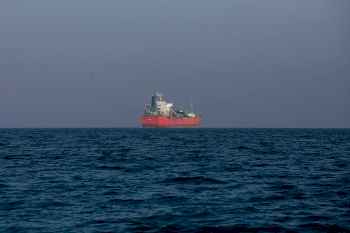
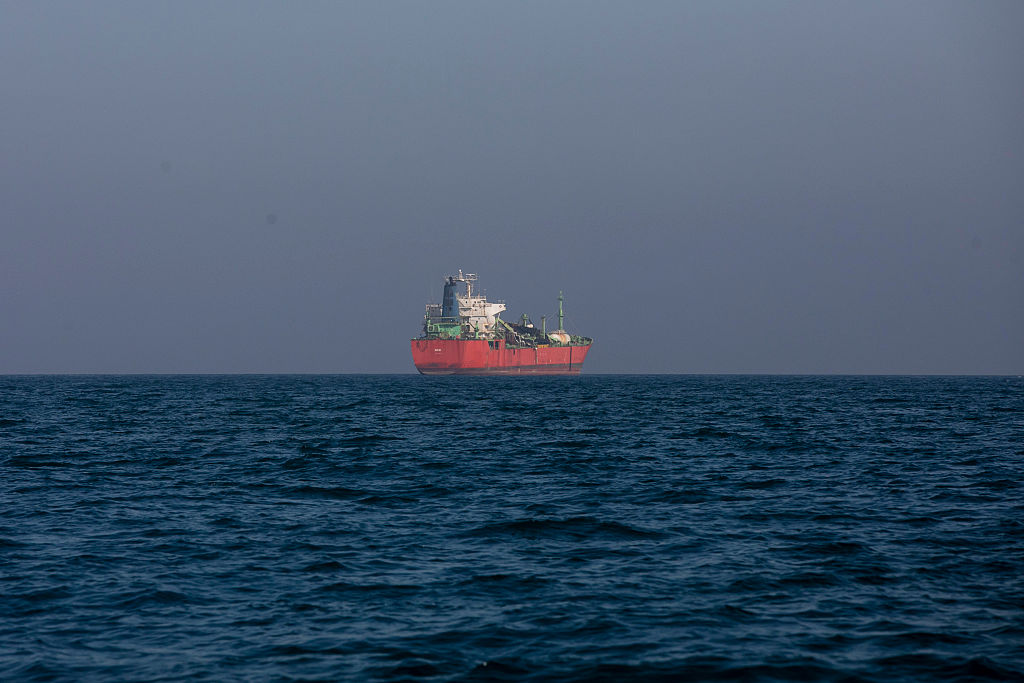
The war has led to a blockade of the Strait of Hormuz, which before the hostilities was one of the world’s most important energy transit routes, through which about a fifth of the world’s oil supply previously passed.
A U.S. naval blockade on Iranian ports was lifted in June, but it proved temporary, with the President reimposing the blockade after a deal to cease hostilities fell apart.