
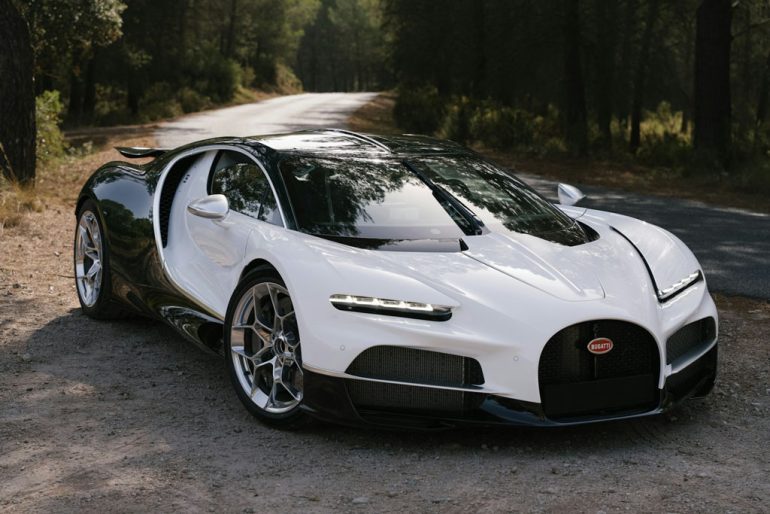
For more than 20 years, Bugatti’s quad-turbocharged W16 served as much more than an outrageous source of horsepower. Its deep, mechanical soundtrack became part of the personality of cars like the Veyron, Chiron, Bolide and Mistral. Replacing something that recognizable was never going to be easy, particularly as Bugatti entered the electrified era. With the new Tourbillon, the company has taken a dramatically different approach, pairing electric assistance with a naturally aspirated V16 that can spin all the way to 9,000 rpm. Now Bugatti has revealed just how much engineering went into making sure its next-generation hypercar sounds every bit as special as its specifications suggest.
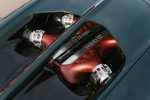
Interestingly, Bugatti was not chasing the perfectly polished engine note that some might expect from a multimillion-dollar exotic. The company wanted to preserve some of the raw, slightly aggressive character associated with its previous 16-cylinder machines. That task became considerably more complicated without four turbochargers shaping the exhaust note. Engineers reportedly ran thousands of simulations involving the Tourbillon’s intake and exhaust systems, searching for the right combination of volume, tone, performance and refinement. The result needed to feel unmistakably mechanical while still having the sophistication expected of a modern Bugatti.
That mechanical authenticity is one of the most fascinating parts of the project. Bugatti says it does not rely on speakers to manufacture or enhance the engine note inside the cabin. What the driver hears comes from the actual powertrain, with the vehicle’s acoustic insulation carefully engineered to let the desirable frequencies through without making everyday driving exhausting. With the windows closed, the Tourbillon can remain relatively civilized, particularly when running electrically. Open the windows and lean into the accelerator, however, and the intake and exhaust become a much bigger part of the experience. In an era when many performance cars digitally supplement their soundtracks, there is something wonderfully old-school about that approach.
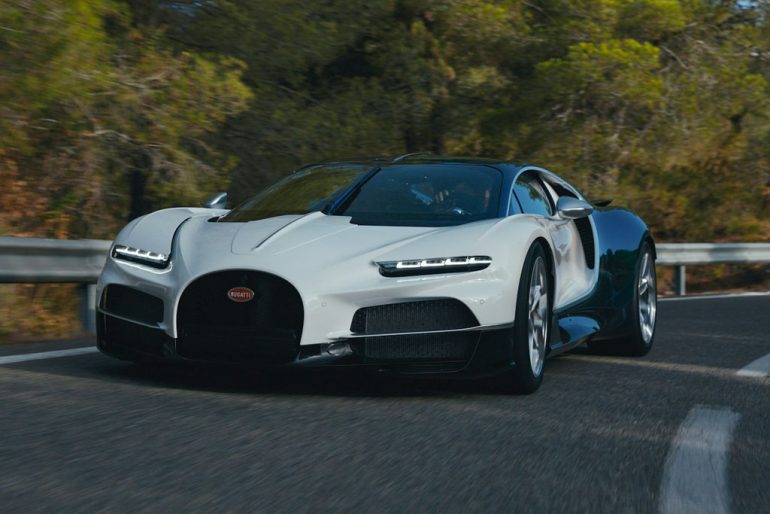
There is also a practical reason for Bugatti to put so much emphasis on sound beyond simple theater. A rising engine note gives the driver another layer of feedback, helping communicate engine speed and throttle response without requiring a glance at the tachometer. That should be especially effective with a naturally aspirated engine capable of reaching 9,000 rpm. The Tourbillon’s V16 represents an almost rebellious choice at a time when downsized turbocharged engines and fully electric drivetrains dominate much of the industry’s development work. Bugatti has embraced electrification, but here the electric system supports the combustion experience rather than replacing it.
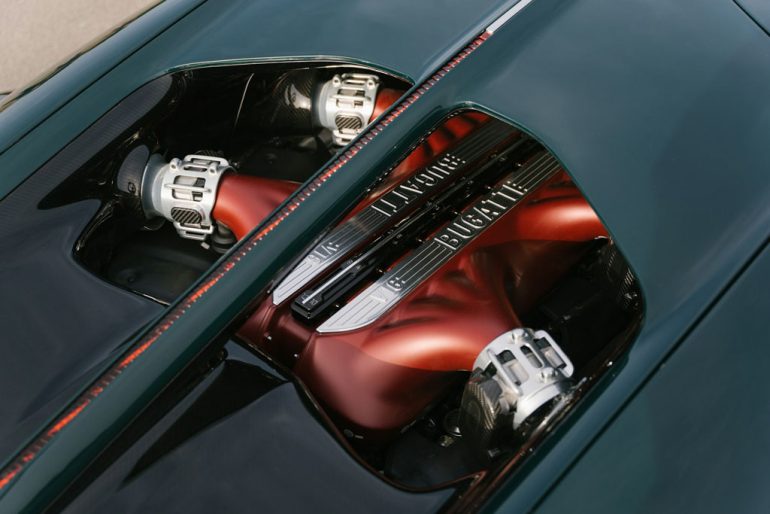
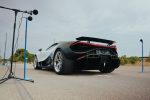
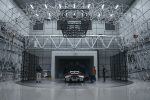
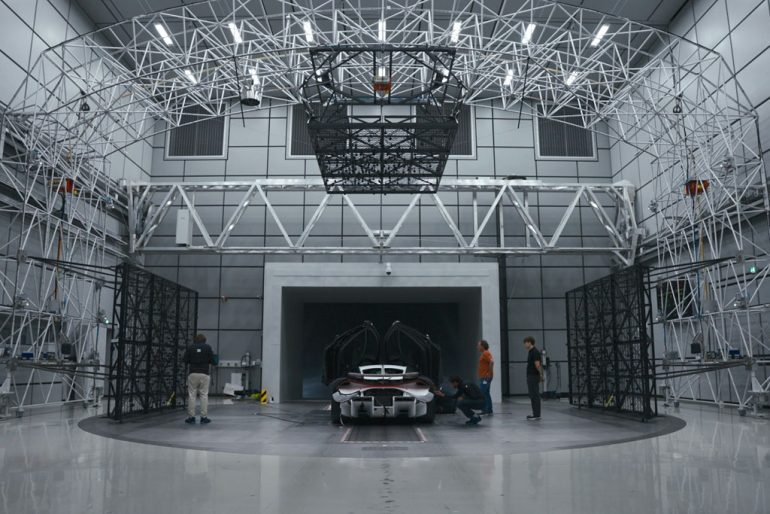
Making the Tourbillon sound dramatic was only half the battle. Making it sound dramatic while passing modern noise regulations required another round of engineering. Bugatti says the relevant homologation testing imposes a maximum result of 72 decibels, calculated through multiple procedures that include constant-speed and acceleration runs. The microphones also pick up much more than exhaust noise. Tire sound, aerodynamic turbulence and even the Tourbillon’s active aerodynamic hardware can contribute to the final measurement. Wind and temperature must remain within specific limits as well, meaning something as simple as an untimely gust can spoil an otherwise successful test run. Bugatti says the Tourbillon ultimately completed its homologation requirements successfully.
That leaves the Tourbillon with something increasingly rare among modern hypercars: a soundtrack that is genuinely inseparable from the machinery producing it. The naturally aspirated V16 delivers its drama without electronic sound enhancement, builds toward a soaring 9,000-rpm crescendo and still allows the car to slip quietly through town using electric power. Bugatti may have retired the legendary W16 formula that defined an entire generation of its cars, but it clearly has no intention of letting electrification silence the experience. If anything, the Tourbillon suggests Bugatti believes the future of the hypercar can be both electrified and gloriously loud when the road opens up.