

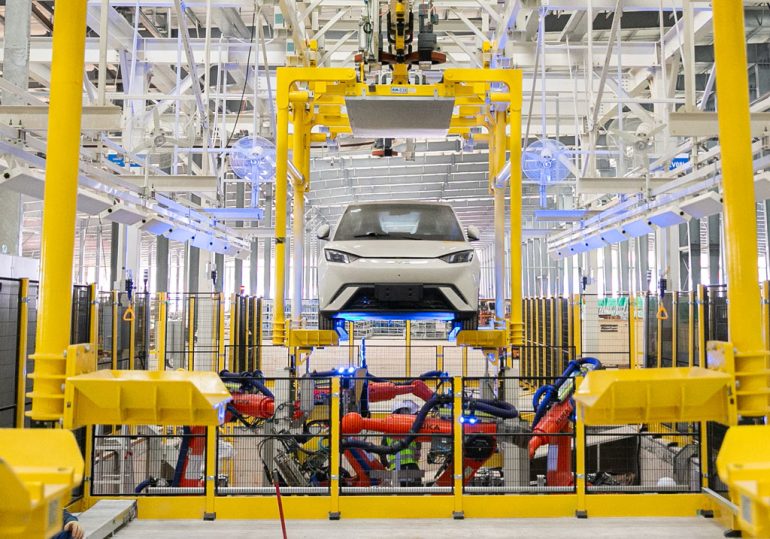
Major automakers are urging Congress to move quickly on legislation that would effectively keep Chinese vehicles out of the U.S. market, according to a new report from Reuters. The Alliance for Automotive Innovation, which represents companies including General Motors, Ford, Toyota, Volkswagen, Hyundai, Honda and Stellantis, is asking lawmakers to pass the measure before the end of the year. The group argues that the rapid global expansion of Chinese automakers, particularly those selling highly connected and heavily subsidized vehicles, presents both an economic challenge and a national security concern for the American auto industry.
At the center of the debate is the growing sophistication of modern connected vehicles. Today’s cars routinely use Bluetooth, Wi-Fi, cellular networks and other communications systems while collecting large amounts of information through cameras, sensors and onboard computers. U.S. officials have raised concerns that Chinese-controlled automotive hardware and software could potentially provide access to sensitive data. Existing regulations adopted during the Biden administration already created major barriers for Chinese automakers, but the proposed legislation would go further by putting those restrictions directly into federal law.
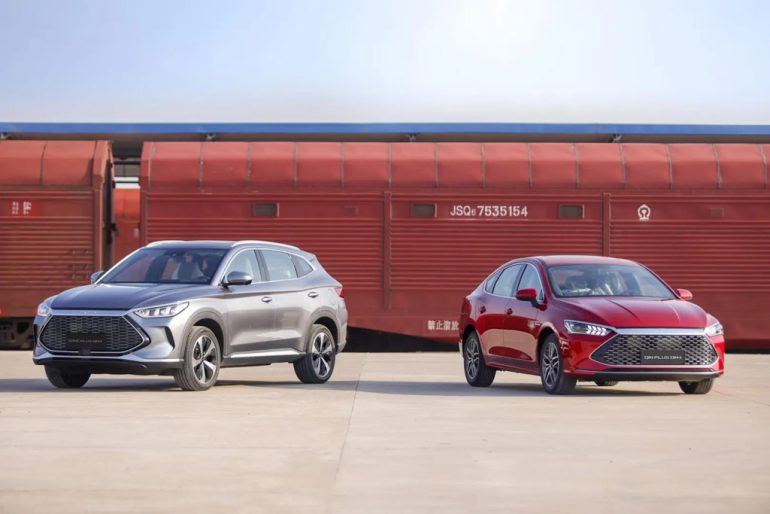
The push also comes as Chinese brands such as BYD, Chery and SAIC Motor continue expanding rapidly outside China. While those companies have yet to establish a meaningful passenger-vehicle presence in the United States, their growth in Europe, Asia, South America and other markets has caught the attention of established automakers. Chinese manufacturers have become particularly aggressive in electric vehicles and plug-in hybrids, often competing with lower prices and increasingly competitive technology. The Alliance for Automotive Innovation is essentially arguing that Washington should act before those brands have an opportunity to build a similar foothold in America.
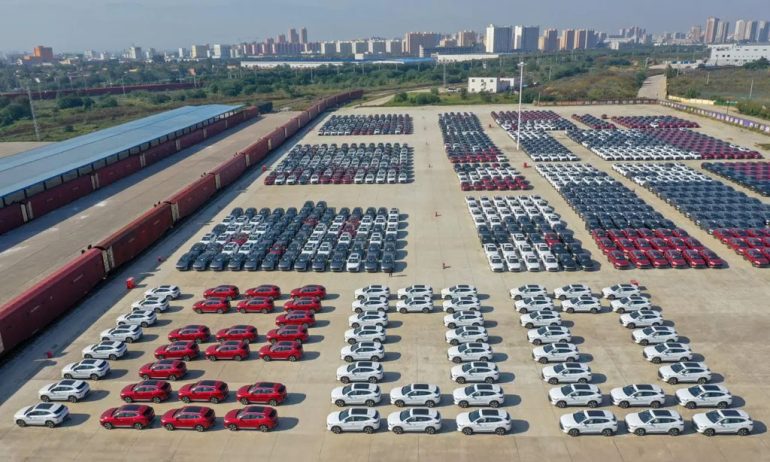
The proposed rules are not without complications. Reuters reports that one provision would restrict companies with more than 15 percent ownership by Chinese entities, a threshold that could create unintended problems for automakers with Chinese investors. Mercedes-Benz, for example, has significant passive Chinese ownership and could potentially be caught by overly broad language. Polestar is another example of how complicated global automotive ownership has become. The Swedish EV brand is majority-owned by China’s Geely Holding and has already said regulatory changes are expected to prevent it from selling vehicles in the U.S. beginning with the 2027 model year.
For American consumers, this debate reaches well beyond politics. Chinese automakers have helped accelerate competition in EV pricing, battery technology, software and manufacturing costs around the world, so blocking them from the United States could protect domestic manufacturers while also removing a potentially disruptive source of lower-priced competition. China has opposed American efforts to restrict its vehicle exports, while supporters of the legislation say stronger protections are necessary before Chinese brands gain significant market share. Congress now has to determine how far those restrictions should go without unintentionally affecting established automakers already deeply connected to China through investments, partnerships and global supply chains.