
A damaged bumper, bent hood, or crushed side panel may be the first thing you notice after a serious crash. Still, the damage you can see is often only part of the problem.
The force from a collision can travel through the vehicle. It may damage parts behind the outer panels, move the frame or body structure, affect the suspension, or disturb cameras and safety sensors.
This is why a major collision repair involves much more than replacing a panel and adding new paint. The repair shop must inspect the full impact area, find hidden damage, follow the repair procedures for that vehicle, work with the insurance company, and test the car before returning it to the owner.
Here is what usually happens after a badly damaged vehicle enters a collision repair shop.
Many insurance claims begin with photos or a quick inspection. The insurance company may use that information to write the first estimate and open the claim.
That estimate usually covers the damage that can be seen. It may not include problems hidden behind the bumper, doors, fenders, trunk floor, or other parts.
For example, a bumper cover may only look scratched from the outside. Once it is removed, the shop may find a bent reinforcement bar, broken brackets, damaged wiring, or crushed metal behind it.
A hard hit near a wheel may also damage the suspension or move the points where those parts connect to the vehicle. A rear impact may affect the trunk floor even when the damage appears limited to the bumper and liftgate.
I-CAR’s collision-repair process overview explains that heavier impacts can leave damage hidden behind panels. Some problems cannot be found until the nearby parts are removed.
Gauge Magazine’s guide to hidden collision damage after a minor accident provides additional examples of damage that may remain concealed behind bumpers and exterior panels.
This is why the first insurance estimate should not always be treated as the final repair plan.
Before the repair begins, the shop records the condition of the vehicle.
The team may take photos of every side, write down the mileage, check the fuel level, and note any warning lights. It may also document scratches, dents, or other damage that existed before the crash.
This creates a clear record for the vehicle owner, repair shop, and insurance company. It also helps the technician compare the point of impact with damage discovered later.
The shop may scan the vehicle’s computer systems before starting the repair when required by the manufacturer’s procedures or the vehicle’s condition. Modern vehicles can store diagnostic trouble codes even when no warning light appears on the dashboard.
A scan can help identify issues involving airbags, cameras, sensors, seat belts, electrical components, and other systems. It does not replace a hands-on inspection, but it gives the repair team additional information about the vehicle’s condition.
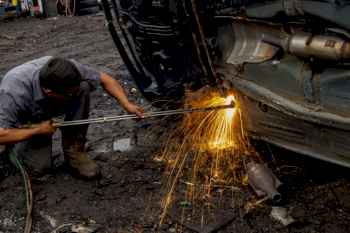
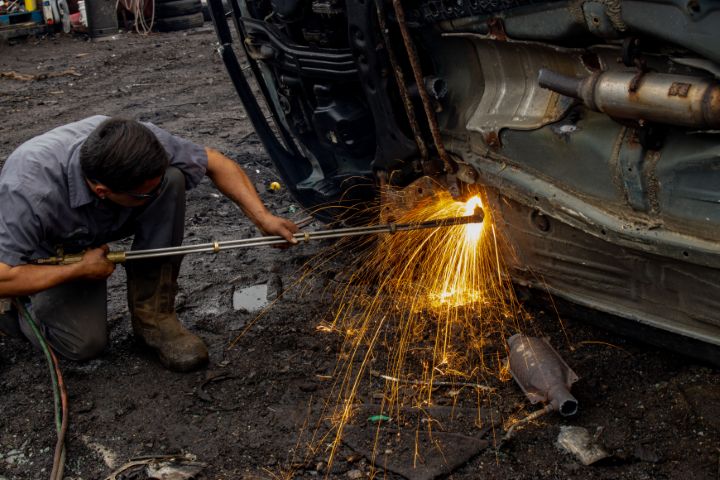
The shop then removes the damaged parts needed to reach the impact area. This may include bumper covers, lights, trim, wheel liners, doors, fenders, or interior panels.
People in the collision-repair industry often call this step disassembly or teardown. In simple terms, the shop opens the damaged area so the technician can see what happened underneath.
This is often when the repair estimate changes.
The technician may find broken clips, bent metal, damaged wiring, cracked plastic, torn mounting points, or damage that spread farther than expected.
Finding additional damage does not automatically mean the shop is adding repairs without justification. It may mean the initial inspection could not reveal everything behind the exterior panels.
A careful inspection allows the shop to find those problems before the vehicle moves into structural work, bodywork, painting, and reassembly. This helps prevent the repair from stopping later because another damaged component was missed.
Once the damaged area is open, the shop creates a complete repair plan.
This plan lists the parts, labor, paint materials, structural work, scans, measurements, and safety checks needed for the vehicle. It may also include work completed by another business, such as wheel alignment, glass replacement, or safety-system calibration.
Repair procedures can change according to the vehicle’s year, make, model, construction, and installed equipment. Two vehicles with similar-looking damage may require very different repairs.
One vehicle may use conventional steel in the damaged area. Another may use high-strength steel, aluminum, composites, or a combination of materials. The methods used to repair, join, section, or replace those parts can be different.
The OEM Collision Repair Roundtable states that collision repairs should follow the procedures issued by the vehicle manufacturer for that specific year, make, and model.
Those procedures may explain where a damaged component can be cut, what type of weld, rivet, or adhesive must be used, when a part must be replaced, and which areas should not be repaired or sectioned.
The goal is not only to make the vehicle look straight again. The work should follow the repair procedures established for that vehicle.
A serious impact can move parts of a vehicle’s frame, unibody, or body structure. This movement may be too small to notice by looking at the vehicle, but it can still affect how the car drives and how its exterior panels fit.
A technician may place the vehicle on a measuring system and compare important reference points with specifications provided by the vehicle manufacturer.
These measurements show where the structure moved and how far it moved. They also help the technician develop the repair plan and verify the structure after the work is completed.
Depending on the damage and manufacturer procedures, the shop may straighten an area, replace part of a section, or replace the complete structural component. The correct choice depends on the location and severity of the damage, the material involved, and the approved procedures for that vehicle.
Some structural areas are designed to deform in a controlled way during a crash so they can help manage collision energy. Repairing those areas using an unapproved method may affect how the vehicle performs in another collision.
This is why structural damage should be measured and repaired by trained technicians using appropriate equipment and vehicle-specific procedures.
When the shop finds damage that was not included in the initial estimate, it prepares an insurance supplement.
A supplement is a request to add newly discovered damage, parts, procedures, and labor to the insurance claim and repair plan.
The shop may send photographs, measurements, part information, scan results, manufacturer procedures, and an updated estimate to the insurance company. The insurer may review that information remotely or send someone to inspect the vehicle.
This process can add time to the repair. The shop may need authorization before ordering additional parts or beginning certain work. Replacement components may also be unavailable or take longer than expected to arrive.
Still, documenting hidden damage is better than ignoring it simply to remain within the initial estimate.
The vehicle owner should receive updates when additional damage is found. The shop should explain what changed, why the additional repair is needed, and whether it will affect the cost or estimated completion date.
Many newer vehicles have cameras, radar units, parking sensors, blind-spot monitoring systems, and other driver-assistance features.
These components may be located behind the windshield, grille, mirrors, bumper covers, or body panels. Some are difficult to see unless the technician knows where they are installed.
NHTSA explains that driver-assistance features such as forward-collision warning rely on cameras, radar, or other sensors to monitor vehicles and objects around the car.
A sensor does not need to appear broken to require inspection or calibration. Replacing a windshield, removing a bumper, repairing a sensor mount, changing wheel alignment, or moving certain body parts may affect how the system reads the road.
The shop may need to scan the vehicle and calibrate affected systems according to the manufacturer’s repair procedures.
A diagnostic scan checks the vehicle’s computers for trouble codes and system information. Calibration establishes or verifies the operating references used by a camera, radar unit, or other sensor.
Scanning and calibration are different services. Depending on the vehicle and repair, one or both may be required.
After the body repair is completed, a post-repair scan may help verify that crash-related diagnostic issues were addressed. Any required calibrations should also be completed and documented.
Once the hidden and structural damage has been addressed, the vehicle moves into panel repair and painting.
New or repaired panels must align with nearby doors, lights, trim, glass, and body openings. The gaps between panels should appear consistent, and moving parts should open and close correctly.
Matching the paint requires more than finding the color name or factory paint code.
Sunlight, age, previous repairs, factory color variations, and the orientation of metallic or pearl particles can affect how the finish looks. A painter may prepare spray-out cards or other test samples before applying the final color.
In some cases, the shop may blend the new color into an adjacent panel. This can help the repaired area match the rest of the vehicle without creating an obvious transition between the existing and newly applied paint.
The surface must also be cleaned and prepared correctly. Imperfections need to be repaired, and the appropriate primers, sealers, color coats, and clear coats must be applied according to the refinishing system being used.
Good paintwork depends on careful preparation, not only the final coat.
After painting, the shop reassembles the vehicle.
Lights, handles, trim, glass, bumper components, sensors, interior pieces, and other removed parts must return to their correct positions. Fluids may need to be filled, wheel alignment may be required, and certain vehicle systems may need additional testing.
The final inspection should cover more than the vehicle’s appearance.
The repair team may check panel gaps, lights, windows, locks, warning messages, cameras, parking sensors, steering, road noise, and other features connected to the damaged area.
The shop may also complete a road test when it is safe, appropriate, and permitted by the vehicle manufacturer’s procedures.
Drivers facing a large insurance repair can review One Stop Auto Body & Paint’s collision repair services to see how accident repair, structural work, automotive painting, and insurance assistance can be handled through one Phoenix collision center.
Before approving a major repair, ask the shop how it identifies hidden damage and handles changes to the insurance estimate.
You can also ask whether the technicians follow the repair procedures for your specific vehicle, whether required scans and calibrations will be documented, and what warranty comes with the completed work.
Owners of restored and customized vehicles should also ask whether the shop has experience with specialty paint, aftermarket parts, custom fabrication, and agreed-value insurance claims. Gauge Magazine’s article about collision damage involving restored muscle cars explains why documentation and specialized repair experience can be especially important for custom vehicles.
The Arizona Department of Insurance and Financial Institutions explains that an insurance company may recommend a repair facility but may not force a vehicle owner to use a specific shop. Insurance coverage, labor-rate disputes, deductibles, and other policy terms may still affect the amount the insurer agrees to pay.
A major collision repair is a series of careful steps. The shop must identify the full extent of the damage, develop a repair plan, measure the structure when needed, work with the insurance company, repair and paint the vehicle, test its systems, and inspect the completed work.
This is why the first photo estimate may differ from the final repair cost. It is also why a serious repair can take time.
When choosing a collision center, do not ask only whether the shop can make the vehicle look good again. Ask how its technicians will identify hidden damage, follow the vehicle manufacturer’s procedures, and document the work that was completed.
The post What Really Happens During a Major Collision Repair? appeared first on Gauge Magazine.