
Just when it looked like General Motors might finally be reconsidering its controversial decision to remove Apple and Android Auto from future electric vehicles, the situation has taken another turn. In our recent Automotive Addicts article, we covered what appeared to be a meaningful change in direction after GM revealed a new infotainment experience for the 2027 Chevrolet Silverado and GMC Sierra that allows CarPlay and Android Auto to work alongside native vehicle functions. According to follow-up reporting, however, that setup applies to the gasoline-powered versions of those trucks and should not be interpreted as GM reversing course on its EV strategy.
The latest clarification comes from reporting citing Joanna Stern of the New Things, who says a GM spokesperson confirmed that the new phone-projection integration shown in the 2027 Silverado and Sierra is specific to those internal-combustion models. That lines up with GM’s previous statement that CarPlay and Android Auto would remain in its gas-powered vehicles for the foreseeable future. In other words, the new trucks may offer a smarter and better integrated version of CarPlay and Android Auto, but that does not necessarily tell us anything new about what GM plans to do with its future EVs.
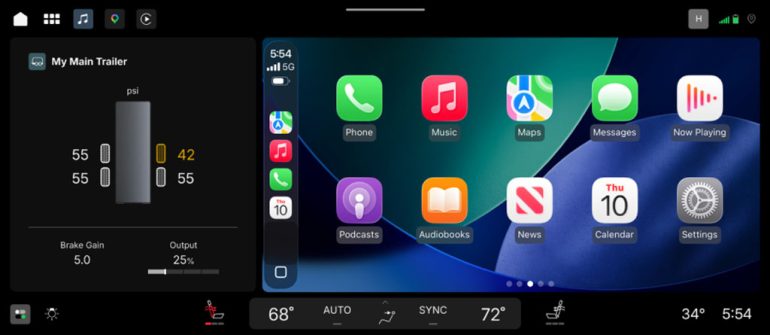
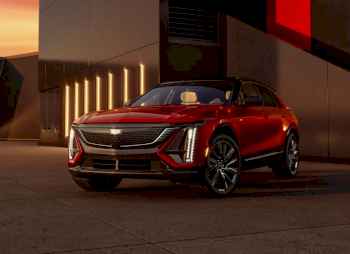
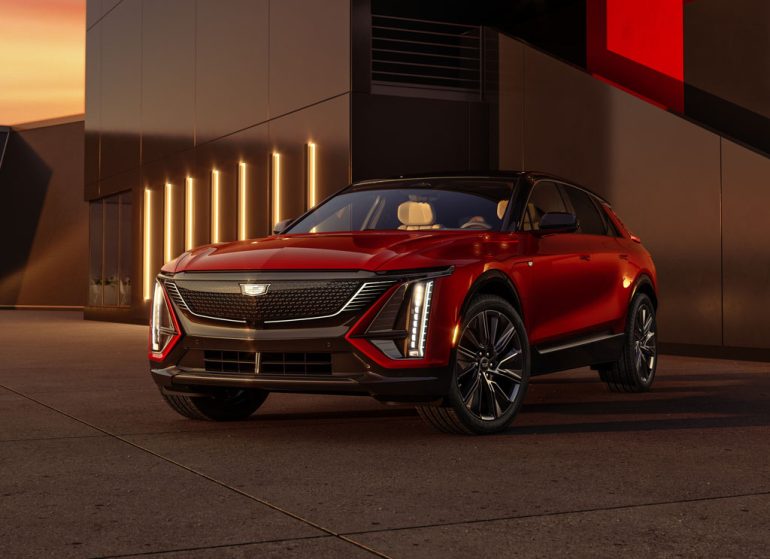
There is still one curious exception. The 2027 Cadillac Lyriq continues to list wireless Apple CarPlay and Android Auto among its features, making it something of an outlier in GM’s electric portfolio. Whether that means the Lyriq will remain a long-term exception or is simply one of the final GM EVs to retain phone mirroring is still unclear. That inconsistency is part of what has made this entire situation so confusing, particularly when GM is simultaneously demonstrating that its own native software and phone projection can coexist quite nicely in its newest truck interface.
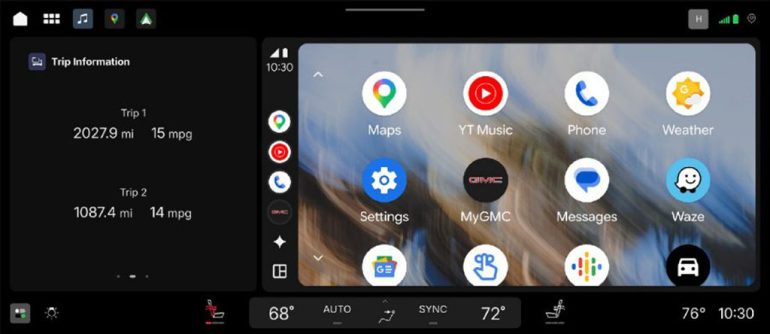
For our part, Automotive Addicts has reached out to General Motors for direct confirmation and, as of this writing, we have not yet heard back. Until GM responds to us directly, we are treating the latest reports as the best available clarification rather than the final word. Still, our view has not changed. Eliminating Apple CarPlay and Android Auto from new GM EVs continues to look like a mistake when so many buyers have built those systems into their daily driving routines. Giving customers the choice to use GM’s native interface or their preferred phone-based ecosystem seems like the better solution, especially when GM itself has now shown that both can work together.
So, for now, what looked like a major reversal may have been more misunderstanding than policy change. The redesigned Silverado and Sierra are keeping CarPlay and Android Auto, while GM appears to remain committed to a different path for its future EVs. We will be getting to the bottom of this debacle and will update the story once General Motors answers our questions directly. Until then, the split strategy remains difficult to ignore, and in our view, future GM EVs would be better off giving drivers the same choice their gas-powered counterparts still receive.