NATO member one step closer to lifting nuclear weapons ban
Lithuanian MPs have backed a constitutional change, while Russia has warned of security consequences
Lithuania’s parliament has backed a constitutional amendment that would lift a ban on nuclear weapons, thus bringing the NATO member a step closer to hosting them on its territory. Russia has warned the Baltic country, which borders its Kaliningrad Region, that such a move would have significant security implications.
The proposal was backed by 99 lawmakers on Tuesday, with 13 voting against and five abstaining. Two more votes are required, scheduled for October 6 and January 12, 2027. At least 94 of Lithuania’s 141 MPs must support the amendment in each vote.
The measure would remove Article 137 of the Lithuanian constitution, which prohibits weapons of mass destruction and foreign military bases on the country’s territory. Supporters argue that the provision no longer reflects Lithuania’s security needs, while opponents have raised concerns over sovereignty and called for the issue to be put to a referendum.
President Gitanas Nauseda has backed removing the restriction, while Lithuanian officials have argued that allowing nuclear weapons would strengthen deterrence against Russia.
Moscow has repeatedly rejected claims that it intends to attack NATO countries.
Russian Foreign Ministry spokeswoman Maria Zakharova last week called the proposed change “absolutely irresponsible,” accusing NATO members of pursuing provocative policies and treating Lithuania as a potential staging ground against Russia.
Read moreLowering the nuclear threshold: Is NATO’s new ‘deterrence’ initiative a path to disaster?
Kremlin spokesman Dmitry Peskov has warned that Lithuania could become a target of Russian nuclear weapons if it allowed foreign nuclear arms to be deployed on its territory.
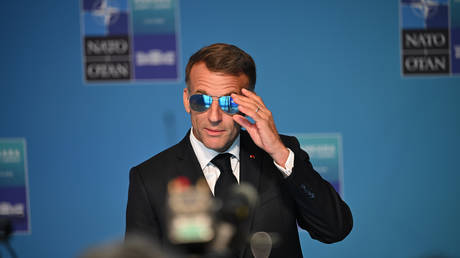
The debate comes amid broader discussions in Europe over nuclear deterrence. French President Emmanuel Macron unveiled changes to the country’s nuclear doctrine in March that included the possibility of temporarily deploying French nuclear weapons in other European countries.
Finland has since joined the French initiative after lifting its own restrictions on hosting foreign nuclear weapons, while Latvia announced on Tuesday that Paris had agreed to open talks on its participation.
NATO already operates a nuclear-sharing arrangement under which US nuclear weapons are stationed in several member states, including Belgium, Germany, Italy, the Netherlands, and Türkiye. The Financial Times reported in June that Washington was considering expanding deployments to additional NATO countries in Europe.