

A car accident in Arkansas can turn an ordinary drive into a stressful mess in seconds. You could be heading down I-40, driving through Little Rock, or taking a quieter road in a smaller community when another vehicle suddenly hits you. After the shock wears off, practical questions start piling up. Is everyone okay? Does the police need to be called? How badly is the car damaged? What happens with insurance?
It is easy to feel overwhelmed at that point. You may also be tempted to deal with everything as quickly as possible so you can get back to normal. That is understandable, but rushing can create problems later. If you need legal guidance after a crash, firms like Rainwater, Holt & Sexton can help you understand your options. Taking a little time to document the damage, understand the insurance process, and find out what happens to your vehicle can make the next few days much easier.
Your car can wait. Your health should come first. Some injuries are obvious after a collision. Others can take a while to appear. Neck and back pain, headaches, soreness, and other symptoms may become noticeable after the initial shock has passed. You may feel fine at the scene and feel very different the following morning.
If you are experiencing pain or other symptoms, get medical attention. Even when an injury seems minor, follow the doctor’s advice and attend any recommended follow-up appointments. Keep the paperwork, too. Medical records, prescriptions, bills, and appointment information can help show what treatment you received and when it happened.
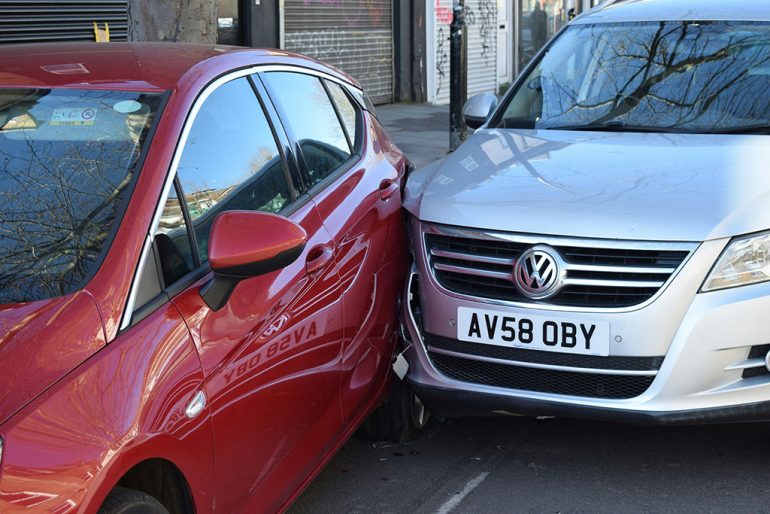
The accident scene will not stay the same forever. Cars get moved, debris gets cleared, people leave, and weather changes. If you are able to do so safely, take photographs before leaving. Get pictures of the vehicles, the damage, the road, traffic signs, lane markings, and anything else that may help explain how the crash happened. Evidence matters after a car accident, and clear photographs can help preserve details. Take a few wider shots as well as close-ups of the damage.
You should also exchange information with the other driver. Get their name, contact information, driver’s license details, insurance information, and vehicle details. If someone saw the collision, ask for their contact information. It may seem like a lot to remember when you are shaken up. Write things down or take photographs of documents so you do not have to rely on your memory later.
The insurance calls may start soon after the crash. Your own insurer will need to know about the accident, and another driver’s insurer may contact you as well. Give accurate information, but do not feel pressured to explain things you do not know. You do not need to guess how fast another vehicle was travelling or decide immediately how serious an injury will become.
Be particularly careful with recorded statements and settlement paperwork. If you are unsure about a request from an insurance company, getting legal advice before agreeing to it can help you understand what you are being asked to provide.
The cost of a crash is not always obvious on day one. There may be a repair bill for your vehicle, towing charges, or the cost of a rental car while it is in the shop. If the damage is extensive, you may also need to find out whether the car can be repaired or could be considered a total loss. If you were injured, medical expenses and missed work can add another financial strain.
Keep your receipts and paperwork in one place. Save repair estimates, medical bills, pharmacy receipts, rental-car records, and documents showing lost income. A simple folder on your phone or computer is enough. Do not assume a small expense is irrelevant. Several smaller costs can become significant when added together.
There is no prize for trying to sort out every part of a car accident in a single afternoon. After a collision, your immediate priorities are fairly simple: get medical help when needed, report the crash, document what you can, and keep track of the information and expenses that follow.
From there, you can look at the bigger picture. A car accident can leave you with plenty to deal with. You cannot control everything that happens after the crash, but you can take sensible steps to protect yourself and keep a clear record of what happened.