

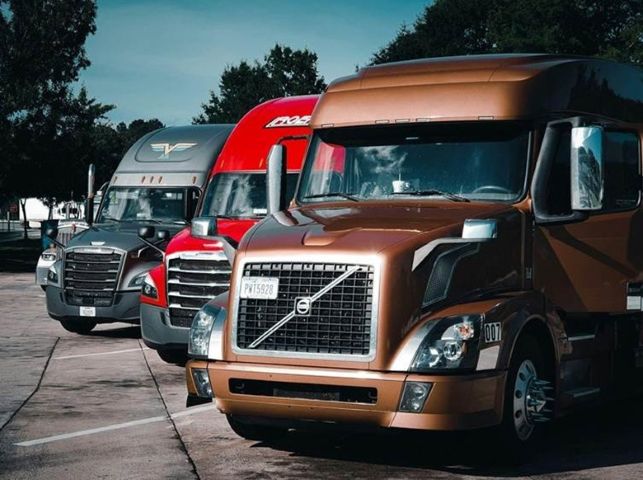
Choosing a commercial truck dealer is about considerably more than comparing the purchase price of two trucks. For a fleet operator, the dealership may become part of the truck’s support system for years through parts, warranty work, diagnostics, scheduled maintenance and unexpected repairs.
That relationship becomes especially important when a truck is sitting instead of hauling freight. A lower purchase price can lose some of its appeal if obtaining a common part takes days, service appointments are difficult to schedule or the dealership cannot support trucks operating away from its immediate area.
A CSM Kenworth dealer, for example, offers truck sales alongside parts, service and roadside-support resources. Regardless of which commercial truck dealer a fleet is considering, the important question is how well the entire operation matches the fleet’s equipment, routes and maintenance needs.
For a fleet, repair time is an operating issue rather than simply an inconvenience. A truck sitting in a service bay may affect freight schedules, driver utilization, customer commitments and available fleet capacity.
Instead of asking whether the service department is “fast,” ask questions that produce useful information. What are typical turnaround times for common repairs? How quickly can the shop perform an initial diagnosis? Does it offer priority scheduling, evening or weekend service, mobile repairs or roadside assistance?
Also ask what happens when the shop is already full. A dealer’s ability to communicate a realistic timeline can be almost as important as the timeline itself because fleet managers need enough information to reroute loads, substitute equipment or adjust schedules.
Gauge Magazine’s guide to what a commercial truck repair should actually accomplish explains why downtime, parts availability, repair quality and communication all matter when a work vehicle needs to return to service.
A dealership can have an impressive inventory of new trucks and still leave a fleet waiting when a repair requires a part that is not available locally.
Parts availability deserves additional attention as fleets keep equipment in service longer. According to the American Transportation Research Institute’s 2026 operating-cost analysis, average truck age increased to 3.6 years in 2025, the first increase since 2022. Repair and maintenance costs also increased 8.6% during the year.
Ask which high-demand maintenance and repair parts are normally stocked at the dealership, how quickly non-stocked parts can be obtained and whether inventory at other locations can be accessed when the local store does not have what the truck needs.
Also ask about after-hours parts access and expedited shipping. Those details may matter far more during an actual breakdown than the size of the parts counter you see during the dealership tour.
The sales department may begin the relationship, but the service department often determines how a fleet feels about the dealership several years later.
Ask about technician training for the specific trucks, engines, transmissions, emissions systems and electronic systems your fleet operates. Find out whether the dealership employs manufacturer-trained or certified technicians where applicable and how continuing technical training is handled.
Modern heavy-duty truck repair increasingly involves electronic diagnostics, software, emissions equipment and other specialized systems in addition to conventional mechanical work. Gauge Magazine’s look at modern heavy-duty vehicle repair equipment explains how diagnostic and repair technology has become increasingly important in commercial-vehicle service.
Fleet operators can also ask how many service bays are available, whether certain technicians specialize in particular systems and how complicated diagnostic jobs are assigned.
A warranty is valuable only when the fleet understands what it covers and how a claim is handled.
Ask the dealer who submits warranty claims, what documentation is normally required, where covered repairs can be performed and how the process changes if the truck breaks down far from the selling dealership.
Maintenance documentation is important as well. Keep service records, inspection records, invoices and other documentation associated with each vehicle.
For motor carriers subject to federal requirements, the Federal Motor Carrier Safety Administration’s inspection, repair and maintenance requirements state that motor carriers must systematically inspect, repair and maintain vehicles under their control and maintain specified vehicle maintenance records.
Warranty requirements and federal maintenance-record requirements are not the same thing, but good recordkeeping helps a fleet document what maintenance and repair work was performed and when it occurred.
The monthly payment should not be the only number used to compare commercial-truck purchases.
ATRI reported that combined truck and trailer lease or purchase costs increased 3.6% in 2025. In the same report, total industry-average operating cost reached $2.336 per mile. Those figures reinforce why acquisition cost needs to be considered alongside maintenance, fuel, insurance, tires, driver expenses and other operating costs.
When financing a truck, compare the interest rate, loan term, down payment, fees and total amount paid rather than comparing monthly payments alone. A longer loan term can lower the monthly payment while changing the total financing cost.
Request an itemized out-the-door price showing the truck, installed equipment, warranties or service products, taxes, fees and other charges. If there is a balloon payment or another significant amount due later, make sure it is clearly identified.
The same thinking applies when purchasing used equipment. Gauge Magazine’s commercial vehicle purchasing checklist covers inspection, service history, operating requirements and other considerations that go beyond the advertised price.
The truck available on the dealer’s lot is not automatically the truck best suited to the fleet.
Before discussing specifications, provide the dealer with useful information about the truck’s intended duty cycle. That can include typical and maximum weights, trailer type, annual mileage, terrain, road speed, idle time, number of stops, operating climate and auxiliary equipment.
Then ask the dealer to explain the recommended engine, transmission, axle ratio, suspension, tire configuration and other major specifications in relation to that work.
A truck spending most of its life on long interstate runs has different operating demands from one working short urban routes with repeated stops. Likewise, mountainous terrain, heavy loads and extensive idle time can change what constitutes an appropriate specification.
Fleet operators should evaluate whether the recommendation fits the work rather than simply accepting whatever configuration happens to be immediately available.
The relationship with a commercial truck dealer should be evaluated across the expected service life of the equipment.
Ask whether the dealer can support preventive maintenance, inspections, diagnostics and unscheduled repairs. If the fleet performs much of its own maintenance, find out how the dealership works with in-house technicians for warranty repairs, technical information, parts and more complicated diagnostics.
Gauge Magazine’s guide to maximizing truck fleet longevity and performance discusses the importance of scheduled maintenance, quality components and addressing problems before they develop into more expensive failures.
Dealer support does not replace the fleet’s own maintenance responsibilities. It should complement them.
Dealer-provided references can be useful, but they should not be the only feedback considered.
Talk with other local or regional fleets that operate similar equipment. Ask about service scheduling, communication, parts availability, warranty handling, billing accuracy and how the dealership responds when a repair does not go as planned.
Online reviews can provide additional information, but look for recurring patterns rather than treating a single positive or negative review as representative of the entire dealership.
A repeated complaint about communication or repair delays deserves more attention than one isolated disagreement. The same applies when multiple fleet operators independently describe consistently good service.
Commercial trucks rarely spend their entire working lives near the dealership where they were purchased. Fleet routes should therefore influence the dealer decision.
Ask where the dealership has service locations and what support is available outside those areas. Depending on the dealer and manufacturer, that could include affiliated dealerships, mobile service, roadside assistance, towing coordination or access to a broader service network.
Find out what happens if a truck needs warranty work hundreds of miles from its home terminal. Ask whether another authorized location can perform the repair, how authorization is handled and whether the fleet or driver needs to contact anyone before work begins.
Get important service commitments in writing whenever they form part of the purchasing decision. General promises made during the sales process are less useful than clearly documented programs, coverage terms and procedures.
A fleet manager should not have to repeatedly call a dealership simply to learn whether a truck has been diagnosed.
Ask how repair status is communicated, who approves additional work and whether the dealer provides online access to estimates, maintenance history, parts orders or repair status.
For fleets operating multiple trucks, consistent documentation can become particularly valuable. Being able to see what was repaired, when the work was completed and what the truck may need next can help the fleet coordinate its own maintenance program.
Good communication cannot eliminate downtime, but it can make downtime easier to manage.
Before comparing final proposals, fleet operators should get clear answers to questions such as:
The answers make it easier to compare dealerships on more than inventory and purchase price.
A commercial truck dealer can affect a fleet long after the sales paperwork is complete. Parts availability, technician expertise, maintenance support, warranty handling and communication all become important when the truck begins accumulating miles.
That is particularly relevant in the current operating environment. ATRI’s 2026 analysis found that the average cost of operating a truck increased to $2.336 per mile in 2025 while repair and maintenance costs rose 8.6%. Fleets also kept trucks longer, with average truck age increasing to 3.6 years.
Those numbers do not mean the most expensive dealership is automatically the best choice or that the largest service network will suit every fleet. They do show why support after the sale deserves serious consideration.
Compare the truck, but also compare the people and systems that will support it. Ask about service capacity, parts inventory, technician training, warranty procedures, financing, specifications and roadside support before signing the purchase agreement.
A fleet may negotiate the purchase once. It will depend on the truck and the people supporting it for years afterward.
The post What Fleet Operators Should Look for When Choosing a Commercial Truck Dealer appeared first on Gauge Magazine.