
A show field is a strange traffic environment. Engines idle, music carries, and people drift between bumpers with a phone in one hand. Nothing moves faster than walking pace, which is exactly why everyone relaxes. Even at low speeds, crowded show fields can create plenty of close calls.
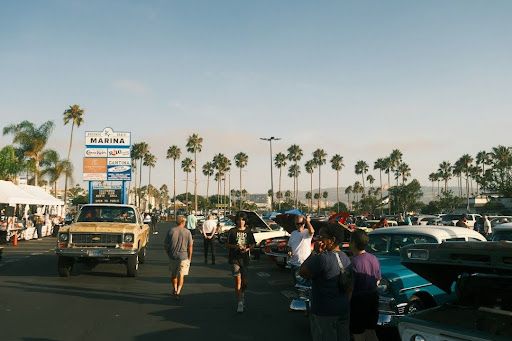 Photo by Marius Kriz on Unsplash
None of this is a lecture about your build. It is a look at what changes around a modified car at walking pace, at dusk, with people on foot everywhere. Agemian Law Group handles pedestrian injury cases in Los Angeles, so that pattern is familiar from the far end. The useful part sits upstream, in the car and in the habits.
Public roads are generally more structured. Lanes, curbs, and signals help tell everybody where to stand and move. A grass field or a mall lot may have far fewer visual boundaries.
People crouch to shoot a wheel, kids cut two rows over, and an owner walks backward to frame a photo. Anyone who has walked a packed field at a car and truck show knows it. The pinch points repeat everywhere:
The Vision Zero approach starts from the same premise. People make mistakes, so streets, vehicles, and related systems should be designed to keep those mistakes from causing severe injuries or deaths.
Many modifications can change what the driver sees, and some of those changes are easy to overlook. A chopped top shortens the glass and lifts the bottom edge of your view. A high beltline on a shaved-door build can do the same from the side. Wide pillars can hide a person at the wrong angle. A lift kit may raise the hood until more of the pavement immediately ahead disappears.
Tint is one factor people can underrate. Dark film that looks fine at noon can reduce visibility through the side glass at dusk, especially when reflections or bright lights are present. Forward vision may remain acceptable while a head check toward the quarter panel becomes more difficult.
Worth doing before the gates open:
Ride height cuts both ways. A low car can sit below the usual sightline of trucks and SUVs. It also drops your own eye height, and a long front overhang adds pavement you cannot see.
 Photo by Jeff James on Unsplash
On a traditional rod or a lowrider, the blind zone straight ahead may be large enough to hide a small child. A driveway lip noses the car up and can make the problem worse, usually while the driver is listening for a scrape.
Owners who ship a build know the feeling, since moving lowriders and hot rods involves the same uncertainty on a ramp. Habits that cost nothing:
Retrofits are where good intentions can create problems. Installing an LED or HID emitter in a housing designed around a halogen filament may scatter light outside the intended beam pattern. You may gain output while losing control of where that light goes. Replacement lighting should be compatible with the complete headlamp assembly and comply with applicable requirements.
Glare is the real cost. A badly aimed or poorly controlled beam can temporarily reduce a pedestrian’s ability to see contrast and judge what a vehicle is doing. That makes it harder to establish the visual contact both parties need before the car moves.
Aim matters as much as brightness:
Backing out of a show spot is a common low-speed conflict. Mirrors cover the sides, and a camera covers a limited area. Neither necessarily catches a person stepping in from a blind quarter while you check the other side.
Sound is not the safety net people assume. A loud car can make its direction difficult to place, so a bystander hears noise without knowing where the vehicle is moving. A quiet cruiser may provide little warning at all. At a busy show, music and crowd noise make either situation harder.
Use people in addition to electronics. A spotter standing where you can see them can cover areas that mirrors, cameras, and sensors miss. Agree on hand signals before the wheels turn, and stop the second that spotter leaves your view.
Downtown Los Angeles after dark flips the problem. Now you are the pedestrian, tired and cutting between parked cars because the exit sits half a block away.
Drivers around you may be dealing with glare, wet asphalt, and one-way grids. Do not assume they have seen you. California’s transportation agency includes pedestrian and bicycle safety among its state highway safety programs, recognizing that roadway design and visibility both affect safety.
What helps on foot:
Yes, especially at dusk rather than at noon. Dark film can reduce the contrast a quick head check relies on. It can also make it harder for a pedestrian to see the driver’s face and confirm that the driver has noticed them.
Check the aim after any suspension or ride-height change. Bags, coilovers, springs, and changes in vehicle load can alter the beam position. Follow the aiming procedure specified for the vehicle or headlamp assembly.
Not on its own. A camera shows a limited area and may not capture someone approaching from outside its field of view. A visible spotter can help cover the angles the camera and mirrors miss.
Stop immediately and call 911. Do not move an injured person unless remaining in place exposes them to an immediate danger. Warn approaching traffic and follow the dispatcher’s instructions. Vehicles should remain where they stopped when doing so is safe and necessary to protect evidence, but they may need to be moved out of an active travel lane when they create another hazard and authorities direct or permit the move. Get names, plate numbers, witness information, and photographs only when it is safe to do so. After immediate medical and safety needs are addressed, a personal injury lawyer can explain the available options. Consultations are often free, and many firms handle injury claims on a contingency-fee basis.
None of this asks you to soften the build. Chop the top, lay it out, run the lift, or keep the tint. Just understand what each choice may have taken from your view.
A slow creep, a visible spotter, properly aimed headlights, and an open window can address many of the risks.
The post Seeing and Being Seen at Car Shows appeared first on Gauge Magazine.