



A clear forecast in Denver can turn into a whiteout at the Eisenhower Tunnel. When that happens, the Colorado Department of Transportation can switch on its traction law in minutes. Cars that do not meet it can be fined, and they become a risk to everyone around them. Plenty of enthusiast setups fail the test without the owner knowing it.
This guide walks through what the law asks for, where performance cars fall short, and how to check your own tires. It also covers the part nobody plans for, which is a winter crash and the questions that follow. For that last step, a Colorado personal injury firm such as Fang Injury Lawyers is one place drivers turn when fault is in dispute.
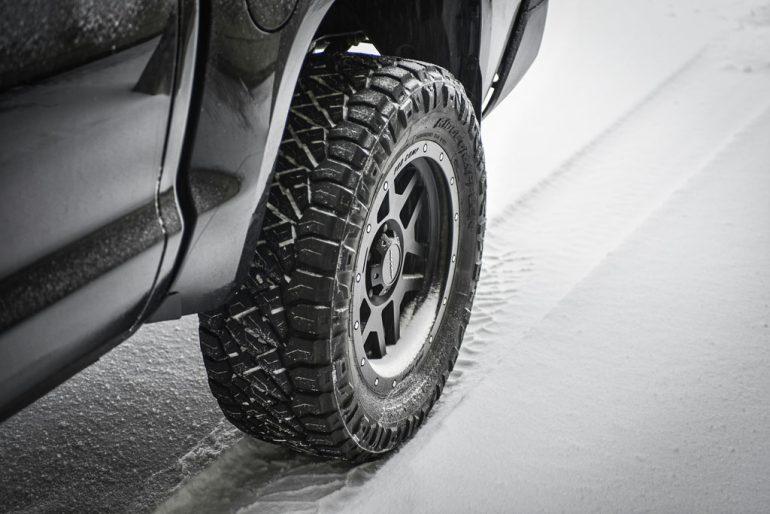
The rule is short, and the details matter. CDOT can put its traction and chain laws into effect on any state highway. Drivers learn about it from highway signs, COtrip.org and road alerts. Once it is active, every passenger vehicle must meet one of these options:
When storms get worse, CDOT can move to the passenger vehicle chain law. Under that rule, every car needs chains or an approved device. CDOT calls it the final step before a highway closes.
All-wheel drive helps a car accelerate on snow. It does nothing for stopping or turning, which depend on the tires alone. That is why the law looks at rubber as closely as it looks at the drivetrain.
Summer performance tires are the most common problem. Most carry no M+S marking, so an AWD sports sedan on them still fails. Their rubber compound is also built for warm pavement, and it loses grip as temperatures drop.
Staggered setups add a second issue. Many sports cars run wider tires at the rear and narrower ones up front. Low-profile tires and tight wheel wells can leave little room for chains. Check the owner’s manual before buying any traction device, since some makers limit what fits.
Here is how common enthusiast cars stack up when the law is active. Every case still depends on the actual tire markings and tread on the day.
A five-minute check in the driveway answers most questions. Do it before the trip, not at the chain-up area.
If you replace only two tires, the U.S. Tire Manufacturers Association advises putting the newer pair on the rear axle. Rear grip helps prevent oversteer and loss of stability. USTMA also recommends replacing all four tires together when you can.
The first cost is the ticket. CDOT lists a $100 fine plus a $33 surcharge for driving without proper equipment. If a noncompliant car blocks a lane and causes a closure, the fine rises to $500 plus a $157 surcharge.
A crash brings bigger questions. Insurers and investigators often look at tires, speed and road conditions when they decide who was at fault. Tire choice is one of many facts in that review. Fang Injury Lawyers, a Denver firm that handles car, truck and motorcycle crash cases, is one resource for drivers sorting through those questions. Laws and outcomes vary, so speak with a licensed Colorado attorney about your own situation.
Photos help any later claim. Take pictures of the scene, the road surface and all four tires before the car is towed. Note the time and whether a traction law alert was active.
For some owners, the honest answer is yes. A rear-drive sports car on summer tires is a poor match for I-70 in January. Many enthusiasts keep a daily driver for winter and store the weekend car.
Storage has its own checklist. A battery tender, proper tire pressure and a dry space all help. Good winter battery care means the car starts on the first warm weekend.
The traction law turns a tire choice into a legal requirement. Check markings and tread before the season, not on the shoulder of the highway. A little planning keeps your car moving and keeps the road safer for everyone.
No. The vehicle also needs qualifying tires with at least 3/16 inch of tread. Without them, it needs chains or an approved traction device.
Some are. CDOT keeps a list of approved alternative traction devices. Check that a product is on the list before you buy it.
Watch for highway signs and check COtrip.org before you leave. CDOT also offers text and email alerts.
It can be one fact that insurers review when they assess fault. Each case is different, so a licensed Colorado attorney is the right person to ask about yours.