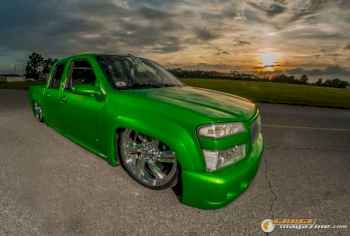
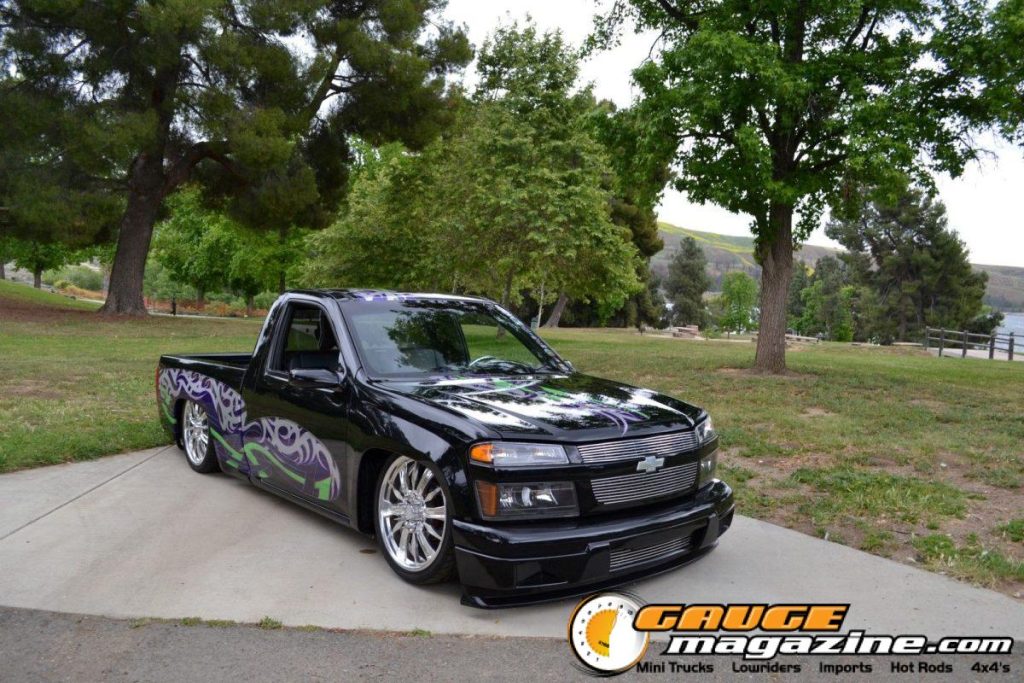
 A body-dropped mini truck and a 4×4 on 37s have little in common until the sun goes down. Then both run into the same Colorado headlight rules. Colorado cares where your headlights sit, what kind of light they produce, and when you switch them down. Builders can change all three through suspension or lighting modifications without thinking about it.
Photo by Brendan Sapp on Unsplash
The short version of the colorado headlight law fits on an index card. The tricky part is that suspension work and lighting swaps can create compliance problems without any obvious failure in the wiring. Understanding Colorado headlight rules before modifying the vehicle can help prevent those problems before your next cruise or Colorado meet.
Two layers of law apply, and each handles a different part. Federal safety standards establish requirements for original and replacement lighting equipment, including headlamps. States also write and enforce rules covering equipment use, auxiliary lamps, light bars, decorative lighting, mounting height, and beam operation. The Specialty Equipment Market Association tracks this federal and state split for the aftermarket.
That means a part being available for sale does not automatically make every installation or on-road use legal in Colorado. The box may not explain which state restrictions apply. Builders who run their trucks across state lines should treat each state as its own rulebook.
Colorado’s core headlight requirements appear in the state’s traffic code. The rules address the number and mounting height of headlamps, when lights must be used, how beams must be aimed, and when high beams must be lowered.
Colorado requires at least two headlamps on a car or truck, with at least one on each side of the front. A motorcycle or autocycle needs at least one and no more than two. Each headlamp must sit between 24 and 54 inches from the ground, measured to the center of the lamp. The statute measures lamp height with the vehicle unloaded on level ground. A violation is a Class B traffic infraction.
That window is wide, but builds push both ends of it:
Park on level pavement, leave the vehicle unloaded, and measure from the ground to the center of each headlamp. It takes two minutes.
Approved main headlamps generally produce white light. Colorado allows amber or white light for certain forward-facing signal, marker, and auxiliary lamps, but that does not mean every amber accessory can replace an approved headlamp.
Red or blue lighting visible directly from the front is restricted to authorized vehicles and specific exceptions. Green flashing warning lights are also reserved for limited emergency-command use. A replacement lamp or bulb still needs to be compatible with the approved lighting assembly and installed and aimed correctly.
Color is where show lighting and street lighting part ways. A halo ring or accent strip can look great on the field. On the road, decorative lighting can create trouble if it changes the apparent color of the vehicle’s required lamps, flashes like an emergency signal, or produces glare. Keep show-only colors off while driving and use approved road lighting for the trip home.
Colorado headlight rules establish clear triggers for using required lighting and lowering high beams. The numbers are worth memorizing:
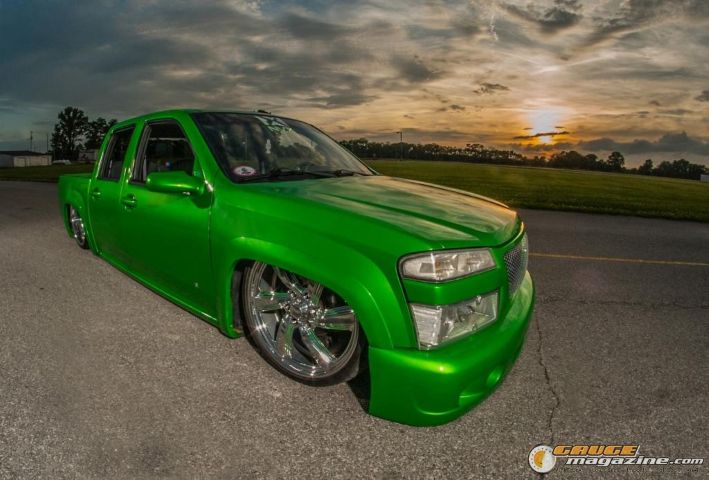
Colorado requires an upper beam capable of revealing people and vehicles at least 350 feet ahead and a lower beam capable of revealing them at least 100 feet ahead. These are minimum performance requirements, not estimates for every vehicle or driving condition.
Failing to lower high beams as required is a Class A traffic infraction. It can carry a fine of up to $100, applicable surcharges, and two points on a Colorado driver’s license.
LED and HID lighting systems are not automatically illegal because of the technology they use. The question is whether the complete headlamp equipment is approved, compatible with the housing, properly installed, and correctly aimed. The American Optometric Association notes that glare from modern headlights can be especially distracting to drivers at night.
A good swap starts with the right hardware. The debate over fan versus fanless LEDs is mostly about heat management and service life. Beam pattern matters more for everyone else on the road. Installing an LED or HID bulb in a housing designed for a different light source can alter the beam pattern, even when the bulb physically fits. A lamp that scatters excessive light above the intended cutoff can create glare regardless of how it is cooled.
Run through this list the night before you load up or drive out:
Lighting can become part of an investigation after a nighttime or reduced-visibility collision. A nonworking headlamp, prohibited lighting, an improperly aimed beam, or high beams used around other traffic may matter when investigators and insurers examine how the crash occurred. Builders already weigh insurance and liability when they lift a truck, and lighting belongs in the same conversation.
Fang Injury Lawyers, a Colorado personal injury firm, makes the same point on its headlight page. A lighting violation may become evidence in a negligence claim when it contributed to a crash, although the violation alone does not automatically decide fault. This article provides general information rather than legal advice. Anyone dealing with a collision should consult a licensed Colorado attorney about the specific facts, and Fang Injury Lawyers offers free consultations.
A compliant setup and a great-looking setup are not at odds. Following Colorado headlight rules means measuring lamp height correctly, using approved lighting equipment, aiming the beams properly, and treating the high-beam switch like part of the build. Do that, and the only attention your truck draws is the good kind.
The center of each headlamp must be at least 24 inches from the ground. The maximum is 54 inches. Colorado’s statute measures that height with the vehicle unloaded on level ground.
Red or blue lights visible directly from the front are restricted to authorized vehicles and limited statutory exceptions. A replacement LED that merely appears bluish can still create compliance problems if it changes the approved lamp’s performance, produces glare, or does not comply with applicable equipment standards.
Colorado regulates auxiliary and driving lamps by their number, mounting position, output, aim, and use around other traffic. A light bar being sold as an off-road product does not make it legal for unrestricted highway use. Keep off-road lighting switched off on public roads unless the installation and use comply with the applicable requirements.
Failure to lower high beams as required is a Class A traffic infraction in Colorado. It can result in a fine of up to $100, applicable surcharges, and two points on the driver’s license.
The post Lowered, Lifted or Swapped: Colorado Headlight Rules appeared first on Gauge Magazine.