After a car crash, memories fade quickly, roads change, and damaged vehicles disappear into repair facilities. Early documentation preserves facts that insurance adjusters, medical providers, and attorneys may later need. A careful record can also help connect injuries, expenses, and responsibility to the collision itself. The first hours matter, but you can still gather useful evidence afterward. These steps explain what to record, how to preserve it, and when additional guidance may be appropriate.
A written account should identify the date, time, location, traffic controls, weather, lane positions, and visible damage. Photographs should capture vehicles, roadway markings, signs, lighting, and nearby property before conditions change. If injuries or disputed fault complicate the claim, a Portland car accident lawyer can explain which records to preserve and how Oregon rules may affect the next steps.
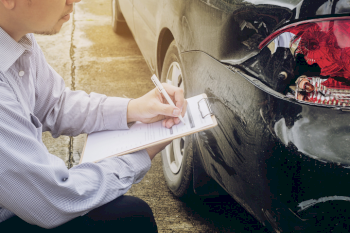
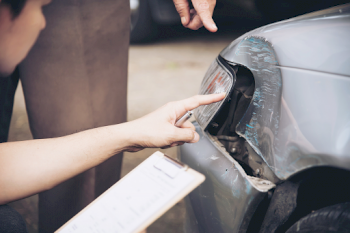
Photograph each vehicle from several angles, including close images of dents, broken lights, deployed airbags, and loose parts. Capture the entire intersection or roadway when it is safe to do so, including lane markings, traffic signs, signals, skid marks, debris, and nearby businesses. Gauge Magazine’s guide to what drivers should document at the scene of a car accident explains why both close-up damage photographs and wider scene images can become useful later.
Write down where each vehicle stopped after impact. If a vehicle moved before photographs were taken, record its original position as accurately as possible without guessing. Note lighting, rain, snow, glare, road construction, or anything else that may have affected visibility or road conditions.
Don’t enter traffic lanes or unsafe areas to take pictures. Personal safety comes first, and emergency responders may be able to document conditions that cannot be reached safely.
Record the other driver’s name, address, driver license information, license plate number, insurance information, and vehicle description. Oregon DMV instructs drivers involved in a collision to exchange identifying, vehicle, and insurance information with the other people involved.
Ask witnesses for their names and contact details before they leave. A witness should describe what they personally saw rather than speculate about fault or speed. Include the witness’s exact words in your notes when practical, and clearly distinguish their statements from your own observations.
Save the responding officer’s name, agency, report number, and instructions for obtaining the crash report. An officer’s report can provide important information about the response, but it does not replace independent photographs, witness information, or other records gathered after the collision.
Seek appropriate medical evaluation after a crash if you are injured or develop concerning symptoms such as dizziness, numbness, pain, or limited movement. Some symptoms may not be apparent immediately, so record when each symptom begins and how it changes. Gauge Magazine has also explained why delayed injury symptoms after an accident can make accurate medical documentation particularly important.
Keep discharge papers, prescriptions, imaging records, bills, work restrictions, and follow-up instructions. A daily symptom log can record the affected body area, symptoms, treatment received, sleep disruption, and activities that have become difficult or impossible.
Describe injuries accurately without exaggerating or minimizing them. Consistent records can help medical providers understand how symptoms are progressing while creating a clearer history of the treatment received after the collision.
Create a file for towing invoices, storage charges, repair estimates, rental transportation costs, and damaged personal property. Photograph the vehicle before repairs begin when possible, then keep estimates, invoices, and repair updates.
Record missed work dates, lost hours, reduced duties, and available wage documentation. Pay records, employer statements, schedules, and other employment documentation may help establish the financial effects of time missed after a collision.
Don’t discard damaged items before photographing them and determining whether they should be preserved. Physical evidence can change or disappear after repairs, cleaning, or disposal.
Save dashcam footage, phone photographs, text messages, navigation records, and other digital information connected to the crash. Preserve original files when possible rather than relying only on edited copies, and maintain a backup in a separate location.
Social media posts can create questions during a claim when photographs or comments appear inconsistent with reported injuries or provide an inaccurate account of the collision. Consider carefully what crash-related, medical, or activity information is posted publicly while the matter remains unresolved.
Additionally, keep a log of communications from insurers, repair facilities, medical offices, and employers. Record the date, time, person involved, and subject of each conversation, then summarize what was discussed. Gauge Magazine’s guide to car insurance claim negotiations explains how photographs, medical records, repair estimates, wage information, and written communications can help document a claim.
Use one folder for photographs, one for medical records, and another for bills and employment documents. A simple timeline can list the crash, emergency response, medical visits, work absences, insurance calls, and vehicle repairs.
Back up the file regularly and keep copies of anything submitted to an insurer. Before signing a settlement or release, carefully review which claims, expenses, injuries, and other rights the document covers, particularly when treatment or the full extent of the loss remains unresolved.
Documentation for an Oregon collision may also include a required report to the state. According to the Oregon Driver & Motor Vehicle Services, a driver must file an Oregon Traffic Collision and Insurance Report within 72 hours when a collision results in injury or death, when damage to the driver’s vehicle exceeds $2,500, when damage to property other than a vehicle exceeds $2,500, or when damage to any vehicle exceeds $2,500 and any vehicle is towed from the scene because of the damage.
A law-enforcement report does not replace the driver’s Oregon DMV reporting requirement when the collision meets the reporting criteria. Drivers should keep a copy of the report and other crash documentation for their records.
A detailed record gives a car crash claim a more reliable factual foundation. Start with scene photographs, driver and witness information, medical documentation, expense records, and preserved digital files. Keep the material organized, accurate, and backed up as the insurance process develops.
Oregon drivers should also determine whether the collision triggers the state’s 72-hour DMV reporting requirement. If fault, injury severity, insurance coverage, or future losses are disputed, qualified legal guidance can help explain the options that apply to the particular circumstances. Prompt organization reduces preventable gaps and helps preserve important details while they are still available.
The post The First Things to Document After a Car Crash appeared first on Gauge Magazine.