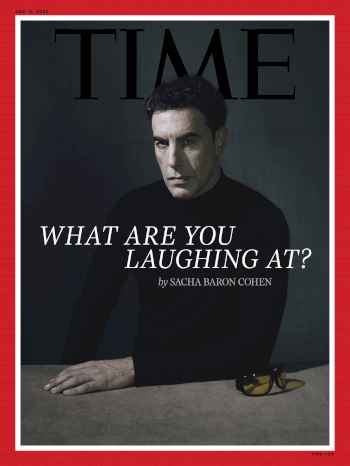
The first time I was introduced to satire, my jaw dropped—and not just because it was the first time I’d ever seen a naked woman.
I was 8 when my older brothers snuck me into a London cinema to see Monty Python’s Life of Brian. Although my underdeveloped brain may not have fully grasped the critique of religion or internecine fights among political leftists, I loved the feeling of being surrounded by 300 people screaming with laughter.
Over the next few years, I inhaled an array of comedy greats: Peter Sellers, Peter Cook, and Not the Nine O’Clock News, with its biting commentary on Thatcherite Britain. Then came a personal breakthrough. At the age of 20, I spent six months studying with an intimidating French clown.
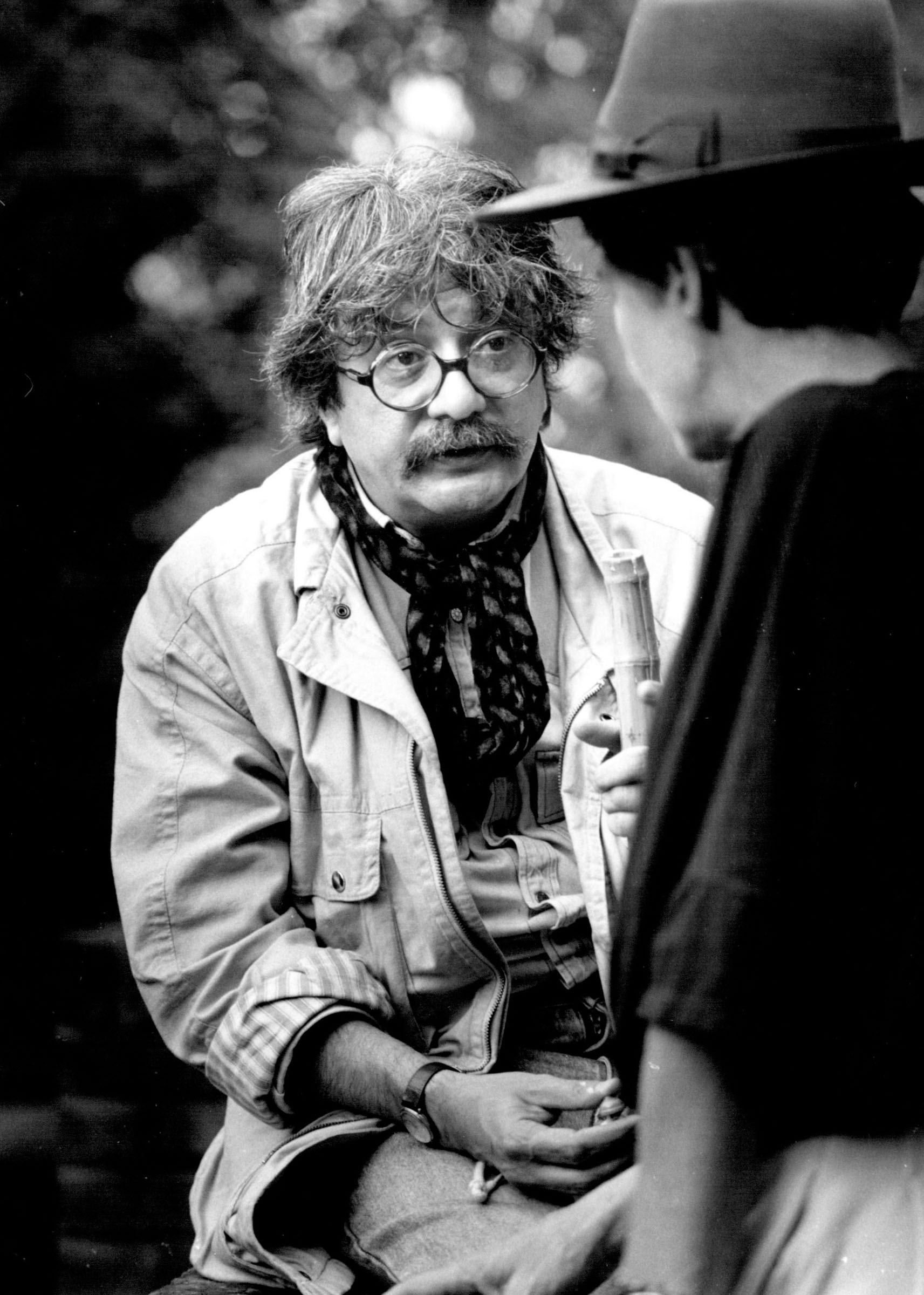
The late Philippe Gaulier was one of the all-time great teachers of clown and modern theater. Gaulier kept a drum handy while we were onstage, banging it to cut short a performance he considered “sh-t,” which was often. His goal, and greatest gift to us, was helping his students discover what he called their “inner idiot.”
Gaulier introduced me to the satirical archetype of the bouffon. In his telling, the tradition dated back to 11th century France, where societal outcasts—gay people, heretics, those with deformities—would be let back into their villages once a year to put on shows viciously mocking the ruling class. It was the humor of the dispossessed. Whereas clowns were naive idiots, bouffons savagely undermined the people in power. They were doing something important: using biting and at times cruel humor to undermine systemic injustice.
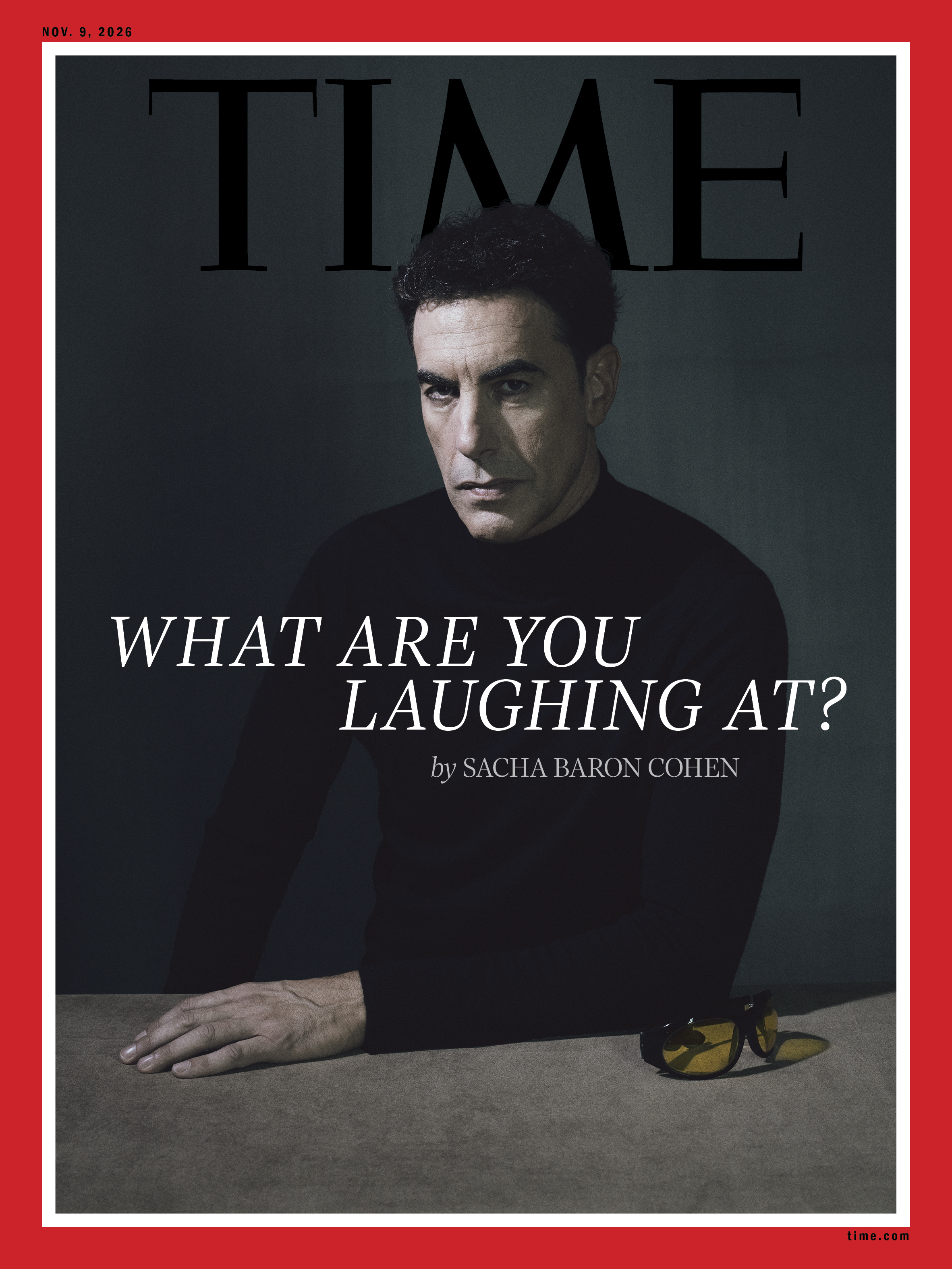
It’s what satirists have done throughout history. And along the way, some people, instead of laughing, wince—or worse, take offense. The Greek playwright Aristophanes brilliantly lampooned the militarism and demagoguery of his day. Yet because he deployed phallic jokes so obscene they would make even Ali G blush, critics like Plutarch sneered at Aristophanes’ “coarseness ... in words, vulgarity, and ribaldry.” We celebrate the Roman satirist Juvenal, but his contemporaries barely acknowledged him. Nearly two millennia later, Lenny Bruce’s four-letter comedy was branded “sick” in the pages of this magazine in 1959. Note to editors (and to Plutarch): you missed the point.
Yes, satire can offend people other than the intended targets. Like that of my bouffon predecessors, mine definitely has. As someone who has opposed bigotry and injustice throughout my life and partnered with civil rights groups, I don’t recognize myself in the warped portrayals of me that I sometimes see on social media, lumped in with the bigots I lampoon.
I’ve always designed my characters and comedy as vehicles to expose prejudice, bias, and stupidity, though I realize not everyone sees them that way. Ali G is a white imbecile—a delusional cultural appropriator—who steals the fashion and lyrics from his favorite gangsta rap and dancehall idols, from Compton to Kingston. The joke is on him, and on the predominantly white male establishment who take him seriously enough to believe that HBO would hire the stupidest man in the world as an interview host. Like a good bouffon, he undermines that establishment—not the culture he loves and borrows from.
I admit that most of my humor is indeed juvenile. That’s because satire works best not when it preaches, but rather when it lives among the laughter. Then, once you walk out of the theater or switch off the TV, it makes you think.
What makes satirical comedy so effective is what it lays bare. I’ll never forget a fox-hunting rally I attended the first time I created Borat—which involved me rummaging around in the trunk of my car for two minutes, finding a hat I’d bought in Astrakhan, Russia, and sticking it on my head. “Jagshemash,” I proclaimed, riffing off a Polish greeting.
I asked the English toffs, “In my country we hunt criminals—do you think we should do that here?” Shockingly, even though on camera, they said yes. A light bulb exploded in my 25-year-old brain. Real people believed this ridiculous character—and they would speak to him more freely than in any documentary.
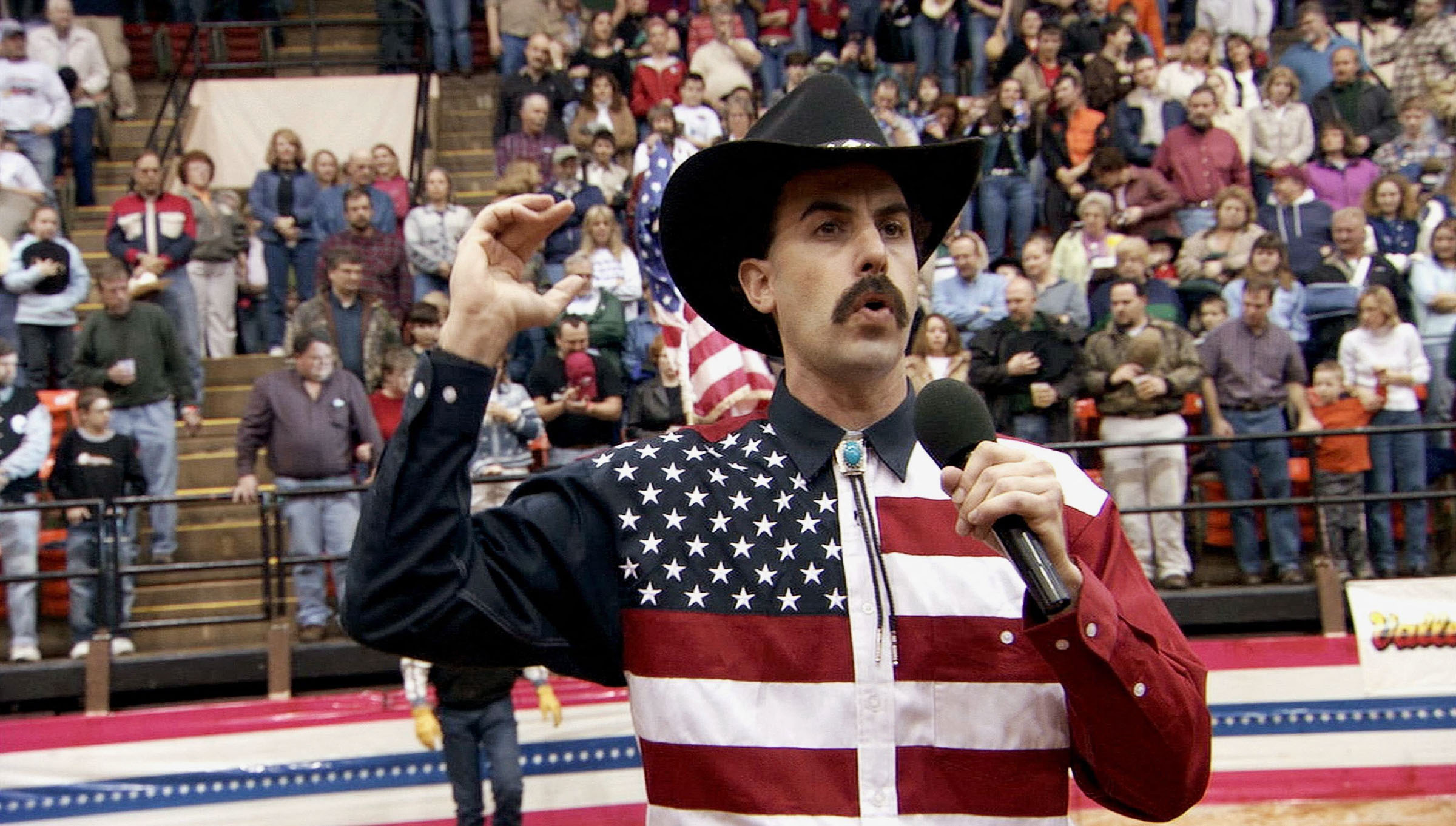
Each of my characters has a specific mechanism to encourage people to drop their guards and show what they really believe, prejudices and all. Borat, an antisemitic journalist, exposes Jew hatred, xenophobia, sexism, and casual racism. Erran Morad, a stereotype of a tough-guy Israeli commando—“I’ve been in 14 terror attacks,” he says in my new movie Ali G: Who Iz I?, “and started two”—exposes Islamophobia and the ludicrous things people will do when they’re gripped by an irrational fear of “the other.”
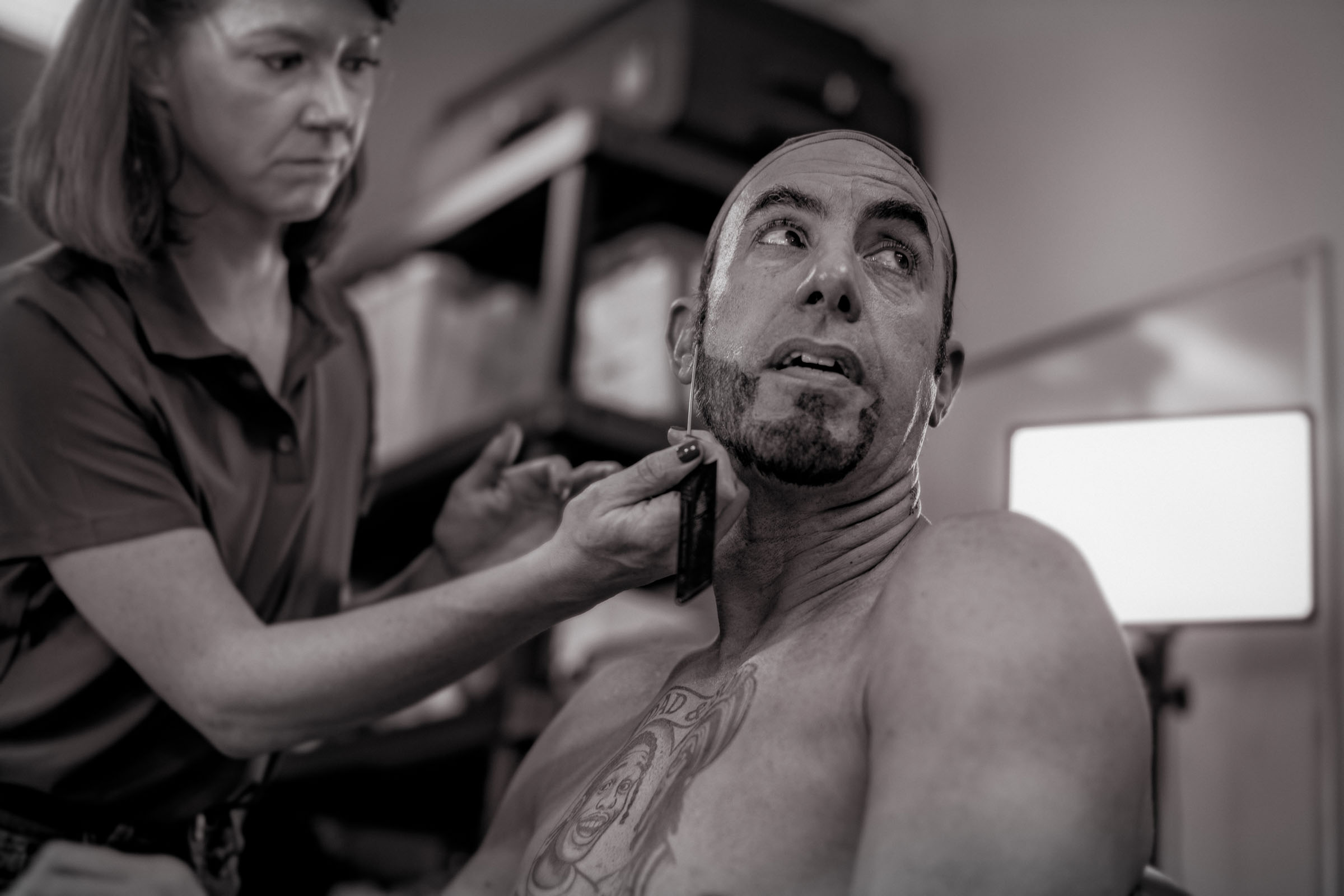
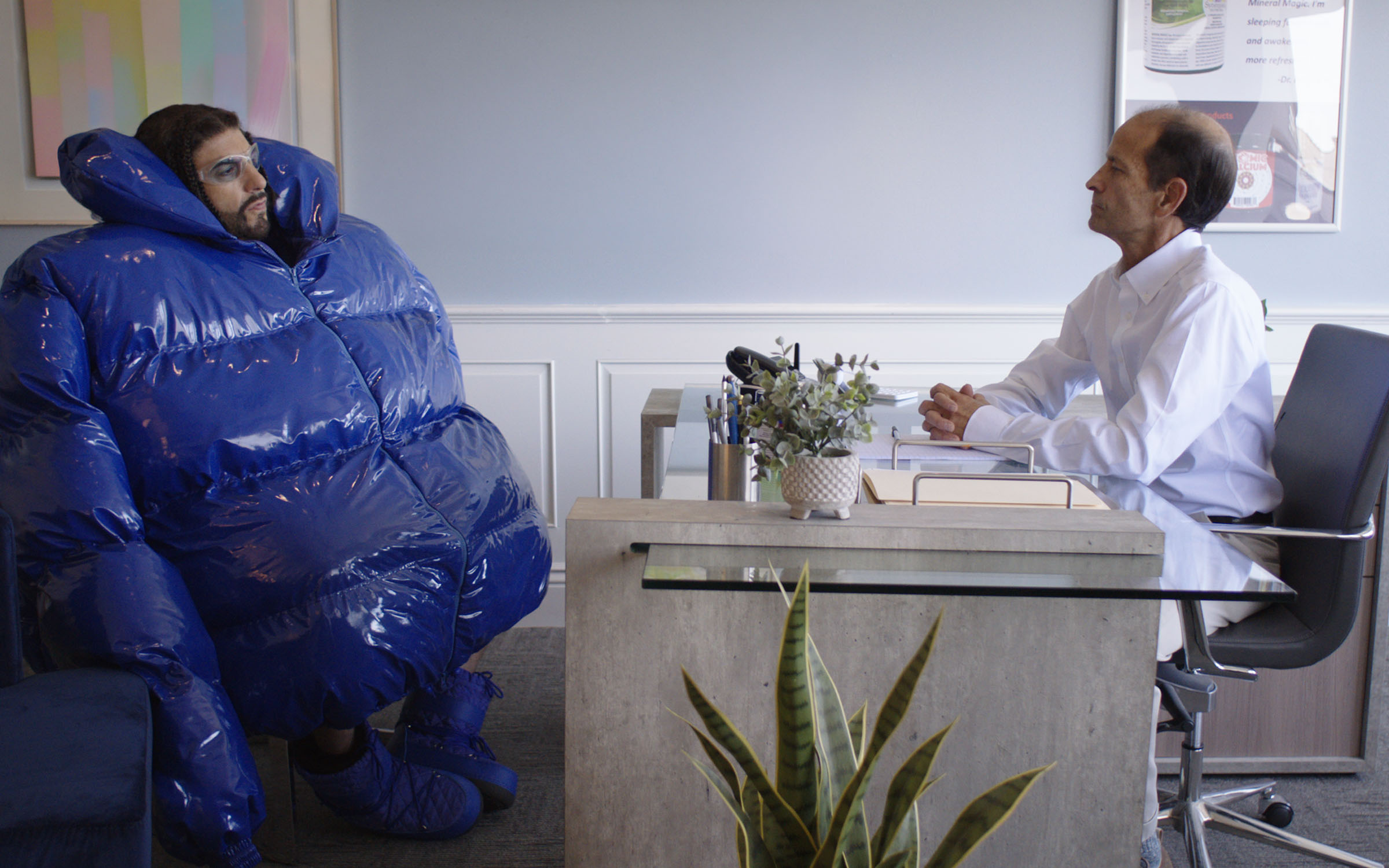
Ali G works on another level. He’s not extreme—he’s just extremely dumb. But his absurd questions lead powerful people to underestimate him and answer in earnest, revealing their own biases.
Other characters highlight the problems facing our society without engaging real people at all. The Dictator’s Admiral General Aladeen—the cartoonish ruler of a fictional Horn of Africa nation and a mash-up of personality-cult authoritarians from Kim Jong Il to Idi Amin—warned, in 2012, how easily democracies could fall into autocracies.
Regardless of the madness, the method is the same: make the audience laugh as hard and as much as possible, while holding up a mirror to reflect back things that aren’t always comfortable to see or warn of trends we’d rather look away from.
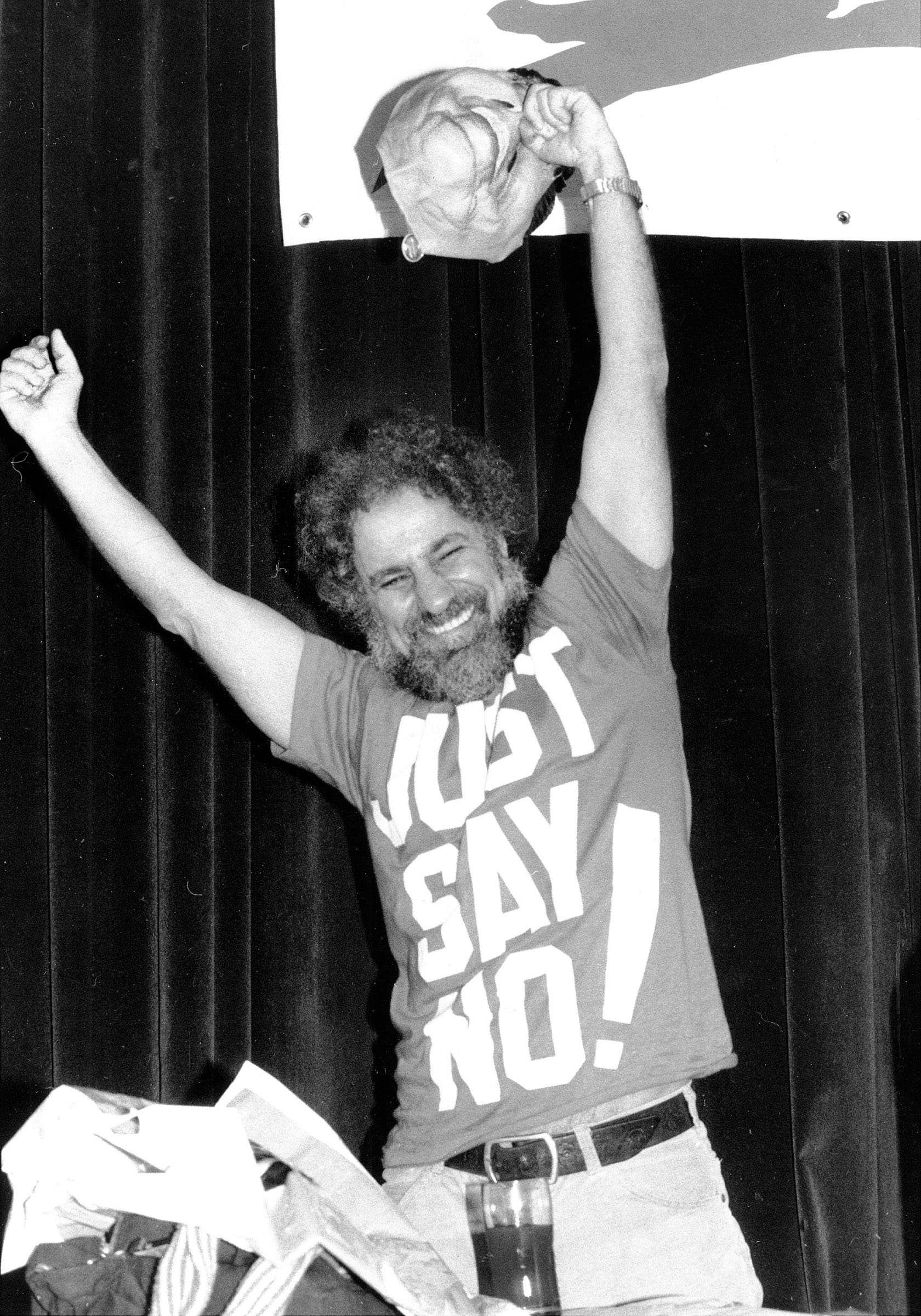
Done well, brutally honest satire can be cuttingly effective. At a time when Hollywood largely avoided anti-Nazi content, Charlie Chaplin—then one of the most famous movie stars in the world—used The Great Dictator to point to the destruction that Nazism would bring. Peter Sellers’ sinister Dr. Strangelove showed the insanity of mutually assured destruction. Abbie Hoffman, who became a hero of mine while I researched my undergraduate thesis on civil rights—and whom I later played in The Trial of the Chicago 7—deployed outrageous stunts to oppose the Vietnam War.
In fact, satire doesn’t just needle politicians or regimes—it occasionally helps bring them down. In Hammer & Tickle, the historian Ben Lewis credits Soviet joke-telling with helping to topple communism, by making it impossible for even the system’s own enforcers to take it seriously. Volodymyr Zelensky was a Ukrainian comedian who once pretended to play piano with his penis—a stunt Aristophanes would have loved. Yet Zelensky’s TV show parodied the country’s corrupt oligarchy so effectively that, just four years after Servant of the People premiered, he was elected President himself. “Every joke,” George Orwell observed, “is a tiny revolution.”
Of course, comedy has its limits—more satirists in Weimar Germany could not have prevented Nazism. Still, satire—along with a free press, independent institutions, and a robust civil society—does play a role in promoting free societies.
That’s exactly what so many governments seem afraid of. In Nazi Germany, mocking Hitler could be a capital offense. Stalin sent an estimated 200,000 citizens to the gulags for making political gags. In our own time, Chinese censors have scrubbed social media of a meme comparing President Xi Jinping to Winnie the Pooh; one student who shared that and other unflattering posts got six months in prison for “picking quarrels and provoking trouble.” Last year in Tehran, the comedian Zeinab Mousavi was sentenced to six months simply for parodying an Iranian epic poem.
Even in democracies, satirists, instead of getting a laugh, sometimes face sanctions. In the U.S., Lenny Bruce and George Carlin were arrested for uttering obscenities. Because of its irreverent treatment of Christianity, Monty Python’s Life of Brian—the very film that introduced me to satire—was banned in half a dozen countries, and even parts of the U.K.
Today, some believe the times have overtaken Orwell’s “tiny revolutions.” In an era when the U.S. President and his ilk seem impervious to shame and ridicule, is satire all but dead?
Absolutely not. In fact, I believe that satire is more important than ever. The Trump Administration’s own actions show why. If ridicule is now irrelevant, why did CBS cancel Stephen Colbert’s show just days after he mocked his parent company for paying Trump $16 million to settle a lawsuit? Why did Trump’s chairman of the Federal Communications Commission appear to threaten ABC’s broadcast license—leading ABC to briefly suspend Jimmy Kimmel Live!—after Kimmel’s comments about the killing of conservative activist Charlie Kirk?
Even Trump doth protest too much. Asked in 2020 about Borat outing his attorney Rudy Giuliani as a creep, Trump dredged up the time I tried to scam him as Ali G two decades earlier: “That’s a phony guy and I don’t find him funny.”
So why does my new movie bring back that phony and unfunny guy, which some have criticized as “microwaving a relic from a generation ago?”
The fact that Ali G is outdated and problematic is the very reason I resurrected him. The world he’s returned to is, in many ways, worse than the one he left 20 years ago. All the prejudices my characters are designed to expose haven’t just lingered—they’ve metastasized. They’re fueled by the greatest propaganda machine in history—social media—and now by its monstrous child, AI.
Back when I first created Borat, it took a few minutes—or a few drinks—to get people to reveal the racism that often simmered below the surface. Now, those views have gone mainstream—whether it’s fans hurling slurs and abuse at Black players during the World Cup or hundreds of white nationalists marching through Washington, D.C., on July 4.
In 2004, also as Borat, I got a bar full of people to sing “Throw the Jew Down the Well.” Today Jews make up just 2% of the U.S. population, yet are the targets of nearly 70% of religion-based hate crimes in America. Whatever your politics, the trend is undeniable.
In 2018, disguised as Dr. Nira Cain-N’Degeocello, an ultra-woke developer planning to build a mosque in a small town, I showed people’s hostility to Muslims. One even declared, “I’m racist—towards Muslims.” Now, right-wing U.S. Congressmen readily admit as much.
On my 2018 show Who Is America?, I convinced three men to host a fake quinceañera to trap undocumented immigrants. Now, stoked by far-right agitators and viral social media posts, anti-immigrant protests and riots have erupted across England and in Belfast. Meanwhile, ICE agents are running amok—terrorizing cities and, yes, detaining people at a quinceañera.
Then there’s the explosion of misogyny. Six years ago, in Borat Subsequent Moviefilm, a plastic surgeon cheerfully discussed giving my fictional 15-year-old daughter Tutar breast implants to appeal to important men. In today’s “manosphere,” that’s nothing compared with how Andrew Tate advises his millions of followers to treat women. Nor was overturning Roe v. Wade and a women’s right to control her own body apparently enough. Christian nationalists are now calling for “household voting”—effectively taking the right to vote from many women and giving it to their husbands.
Twenty years ago, Ali G would sit next to world experts spouting absurdities. Today—fed a steady diet of disinformation and conspiracy theories by social media influencers and TikTok news—we have created an entire world where ignorance reigns and truth is inverted.
Thanks to this toxic brew of lies, conspiracies, and hate, right-wing authoritarianism is on the march. Intolerance and extremism have surged on the left as well. Political violence has increased, as has our tolerance for it. In one survey, one-fifth of Americans agreed that “true American patriots may have to resort to violence in order to save our country.”
We are once again entering an age of “virtuous” violence, where any atrocity—by racists, Jew haters, or Islamophobes, the right or the left—can be somehow justified. It is not a place any of us should want to live.
Where, then, do we go from here?
In a world where social media and AI hypercharge lies, who decides what’s considered truth? In a culture seemingly obsessed with dividing people by identity, how do we find commonality in our shared human experience?
I made this latest film for the same reason I’ve always done this work. Not only to make people laugh, but also to bring them face-to-face with the danger of fanaticism and conspiracy theories.
I’m not naive. One film won’t stamp out age-old prejudices or stop the extremism that’s fueling the slide from democracy to autocracy and mass violence. But, as satire has done since ancient times, it can help sound the alarm. It can remind people about the very real dangers of ludicrous lies—whether spread by a thin-skinned authoritarian or an extremist with an online following. With the U.S. midterm elections just weeks away, perhaps it encourages citizens to mobilize against these dangerous falsehoods—at the ballot box and beyond. Maybe it can even help shame more of our governments into finally making our Silicon Valley overlords—unelected billionaires who decide what billions of people see and believe—liable for the lies, conspiracies, and hate on their platforms that have already gotten people killed and will likely kill many more.
Satirists can expose hypocrisy. Bouffons can shed their clothes and show that the emperor has none. But after the credits roll, it’s up to all of us to decide what comes next. If our pluralistic democracies are going to survive, we need to create societies where we stop the hate and tolerate those different from us—no matter who they are, where they come from, whom they love, or how they pray. Because the only way out of this mess is to treat everyone with what Ali G has always preached: Respect.