The last time you went for a walk, you might have focused on your favorite podcast, a call to your sister, or the number of calories your Apple Watch said you were burning.
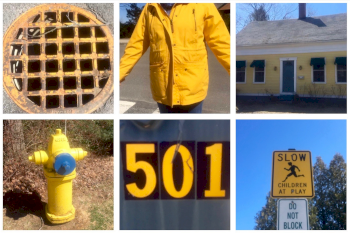
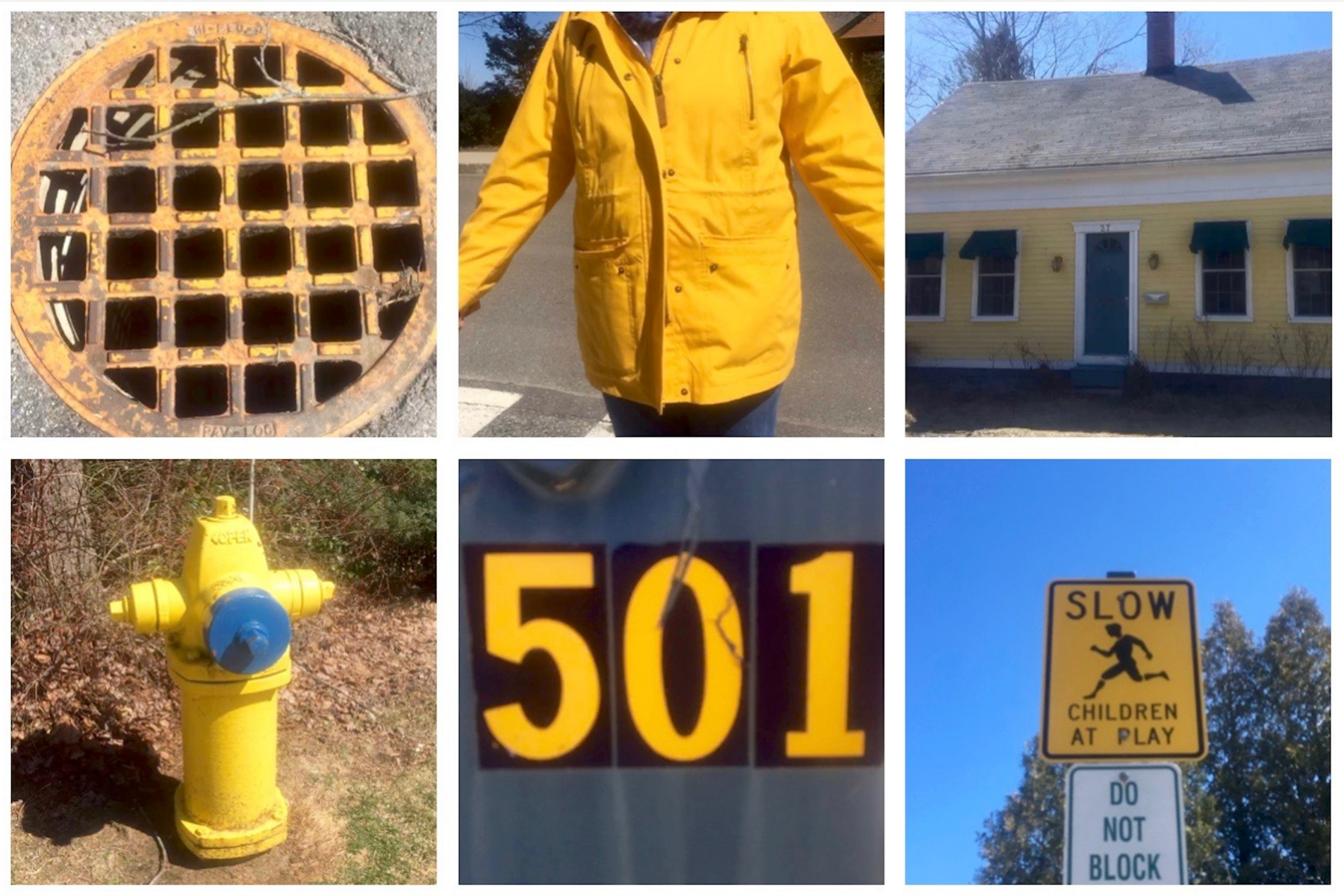
Meanwhile, on a walk around her neighborhood, Kim Bernard noticed everything that was yellow: “A manhole cover, a yellow rain jacket, a fire hydrant, the numbers on someone's mailbox,” recalls the Maine-based artist. A “children at play” sign, part of a Pennsylvania license plate, and even a bucket of cat litter became part of the neighborhood’s palette.
Bernard was on a color walk, a simple scavenger hunt organized around intentionally noticing a certain color—and how much of it is hiding in your ordinary surroundings. We asked experts why you should make the activity part of your routine and how it can brighten an otherwise ho-hum day.
About a year ago, Bridget Campbell, a content creator in Venice, Calif., realized she had become tethered to her phone. Even as she moseyed along the Venice canals, she brainstormed business ideas instead of admiring the colorful homes and flowers along the water. That’s when she decided to do a color walk, a concept she had stumbled upon on social media.
“It was a way to get out of my mind and come back into my body, slow down, and be present,” she says. While an ordinary walk might leave her mind racing toward work, looking for a particular color gave it something else to do, effectively putting all that other mental chatter on mute.
That’s exactly why color walks work so well: They encourage focused attention, says Cheryl Fisher, a licensed clinical professional counselor in Annapolis, Md., and associate professor of clinical counseling at Alliant University. She describes a “skim-scan-scroll world,” where it’s easy to move through your surroundings without really seeing them. Searching for color gives you a reason to look up from your phone and pay attention to what’s in front of you.
It also gives people who don’t consider themselves particularly creative an easy place to start, says Mari Reisberg, a licensed professional counselor and creativity coach in Boulder, Colo. Choosing a color to focus on provides a bit of structure while leaving plenty of room for discovery.
Reisberg still finds surprises on neighborhood sidewalks she’s traveled many times. “Oh my gosh, I’ve never seen that before,” she’ll think. Even on the most familiar routes, “There’s so much joy that shows up,” she says.
There are lots of ways to play color roulette and figure out which shade to hunt for. You could, of course, opt for your favorite color. Fisher collects paint swatches, cuts them up, and tosses them into a basket so people can draw one before heading out. A teacher once shared an even simpler approach with her: Have kids pick a color from their clothing, then look for matches along the way. You can even choose midway through your walk. Campbell sometimes spots an orange flower and decides that’s the color she’ll look for the rest of the way.
How specific you get is up to you. Finding nine fuchsia objects on a 15-minute walk? “It’s pretty difficult,” Bernard says. Reisberg sometimes opts for a particular shade, like midnight blue or sky blue, to give her eyes a more precise target. On other days, green is plenty. “There’s no right or wrong way to do it,” she says.
Once you’ve settled on a color, head outside and see where it turns up. You don’t need a picturesque trail or a neighborhood full of flower gardens. Campbell encourages people who think their surroundings are too gray to give it a try anyway: Color can pop out in places you’ve passed countless times without a second glance.
When you find a match, resist the urge to mentally check it off and rush toward the next one, Fisher says. Spend a moment looking at what caught your eye. “The real gift is sitting with it and not just finding it,” she says.
You don’t have to keep your discoveries to yourself, either. “You can do it with a friend, you can do it with your mom,” Campbell says. Searching together gives you something new to talk about.
If you want a souvenir, snap photos along the way. Bernard asked participants in a color walk she led to select their nine favorite images and arrange them into a grid. Together, the collections resembled a patchwork quilt of color. You could make your own collage or save a few pictures to revisit when you need inspiration.
Or simply enjoy the walk. “We live in a day and age where everything is content,” Reisberg says. Sometimes she takes photos to share; other times, the discoveries are hers alone. If the whole thing feels a little silly at first, that’s OK, she says. Adults aren’t always used to indulging this kind of curiosity. “Keep giving it a little more space, a little more opportunity to surprise you.”