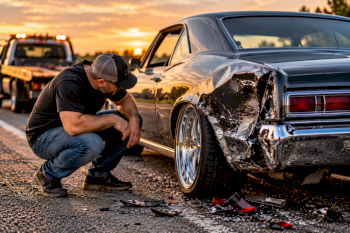
Anyone who has spent months getting a hot rod right understands that every detail matters. Suspension geometry, brake setup, stance, paint, and powertrain all get worked and reworked until the combination is right. That attention to detail is more than a building habit. It is a mindset.
When something goes wrong on the road, the same people who demand precision from every part of their vehicle should bring that attention to what happens afterward.
Road crashes can affect the custom car community just like anyone else. Mini trucks, lowriders, imports, classics, and hot rods all share the road with other traffic. When a collision happens, the consequences can go well beyond sheet metal and paint. Physical injuries may be serious and lasting, and the decisions made during recovery can have long-term effects.
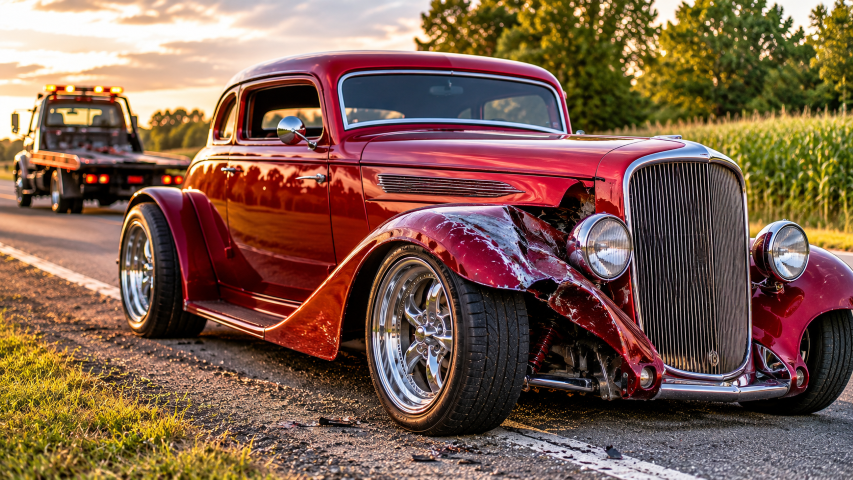
After a serious collision, getting appropriate medical attention should be one of the priorities. In many cases, treatment begins the recovery process and helps doctors identify injuries that may not have been obvious immediately after the crash.
There are situations, however, where a patient believes that subsequent medical care caused an additional injury or made an existing condition worse. A delayed diagnosis, medication error, surgical complication, or other treatment issue does not automatically mean malpractice occurred. Medical outcomes can be complicated, and a poor result by itself does not establish negligence.
Medical malpractice generally involves questions about whether a healthcare provider failed to meet the applicable standard of care and whether that failure caused additional harm. Determining whether those elements exist can require review of medical records, applicable law, and medical evidence. Someone who believes negligent treatment caused additional harm may choose to speak with a medical malpractice attorney about the circumstances and available legal options.
For someone already recovering from a vehicle collision, distinguishing between the original crash injuries and a possible additional medical injury can be particularly important.
Immediately after a collision, most people are focused on the obvious issues: injuries, vehicle damage, police reports, towing, and insurance. Those things matter, but they may not be the only issues that develop during recovery.
If someone believes medical treatment after the accident caused a separate injury, the questions surrounding that treatment may be different from the issues involved in the original vehicle collision. Different parties, evidence, insurance coverage, deadlines, and legal standards can potentially apply.
That is one reason it is important not to assume that every problem following a crash is simply part of the original accident. Understanding what happened, when it happened, and what documentation exists can help someone determine what questions need to be asked.
Hot rod culture is built on documentation. Builders photograph different stages of a project, save receipts, track parts, record modifications, and remember exactly when something changed.
That instinct for detail can also be useful after an accident and during medical recovery.
Medical records, treatment instructions, prescriptions, test results, bills, insurance correspondence, and other documents can help establish a timeline. If symptoms change after a procedure, medication, or new treatment, keeping notes about when those changes occurred can make it easier to accurately explain the sequence later.
Memory becomes less reliable as time passes. Dates blur together, conversations become difficult to reconstruct, and details that seemed obvious at the time can be forgotten. Keeping organized records provides something more dependable than memory alone.
Not every mechanic specializes in every type of vehicle or repair. Someone who wants a suspension dialed in correctly looks for a shop that understands that particular setup. The same principle can apply when dealing with complicated legal or medical questions.
Personal injury claims arising from a vehicle collision and claims involving allegedly negligent medical care can involve different legal and factual issues. When the situation becomes complicated, getting advice from professionals familiar with the particular issue can help someone better understand the options available.
Seeking information does not mean a claim will succeed, and no particular outcome is guaranteed. It simply gives an injured person an opportunity to understand the situation before making decisions about what to do next.
A hot rod builder knows that quality is rarely automatic. Good results require attention, patience, documentation, and sometimes a second opinion when something does not seem right.
Recovery after a road crash deserves that same attention.
That means following medical advice, keeping records, asking questions when something is unclear, and paying attention when symptoms change. If a new medical problem develops during treatment, understanding what happened may require more information before anyone can determine why it occurred or whether another party may be responsible.
The custom car community understands the value of getting details right. Whether someone is tracking down a mechanical problem, documenting a build, or working through the aftermath of a serious collision, that mindset remains useful.
Precision matters in the garage. It can matter just as much when the priority shifts from getting the car back on the road to getting the person behind the wheel back on their feet.
The post Hot Rod Owners Hurt on the Road Deserve the Same Precision They Put Into Their Builds appeared first on Gauge Magazine.