By Andrew Moran
Microsoft is offering voluntary buyouts to about 60,000 employees, around one-quarter of its total workforce, the software maker confirmed to The Epoch Times.
Eligible employees in the United States, Canada, India, and the UK will be offered a package including financial support and career planning resources.
“The Voluntary Exit Offer reflects an important part of how we’re evolving our approach to change: creating greater flexibility and, where possible, more ways for employees to shape their next chapter,” Amy Coleman, Microsoft’s executive vice president and chief people officer, wrote in a memo to employees on Oct. 26.
“This builds on what we learned earlier this year through the Voluntary Retirement Program.”
This past summer, the company introduced a voluntary retirement program, and more than 30 percent of eligible employees chose to participate. In July, it also announced it would slash 4,800 jobs, or more than 2 percent of its global workforce.
So far this earnings season, headcount has been a key theme.
American Express said last week it is laying off about 5 percent of its workforce. Barclays also confirmed it plans to cut 5,000 jobs, or about 5 percent of its workforce.
Both companies cited changes driven by their AI investments.
Shares of Microsoft rose 1.54 percent to kick off the trading week. Year-to-date, the stock has jumped almost 13 percent.
The announcement comes days before the tech giant releases its next earnings report on Oct. 28.
Analysts expect Microsoft to report revenues of $89.69 billion and earnings per share of $4.65. Market watchers will also closely watch the company’s capital expenditures—also known as capex—which Microsoft estimated would exceed $50 billion in the quarter.
Wall Street has been watching whether the leading AI hyperscalers can sustain their spending on the AI infrastructure buildout, adding to this month’s volatility in tech stocks.
As Microsoft prepares to unveil its 2027 fiscal guidance, the company’s plans could offer a glimpse into its broader capex plans, says John Belton, portfolio manager at Gabelli Funds.
“Microsoft will likely give a new fiscal 2027 guide which will inform the market on capex plans for the first half of calendar 2027—they have been the most conservative of the hyperscalers in this investment cycle,” Belton said in a note emailed to The Epoch Times.
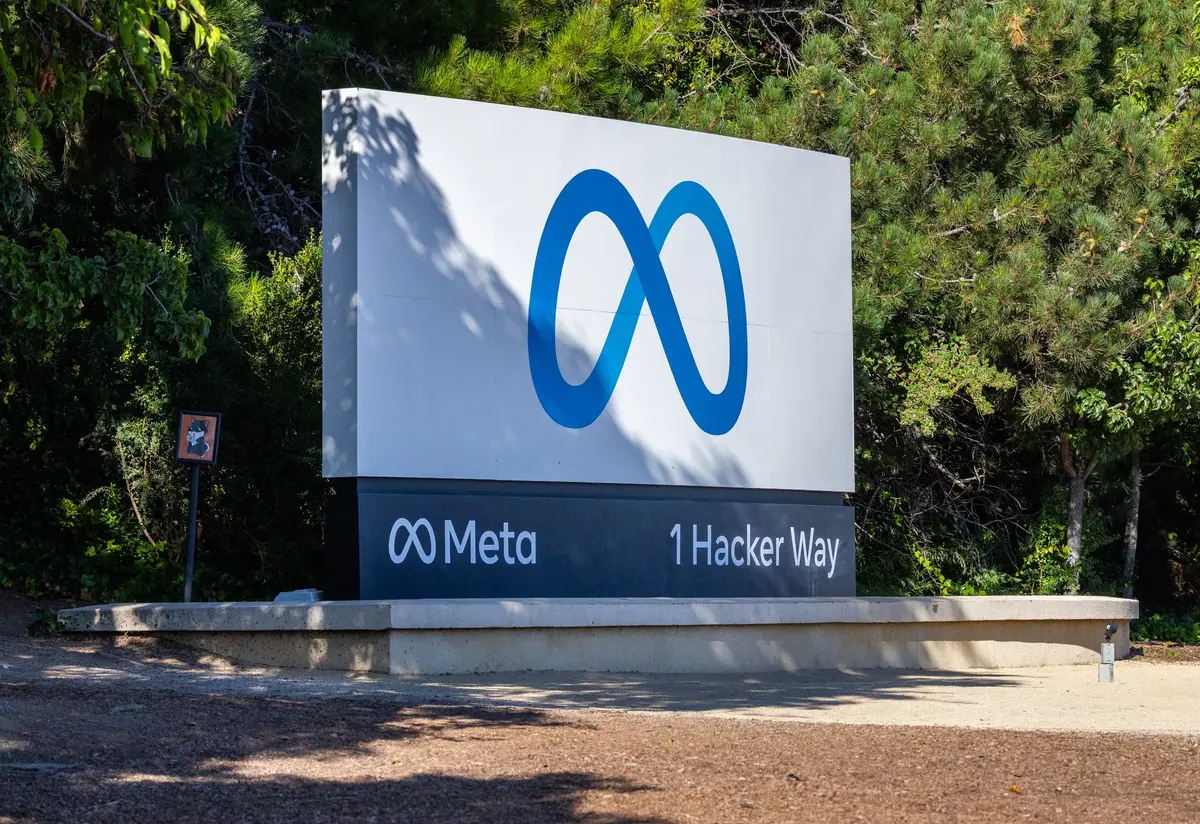
Meta Platforms said on Oct. 26 that it plans to sell up to $95 billion in stock to help fund its ambitious AI investments. In its third-quarter earnings report last week, the social media behemoth raised its full-year capex to range from $135 billion to $145 billion.
Since the AI boom began a few years ago, companies have relied on massive cash stockpiles to fund these investments. This year, companies have shifted more toward debt and equity raises to keep up with the buildout and demand.
According to JPMorgan Global Research, global capex is projected to reach $5.5 trillion by 2030, with $900 billion to spend this year alone.
“The surge in AI capex-related expenditures has been the defining feature of our economic times,” Michael Feroli, chief U.S. economist at JPMorgan, said in an Oct. 19 research note.
Investors have also signaled that they want to see returns on these investments.
Ongoing spending is not enough, but the sector also needs to show these investments are “converting into revenues in a meaningful capacity,” said Rich Privorotsky, head of European Equities Trading within Goldman Sachs FICC and Equities.
“I think that’s going to be really critical for the market,” Privorotsky said in an Oct. 23 episode of The Markets podcast.