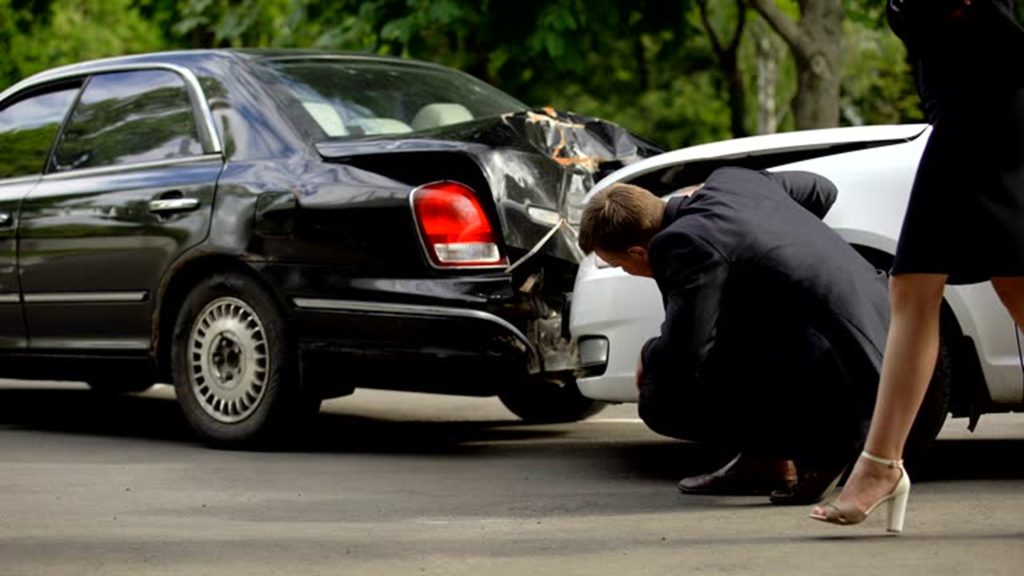
When determining the causes of a sudden-braking crash, accident reconstruction professionals consider vehicle damage, skid marks, road conditions, video evidence, and driver actions. Their purpose is to investigate how the crash occurred and whether a driver’s actions contributed to it.
If a driver brakes suddenly and unexpectedly, there may be little time for another driver to act. In disputes involving car accidents caused by brake checking in California, investigators assess whether the braking was necessary, deliberate, or part of a chain of events that made the collision difficult to avoid.
This article explains how accident reconstruction experts investigate sudden-braking crashes, analyze evidence, and assess factors that may have contributed to a collision.
Experts document vehicle positions, debris, tire marks, road surfaces, weather, and visibility. Skid marks can help explain a crash, but their absence does not prove that a driver did not brake. An anti-lock braking system may not leave the same continuous marks as locked-wheel braking, so investigators consider other scene and vehicle evidence too. NHTSA describes crash-scene reviews that document marks, vehicle damage, final positions, and other evidence. For practical scene details, see our guide to what to document after a car crash.
Experts also measure vehicle damage. The positions and directions of dents can help reveal the direction of impact and whether the damage is consistent with each driver’s account.
If a vehicle has an event data recorder and its information is available, the recorder may provide details such as speed and braking around a crash. NHTSA describes event data recorders as capturing information such as vehicle speed and braking status. Those records are compared with physical evidence and are not used as the sole source of evidence. Vehicles and recorder systems vary, so available data may be limited. Preserving electronic records can matter; see our guide to evidence in a car accident injury claim.
Video from a dashcam or security camera, along with witness statements, may help show when the lead driver slowed and how much space the following driver had. Investigators review timing and camera angle because a short clip may not show what happened before the recorded portion.
Using a specialist’s assessment, experts may estimate the distance a vehicle traveled between a driver noticing a hazard and responding. They can then estimate the distance needed to stop. Federal Highway Administration guidance describes stopping distance in terms of perception and reaction, followed by braking distance.
The outcome is influenced by factors such as speed, road grip, slope, tire condition, and braking. An analysis can help assess whether the following driver had an opportunity to avoid impact, but the conclusion depends on the available evidence and assumptions used in the reconstruction.
Investigators also review statements from the drivers involved in the crash and any witnesses who saw what happened. These accounts may help explain why the lead driver braked suddenly and whether another vehicle or road hazard played a role in the accident.
For example, a driver may say they braked to avoid hitting an animal or another vehicle. The following driver may claim that the braking was sudden and unnecessary. Investigators compare both statements with the available evidence to understand how the crash occurred. Statements alone may not be enough to establish what happened.
After reviewing the evidence, accident reconstruction experts may prepare a report explaining how the crash likely occurred. The report may include photographs, vehicle damage, road conditions, recorded data, and calculations of speed and stopping distance.
Attorneys and insurance companies may use this report when reviewing a claim or considering who may be responsible for the accident. Keeping evidence safe is also important because vehicles may be repaired and video footage may be deleted. Collecting information early can help preserve important details about the crash.
Although an expert’s report can help explain how an accident happened, it does not decide legal responsibility on its own. Insurance companies and courts consider the report along with other evidence and the laws that apply to the case.
An expert may help insurers, attorneys, or a court evaluate evidence relevant to fault, but reconstruction alone does not determine legal liability. Each state has its own traffic laws. Technical reconstruction methods are described in resources such as this book on vehicle accident analysis and reconstruction.
For example, California Vehicle Code § 21703 requires drivers to follow at a reasonable and prudent distance, considering speed, traffic, and roadway conditions.
If a driver suddenly applies the brakes, that fact alone does not necessarily mean that either the following driver or the preceding driver was at fault.
The post How Do Accident Reconstruction Experts Analyze a Sudden-Braking Crash? appeared first on Gauge Magazine.